Quick answer
Ameda silicone valves typically last 2–3 months with regular use. Replace them sooner if you notice a drop in suction, milk leaking back into the tubing, or visible damage like cracks or stretching. For optimal pump performance, keep a spare set on hand.
Why valve lifespan matters
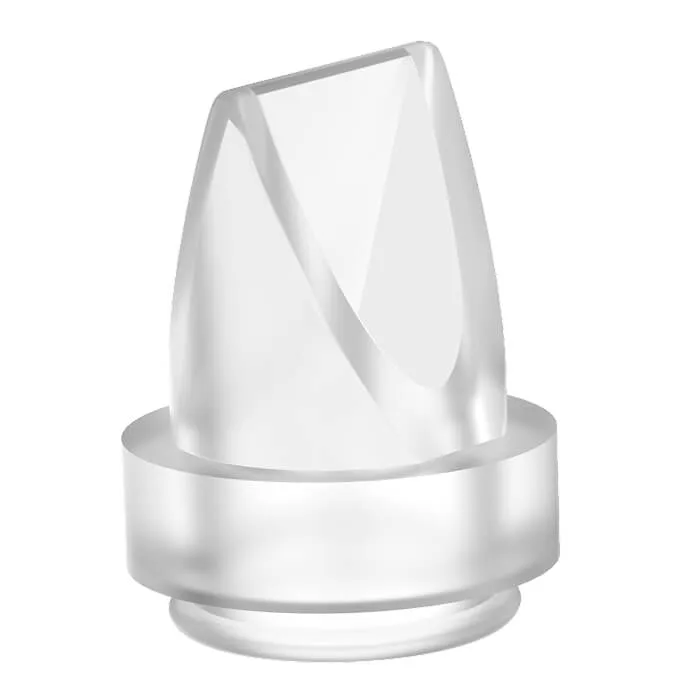
Silicone valves are the small, flexible parts in your breast pump's collection system that create the one-way seal needed for suction. Over time, the silicone can soften, stretch, or develop tiny cracks that let air in, reducing suction and making pumping less efficient. Replacing valves on schedule helps maintain consistent milk removal and protects your pump motor from working harder than it should.
Frequently asked questions about Ameda valve replacement
How often should I replace Ameda valves?
With daily use (2–3 sessions per day), plan to replace valves every 2–3 months. If you pump less frequently, they may last longer, but always inspect them monthly for signs of wear. Mark your calendar for a quarterly valve swap.
What are the signs that a valve needs replacing?
Look for milk leaking back into the tubing, a noticeable drop in suction strength, a clicking sound during pumping, or visible cracks, stretching, or discoloration on the silicone. If the valve no longer forms a tight seal when you press it closed, it's time for a new one. Check valves visually every month and after any suction issue.
Can I clean and reuse the same valves indefinitely?
No. While you can wash and sterilize silicone valves according to the manufacturer's instructions, the material naturally degrades with use. Cleaning removes milk residue but does not restore elasticity or seal integrity. Reusing old valves past their lifespan will reduce pump efficiency. Cleaning is essential, but replacement is still necessary on schedule.
Do I need to replace all valves at the same time?
Yes, if you use a double pump, replace both valves simultaneously. Mixing an old, stretched valve with a new one can cause uneven suction between breasts and reduce overall pumping effectiveness. Always replace valves in pairs for balanced performance.
Where can I find the right replacement valves for my Ameda pump?
Check your pump model to determine which valve type it uses. The Ameda HygieniKit Silicone Replacement Valves fit pumps that use the HygieniKit collection system, while the Ameda GLO Valves are made specifically for the GLO Wearable Breast Pump. The HygieniKit Spare Parts Kit includes valves plus other key components. Match the valve to your pump model for a proper fit.
Ameda replacement valve options
- Ameda HygieniKit Silicone Replacement Valves, 2 Count: The Ameda HygieniKit Silicone Replacement Valves, 2 Count are designed to preserve pump suction while allowing milk to flow into a storage bag, bottle, or other collection container. They are compatible with several of Ameda's hospital-strength personal pumps and multi-user breast pumps that use the Ameda HygieniKit Milk Collection System. If you use an Ameda pump with the HygieniKit system, these are the exact valves you need for a proper seal and reliable suction. Keeping a two-pack on hand means you can swap them out the moment you notice performance dip.
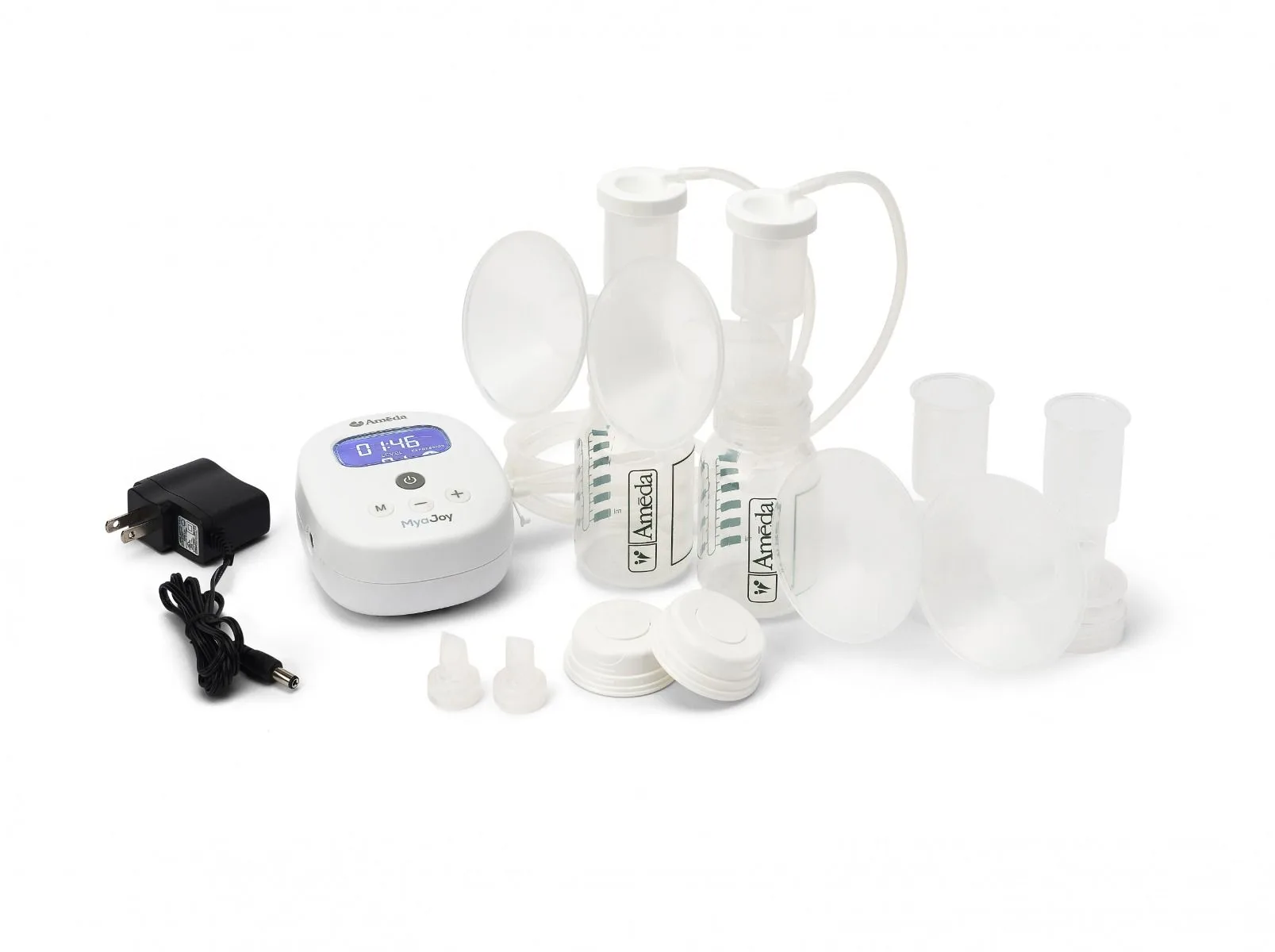
- Ameda HygieniKit® Spare Parts Kit for Breast Pump: The Ameda HygieniKit Spare Parts Kit includes the valves plus other essential components for the HygieniKit Milk Collection System. The system features the world's only FDA-cleared patented protective barrier that protects breast milk, kit tubing, and pump from potential contaminants like bacteria and viruses while pumping. This kit is a convenient all-in-one solution if you need to replace multiple parts at once. It ensures you have a complete set of fresh components, which can be especially helpful if you're preparing for a new pumping journey or notice wear on several pieces.
- Ameda GLO Valves: The Ameda GLO Valves are essential for maintaining the performance and reliability of your GLO Wearable Breast Pump. These BPA-free silicone valves regulate suction and promote consistent milk flow during each pumping session. It's recommended to replace valves regularly. For GLO wearable pump users, these are the specific valves designed to fit that model. Using the correct valve ensures the wearable pump maintains its discreet, efficient performance and that milk flows properly into the collection container.