Quick answer
Most breast pump parts last between 2 and 6 months with daily use, but silicone parts like valves and membranes wear out faster—often every 4 to 8 weeks. Replace any part that looks cloudy, torn, stretched, or no longer seals properly, even if it's been less time.
Which parts wear out fastest?
Valves and membranes are the most frequent replacement parts. They're made of soft silicone that stretches with every pump session, so they lose elasticity over time. If you pump 4 to 6 times a day, expect to replace valves and membranes every 4 to 8 weeks. If you pump once or twice a day, they may last 2 to 3 months. Duckbill valves and tiny membrane caps are cheap and easy to swap, so keeping spares on hand prevents a mid-session suction failure.
How often should I replace tubing?
Tubing rarely needs replacing unless it's cracked, cloudy, or has moisture inside that won't dry. If you use a closed-system pump, milk never enters the tubing, so it can last many months. Check tubing monthly for small tears near the connectors. If you see condensation, disconnect and let it air-dry completely before storing. Replace tubing immediately if it's damaged or if you notice mold—mold can't be safely cleaned from inner walls.
Do flanges and breast shields expire?
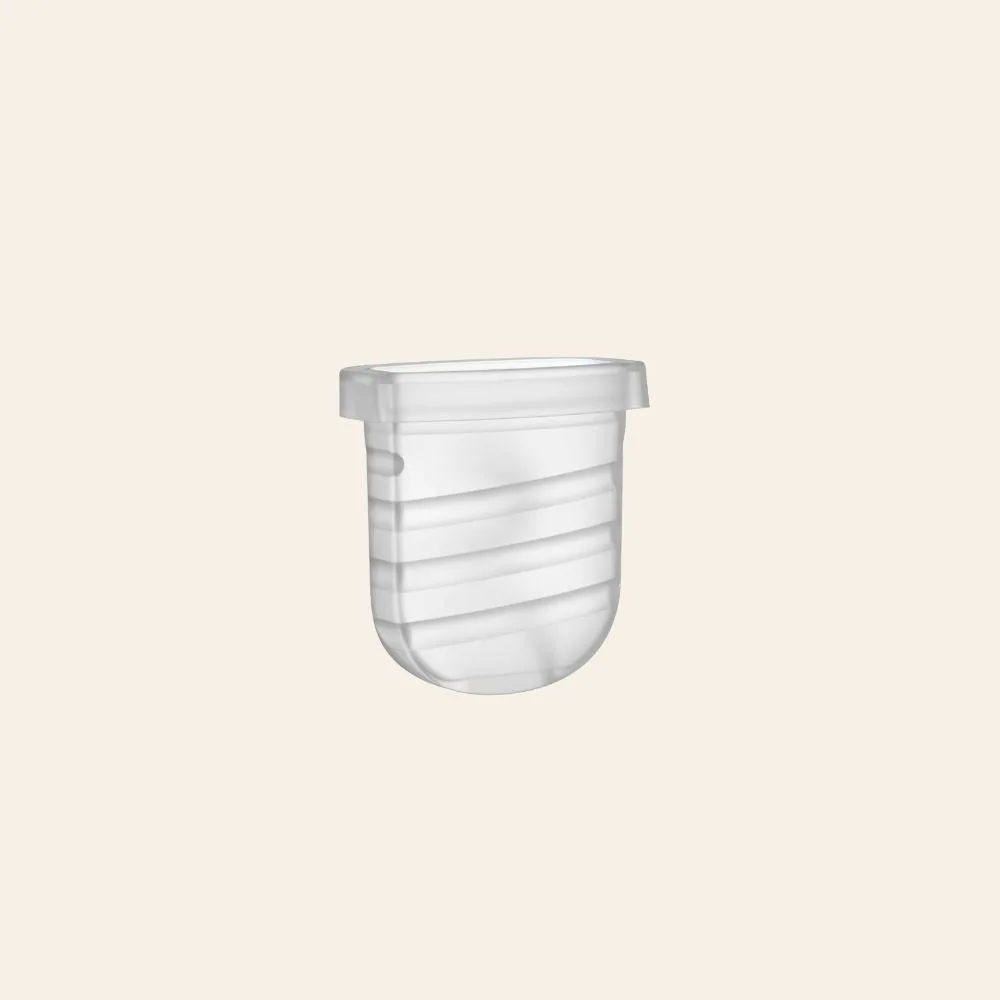
Hard plastic flanges can last a year or longer, but they may warp or develop hairline cracks if you sterilize them often. Silicone flange inserts, like those for wearable pumps, are softer and can stretch or tear after a few months of daily use. Replace any flange or insert that no longer creates a comfortable seal or feels loose during pumping. A proper fit is essential for efficient milk removal, so don't wait until it's painful.
What are the clear signs it's time to replace?
Watch for these red flags: suction feels weaker even after checking assembly, pumping takes longer than usual, you see milk backing up into the tubing, or parts look discolored or stretched. A valve that won't lie flat or a membrane with tiny tears is past its prime. If you're unsure, compare an old part to a new one side by side—silicone should feel firm and return to shape immediately.
How can I stay on top of replacements?
Keep a simple log or set phone reminders based on how often you pump. Many parents replace valves and membranes on the first of every other month, and check tubing and flanges quarterly. Having a spare parts bundle means you're never caught without a working pump. Wash parts according to the manufacturer's instructions and avoid harsh sterilizing methods that can speed up wear.
Your breast pump replacement schedule at a glance
Valves and membranes
Replace every 4–8 weeks with daily pumping, or sooner if suction drops. Mark your calendar for the first of every other month.
Tubing
Inspect monthly; replace if cracked, cloudy, or moldy. Closed-system tubing can last many months. Air-dry completely after each wash to prevent moisture buildup.
Flanges and inserts
Replace hard plastic flanges yearly; silicone inserts every 2–3 months if used daily. Swap immediately if fit feels loose or pumping becomes uncomfortable.
Parts that make replacement easy
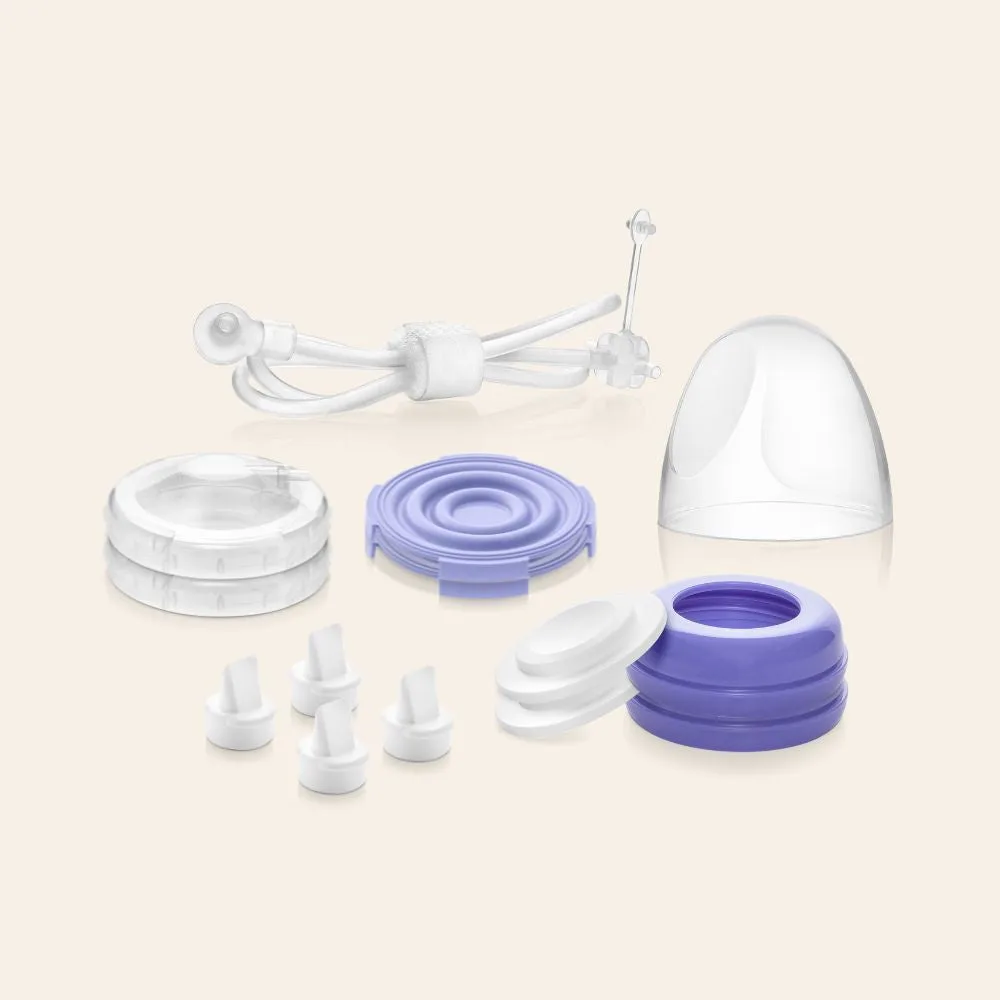
- Breast Pump Parts Bundle for Signature Pro and Smartpump: Breast Pump Parts Bundle for Signature Pro and Smartpump includes the most frequently lost or worn pump parts. Gives you a ready supply of valves, membranes, and other small parts so you can replace them the moment you notice wear.
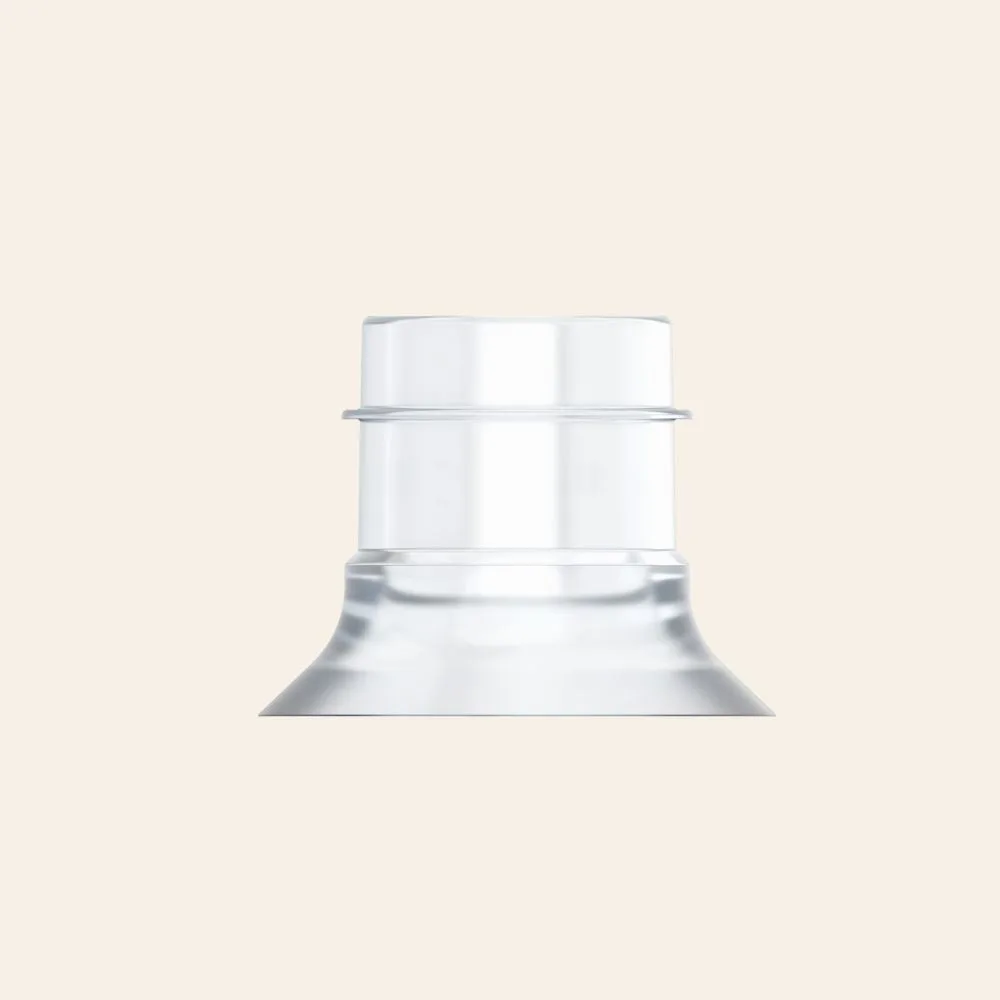
- DiscreetDuo Wearable Pump - Flange Inserts (1 count only): DiscreetDuo Wearable Pump - Flange Inserts are sold as a single insert in 17mm, 19mm, and 21mm sizes. Lets you replace just the insert if it stretches or tears, without buying a whole new pump set.
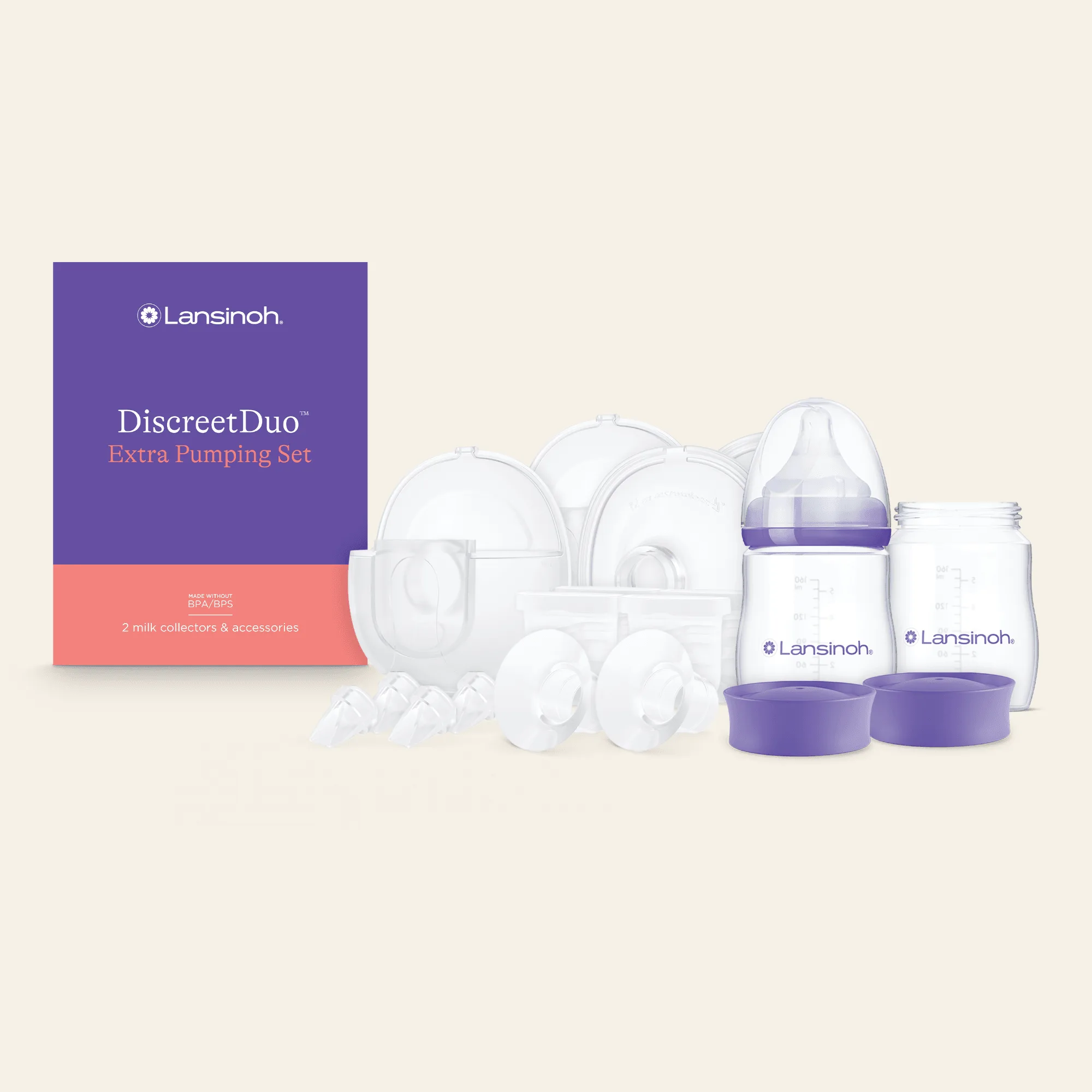
- DiscreetDuo Extra Pumping Set: DiscreetDuo Extra Pumping Set includes everything you need to keep your wearable pump running at peak performance. Acts as a full backup set so you can swap out all parts at once and always have a clean, working setup.