Quick answer
Most people are comfortable with 5 to 7 bras and 10 to 14 pairs of knickers in active rotation. That covers a weekly wash cycle, gives each piece a rest day, and leaves room for one or two task-specific items such as a wirefree bra or a no-show brief. If you wash less often, or your week mixes work, gym and going out, add two or three more of the pieces you reach for first.
Count by wear cycle, not by drawer space
The number that works is the number that gets you from one laundry day to the next without running out or reaching for a piece that has lost its shape. Think in cycles: how many days between washes, how many bras you wear in that window, and how many knickers. A 7-day cycle with a daily bra change and one knicker per day means 7 bras and 7 to 10 knickers if you allow for a spare pair in your bag or at the gym.
Bras do not need to be washed after every single wear, but they do need a rest day so the elastic recovers. That is why the bra count is usually lower than the knicker count: 5 bras can cover a 7-day week if each one is worn once or twice and then aired. Knickers are single-wear items, so their count tracks your laundry rhythm almost exactly.
Split the count by job, not by colour
A drawer of 12 knickers that are all the same cut will still leave you short on the day you need a no-show finish under thin trousers. Build the count by task instead. For knickers, a workable split is 6 to 8 everyday full-coverage pairs, 2 to 3 smooth or laser-cut pairs for close-fitting clothing, and 1 to 2 pairs kept for occasions or backup. For bras, 3 to 4 everyday bras, 1 wirefree bra for long days or travel, and 1 bra for lower necklines covers most wardrobes.
This is where an underwear buying guide earns its keep: the goal is not a bigger drawer, it is fewer gaps. If you regularly stand in front of the drawer with nothing that works under a particular outfit, that is the gap to fill, not another pair in the category you already have six of.
When to replace instead of adding
Adding is the wrong move when the piece you already own has stopped doing its job. Replace a bra when the band rides up at the back, the cups crease because the fabric has relaxed, or the hooks no longer hold on the loosest setting. Replace knickers when the elastic has gone wavy, the gusset has thinned, or the waistband leaves marks it did not leave when new.
A simple rule: if a piece is uncomfortable for more than one wear in a row, it is not a rotation problem, it is a replacement problem. Retire it and let the count stay the same.
Fit check before you buy the next size up
Before you add a piece to the drawer, confirm the fit on the loosest hook and the middle hook. A new bra should fasten comfortably on the loosest setting so you have room to tighten it as the elastic ages. The band should sit level all the way around and stay put when you lift your arms. In knickers, the waistband should lie flat without digging, and the leg line should not cut in when you sit down.
If a bra only feels right on the tightest hook when new, the band is too loose and sizing up in the cup will not fix it. If a brief rolls down at the waist, the rise is wrong for your shape rather than the size. Fit is the reason a smaller, well-chosen count outperforms a large drawer of near-misses.
Decision rules for your drawer
- If you wash once a week: Count 5 to 7 bras and 10 to 14 knickers. This assumes one bra per day with a rest day between wears and one fresh pair of knickers per day, plus a spare. Use this as your baseline before adding anything task-specific.
- If you wash every two weeks: Add roughly 3 bras and 4 to 6 knickers to the baseline so you are not forced into an emergency wash mid-cycle. Extra count here is about laundry rhythm, not about wanting more.
- If your week mixes work, gym and going out: Keep the baseline count but shift the mix: fewer plain everyday pairs, more smooth no-show pairs and one bra that works under a lower neckline. Replace, do not just add, when a category is already covered.
- If a piece fails the fit check: Retire it rather than buying a duplicate. A bra that only fits on the tightest hook, or a brief that rolls at the waist, will not improve with a second pair in the same size. Fix the fit gap first, then re-count.
Pieces that fit the count
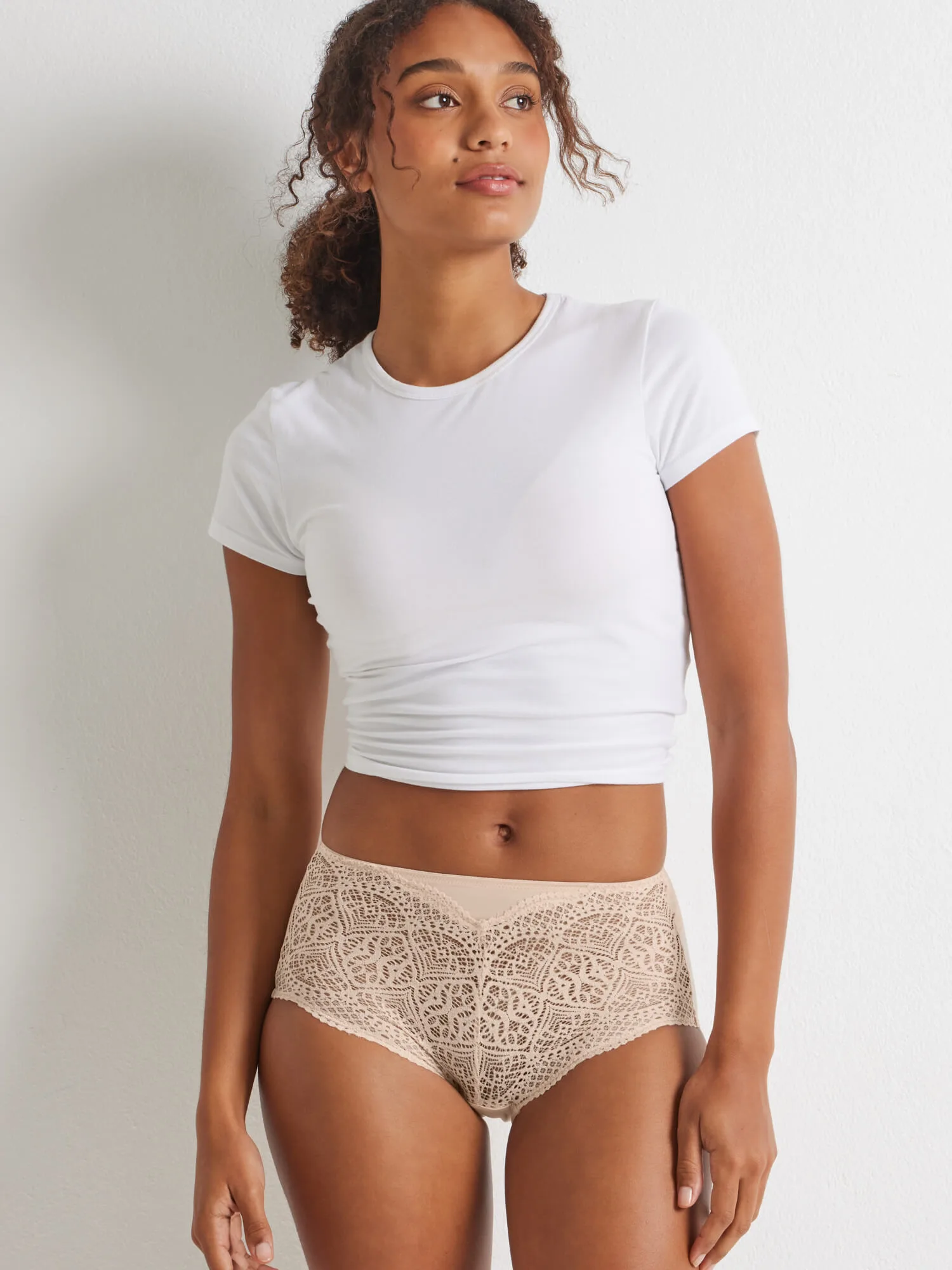
- Daily Essentials Micro & Geo Lace Full Brief (465G): Daily Essentials Micro & Geo Lace Full Brief (465G) in Honey is a full-coverage everyday brief with a lacy waist detail in geometric lace and a micro back and body. A good candidate for the 6 to 8 everyday pairs in the count, especially if you want a nude tone that stays hidden under lighter clothing.
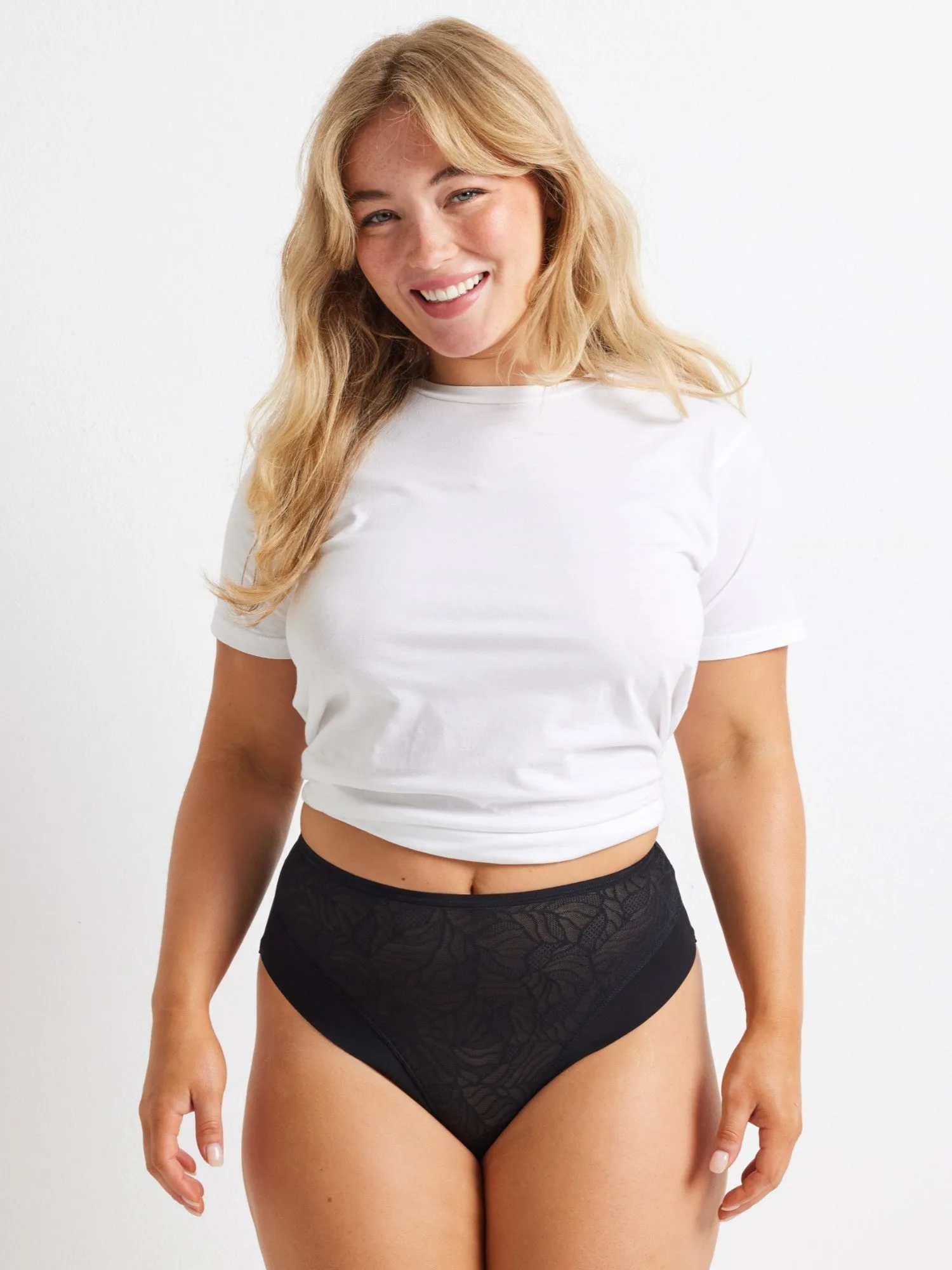
- Sleek & Smooth Lace Mid Rise: Sleek & Smooth Lace Mid Rise in Blush is made from smoothing lace and soft microfibre with laser-cut edges and a low leg line. Fits the 2 to 3 no-show slots in the drawer, so you are not borrowing from your everyday pairs when you wear close-fitting trousers or a dress.
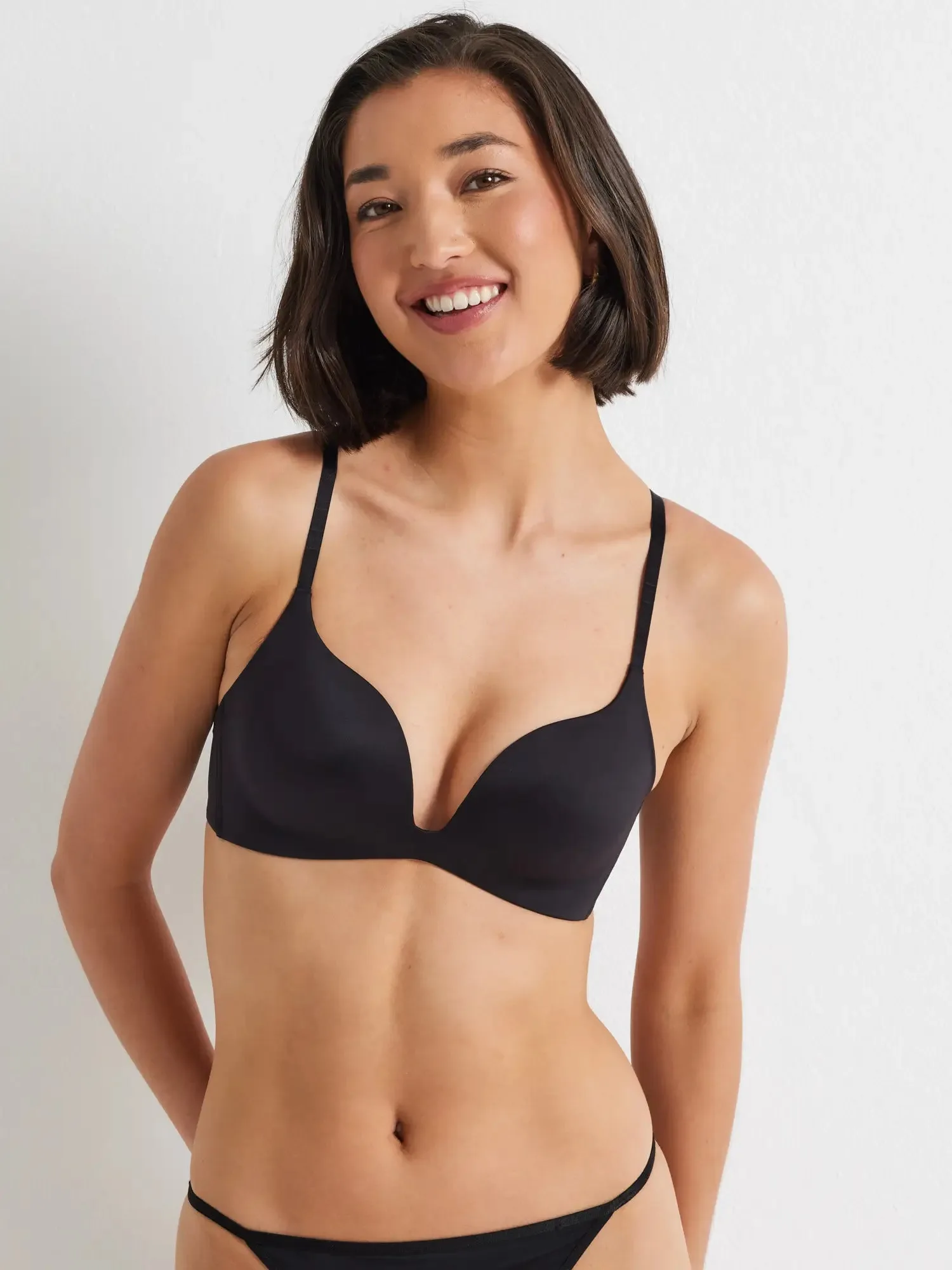
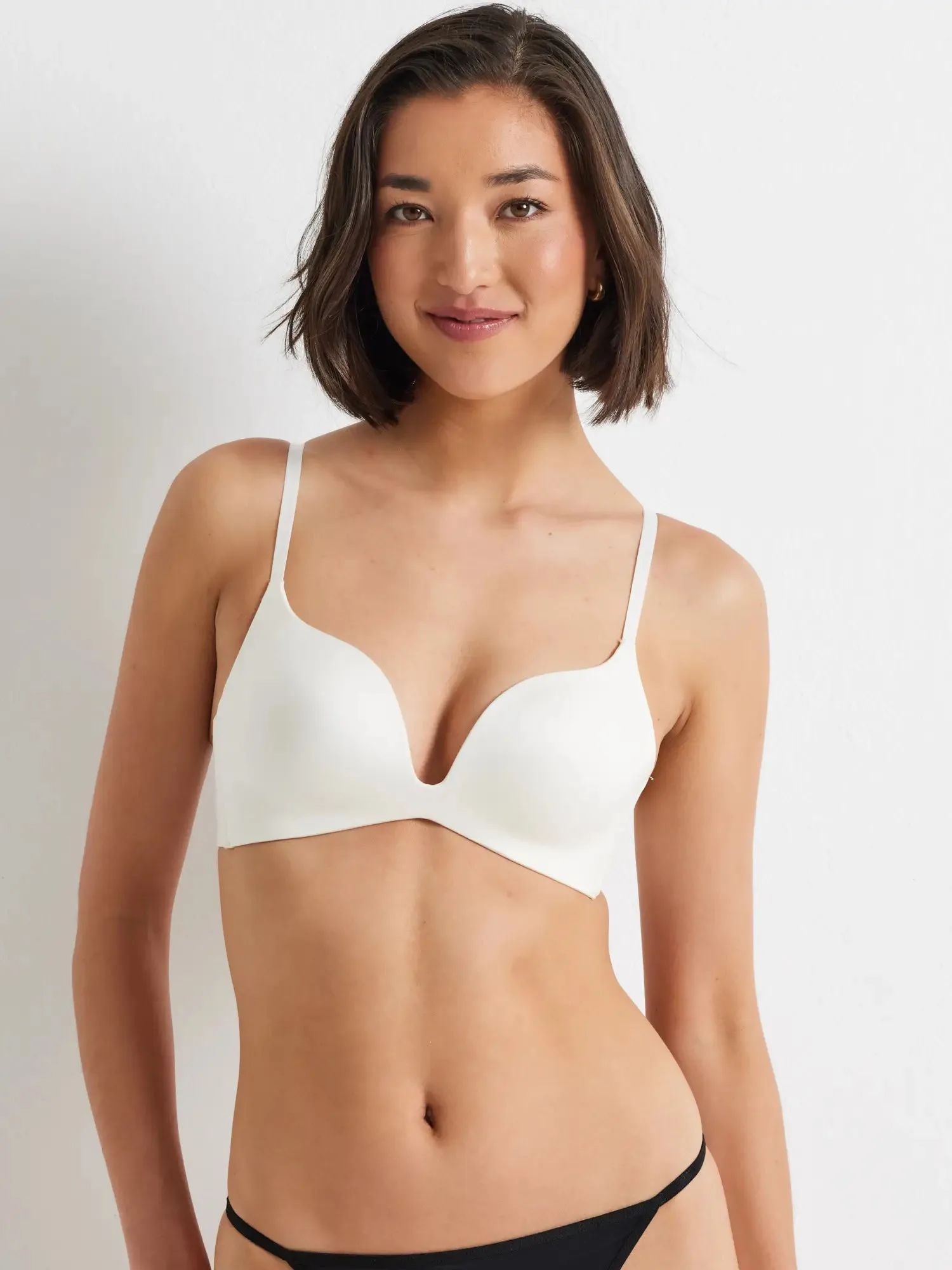
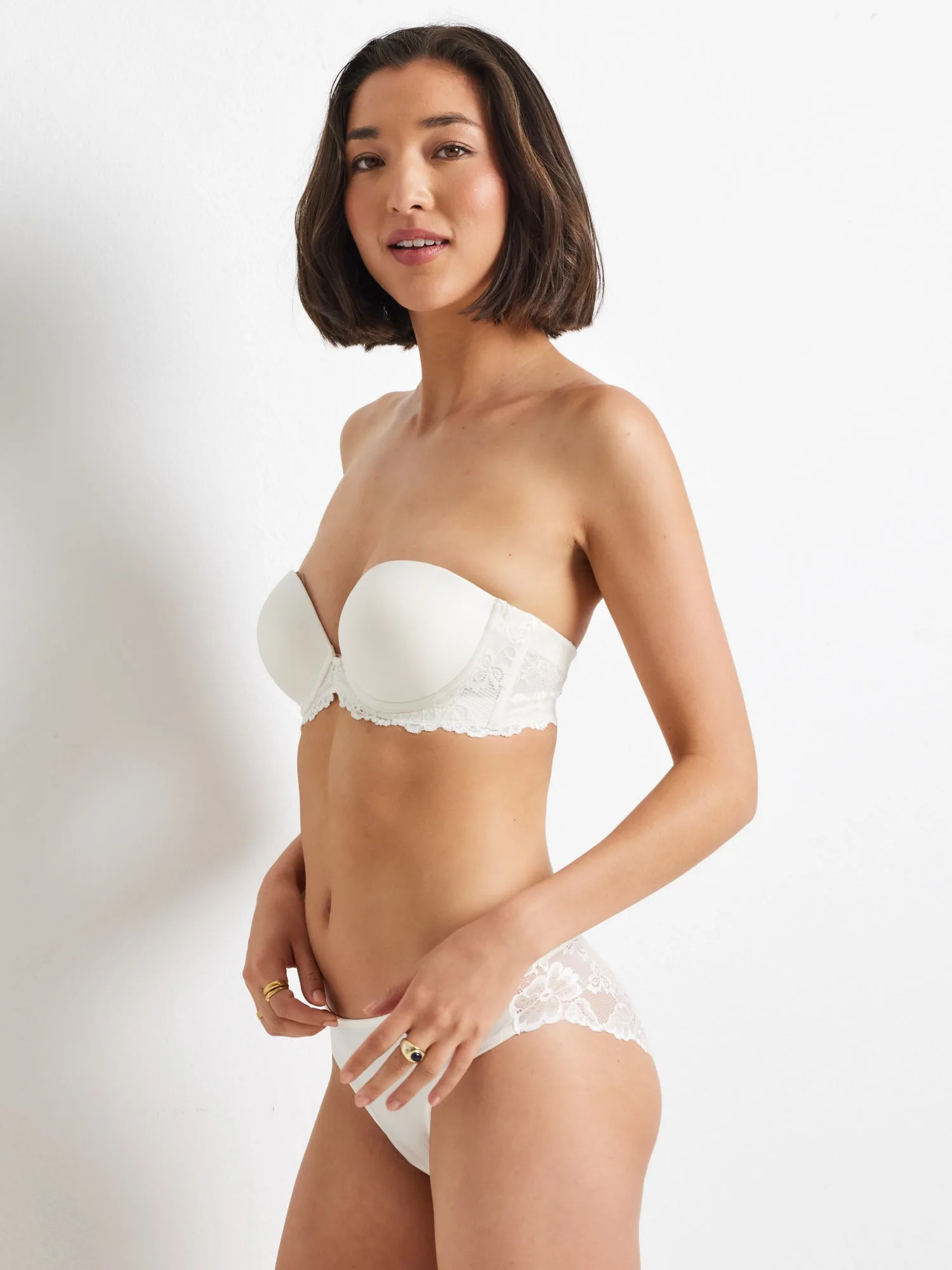
- Total Comfort Wirefree Push Up Bra: Total Comfort Wirefree Push Up Bra in Ivory has a push-up design, padded moulded cups, a sweetheart neckline and a deep plunge front, with no underwire. Covers the wirefree and lower-neckline slots in a 5 to 7 bra rotation, so one bra does two jobs instead of two bras doing one each.
Who this count suits
Best for
- Anyone building an underwear wardrobe essentials set from scratch or replacing a worn-out drawer
- People who want a bra rotation guide that matches a normal weekly wash cycle
- Shoppers deciding how many knickers to own across everyday, no-show and backup categories
Not for
- Anyone shopping for a single special-occasion set rather than a working rotation
- People who prefer to wash daily and deliberately keep a very small drawer
- Shoppers looking for a specific size or fit consultation, which needs a proper fitting rather than a count