Quick answer
Use one dishwasher pod per load. That single pod is formulated to handle a full rack of normally soiled dishes, so adding a second rarely improves cleaning and often leaves residue. The only time to adjust is when your load is very small or your dishes are unusually greasy — and even then, the fix is usually placement or cycle choice, not more detergent.
Why one pod is the default for every load
Dishwasher pods are pre-measured doses, not scoops you adjust. Each pod contains a fixed ratio of surfactants, enzymes, and builders designed to work with the water volume of a standard cycle. When you add a second pod, you push that ratio past what the rinse water can carry away, which is why extra pods tend to show up as cloudy film on glassware or a gritty feel on plastic rather than cleaner dishes.
The real variables are your water hardness, the cycle you choose, and how you load the racks — not the number of pods. If dishes come out dirty with one pod, the problem is almost always water reaching the dishes, not detergent strength.
Do small loads need a smaller dose?
No. A dishwasher pod for a small load is still one pod. The machine uses the same water volume whether the rack is half full or packed, so cutting the dose in half by breaking a pod is messy and unnecessary. Instead, run a lighter cycle such as eco or quick wash, which uses less water and shorter wash time. That saves energy without sacrificing the cleaning chemistry.
If you regularly run half-empty loads, save up dishes until you have a full rack. Running fewer, fuller cycles uses less water and detergent overall than several small ones.
Signs you are overusing dishwasher pods
Overusing dishwasher pods leaves clues. Look for a white chalky film on glasses, a slippery feel on dishes after the cycle, or a faint chemical smell when you open the door. You may also see suds lingering in the bottom of the tub, which means the detergent did not fully rinse away.
If you spot these signs, drop back to one pod and check that your water is hot enough — most detergents need at least 120°F to dissolve and activate properly. Also confirm the pod is going into the main wash compartment, not tossed loose into the tub where it can get trapped behind a rack.
When a second pod might seem necessary — and what to do instead
Heavily baked-on casseroles or a load of greasy pans can tempt you to double up. Before you do, scrape off solids, pre-rinse only if your machine lacks a pre-wash cycle, and choose a heavy or pots-and-pans setting. That cycle uses a longer pre-wash and hotter main wash, which does more for stuck-on food than an extra pod.
If your dishes still come out gritty after that, test your water hardness. Hard water can reduce detergent performance, but the answer is a rinse aid or a water softener — not more pods, which can make hard-water film worse.
Dishwasher pod dosage FAQ
Can I use half a pod for a small load?
No. Pods are pre-measured and the film is designed to dissolve as a unit. Cutting or piercing a pod releases detergent unevenly and can leave residue in the dispenser. Use one whole pod and switch to a lighter cycle instead.
What if my dishes still feel slimy after one pod?
Slimy dishes usually mean the detergent did not rinse fully. Check that the pod was placed in the main wash cup, the spray arms spin freely, and your hot water is at least 120°F. Fix water temperature and loading before adding detergent.
Does a second pod help with hard water spots?
No. Extra detergent can actually worsen spotting in hard water because it leaves more minerals behind. A rinse aid or a whole-home softener addresses the cause. Treat hard water with rinse aid, not extra pods.
Product facts
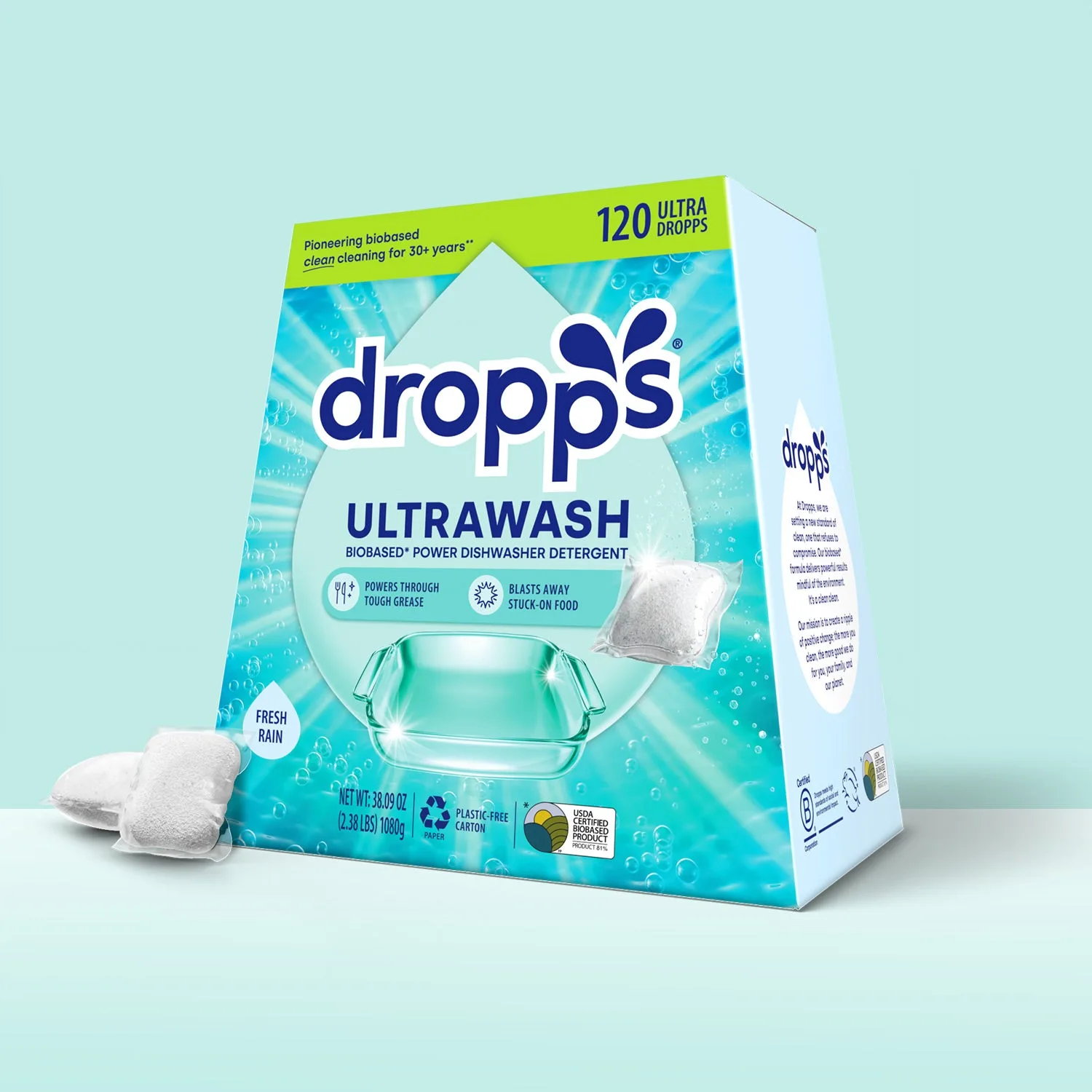
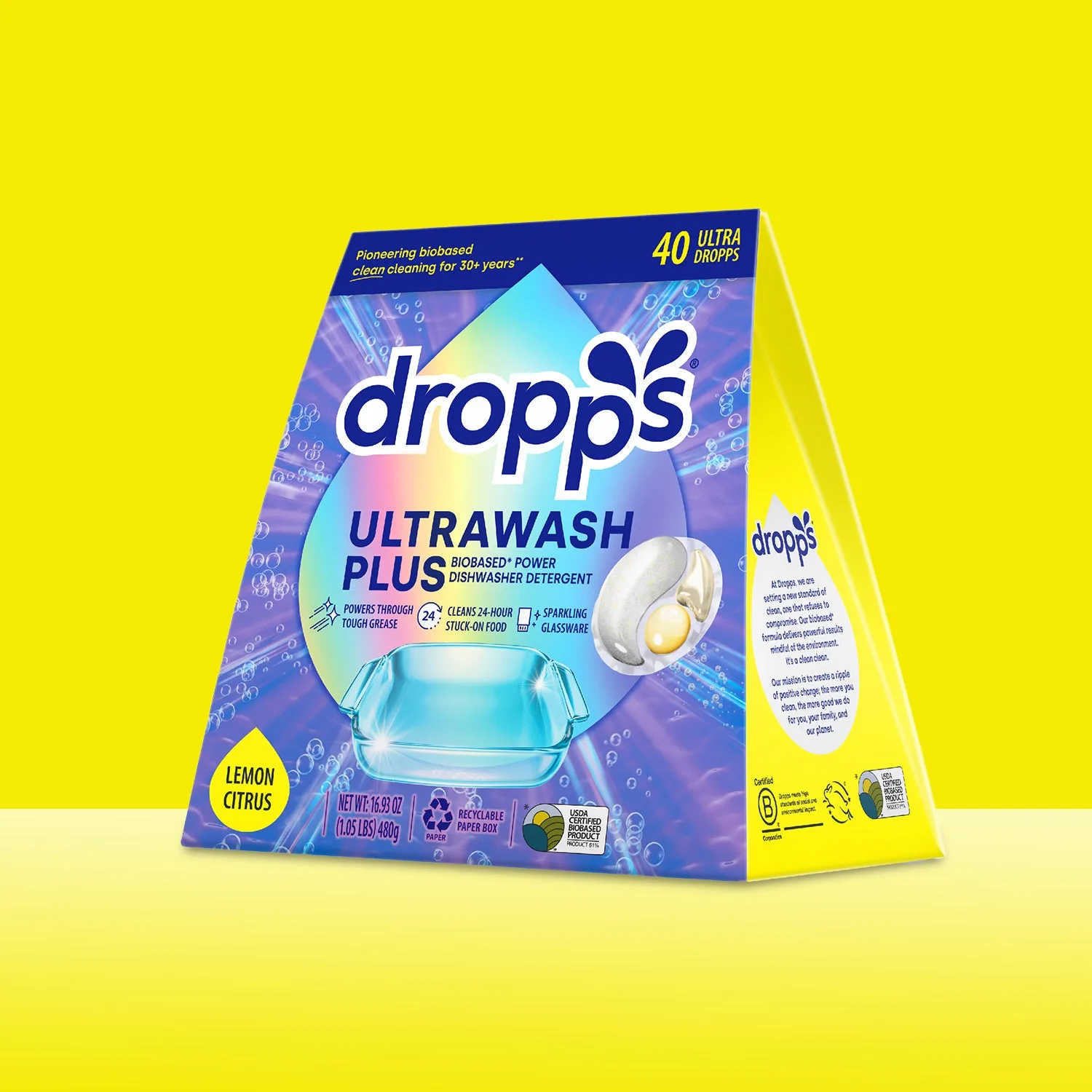
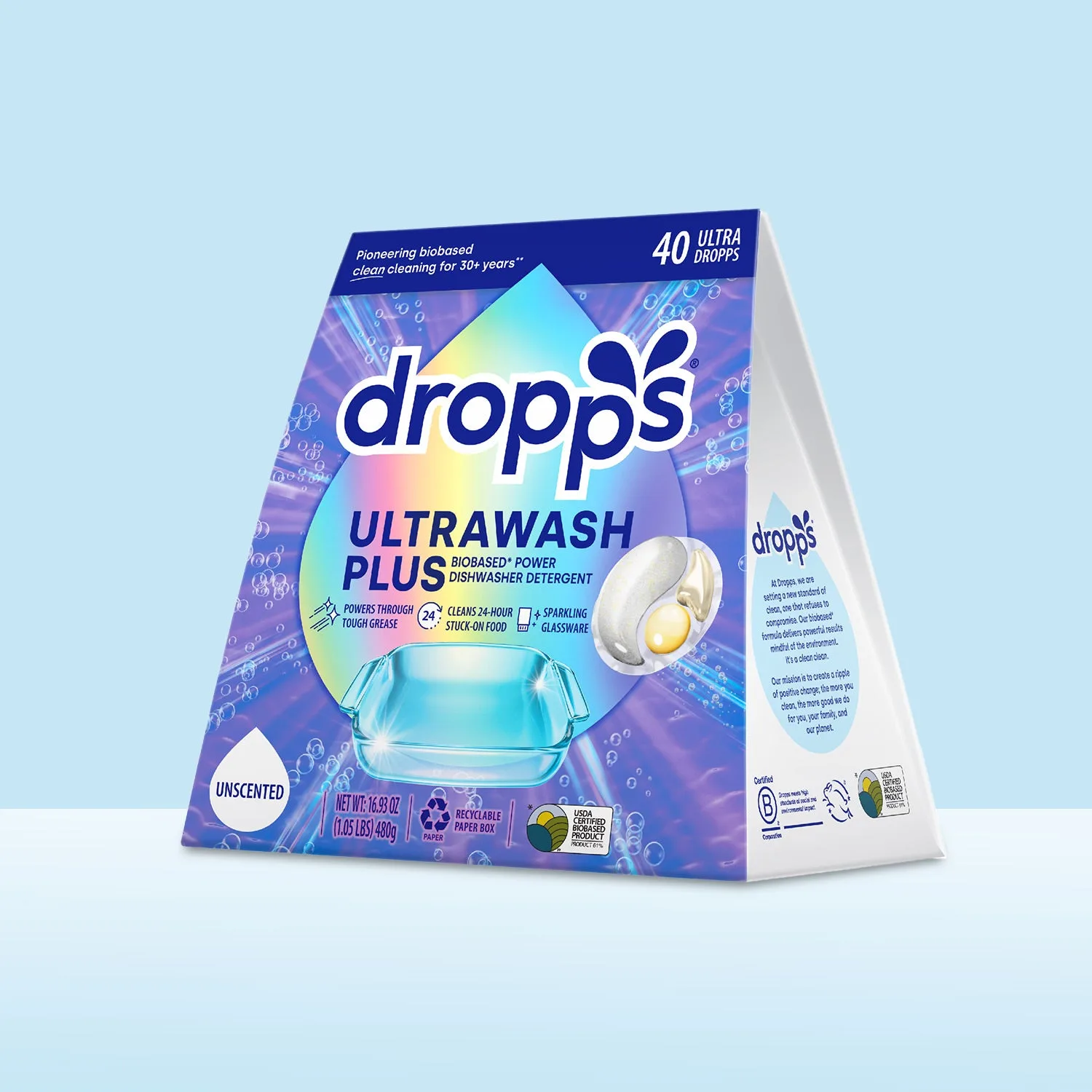
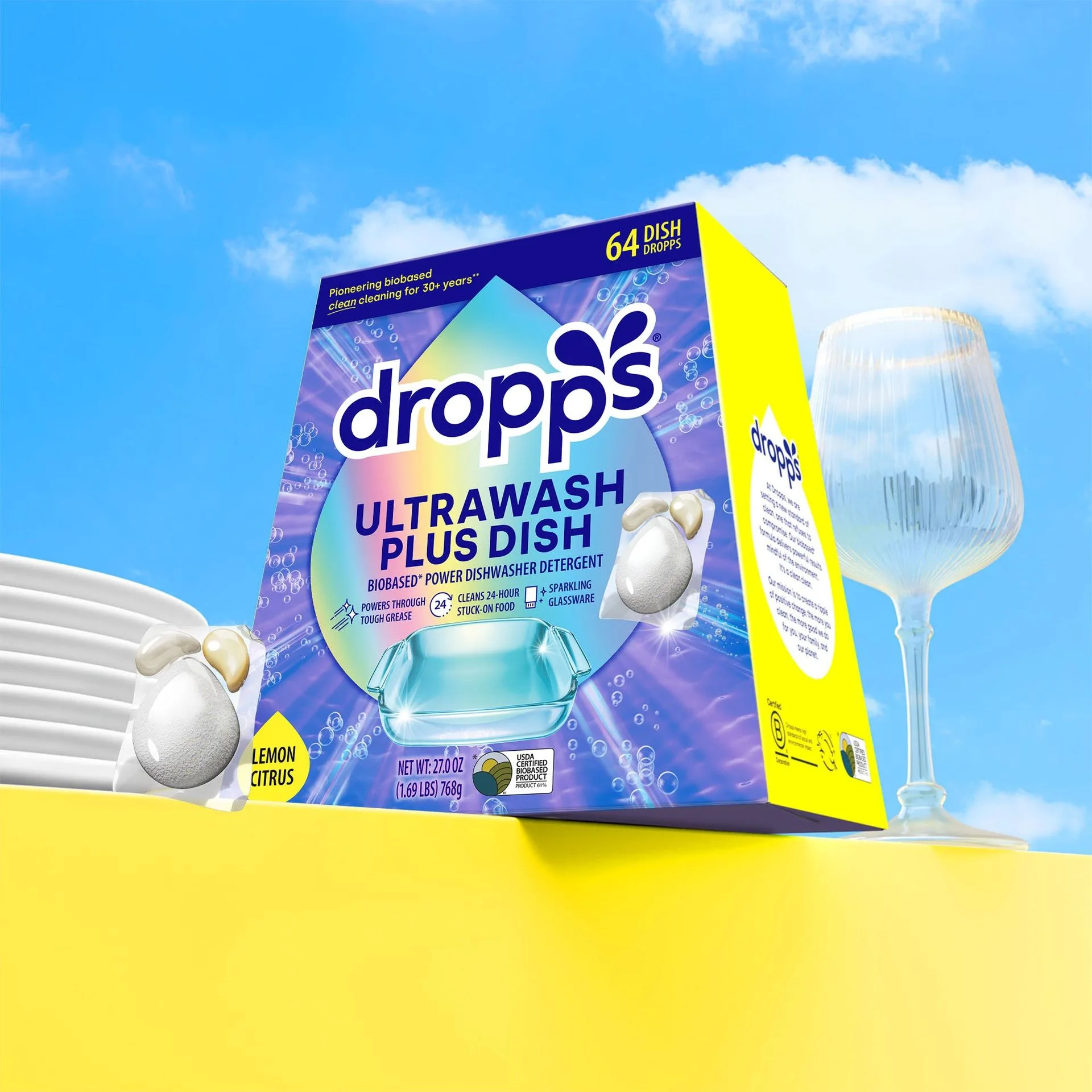
- UltraWash Plus Biobased Power Dishwasher Detergent Pods, Lemon Citrus: Triple-action dishwasher detergent pods designed to amp up food-fighting power for a sparkling clean. One pod already delivers the cleaning power for a full load, so a second pod is not needed for normal soil.