Quick answer
If your TENGA FLIP feels tacky, tighter, or less textured after cleaning, the cause is almost always leftover soap residue or a sleeve that was not fully air-dried before storage. Rinse again with lukewarm water, shake off excess, and let it air-dry fully open in a ventilated spot away from direct heat. Do not powder, oil, or heat-dry the sleeve to fix it, and stop using it if you see tears, a persistent odor, or a texture change that does not improve after one proper wash and dry.
Symptom check: sticky, tight, or dull texture
A sticky or tacky surface right after washing is the most common complaint, and it usually appears within the first few uses after a cleaning session. A tighter-than-usual squeeze or a duller texture is a different signal: the sleeve may still hold a film of cleanser, or it may have been stored while slightly damp, which changes how the material glides.
Before you change your routine, separate the two. Residue tends to feel uniform and slightly grippy across the whole inner surface. A texture that feels uneven, or a squeeze that has genuinely become firmer, points to the material itself rather than leftover soap. Firmness is also a design choice in some models, so compare against how the sleeve felt on day one, not against a different product.
Likely cause 1: soap or cleanser residue
Mild residue is the leading reason a FLIP feels different after cleaning. If you used a scented soap, a heavy hand with cleanser, or skipped a final rinse, a thin film stays behind and changes friction. The fix is a longer lukewarm rinse, not a stronger cleaner. Warm, not hot, water protects the material.
Rinse until the water runs clear and the surface no longer feels slippery from product. If the tackiness persists after one full rinse and dry cycle, repeat once. If it persists after two, stop rinsing and reassess rather than scrubbing, which can abrade the inner texture.
Likely cause 2: incomplete drying before storage
Storing a FLIP while any moisture remains is the second common cause. Trapped moisture keeps the surface slightly tacky, can encourage odor, and makes the next use feel different from the first. The sleeve needs moving air, not a towel, to dry fully.
Shake off excess water, then leave the sleeve open and upright in a ventilated area. Avoid direct sunlight, radiators, and hair dryers, since concentrated heat can distort the material. If you are short on drying time, plan your cleaning earlier in the day rather than storing damp.
- Shake, do not towel-dry, the inner surface.
- Air-dry fully open in moving air, out of direct heat.
- Wait until the surface feels dry to the touch before closing the case.
Likely cause 3: storage environment and case pressure
Even a fully dry sleeve can feel off if it is stored under compression or in a humid drawer. Cases that press the sleeve closed for long periods can leave temporary marks or a flattened texture. A cool, dry, dark spot with the sleeve not compressed is the safer default.
If your storage spot is a bathroom, humidity is the likely culprit. Move the sleeve to a bedroom drawer or a closet shelf. This single change resolves many recurring tackiness complaints without any change to your cleaning products.
When the feel change is not a cleaning problem
Sometimes the difference is not residue or moisture at all. If the sleeve has visible tears, a persistent odor that returns after a proper wash and dry, or a surface that stays tacky through two full cycles, the material has likely reached the end of its usable life. Replacing the sleeve is the honest answer at that point.
If you want a firmer, more intense feel by design rather than by accident, that is a product choice, not a maintenance fix. The FLIP ZERO Black uses firmer materials and bolder detailing for tighter squeezes and more intense suction, so a deliberate step up in firmness is available without chasing a damaged sleeve.
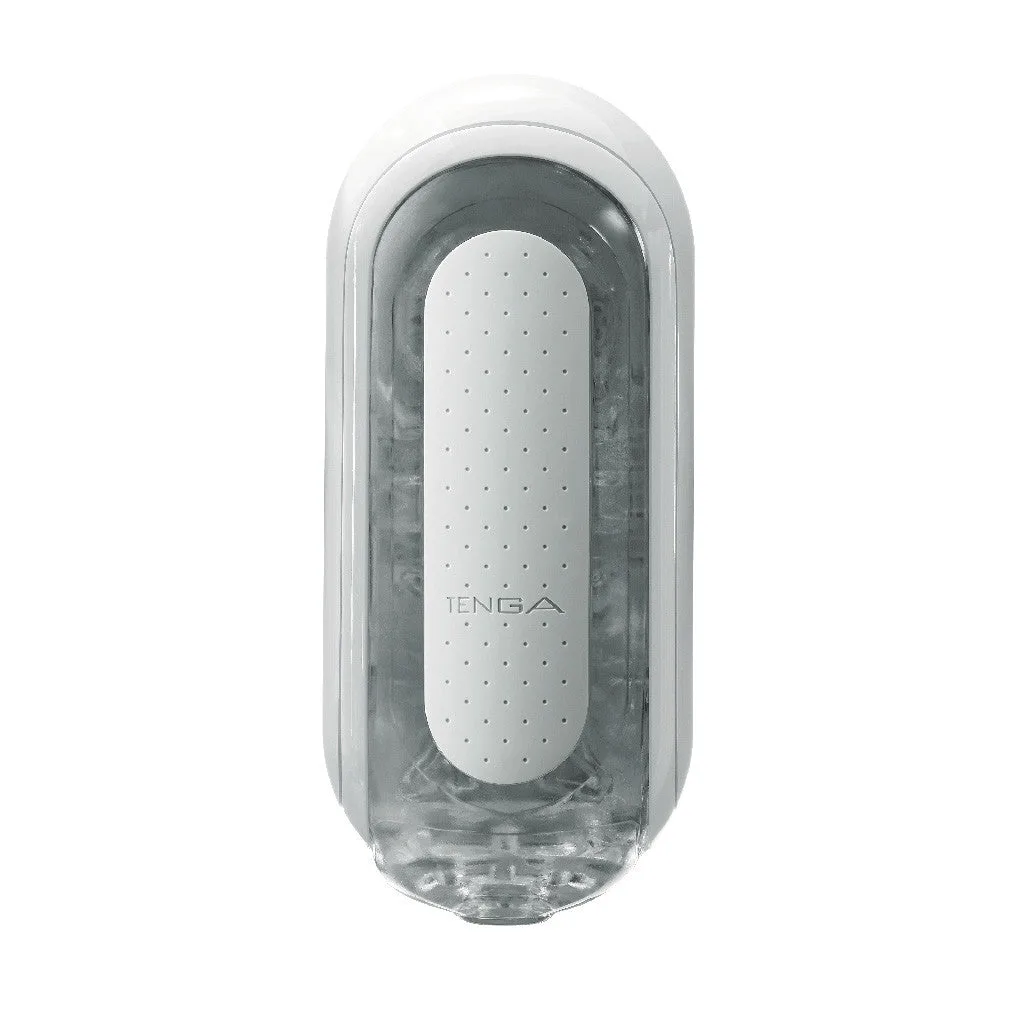
FLIP ZERO
Diagnose your FLIP in four checks
- Tacky and uniform: Rinse again with lukewarm water until clear, shake off excess, and air-dry fully open. If tackiness clears after one wash and dry, it was residue.
- Tacky only after storage: The sleeve was likely stored damp or in a humid space. Move it to a cool, dry drawer and dry longer next time. If it recurs, change the storage location before changing cleaners.
- Tighter or duller than day one: Compare against your first-use impression, not another model. Cleaning does not restore a deliberate firmness change. If you want more intensity by design, choose a firmer model rather than over-cleaning.
- Tears, odor, or no improvement: Stop using the sleeve. Two proper wash-and-dry cycles with no change means the material is done. Replace the sleeve; do not powder, oil, or heat it to compensate.
Products that match the diagnosis
- FLIP ZERO Black: FLIP ZERO Black uses firmer materials and bolder details for tighter squeezes and more intense suction. If your cleaned FLIP feels too soft rather than sticky, this is the intentional upgrade path instead of trying to restore firmness through cleaning.
- SUPER TENGA STORM CRASH: SUPER TENGA STORM CRASH features continuous ribs and precisely placed protrusions for a dense, wavy texture. A low-commitment way to compare texture intensity while you decide whether your reusable sleeve needs replacing.