Quick answer
Most adult dogs produce two to three bowel movements a day, so one dog needs roughly 60 to 90 bags a month, or about 730 to 1,100 bags a year. Buy in bulk once you know that number, then keep a small working stash on the leash and the rest stored dry and out of sunlight.
The per-day math, and why it beats guessing
Count your dog's actual bowel movements for three normal days, then average them. Puppies, seniors, and dogs on high-fiber diets often land at three or four; a settled adult on a consistent diet usually sits at two. Multiply that daily number by 30 for a monthly figure, then by 12 for the year. A two-per-day dog needs about 60 bags a month; a three-per-day dog needs about 90. Add roughly 10 percent for the walks where you bag a second time or double-bag a messy pickup. This is the number that tells you whether a 100-count box lasts six weeks or six days.
How to size a bulk dog waste bag order
Once you have a monthly figure, round up to the nearest pack size you can actually store. A single dog at 60 to 90 bags a month fits comfortably in a 1,000-count bulk box that lasts about a year; a two-dog household at 120 to 180 bags a month should look at the largest pack available or plan to reorder twice a year. Check that the bags are large enough for your dog's output before committing to a big box, because a bag that is too small wastes two bags per pickup. Also confirm the roll or sleeve format fits the dispenser you already clip to the leash, so you are not buying a bulk box that only works with a different holder.
Where to keep them so you do not run out
Split your supply into three places: a full roll on the leash, a spare roll in your coat pocket or car, and the bulk box at home. Heat and direct sun make thin plastic brittle, so keep the bulk box in a closet rather than a garage shelf or a car trunk through summer. If you walk the same route daily, leave a small sealed bag of refills in your building's entry area or by the front door. The goal is that refilling the leash dispenser takes seconds, because the moment you notice an empty dispenser is usually the moment your dog is already squatting.
Dog walking supplies that pair with a bag habit
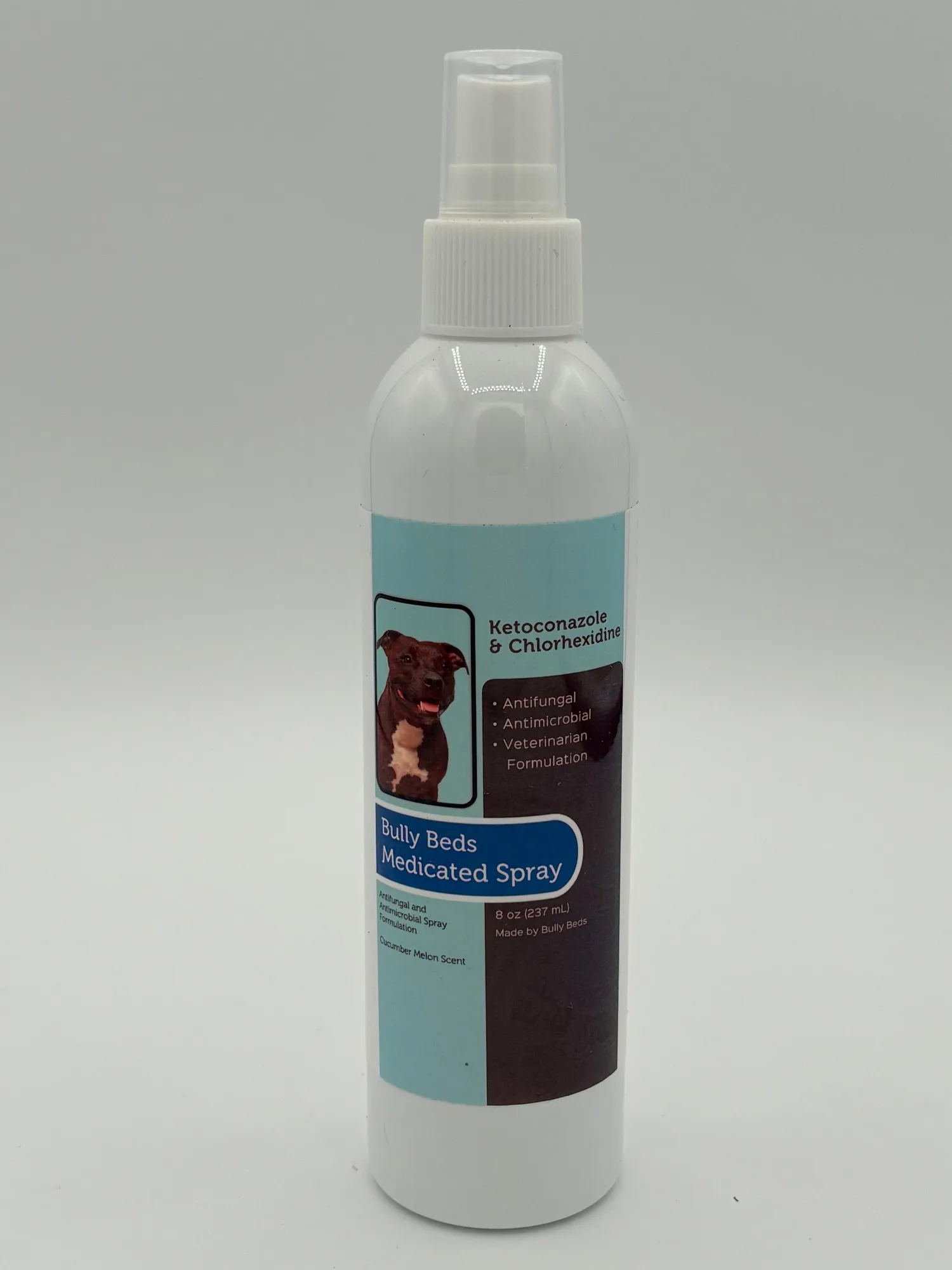
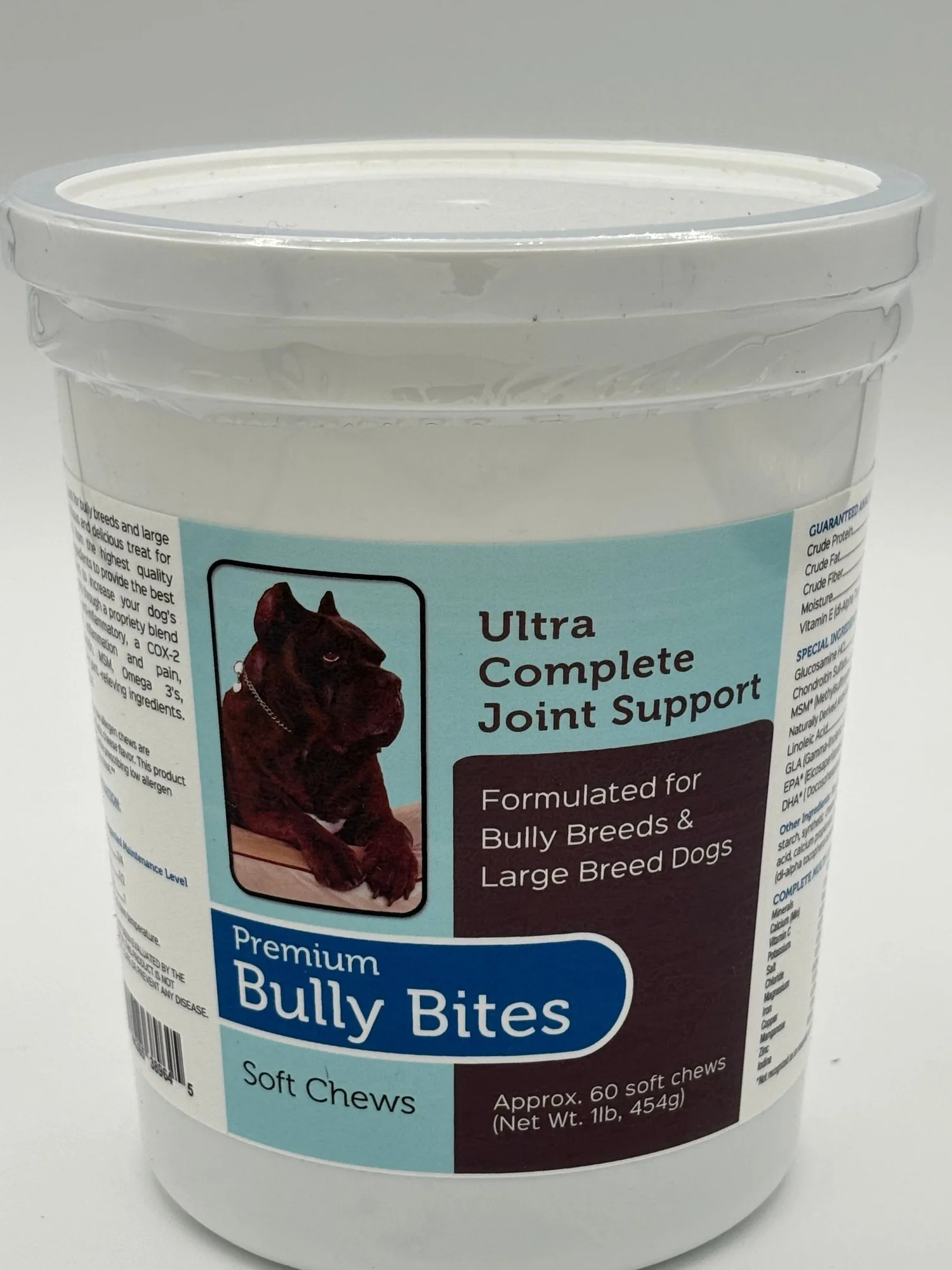
Bags solve the pickup, but a walk with a large dog often needs a second thing in your hand or pocket. A joint supplement is a common add-on for big breeds that log daily miles, and a medicated spray earns its place in the kit during hot-spot season. Neither replaces bags, but both are the kind of item people buy at the same time as a bulk bag order, so it is worth deciding once rather than making three separate trips.
Quick answers to common bag questions
How many poop bags does one dog use per month?
Multiply your dog's average daily bowel movements by 30, then add about 10 percent. Two per day works out to roughly 66 bags a month; three per day to about 99. Round up to the next pack size rather than buying exactly to the number.
Is it cheaper to buy bulk dog waste bags?
Yes, per-bag cost drops as pack size grows, and a year's supply for one dog is small enough to store in a single closet shelf. Confirm bag size and dispenser fit before committing to a large box.
Do mutt mitt bags work for large dogs?
They do, provided the bag opening is wide enough to cover your hand and the waste in one scoop. If you need two bags per pickup, the bag is too small for your dog. Test one roll before buying a case.
How many bags should I carry on a single walk?
Carry at least two per dog, even on a short loop. A second bag costs nothing and covers a surprise second stop or a bag that tears. Refill the leash dispenser the moment you get home, not the next time you leave.
Where should I store a bulk box of bags?
A cool, dark closet. Heat and direct sunlight make thin plastic brittle, and brittle bags tear at the worst moment. Keep the bulk box indoors and only a small working roll in the car.
Products worth knowing about
- Bully Bites Joint Supplements for Dogs: Bully Bites soft chews are made for bully breeds and large breed dogs, with a blend built around Rimoxen, a naturally derived anti-inflammatory, and a Cox-2 inhibitor. If your large dog walks several miles a day, a joint chew is a sensible companion purchase to a bulk bag order rather than a separate errand.
- Medicated Ketoconazole Spray for Dogs: This alcohol-free antiseptic spray is formulated for dogs, cats, and horses with dermatological conditions responsive to chlorhexidine and ketoconazole, including hot spots and yeast infections. Hot spots show up in warm months when walk frequency peaks, so keeping a spray in your walking kit saves a trip once irritation starts.