Quick Answer
For most 2-year-olds, aim for sets of roughly 10 to 20 chunky, easy-to-grasp pieces; for ages 3 to 5, 30 to 75 pieces works well when the set has a clear play pattern like sorting, stacking, or counting. The real test isn't the number on the box—it's whether your child can use most of the pieces without your help and whether the set stores in one container.
Why Piece Count Is a Weak Buying Signal
A 75-piece set and a 20-piece set can teach the same skills if the extra pieces are duplicates. What changes with a higher count is usually duration of play, number of players, and cleanup load. A set only earns its shelf space when the pieces share one play pattern—stacking, sorting, lacing, counting—so your child can move between them without new instructions.
Before buying, ask two questions: Can my child pick up and place one piece independently? Does every piece have a job in the same activity? If the answer to either is no, a smaller set will get more use.
How Many Pieces by Age
These ranges are starting points, not rules. Watch how your child plays for a week before sizing up or down.
- Age 2: 10–20 oversized pieces. Grasping and stacking are the whole activity, so pieces must be big enough for small hands.
- Age 3: 20–40 pieces once sorting and simple matching appear.
- Ages 4–5: 40–75 pieces if the set supports counting, patterns, or building with a clear end goal.
- Mixed ages: choose the younger child's range and let the older child use the same pieces for harder tasks like counting or patterning.
Toy Rotation: The Cheapest Way to Refresh Any Set
You rarely need more pieces—you need fewer pieces visible at once. Split one large set into two or three smaller bags and rotate them weekly. A 33-piece peg set becomes three fresh activities instead of one overwhelming pile, and a 75-piece sorting set can rotate by color group.
Store the out-of-rotation bags out of sight. When a bag returns, the pieces feel new again, which stretches attention and reduces the urge to buy another set.
Preschool Toy Storage Tips That Survive Real Life
Match the container to the play pattern, not the piece count. Open bins work for chunky pieces a toddler dumps and rebuilds; divided trays work for sorting sets with many small parts; zip pouches work for rotation bags.
Label with a picture of the set, not just words, so a pre-reader can clean up independently. If a set needs more than one container, it's a sign the piece count has outgrown your child's current play.
Toddler Toy Set Piece Count FAQ
Is more pieces always better?
No. Extra pieces only help if they extend the same play pattern. Duplicates add cleanup without adding learning. Choose the smallest set that covers the skill you want to practice.
How do I know my child is ready for a bigger set?
Watch for independent sorting, matching, or stacking with the current set. If your child finishes the activity quickly and looks for more, size up. Readiness shows up as boredom with the current challenge, not age alone.
What if pieces get lost?
Losing a few pieces is normal. Sets with a clear play pattern survive loss better than sets where every piece is unique and required. Favor sets where remaining pieces still work together.
How often should I rotate toy sets?
Weekly or every two weeks works for most toddlers. Rotate sooner if interest drops, later if play is still deep. Rotation is about attention span, not a calendar.
Do I need a separate storage bin for every set?
No. One bin per active set is enough; store rotated sets together out of reach. Picture labels help toddlers clean up without reading. If a set needs two bins, it's too big for now.
Three Sets, Three Piece-Count Lessons
- Sensory Peg Board 33 Piece Set - Montessori Occupational Therapy Toys for Kids & Toddlers 2+: The Sensory Peg Board 33 Piece Set uses oversize pegs that are easy for small fingers to grasp and stack on the pegboards or into towers. A 33-piece count works at age 2 because every piece is graspable and serves the same stacking activity—no tiny extras to lose or choke on.
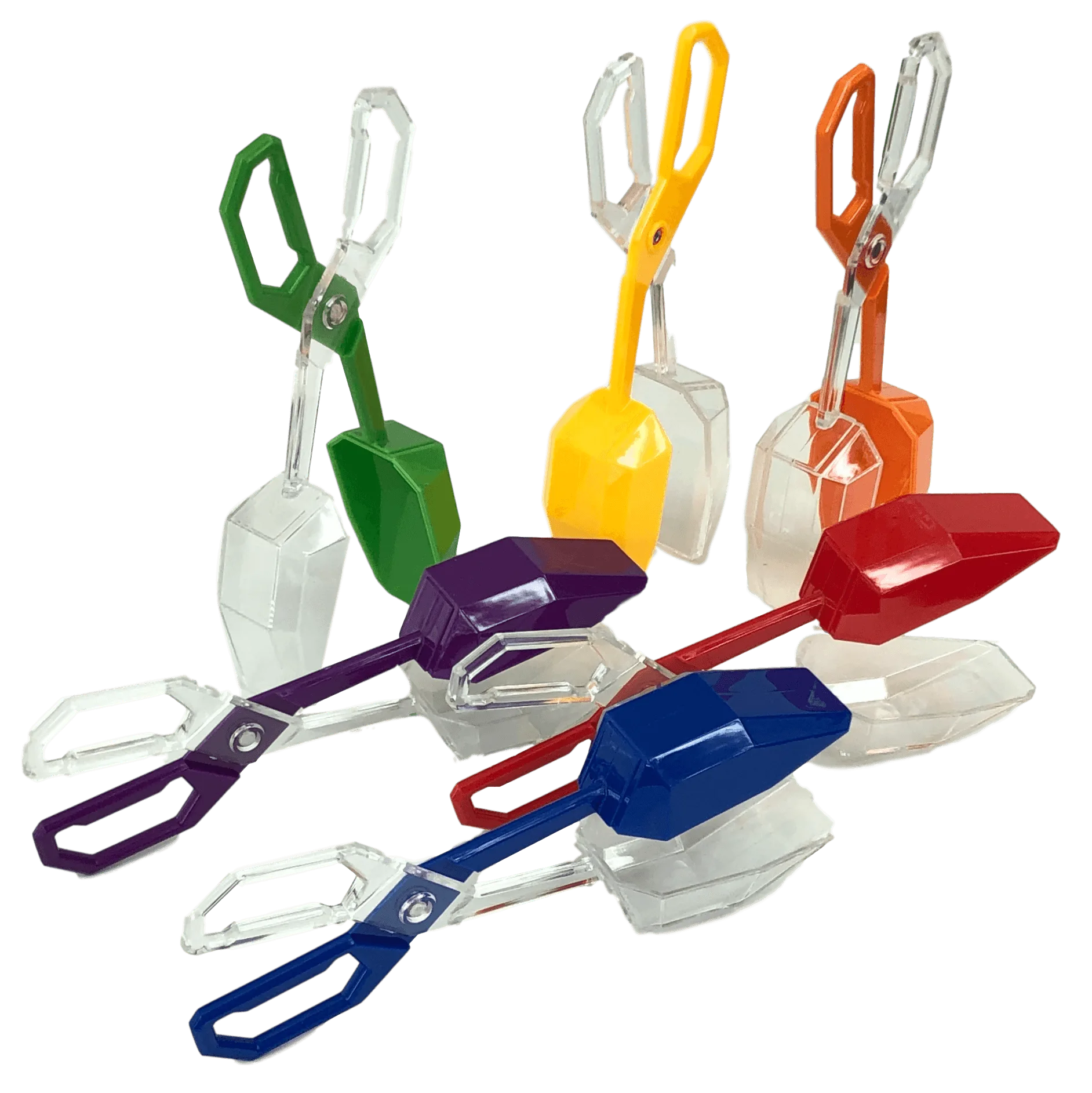
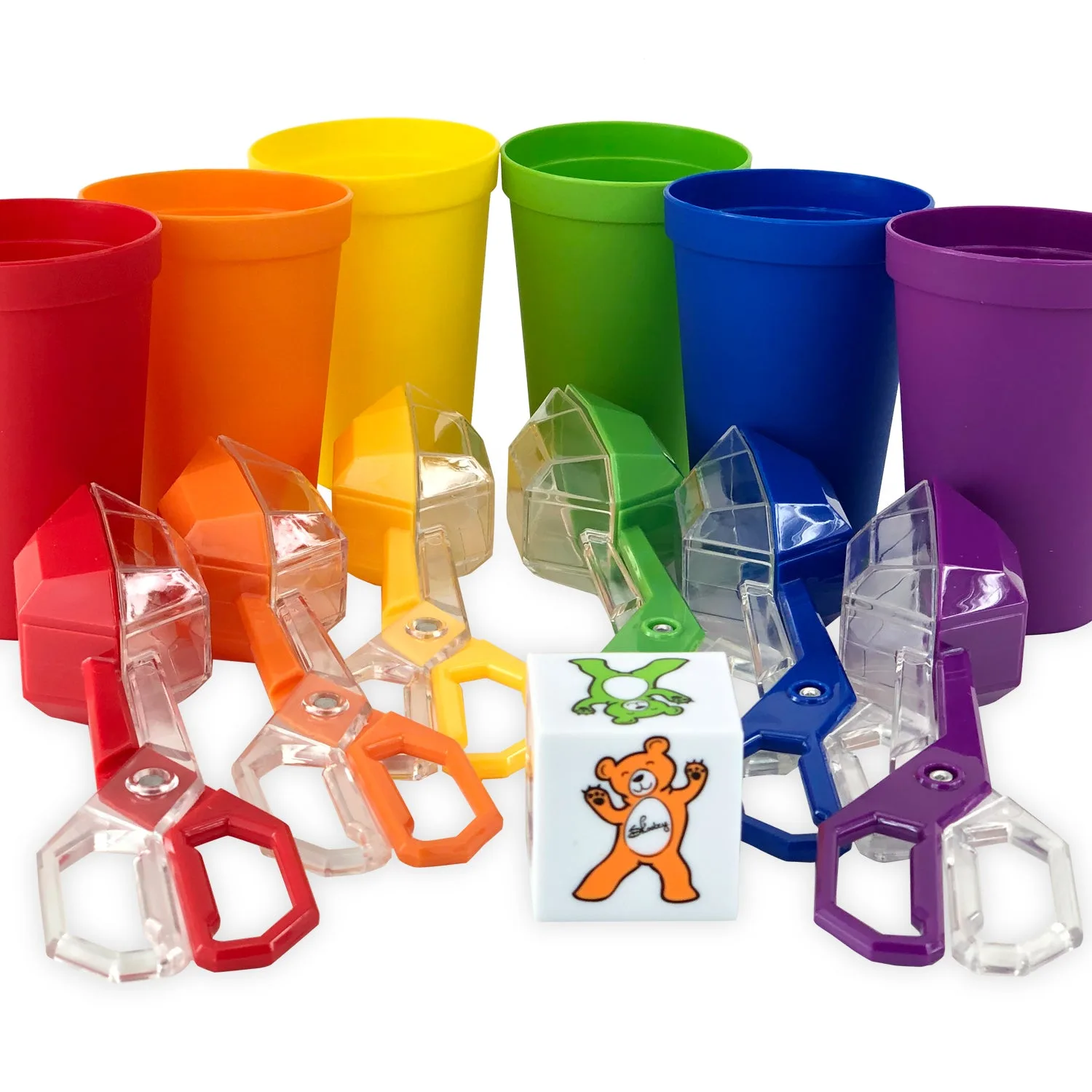
- Fine Motor Skills Toys - Color Sorting Toys for Toddlers Tools Set - Sensory Bin Rainbow Cups, Dice and Scoop Tongs for Kids Montessori Materials Ages 3+: The Fine Motor Skills Tools Set includes rainbow cups, dice, and scoop tongs for picking, scooping, and sorting, and it can also be used with small objects you already own, such as beads, buttons, or blocks. This set shows that piece count isn't fixed: you can expand the activity with household items or keep it small for a first sorting experience.
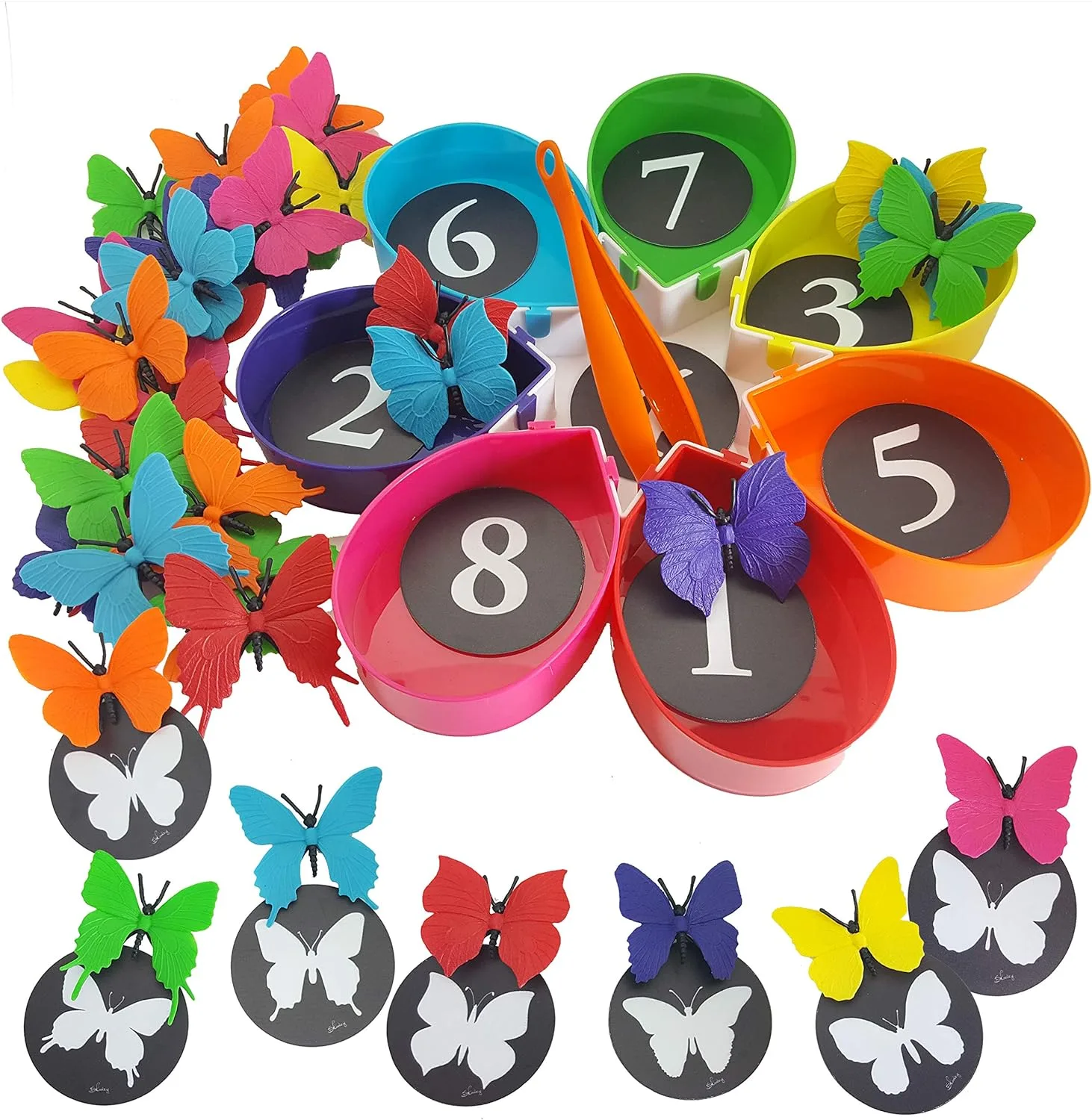
- Butterfly Color Sorting 75 Piece Toys_and_Games Set, Counting Learning Activities for Toddlers & Preschool Educational Toys for Toddler: The Butterfly Color Sorting 75 Piece Set has interlocking petals, butterfly shapes, and number cards for color matching, counting, and simple math equations. A 75-piece set earns its size at ages 2–5 because the pieces support several linked activities—building the garden, matching, and counting—so play grows with the child.