Quick answer
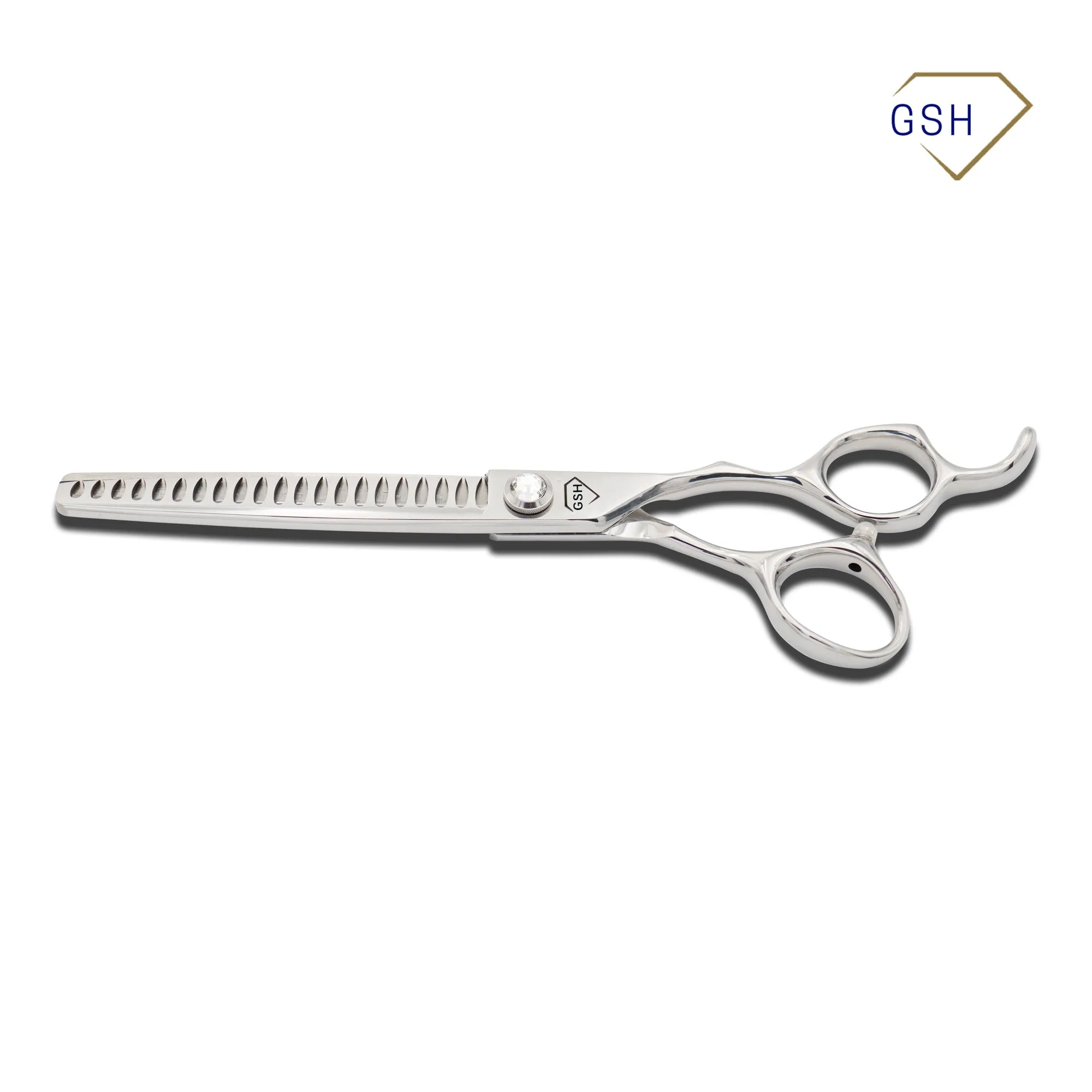
Replace clipper blades when a clean, oiled blade still pulls, snags, or leaves track marks, and replace grooming shears when they fold hair instead of cutting or need constant tension adjustment. In a busy salon, expect to sharpen or replace blades every 4-8 weeks of regular use and shears every 6-12 months.
What actually shortens blade and shear life
Blade and shear life is not just about hours used. The biggest wear factors are how clean the coat is, how much grit and sand is in it, and how often the cutting surfaces are oiled. Dirty coats act like sandpaper between the cutter and comb, and dry blades run hot, which dulls the edge faster.
Shears wear differently. Drops, cutting through mats, and using them on dirty or wet coats knock the edges out of alignment. A shear that has been dropped once can cut worse than one that has done months of clean work. Keep a towel and a small brush at the station so hair and grit do not get pushed into the pivot.
Signs clipper blades are dull, not just dirty
Before you replace a blade, clean and oil it, then test it on a clean patch of coat. If it still pulls, leaves lines, or needs extra pressure to move through the hair, the edge is the problem, not the technique.
A blade that is hot to the touch, chatters, or leaves a patchy finish is telling you the cutter is worn or the comb is misaligned. If the blade cuts well for a few minutes after oiling and then starts dragging again, the edge is failing and sharpening or replacement is due.
How long do dog grooming blades actually last?
There is no single number because coat type, prep, and blade size all change the answer. A blade used on clean, well-brushed coats can go longer between sharpenings than one used on dirty or matted coats. Fine blades that cut closer tend to dull faster than wider, longer-cutting blades because more of the edge contacts hair and skin.
Use a simple log: note the date a blade starts pulling and how many grooms it has done. After two or three cycles you will know your own replacement rhythm instead of guessing from a general rule.
Sharpening vs replacing clipper blades
Sharpen when the blade body, comb, and cutter are intact and only the edge has dulled. Replace when the comb teeth are bent, the cutter is chipped, the blade has been sharpened so many times the teeth are short, or the blade runs hot even when clean and oiled. Sharpening a blade with damaged teeth wastes money because it will not sit flat against the skin.
Keep one spare blade per size you use most. That way a dull blade goes into the sharpening pile instead of forcing you to rush a finish with a blade that is pulling.
A realistic grooming shear maintenance schedule
Wipe shears after every groom, oil the pivot weekly, and check tension before each busy day. Store them closed in a case or holster, not loose in a drawer with clippers and combs. Once a month, test them on a clean section of coat and listen for a crisp cut instead of a tearing sound.
If you groom full time, plan on professional sharpening or replacement every 6-12 months, sooner if you cut through mats or drop them often. Keep a backup pair so a dull or damaged shear never ends a groom early.
FAQ: replacement and care questions
How often should I replace grooming shears?
Replace when they fold hair, need constant tension adjustment, or have been dropped. Full-time groomers usually sharpen or replace every 6-12 months. Keep a backup pair so a dull shear never stops a groom.
When should I replace clipper blades instead of sharpening?
Replace if teeth are bent or chipped, the blade runs hot after cleaning and oiling, or it has been sharpened so often the teeth are short. Sharpening is for worn edges, not damaged blade bodies.
What are the first signs clipper blades are dull?
Pulling, snagging, track marks, and needing extra pressure to move through the coat are the earliest signs. Test on a clean patch after oiling to confirm. If oiling fixes it for only a few minutes, the edge is done.
Does coat condition change blade lifespan?
Yes. Dirty, sandy, or matted coats wear edges much faster than clean, brushed coats, so prep work directly extends blade life. Bathe and brush out grit before clipping whenever possible.
What is a simple grooming tool maintenance schedule?
Oil blades before and after each use, wipe shears after every groom, oil shear pivots weekly, and check tension before busy days. A one-minute daily routine delays replacement more than any single product.
Blade facts that affect replacement timing
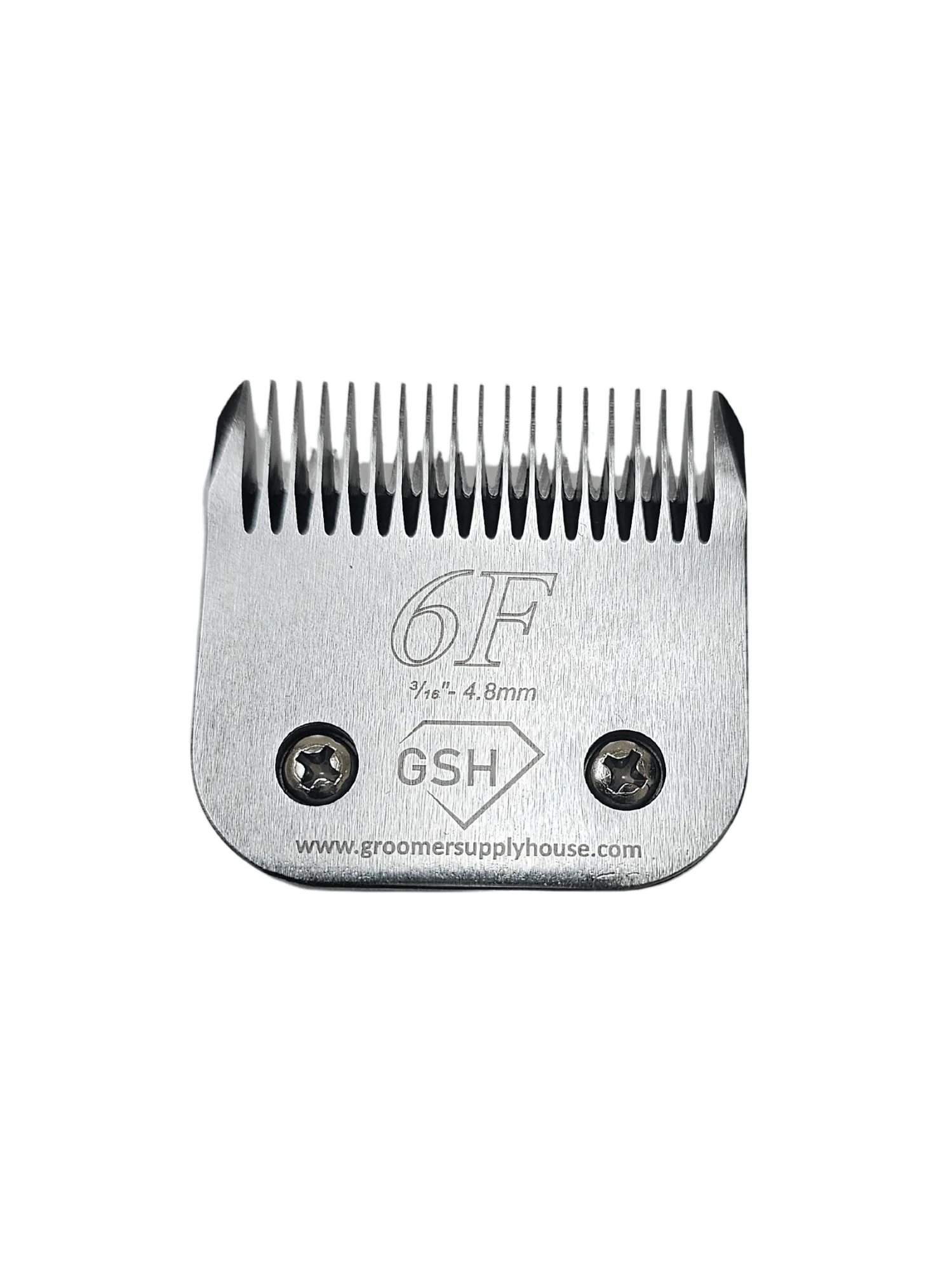
- GSH #6F: The GSH #6F delivers a 3/16 inch (4.8mm) cut length and is compatible with standard clipper models. A shorter cut length means more edge contact with the coat, so check this blade for pulling sooner if you use it for close finishes.
- GSH #4F: The GSH #4F provides a 3/8 inch (9.6mm) cut length and is made by Groomer Supply House for professional grooming use. A medium-length blade is a practical everyday workhorse, so keeping a spare on hand reduces downtime when one goes out for sharpening.
- Blue Paw Print Waterproof Dog Bathers Apron: The Blue Paw Print Waterproof Dog Bathers Apron is bleach resistant and hair repellent with an adjustable neck band and tie belt. Protecting your clothes during bath and prep keeps grit and hair off your station and reduces how often blades and shears pick up abrasive debris.