Quick answer
Replace your rotary blade after roughly 8 to 12 hours of cutting, or sooner if it starts skipping threads or leaving fuzzy edges. Change your sewing needle every 6 to 8 hours of stitching, or at the start of each new project. Both are wear items, not permanent tools, and fresh edges prevent skipped stitches, snagged fabric, and uneven seams.
A rotary cutter that suddenly needs two passes through the same strip, or a sewing machine that starts skipping stitches mid-seam, is usually telling you the same thing: the cutting edge is gone. Rotary blades and sewing needles are the two fastest-wearing parts in a sewing room, yet they are also the easiest to ignore because they rarely break outright.
The honest answer is that there is no single number of projects or months that fits every sewer. Fabric type, cutting surface, stitch speed, and how you store your tools all change the timeline. The habits below help you judge wear by what you see and feel, so you replace these parts before they ruin fabric or a quilt top.
How long does a rotary blade actually last?
Most rotary blades stay sharp for about 8 to 12 hours of active cutting on cotton quilting fabric. That sounds short, but it adds up quickly: cutting a full jelly roll or layer cake into strips can eat an hour or more in one sitting. Batting, denim, canvas, and anything with sizing or glitter wears the edge faster and can cut that window in half.
A self-healing cutting mat matters too. A mat that is deeply scored or gritty forces you to press harder, which dulls the blade and makes wobbling more likely. If you cut on a hard surface or a worn mat, expect to replace the blade sooner than the hours suggest.
- Track cutting time loosely in your head or a notes app; most sewers overestimate blade life.
- Rotate the blade slightly in the cutter if your model allows it, so a fresh section of edge does the work.
- Replace the blade before cutting a special fabric you cannot easily replace.
What are the signs of a dull rotary blade?
The clearest sign is that the cutter skips or drags instead of rolling smoothly. You may see fuzzy, frayed edges on strips that used to come out clean, or the blade may push the fabric instead of slicing it. If you find yourself pressing down hard or making a second pass over the same line, the edge is done.
Another sign is a wavy or curved strip when you meant to cut straight. A dull blade deflects against the fabric and wanders, and no amount of ruler pressure fixes it. If you see any of these, stop cutting and swap the blade rather than risk a whole stack of mis-sized pieces.
- Fuzzy edges and skipped cuts are the two most reliable dull rotary blade signs.
- If the cutter needs extra pressure to get through one layer, the blade is already past its best.
- Keep a spare blade on hand so you never finish a project with a worn edge.
How often should you change a sewing needle?
Change your sewing needle every 6 to 8 hours of stitching, or at the start of each new project if you would rather not track hours. Natural fibers like cotton and linen are gentle on needles, while knits, denim, and anything with fusible interfacing or adhesive residue wear the point and coating faster. A needle that has sewn through a heavy project is not the same needle that should piece delicate quilt blocks.
Needles also dull when they hit pins. If you sew over pins, you are nicking the point each time, which creates burrs that snag fabric. A burr is often invisible, but you will feel a tiny pull or hear a faint tick as the needle passes through the fabric.
- Start a new project with a new needle; it is the cheapest insurance in the sewing room.
- Match the needle type to the fabric, not just the size, so it lasts as long as possible.
- If you sew over pins, inspect the needle for burrs before your next project.
What are the signs a sewing needle needs replacing?
Skipped stitches are the classic signal, especially when the thread, tension, and bobbin are all correct. You may also hear a thumping or popping sound as the needle enters the fabric, or see small snags and pulls in the weave. A bent needle is easy to spot against a flat surface, but a dull or burred needle usually is not.
If the machine suddenly starts shredding thread or leaving tiny holes in knit fabric, try a fresh needle before you adjust tension or rethread. Many tension problems and skipped stitches disappear with a new needle, which is why it belongs at the top of the troubleshooting list.
- Hold a needle up to a light; a bent tip or a dull point shows as a slight hook or flat spot.
- Run a fingernail along the point to feel for burrs, but be careful not to cut yourself.
- When in doubt, replace it. A needle costs far less than the fabric it might damage.
Does fabric type change the replacement schedule?
Yes, and it is the biggest variable most sewers overlook. Quilting cotton is the gentlest common fabric, so blades and needles last longest on it. Flannel, linen, and homespun have more lint and texture, which dulls edges faster. Denim, canvas, cork, and faux leather can wear a needle down in a single project.
Batting and fusible fleece are hard on rotary blades because they compress and drag rather than slice cleanly. If you cut a lot of batting, keep a dedicated blade for it and change that blade more often. The same logic applies to needles: keep a heavy-duty needle for structural sewing and a fresh sharp for piecing.
- Use one blade for paper or templates and another for fabric; paper dulls blades quickly.
- Label or separate needles by project type so you do not mix worn and fresh ones.
- Expect to replace both tools more often if you sew primarily with heavy or textured fabrics.
How should you care for rotary blades and needles between changes?
Store rotary cutters with the blade retracted or in a case, and keep the blade away from moisture to reduce rust. Wipe lint and adhesive residue off the blade with a dry cloth or a little rubbing alcohol, then dry it completely. A clean blade cuts with less pressure, which also helps it last longer.
For needles, keep them in their original case or a pincushion designated for used needles so you never mix a worn needle back into your fresh supply. Change the needle when you change the blade, and both tasks stay on the same mental checklist. That pairing is the simplest way to remember rotary blade and needle care without tracking hours.
- Retract or cover the blade every time you set the cutter down.
- Keep a small container for used needles so they do not end up in your fabric.
- Pair blade and needle changes so neither gets forgotten for months.
Quick replacement reference
Rotary blade on quilting cotton
Replace after about 8 to 12 hours of cutting, or when strips come out fuzzy or need a second pass. Keep a spare blade so a dull edge never stalls a project.
Rotary blade on batting or heavy fabric
Replace sooner, often after 4 to 6 hours, because these materials drag and compress instead of slicing cleanly. Use a dedicated blade for batting and change it more often.
Sewing needle on light and medium fabric
Change every 6 to 8 hours of stitching, or at the start of each new project. A fresh needle is the first fix for skipped stitches and thread shredding.
Sewing needle on denim, canvas, or knits
Replace after a single heavy project, or sooner if you hear thumping or see snags in the fabric. Match needle type to fabric and retire it when the project ends.
Tools that make blade and needle changes easier
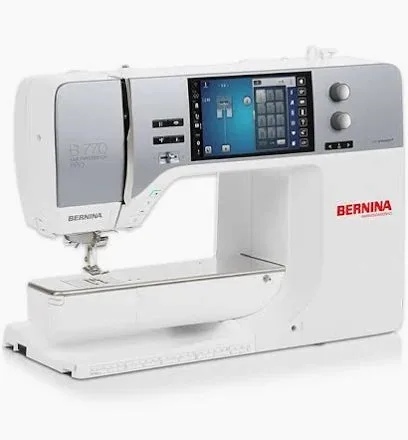
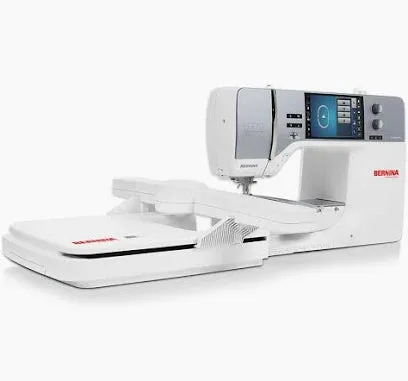
- https://colibrisewings.com/products/bernina-770-qe-pro-e-2c707d56d2992ba1c7112c79-1322192BERNINA 770 QE Pro E: The BERNINA 770 QE Pro E combines professional-grade quilting precision with large-format embroidery power. If you quilt and embroider on one machine, needle wear comes from two very different jobs, so a fresh needle before each session protects stitch quality on both.
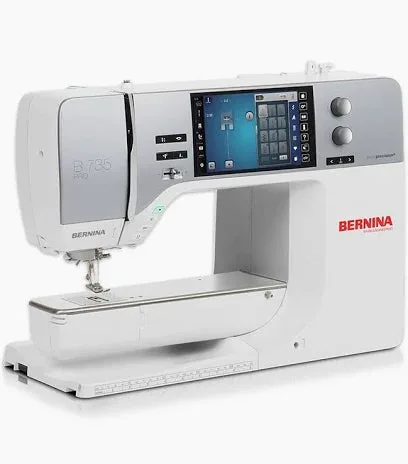
- BERNINA 735 Pro: The BERNINA 735 Pro is a high-speed, sewing-only machine built for stitch quality and performance. High-speed sewing puts more stress on a needle, so frequent needle replacement matters even more if you sew garments or long seams at speed.
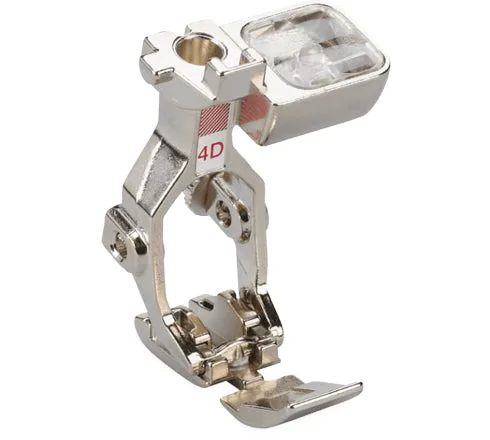
- #4D BERNINA Zipper Foot: The BERNINA #4D Zipper Foot has an adjustable guide for precise needle positioning left or right of the zipper. A foot that lets you sew close to zipper teeth and piping reduces the temptation to force the needle, which helps it stay straight and sharp longer.
Treat rotary blades and sewing needles as consumables with a short working life, and judge them by cut quality and stitch quality rather than by calendar dates. When a blade drags or a needle skips, replace it immediately. That one habit protects your fabric, your machine, and the finished project.