Quick Answer
Most tea infusers and teaware can last for years with proper care, but you should replace them when you notice visible wear, stubborn stains, off flavors, or damage like cracks. As a general rule, inspect your infuser every 6 to 12 months and upgrade sooner if it no longer brews cleanly.
Your favorite ceramic mug or glass teapot might feel like an old friend, but even the sturdiest teaware eventually shows its age. Knowing when to replace your tea infuser and other brewing tools keeps every cup tasting fresh and prevents tiny fragments of metal or glaze from ending up in your tea.
This guide covers the practical signs that it's time for a replacement, plus simple care habits that can stretch the life of your infusers, mugs, and teapots. You'll also learn what to look for when choosing durable replacements that fit your brewing style.
Signs Your Tea Infuser Needs Replacing
Tea infusers work hard: they hold leaves, strain fines, and get washed repeatedly. Over time, stainless steel baskets can develop tiny rust spots, especially if they've been scratched or left wet. If you see rust, pitting, or a metallic taste in your tea, replace the infuser immediately—rust isn't safe to consume.
Another common issue is clogging. Fine mesh can become blocked by tea dust and mineral deposits, making it harder for water to circulate. If a thorough soak in white vinegar doesn't restore flow, the infuser's performance is compromised. Similarly, if the lid or handle becomes loose or the basket no longer sits securely in your mug, it's time for a new one.
- Check for rust or discoloration every few months.
- If tea leaves escape through the mesh, the infuser is worn out.
- A lingering odor that persists after cleaning is a red flag.
When to Replace Ceramic and Glass Teaware
Ceramic mugs can develop hairline cracks from thermal shock—like when you pour boiling water into a cold mug. Cracks not only weaken the piece but can harbor bacteria. If you see any crack, chip, or crazing (fine network of lines in the glaze), retire the mug. The same goes for glass teapots: any nick or crack means it's time to stop using it, as it may shatter during brewing.
Even without visible damage, teaware can absorb odors and stains over time. If your ceramic mug or glass pot smells musty even after a baking soda scrub, it can affect your tea's flavor. For glass that's become cloudy or etched from hard water, you can try a vinegar soak, but if it doesn't clear up, replacement is the best option.
- Inspect your teaware monthly for cracks or chips.
- Avoid sudden temperature changes to prevent thermal shock.
- Hand-wash ceramic and glass items to extend their life.
Maintenance Tips to Extend Teaware Lifespan
Proper care can keep your infuser and teaware in good shape for years. For ceramic tea mugs, hand washing is recommended to protect the reactive glaze and prevent scratching. Use a soft sponge and mild dish soap, and dry immediately to avoid water spots. Avoid abrasive cleaners that can wear down the finish.
Glass teapots benefit from gentle handling too. Many are dishwasher safe, but hand washing is gentler. For the Casaware Glass Teapot, use a soft cloth and avoid metal scrubbers that can scratch the double-wall borosilicate glass. Always let the pot cool before washing to prevent thermal stress.
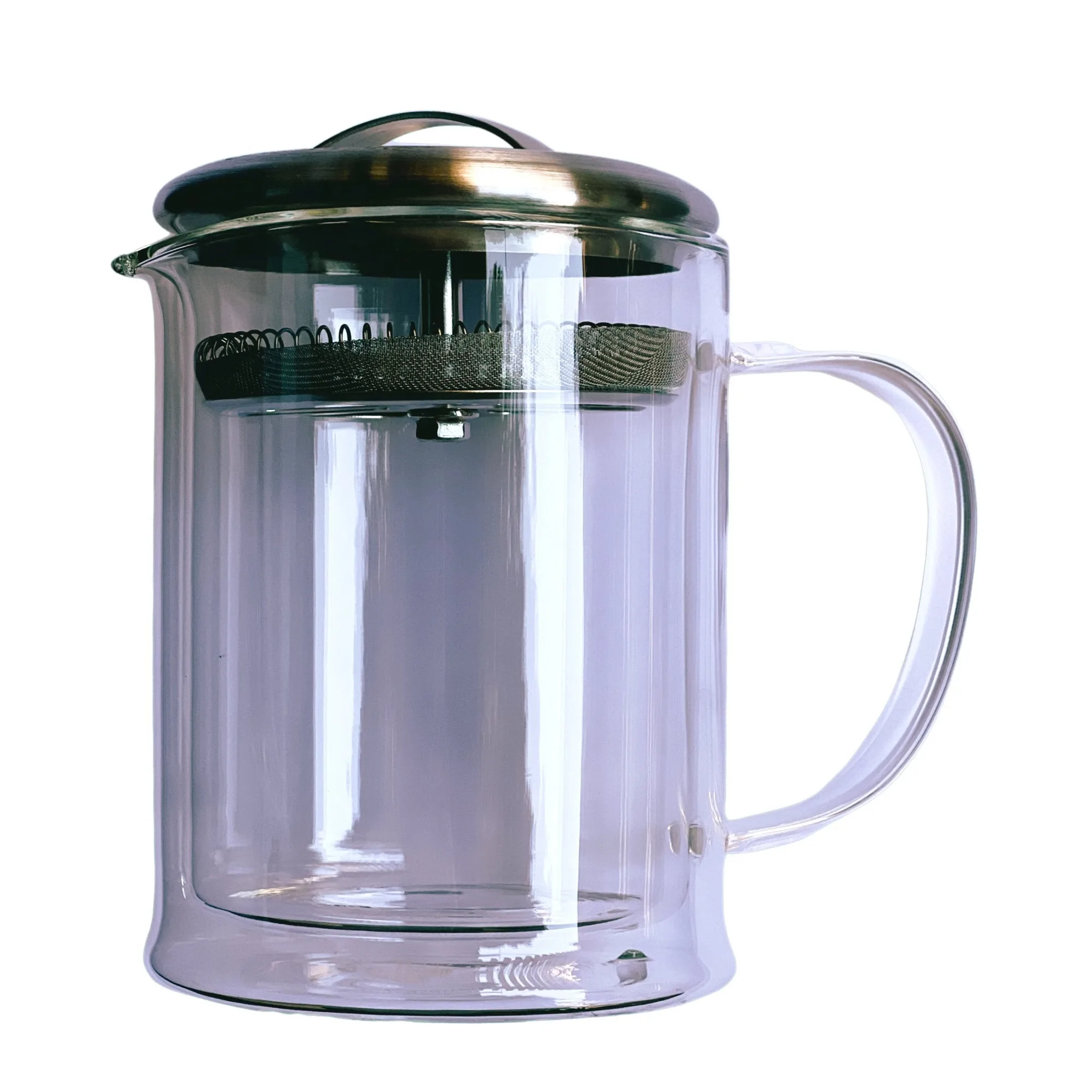
Casaware Glass Teapot
- Rinse infusers immediately after use to prevent staining.
- Deep-clean with a 1:3 vinegar-water solution monthly.
- Store teaware in a dry, safe place to avoid accidental chips.
Choosing Durable Replacements
When it's time to replace, look for quality materials that can handle daily use. For infuser mugs, the Casaware Ceramic Tea Infuser Mug features a beautiful reactive glaze and an extra-fine stainless steel basket, which resists rust and clogging. The lid doubles as a coaster, so you can rest the infuser without drips—a thoughtful design that reduces wear.
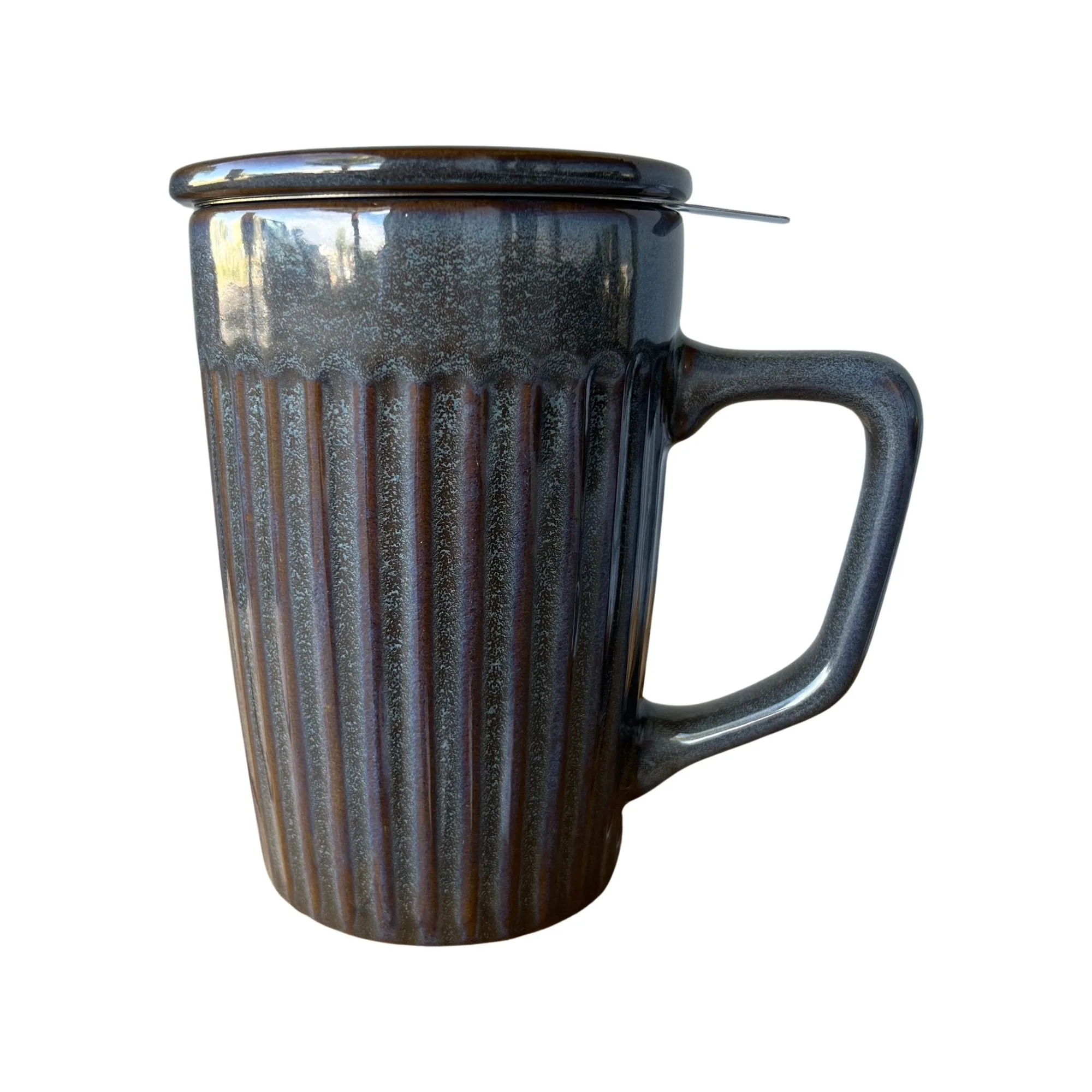
Casaware Ceramic Tea Infuser Mug
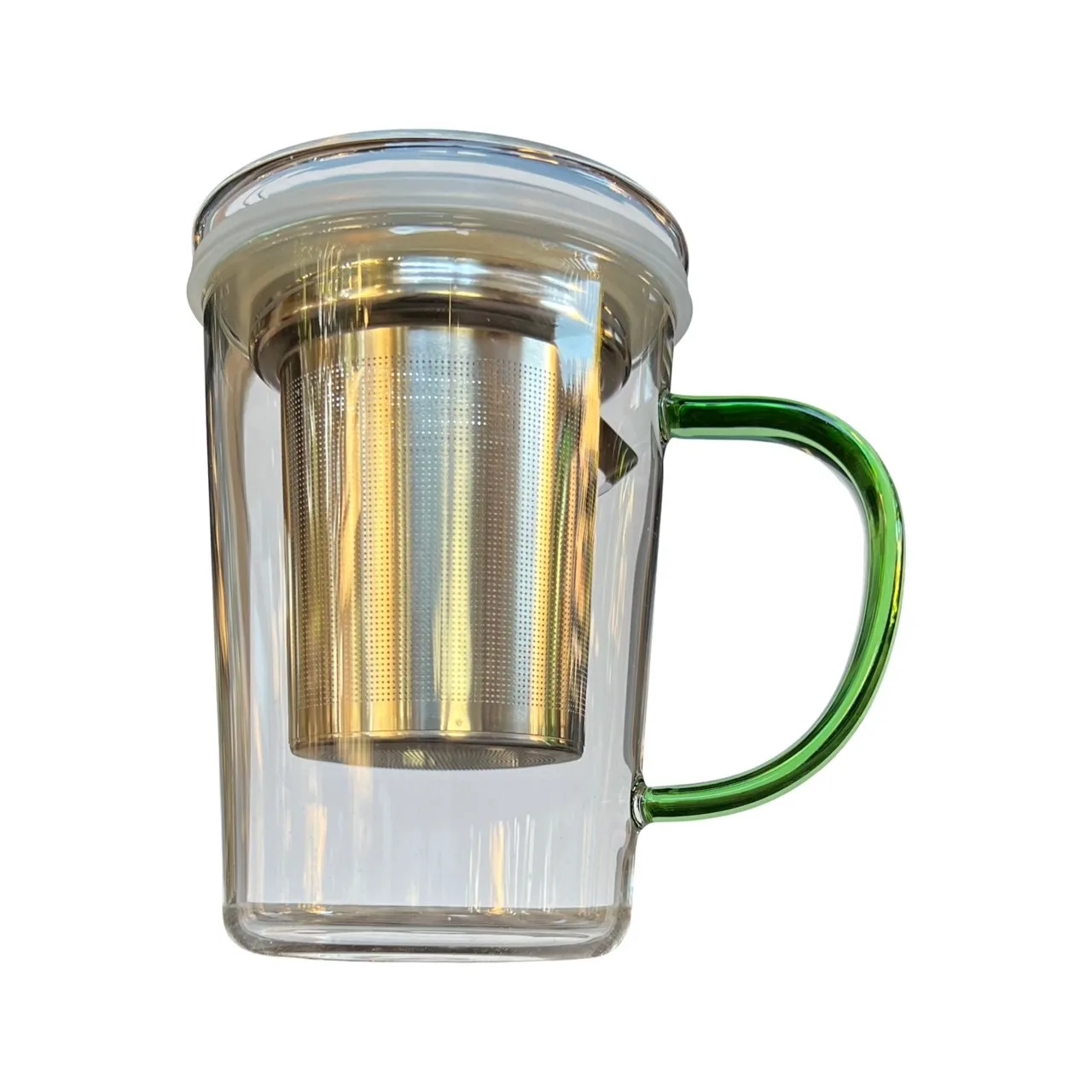
If you prefer watching your tea steep, the Casaware Glass Tea Infuser Mug lets you see the color develop. Its glass construction is sturdy, but still requires careful handling. For larger batches, consider a glass teapot like the Casaware Glass Teapot or Teabloom Kyoto Glass Teapot, both made from durable borosilicate glass. The Teabloom version is stovetop safe, adding versatility.
- Choose extra-fine stainless steel infusers to prevent leaf bits.
- Borosilicate glass resists thermal shock better than regular glass.
- Consider a porcelain teapot like the Viva Lauren Porcelain & Cork Teapot for a classic, durable option.
Quick Reference: Teaware Lifespan Check
Tea infuser basket
Replace every 1-2 years, or sooner if you see rust, clogging, or leaf bits in your cup. Inspect every 6 months.
Ceramic tea mug
Can last 3-5 years with hand washing. Replace if you notice cracks, chips, or persistent odors. Retire at first sign of damage.
Glass teapot
Borosilicate glass can last many years if handled gently. Replace if you see cracks or etching that won't clean. Avoid thermal shock to prolong life.
Product Care Insights
- Casaware Ceramic Tea Infuser Mug: Beautiful reactive glaze ceramic tea infuser mugs come with an extra-fine stainless steel infuser basket. The lid holds in the aroma of your tea while it steeps, and when the tea is finished brewing, it is your coaster to place the infuser so it doesn't drip on your table. Easy cleanup; hand wash recommended. The extra-fine basket reduces clogging and leaf bits, while hand washing protects the glaze, helping the mug last longer.
- Casaware Glass Teapot: Beautiful glass teapot is made from double wall BPA-free borosilicate glass, to keep your tea nice and hot. The teapot has an ultra-fine mesh stainless steel strainer lid to filter the tea leaves when pouring. The teapot has plenty of room for the tea leaves to expand and bloom. Wash by hand or on the top rack of your dishwasher. Borosilicate glass resists thermal shock, so it's less likely to crack during brewing, extending its lifespan. The ultra-fine mesh strainer ensures a clean pour.
Paying attention to the condition of your tea infuser and teaware ensures every cup tastes its best. With regular care and timely replacements, your brewing ritual will stay enjoyable for years. When you do need new pieces, choose durable materials like extra-fine stainless steel and borosilicate glass to get the most value.