Quick answer
Replace everyday underwear every 6 to 12 months of regular wear, and bras every 6 to 12 months of rotation. If the elastic is stretched, the fabric is thinning, or the fit has changed, replace it sooner. A simple lingerie replacement schedule keeps your drawer fresh, comfortable, and hygienic.
Underwear is the hardest-working layer in your wardrobe, yet most of us keep it far longer than we should. Elastic loses its snap, cotton thins out, and lace starts to fray, all while the fit quietly changes. Knowing when to replace underwear is less about a strict calendar and more about recognising the signs your body already feels.
This guide answers the most common questions about underwear and bra lifespan, with practical checkpoints you can apply drawer by drawer. You will also find fabric and care tips that stretch the life of your favourites, so you replace pieces because they are worn out, not because they were washed wrong.
How often should you replace everyday underwear?
For underwear worn once or twice a week, plan on replacing it every 6 to 12 months. If you wear the same pairs in a tight rotation, closer to 6 months is realistic. The fabric itself may look fine while the elastic has already given up, which is why fit matters more than appearance.
A larger drawer changes the math. When you rotate 10 to 14 pairs, each one gets less wear and can comfortably last a year or more. The key is to check the waistband and leg openings: if they no longer sit flat or leave marks, the pair has reached the end of its useful life.
- Check the waistband stretch every few months; if it stays stretched after you let go, replace the pair.
- Keep two tiers in your drawer: everyday basics and special-occasion pieces, so the delicate ones last longer.
When should you throw out underwear immediately?
Throw out underwear right away if the gusset is discoloured or stiff, if there are holes or thin patches, or if the elastic is cracked and brittle. These are not just cosmetic issues; damaged fabric traps moisture and stops breathing properly, which defeats the purpose of a cotton gusset.
Also retire any pair that has become uncomfortable in a way you cannot fix. If it rides up, twists, or digs in no matter how you adjust it, the fit has changed for good. That is your signal to replace it, not to keep negotiating with it every morning.
- Do a five-second stretch test on the waistband; brittle or cracked elastic means it is done.
- If a pair needs constant adjusting, it is costing you comfort every wear. Let it go.
How long do bras last, and when should you replace them?
A bra worn two or three times a week typically lasts 6 to 12 months before the band and straps lose their support. The band does most of the work, so when it starts riding up your back or the cups no longer sit flush, the bra is no longer doing its job, even if the lace still looks pretty.
Rotating at least three bras extends the life of each one, because elastic recovers best with a day of rest between wears. Hand washing in cool water and air drying also make a noticeable difference. If you machine wash, use a lingerie bag and skip the dryer.
- Replace any bra where the band rides up or the underwire pokes, even if it is less than a year old.
- Give each bra a rest day between wears to help the elastic bounce back.
Does fabric type change how often you replace underwear?
Yes. Cotton and cotton-lined gussets are breathable and easy to care for, but they can thin out faster than synthetics. Microfibre and bonded seamless styles often hold their shape longer and resist visible lines, but they can lose stretch if washed in hot water. Lace is the most delicate: beautiful, but quicker to snag and fray.
A practical approach is to match the fabric to the job. Choose breathable cotton or cotton-lined styles for daily wear, seamless microfibre for no-show days, and lace for occasions when you want a little more polish. That way, your everyday pairs take the wear and your delicate pieces stay in good condition.
- Cotton-lined gussets are a good default for daily comfort and easy care.
- Wash lace and microfibre in cool water and air dry to slow down stretch loss.
What does a realistic lingerie replacement schedule look like?
A simple schedule keeps you from replacing everything at once. Everyday underwear: check every 6 months, replace as needed. Bras in regular rotation: replace every 6 to 12 months, or sooner if support fades. Special-occasion lingerie: inspect once a year and replace when lace or straps show wear. Sleepwear and tops: replace when the fabric pills, thins, or loses shape.
The exact timeline matters less than the habit of checking. Set a reminder twice a year, do a quick stretch-and-inspect pass, and note what needs replacing. You will spend less over time because you are replacing pieces that are actually worn out, not guessing.
- Twice a year, empty the drawer and check every elastic band and gusset.
- Replace in small batches so your drawer stays fresh without a big one-time cost.
How can you make underwear and bras last longer?
Wash less aggressively. Cool water, a gentle detergent, and air drying protect elastic and lace far better than hot cycles and tumble drying. For bras, hand washing is ideal, but a lingerie bag on a delicate cycle is a workable compromise. Never wring or twist lace; press it gently in a towel instead.
Storage matters too. Fold bras so cups keep their shape, and avoid cramming lace against zippers or hooks. Rotate your everyday pairs evenly so no single pair takes all the wear. Good care will not make underwear last forever, but it can add months of comfortable use.
- Skip fabric softener; it coats fibres and reduces breathability over time.
- Air dry flat or line dry, away from direct heat, to protect elastic.
Quick reference: replace or keep?
Everyday underwear
Replace every 6 to 12 months of regular wear, or sooner if the waistband stays stretched, the gusset is discoloured, or the fabric thins. Check the elastic first; it usually fails before the fabric looks worn.
Bras in rotation
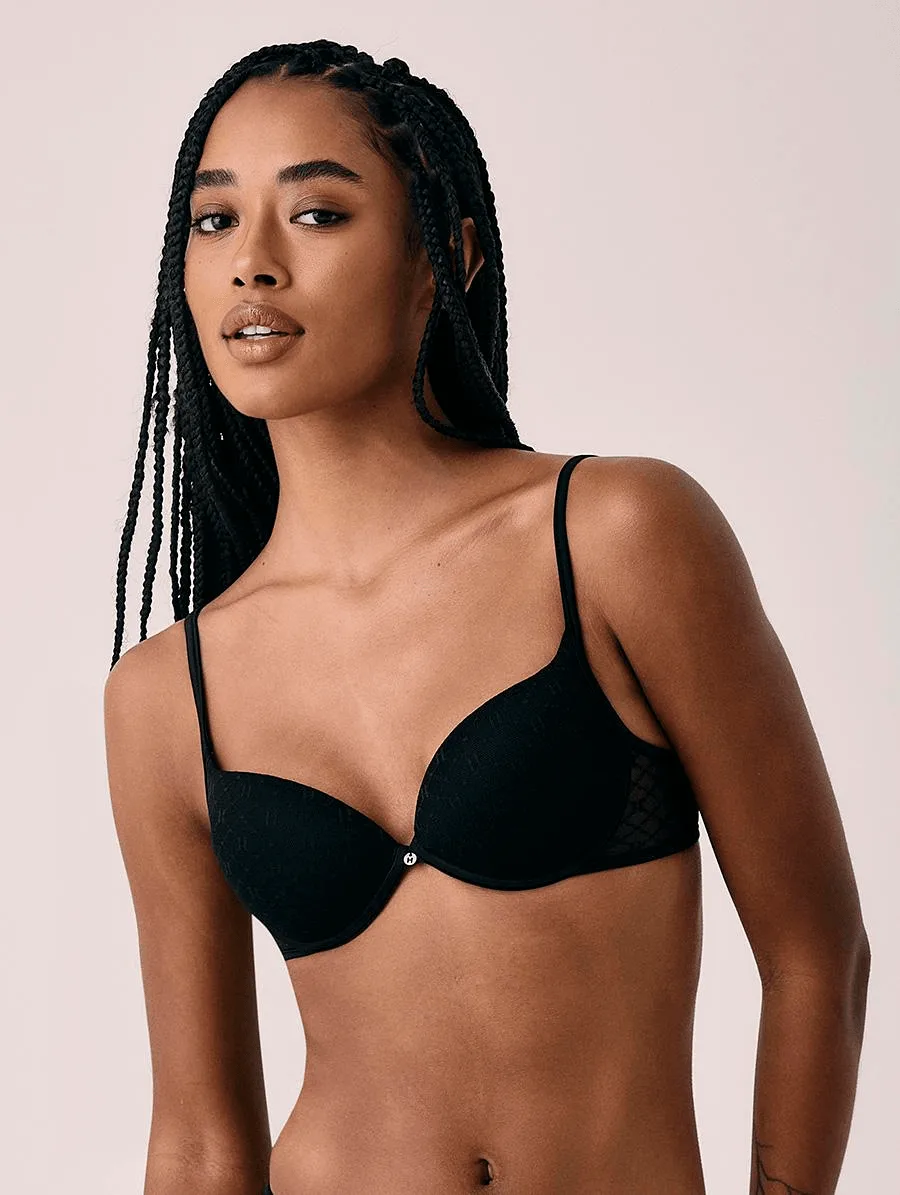
Replace every 6 to 12 months, or when the band rides up, the cups no longer sit flush, or the underwire pokes. Rotate at least three bras and give each a rest day to extend its life.
Lace and delicate pieces
Inspect once a year. Retire them when lace snags, straps lose stretch, or seams fray, even if they are worn only occasionally. Hand wash in cool water and air dry to slow down wear.
Sleepwear and tops
Replace when fabric pills, thins, or loses shape, typically after a year or two of regular wear. If it no longer feels comfortable against your skin, it has done its job.
A few pieces worth knowing about
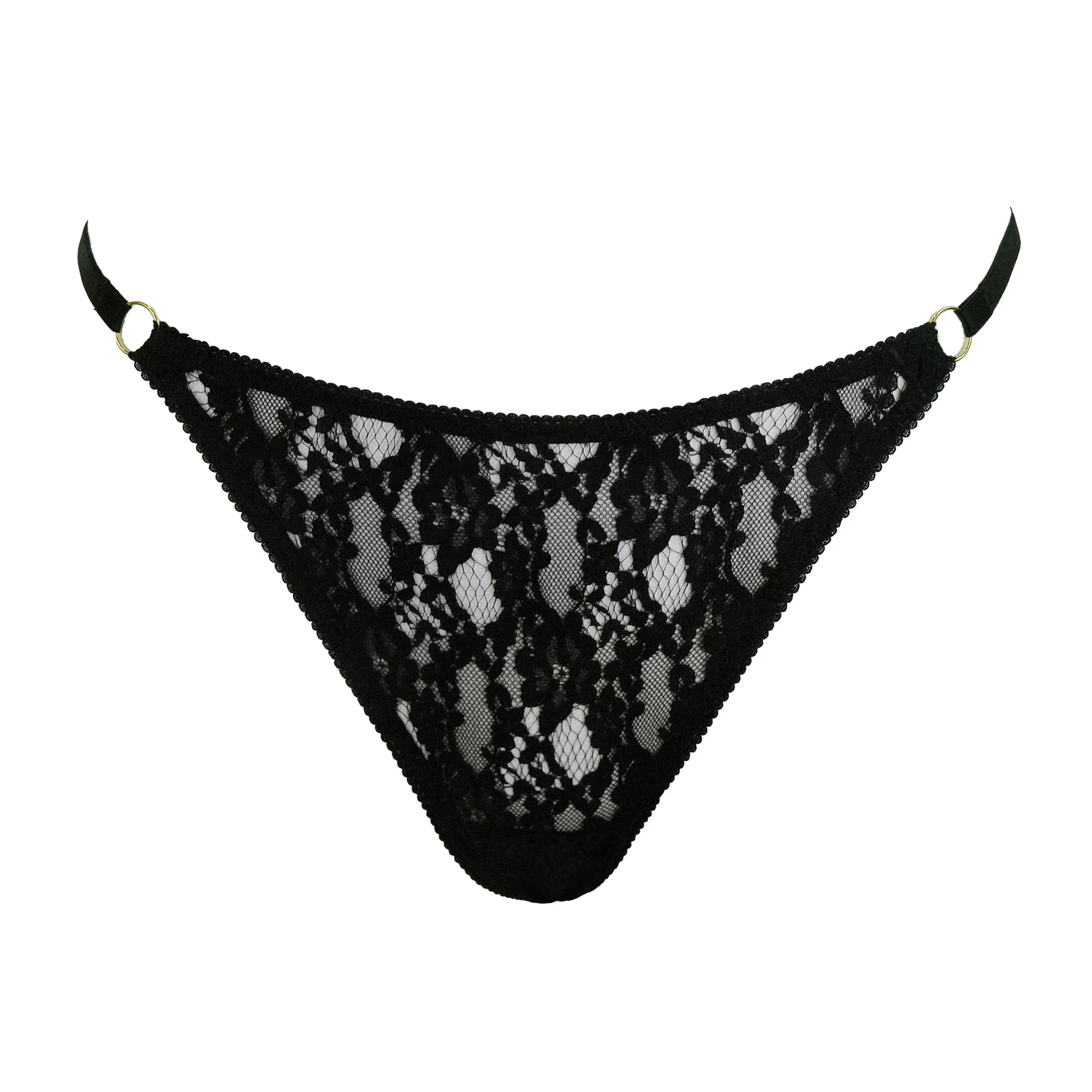
- Lace Intimate Brazilian Thong: Fit Tip: Runs small — we recommend sizing up. Minimal-coverage thong design with a 100% cotton gusset lining, available in 6 colours. The cotton gusset keeps daily wear breathable, and sizing up prevents the digging that shortens a thong's useful life.
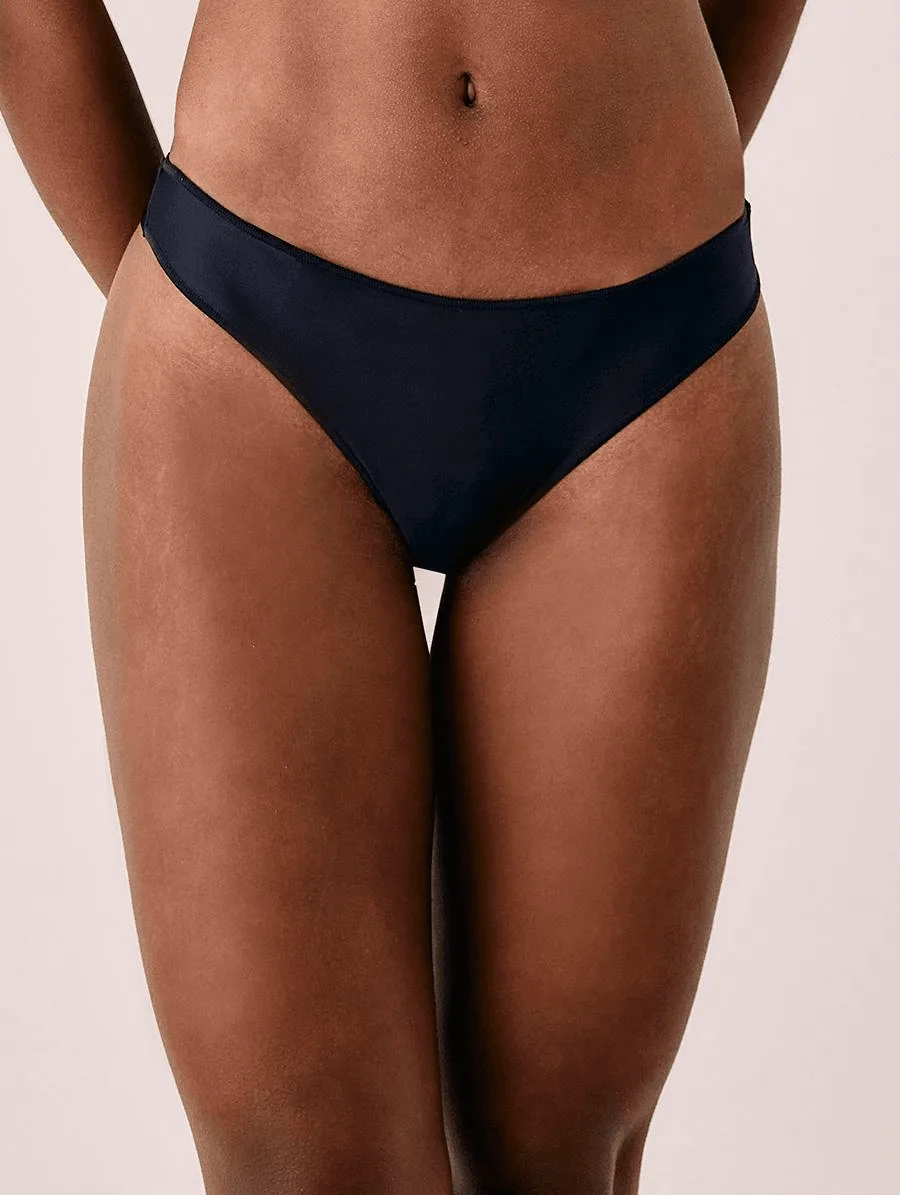
- Everyday Brazilian Thong: Silky-smooth microfibre with an invisible bonded finish and a cotton-lined gusset for all-day freshness. A good no-show option for workwear; microfibre holds its shape well with cool-water washing and air drying.
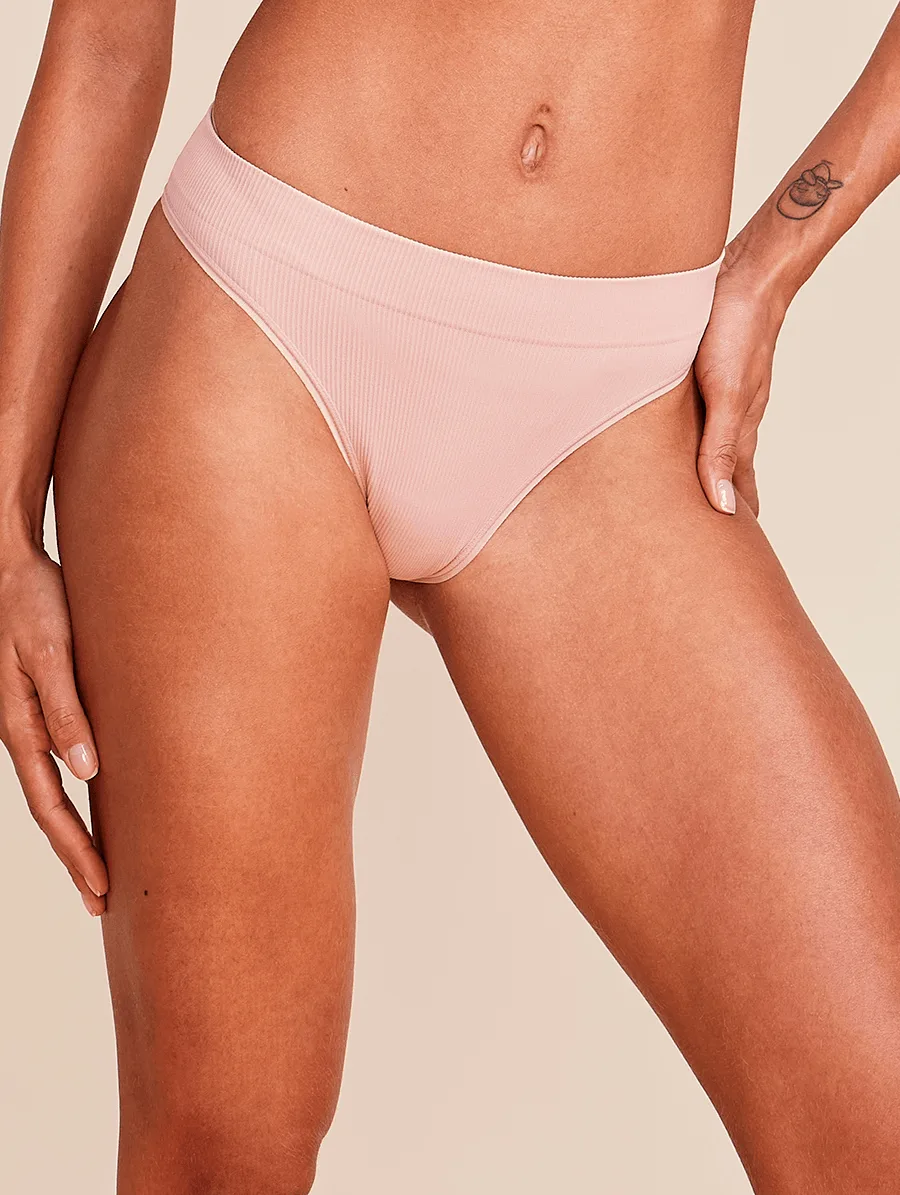
- Ribbed Bikini Brief: Ribbed microfibre with seamless edges and a 100% cotton gusset woven in. Fit Tip: Runs small — we recommend sizing up. A comfortable everyday brief; the ribbed stretch moves with you, but sizing up keeps the waistband from stretching out early.
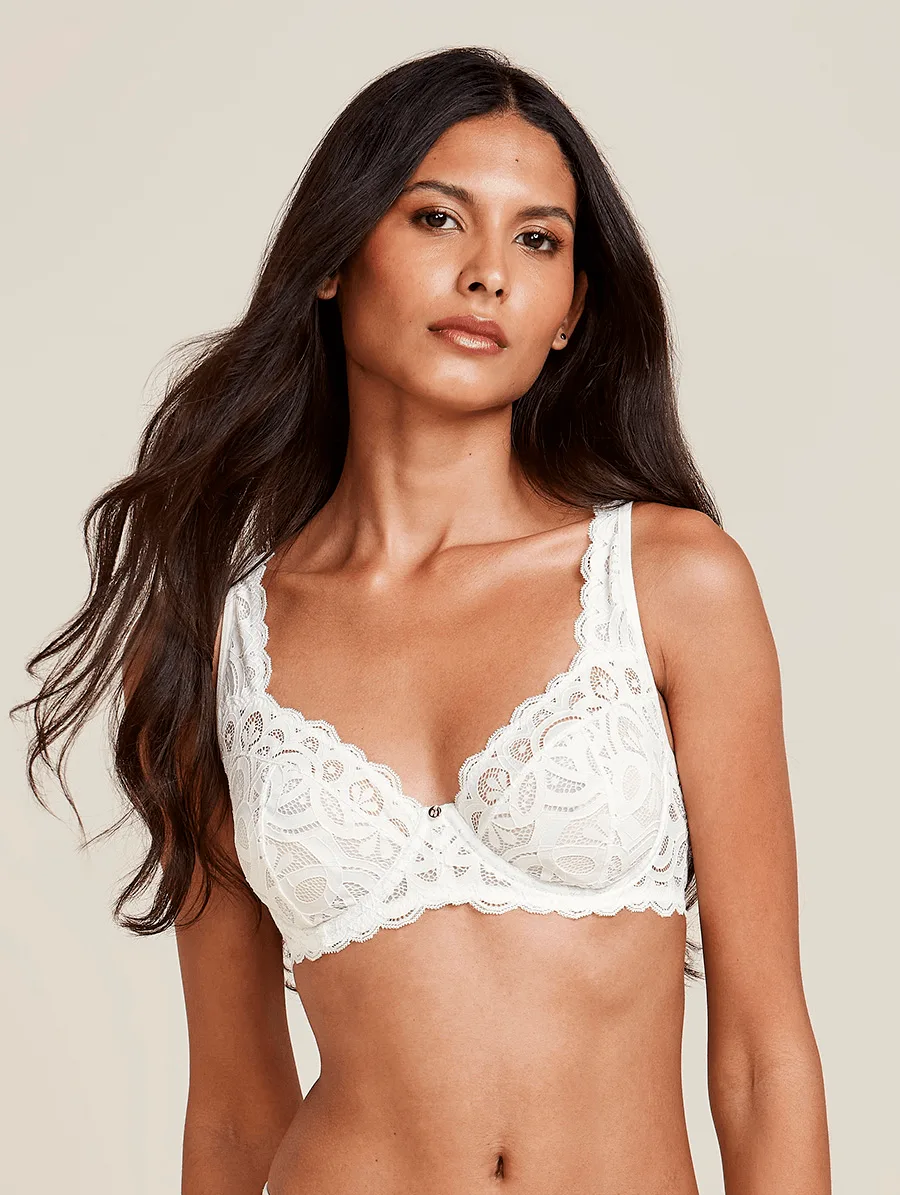
- https://hopelingerierty.com/products/lace-balconette-bra-1-4fd5dd4bc7b14d39c668a423-1492583Lace Balconette Bra: Unlined lace cups with underwire for gentle lift and structure, plus soft stretch lace and smooth finishes. Unlined lace feels light and breathable, but it needs careful washing and rotation to keep its shape and support.
There is no single expiry date for underwear, but there is a clear pattern: elastic goes first, fabric follows, and fit tells you the truth. Check your drawer twice a year, replace pieces that no longer support or comfort you, and care for the rest with cool washes and air drying. Your everyday comfort is worth the small effort.