Quick Answer
Replace bras after roughly 6–12 months of regular wear, or sooner if the band rides up, straps dig in, or cups wrinkle. Underwear typically lasts about 6–12 months too. If you rotate several pieces and wash them gently, you can stretch both toward the longer end.
Your bras and underwear work harder than almost anything else in your drawer, and they do it while holding their shape. That's why the honest answer to how often you should replace them depends less on the calendar and more on wear, washing, and how many pieces you rotate.
This guide breaks the question into the specific decisions you actually face: when a bra is done, when underwear should go, whether expensive pieces last longer, and how to build a rotation that keeps everything in service longer.
How long does a bra actually last?
A bra you wear once or twice a week typically holds its fit for 6–12 months. If it's one of only two or three bras in rotation, expect closer to 6 months. If you have a larger rotation and wash carefully, 12 months or more is realistic.
The band is the first thing to go. Elastic relaxes gradually, so the bra starts riding up in back or needing the tightest hook. Once you're on the last hook and the band still feels loose, the bra has reached the end of its useful life.
Cups and straps tell you the rest. Wrinkled or dented cups, straps that no longer stay adjusted, and underwires that poke or bend are all signs the structure has failed, not just stretched.
- Count wear days, not months: 150–200 wears is a rough working life for a daily bra.
- If you're already on the tightest hook when the bra is new, size down in the band instead of replacing sooner.
When should you buy new underwear?
Underwear usually lasts about 6–12 months with regular wear, though the timeline depends on fabric and fit. Cotton and microfiber hold up well; delicate lace and mesh can snag or lose stretch sooner.
The clearest signs to replace underwear are stretched-out elastic that won't stay put, thinning or pilling fabric, and persistent odor or staining that survives a proper wash. If the waistband rolls or the leg openings gap, the fit has changed even if the fabric looks fine.
Replace underwear sooner if it's a daily go-to pair. A pair worn twice a week will wear out faster than one worn twice a month, so judge by how it performs, not by how long you've owned it.
- Keep a small stash of fresh basics so you're not replacing everything at once.
- If a pair only fits well on laundry day, it's already past its prime.
Does rotation really extend bra lifespan?
Yes, and it's the single easiest change you can make. Elastic needs time to recover between wears, so giving a bra a day or two of rest before wearing it again helps it snap back instead of stretching out permanently. Three to five bras in rotation is a practical minimum for most people.
Rotation also spreads the wear across different styles. A wire-free t-shirt bra for long days, an underwire bra for shaping, and a bralette for lighter support each take less individual stress when they share the workload.
Washing matters just as much. Hand washing or a mesh bag on a gentle cycle, cool water, and air drying will keep elastic and lace intact far longer than hot water and a hot dryer.
- Give each bra at least one full day of rest between wears.
- Never put bras in the dryer; heat is the fastest way to kill elastic.
Do more expensive bras last longer?
Not automatically. Price often reflects fabric quality, construction, and detailing, which can help a bra hold its shape longer, but a well-made bra that doesn't fit you well will still wear out early. Fit is the bigger variable.
A bra that fits properly distributes tension across the band and straps instead of forcing one area to compensate. That's why a correctly sized, moderately priced bra can outlast a pricier one that's slightly off.
If you're replacing bras often, check your size before buying more. A band that's too large or cups that are too small will shorten the life of any bra, regardless of what you paid.
- Spend on fit first, then on fabric and finish.
- If a new bra already feels stretched after a month, the size is likely wrong.
How do you know when a bra is truly done?
A bra is done when it no longer does its job: the band won't stay down, the cups won't lie smooth, or the straps won't stay put. Those are structural failures, and no amount of adjusting will fix them.
Underwire bras have an extra failure point. If the wire has bent, popped out, or started poking through the channel, retire the bra. A bent wire won't sit flat against your ribcage and can dig in all day.
Lace and mesh bras can also fail at the trim before the structure goes. If lace is torn or unraveling at the edges, the bra may still fit but won't look right under clothing.
- Check the band first, then the cups, then the straps and wire.
- If you dread wearing it, that's a sign too.
How should you care for bras and underwear to make them last?
Wash less often than you think. Bras can go three to four wears between washes if you let them air out between wears. Underwear should be washed after every wear. Overwashing is one of the fastest ways to break down elastic.
Use cool water and a gentle detergent, skip fabric softener, and air dry everything. If you machine wash, use a mesh bag and a delicate cycle, and fasten bra hooks first so they don't snag other pieces.
Store bras flat or stacked with cups nested, not folded in half, so the cups keep their shape. Underwear can be folded and stacked; just don't cram it so tightly that elastic stays compressed.
- Fasten hooks before washing to prevent snags.
- Air dry flat or hang by the band, never by the straps.
Replacement checkpoints at a glance
Everyday bra
Replace after 6–12 months of regular wear, or when the band rides up on the tightest hook. If you're on the last hook and it still feels loose, replace it now.
Underwear basics
Replace every 6–12 months, or sooner if elastic is stretched, fabric is thinning, or odor lingers after washing. Judge by performance, not purchase date.
Special-occasion or lace pieces
These often last longer because they're worn less, but check lace trim and seams for tears before each wear. Store flat and air dry to protect delicate trim.
Sports or wire-free bras
Replace when the band loses snap or straps stop staying adjusted, usually around the same 6–12 month mark. No underwire means the band is the main wear point.
What this looks like in practice
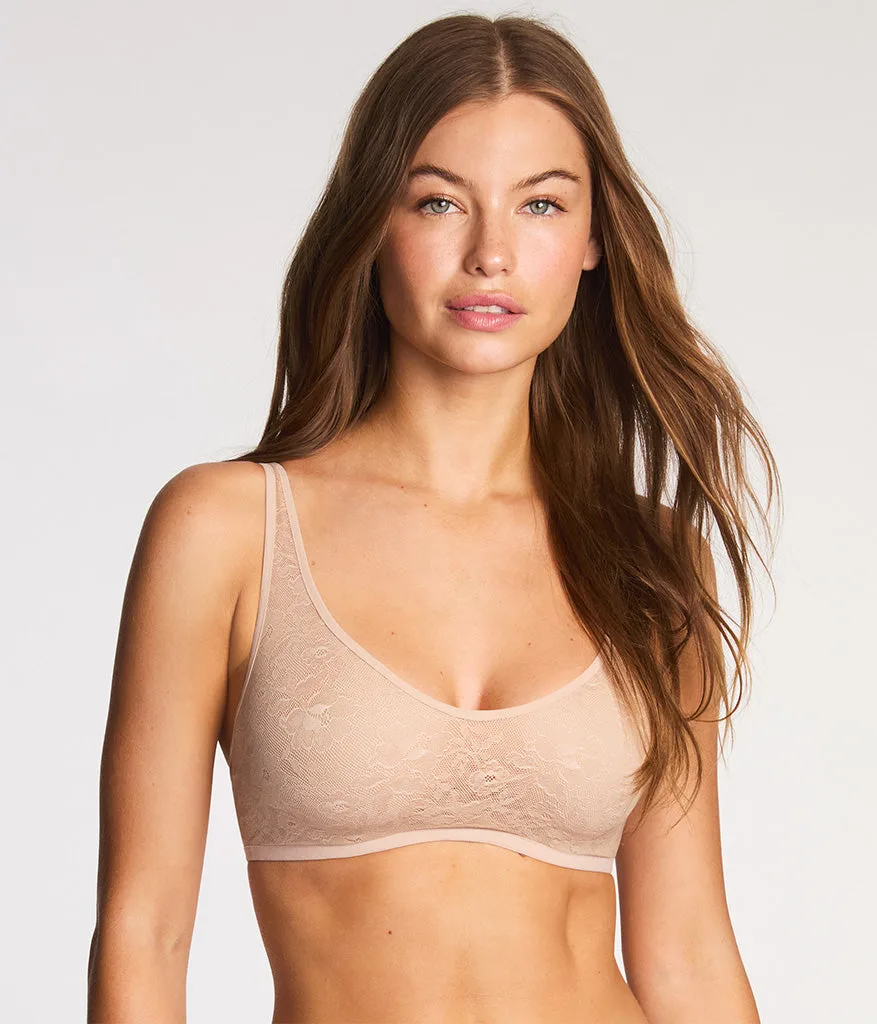
- Effortlessly Lace Underwire Bra: This lace bra reimagines a scoop neckline with the support of a concealed underwire, and it's described as pretty enough to peek out and comfy enough to wear all day. A bra you'll actually wear all day gets more wear hours, so it belongs in a rotation with at least two other bras to give the elastic recovery time.
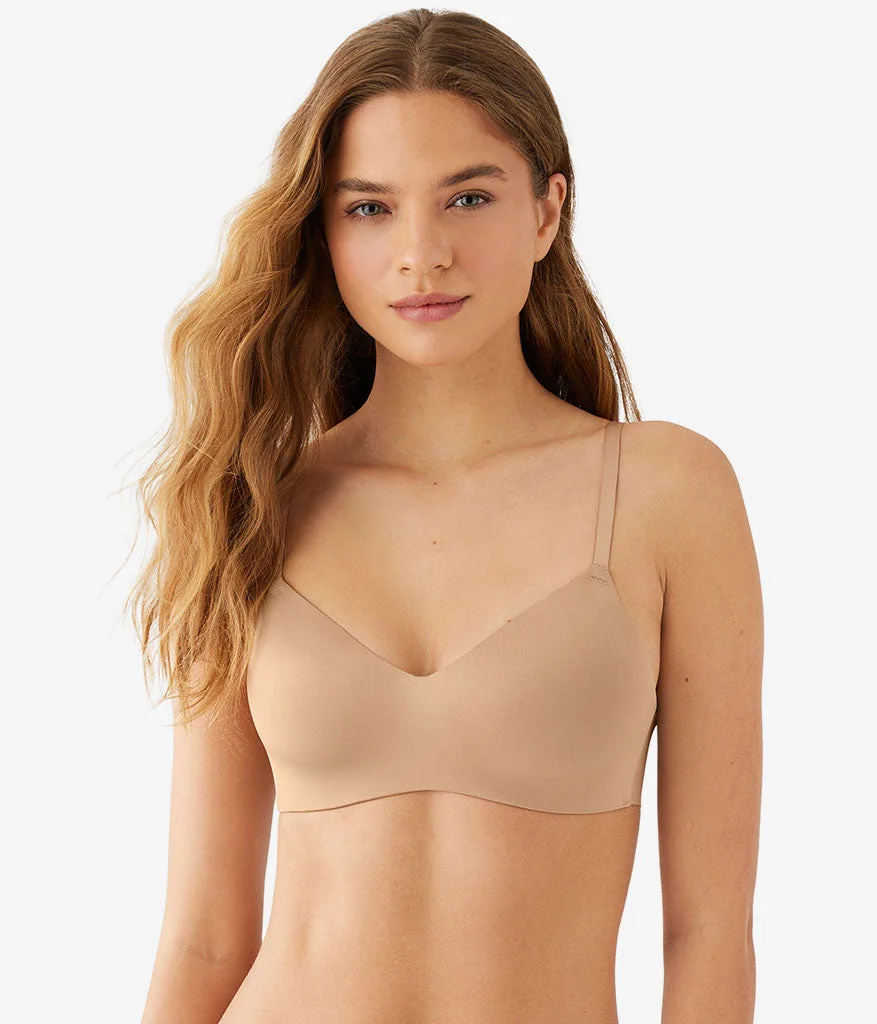
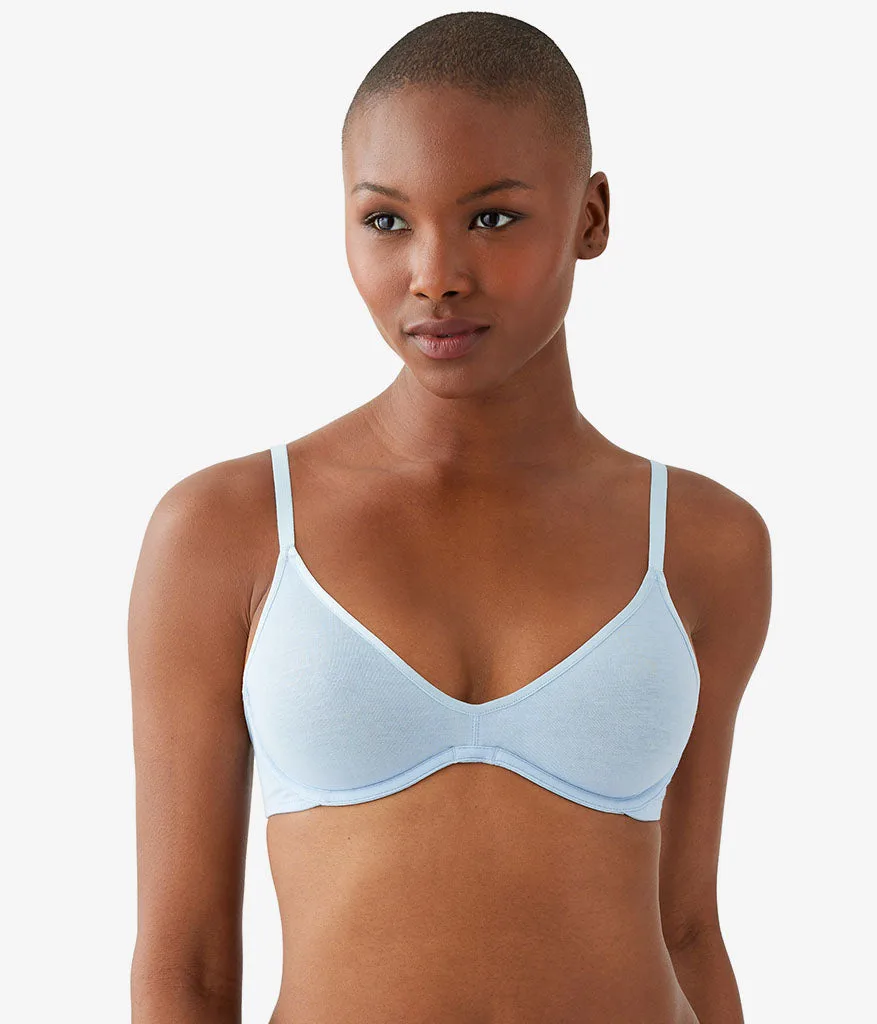
- Spotlight Wire Free T-Shirt Bra: Wire-free construction with a seamless design that helps eliminate visible lines, plus racerback or convertible styling. Wire-free bras have no underwire to bend or poke, so their main wear point is the band and straps. Checking those two areas tells you when it's time to replace it.
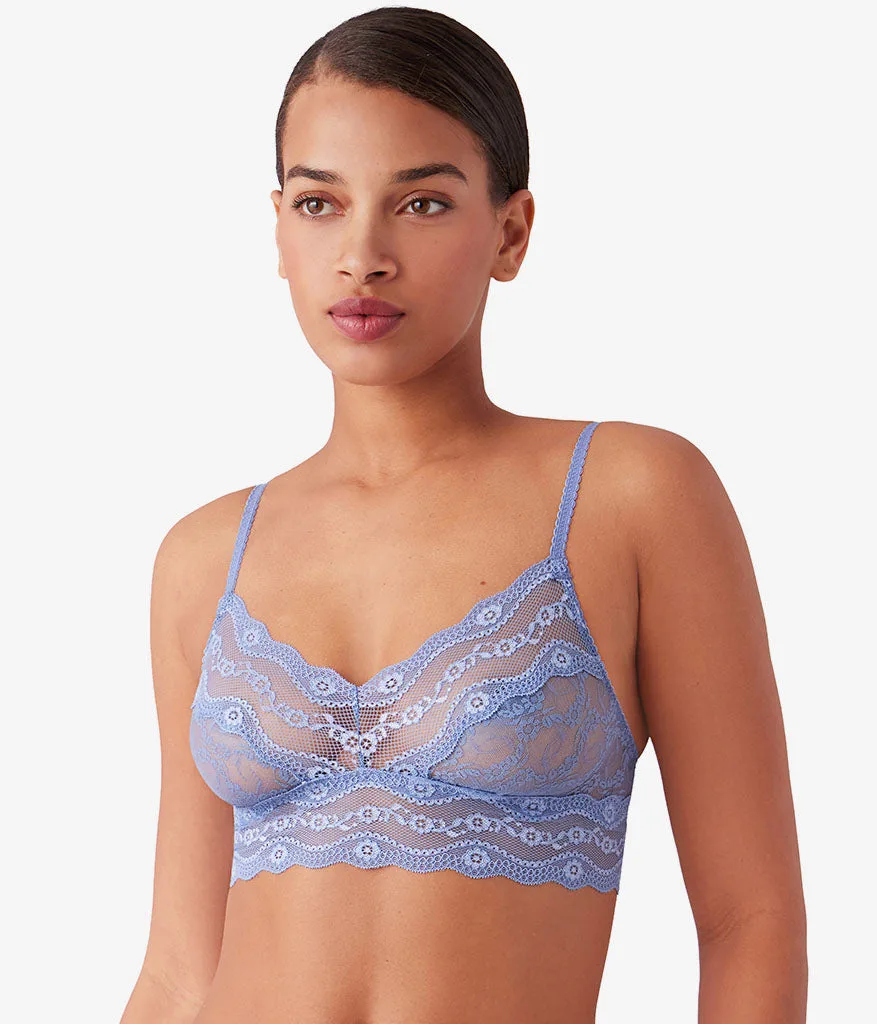
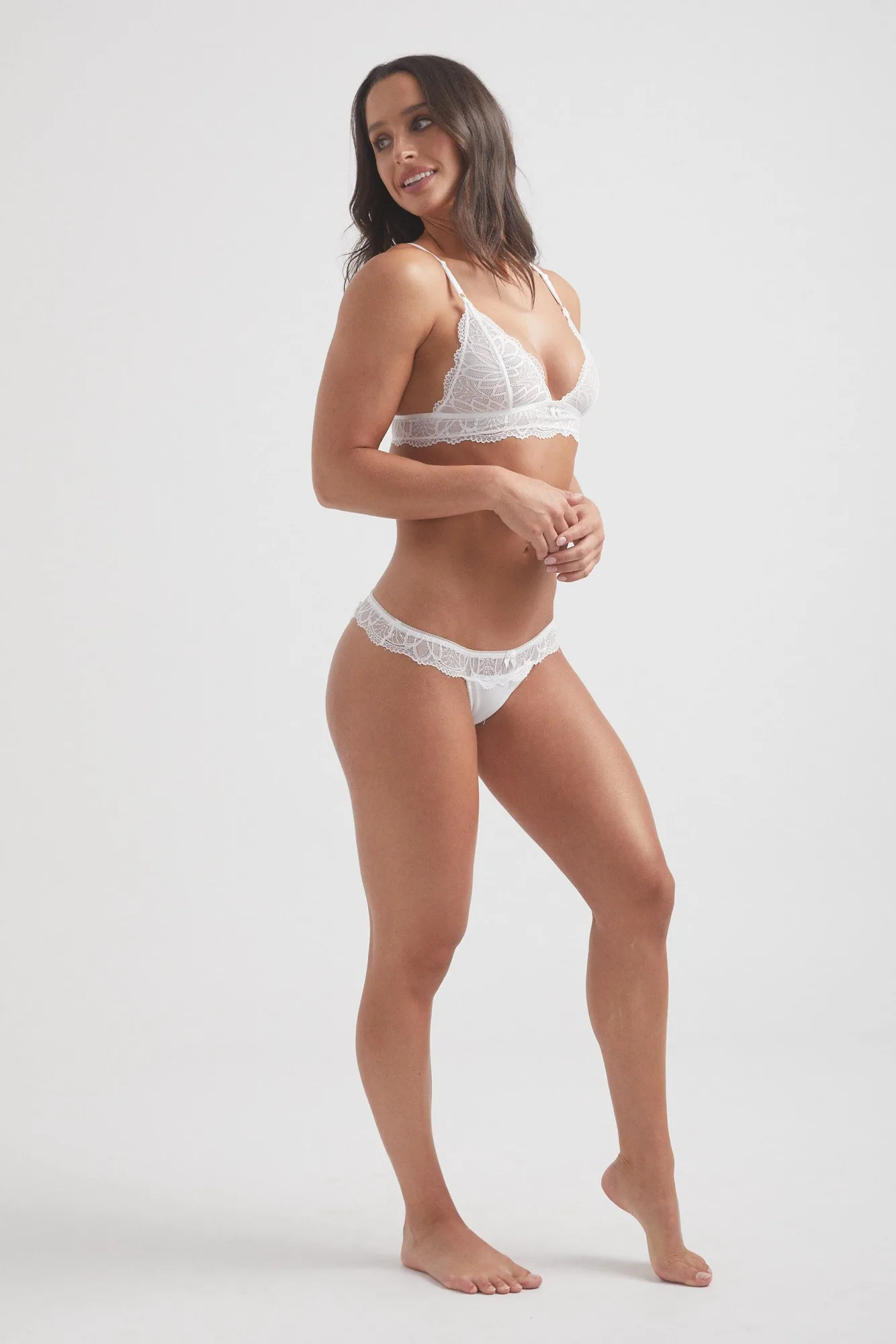
- Lace Kiss Bralette: Slip it over your head, adjust the straps, and enjoy a custom fit with gentle support. A bralette with no hooks or underwire has fewer failure points, but lace and elastic still relax over time. If the band no longer stays put, it's done.
There's no single expiration date for bras and underwear, but there is a clear pattern: rotate at least three bras, wash gently, air dry everything, and replace when the band, cups, or elastic stop doing their job. That approach keeps your favorites in service longer and tells you exactly when it's time to buy new.