Quick answer
For most people, using a hair mask once a week is enough to maintain softness and moisture. If your hair is very dry, color-treated, or damaged, you can use it twice a week. Fine or oily hair often does best with one application every 7–10 days. Pay attention to how your hair feels—if it becomes limp or greasy, reduce frequency.
How to build a weekly hair mask schedule that fits your hair
A simple weekly hair mask schedule starts with one application on a day when you have time to leave it on for the full recommended time. For many, a weekend evening works well. If your hair is dry or damaged, add a second midweek application. Fine hair should start with once a week and adjust from there. Always apply to clean, damp hair after shampooing, and rinse thoroughly.
- Dry or coarse hair: 2 times per week
- Normal hair: 1 time per week
- Fine or oily hair: 1 time every 7–10 days
- Color-treated or heat-styled hair: 1–2 times per week
Signs you're using a hair mask too often
Overuse of hair mask can leave hair feeling greasy, limp, or heavy, even after rinsing. If your roots look oily faster than usual or your hair loses volume, cut back to once a week or every 10 days. Some people also notice product buildup that makes hair look dull. If that happens, clarify once, then resume a less frequent schedule.
How to adjust frequency for dry hair vs. fine hair
Hair mask for dry hair frequency can be higher because dry strands absorb more moisture. You can use a nourishing hair mask how often? Start with twice a week and see if your hair still feels straw-like. For fine hair, the risk is weighing it down—so use a smaller amount and focus on mid-lengths and ends, not roots. If your hair is both fine and dry, try once a week with a lightweight application.
What a good hair mask routine looks like from start to finish
The best hair mask routine is consistent but flexible. Shampoo first, then squeeze excess water from your hair. Apply the mask from mid-lengths to ends, avoiding the scalp unless the product says otherwise. Leave it on for the time stated on the label—usually 5–20 minutes. Rinse with cool water to seal the cuticle. Follow with conditioner if your hair needs it, but many masks are rich enough on their own.
Hair mask frequency FAQ
Can I use a hair mask every day?
Daily use is usually unnecessary and can lead to limp, greasy hair. Most people get the best results with once or twice a week. If your hair is extremely dry, you might use it every other day for a short period, then reduce. Stick to 1–2 times weekly for best balance.
How long should I leave a hair mask on?
Follow the instructions on the product. Many masks work in 5–20 minutes. Leaving it on longer than directed rarely adds benefits and can sometimes cause irritation. Set a timer to avoid overdoing it.
Should I use a hair mask before or after conditioner?
Most masks are used after shampooing and instead of conditioner. If your hair is very tangled, you can use a small amount of conditioner first, then mask. But typically, the mask provides enough conditioning on its own. Replace conditioner with mask on mask days.
Product facts that matter for frequency
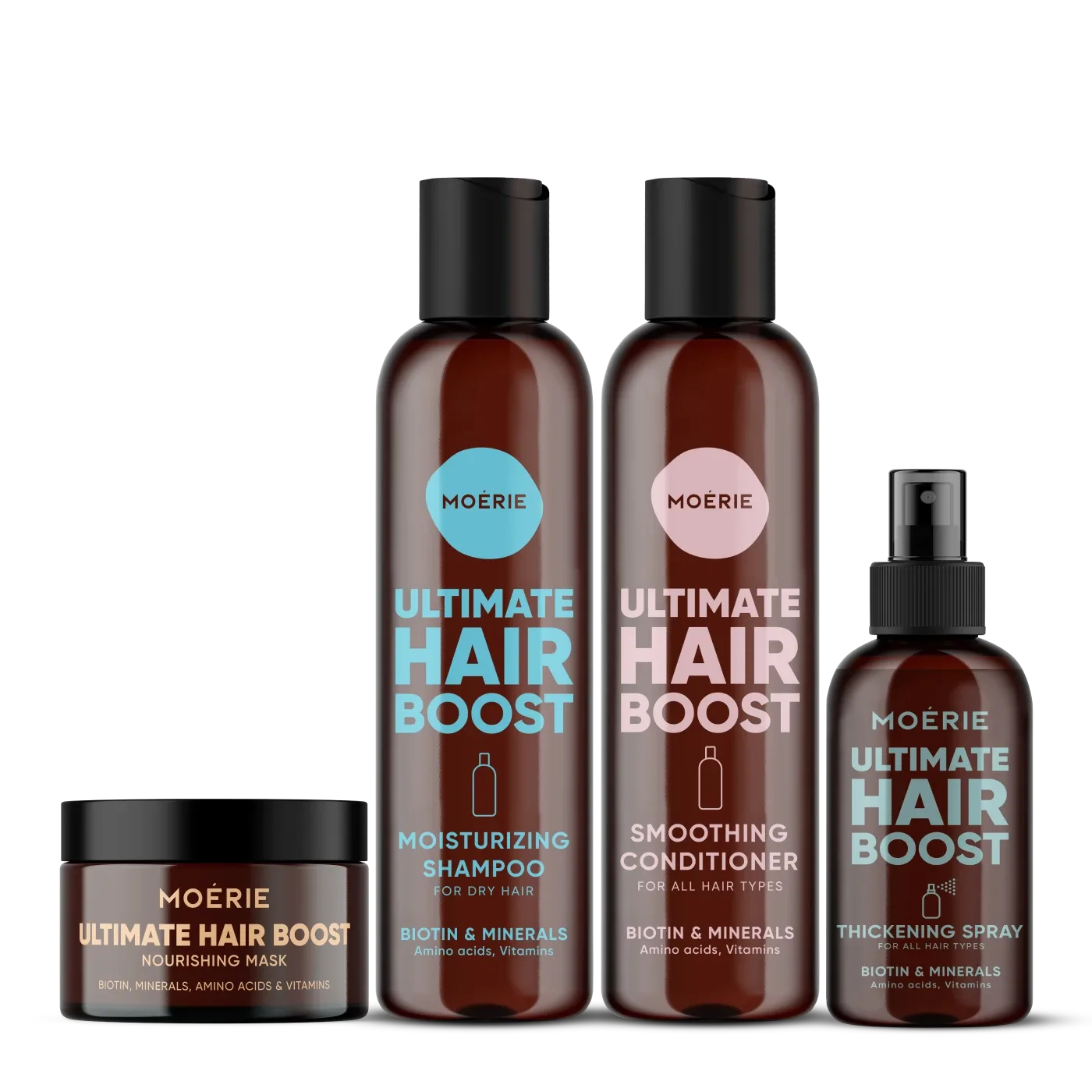
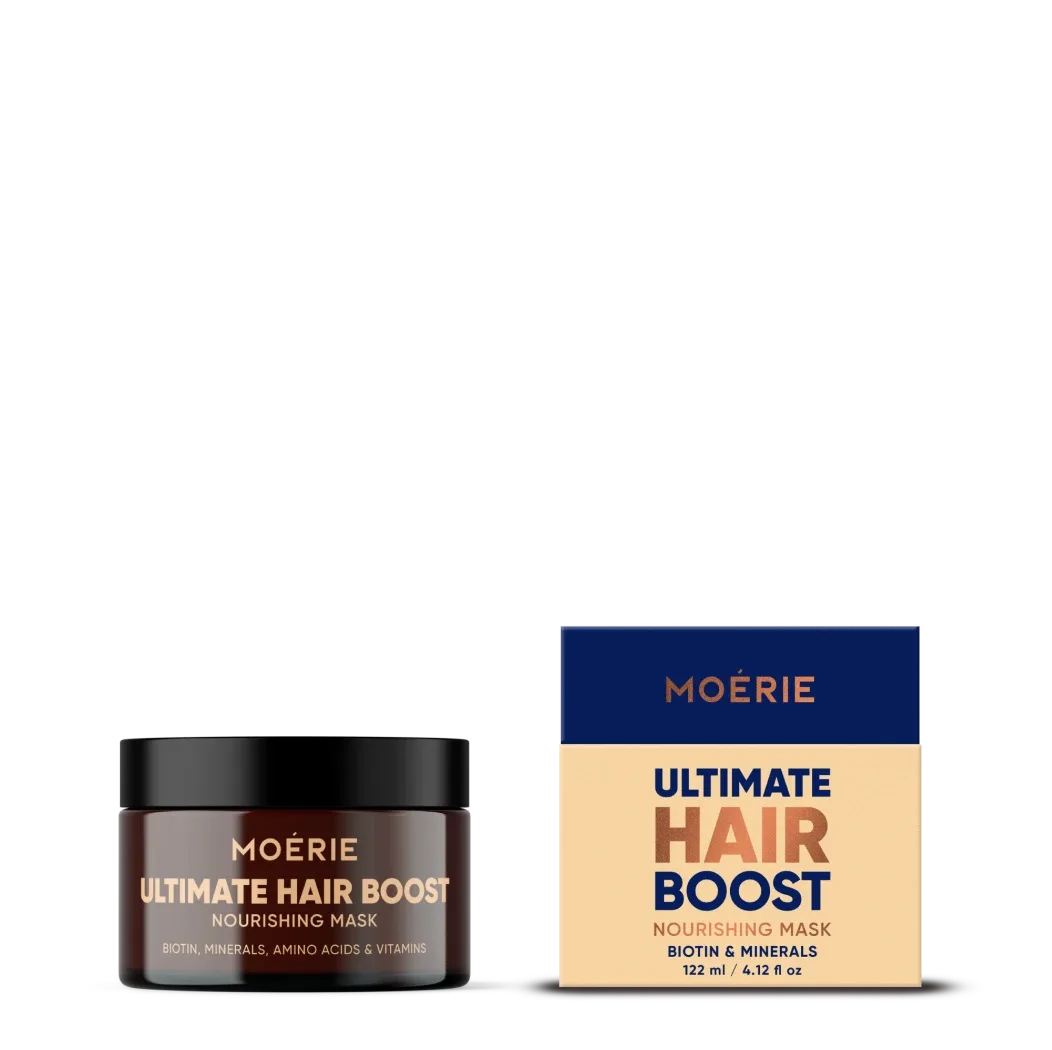
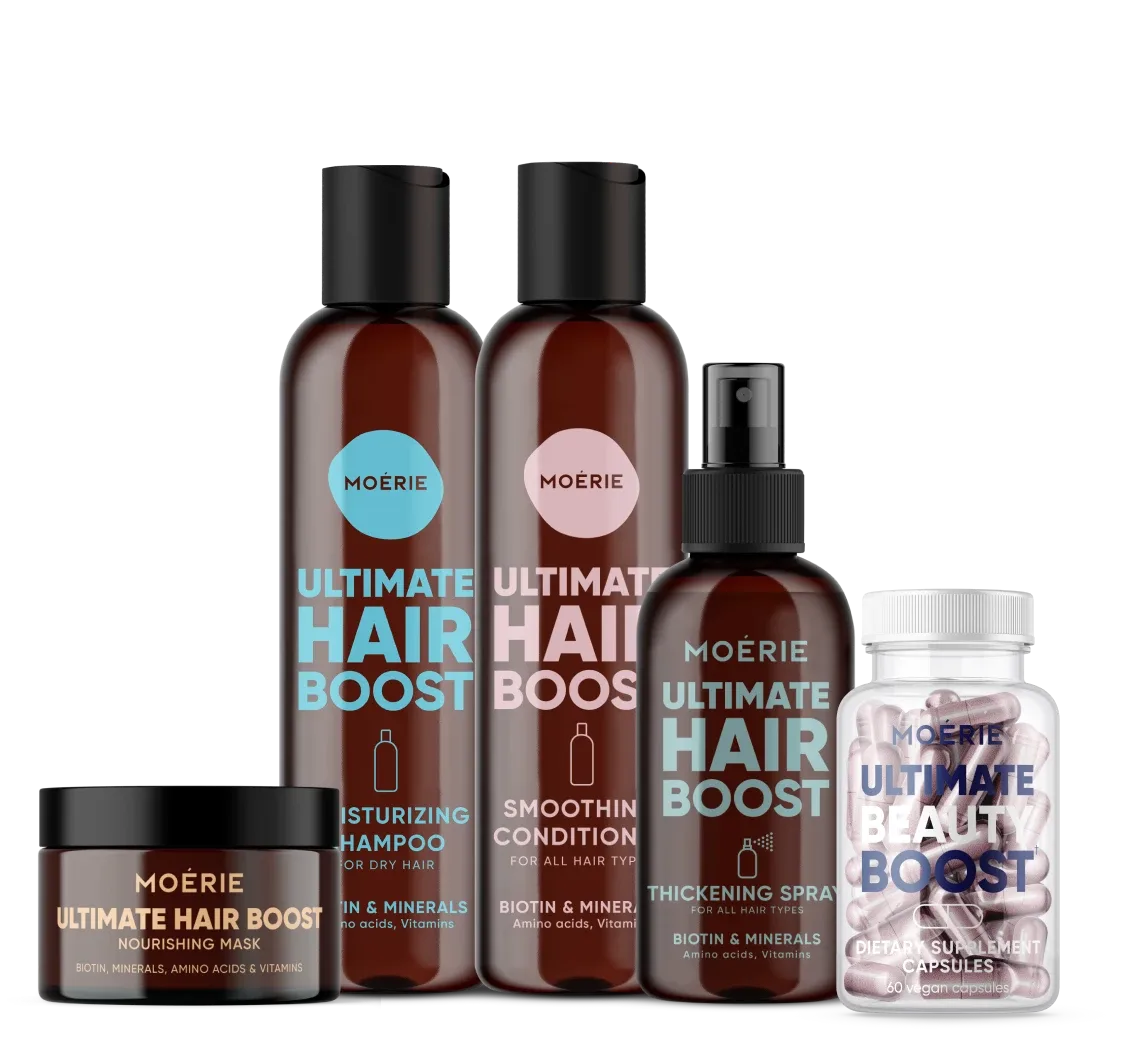
- Nourishing Hair Boost Mask: Moérie Nourishing Hair Boost Mask contains a blend of Biotin, Panthenol, and Coconut oil that work to leave hair easy to comb, supple, soft, and shiny. Macadamia Oil provides nourishment and moisturization, while Shea Butter provides deep moisture and nourishment. Because this mask is rich in oils and butters, it delivers intense moisture—so you likely don't need to use it more than once or twice a week. Overuse could weigh down fine hair.
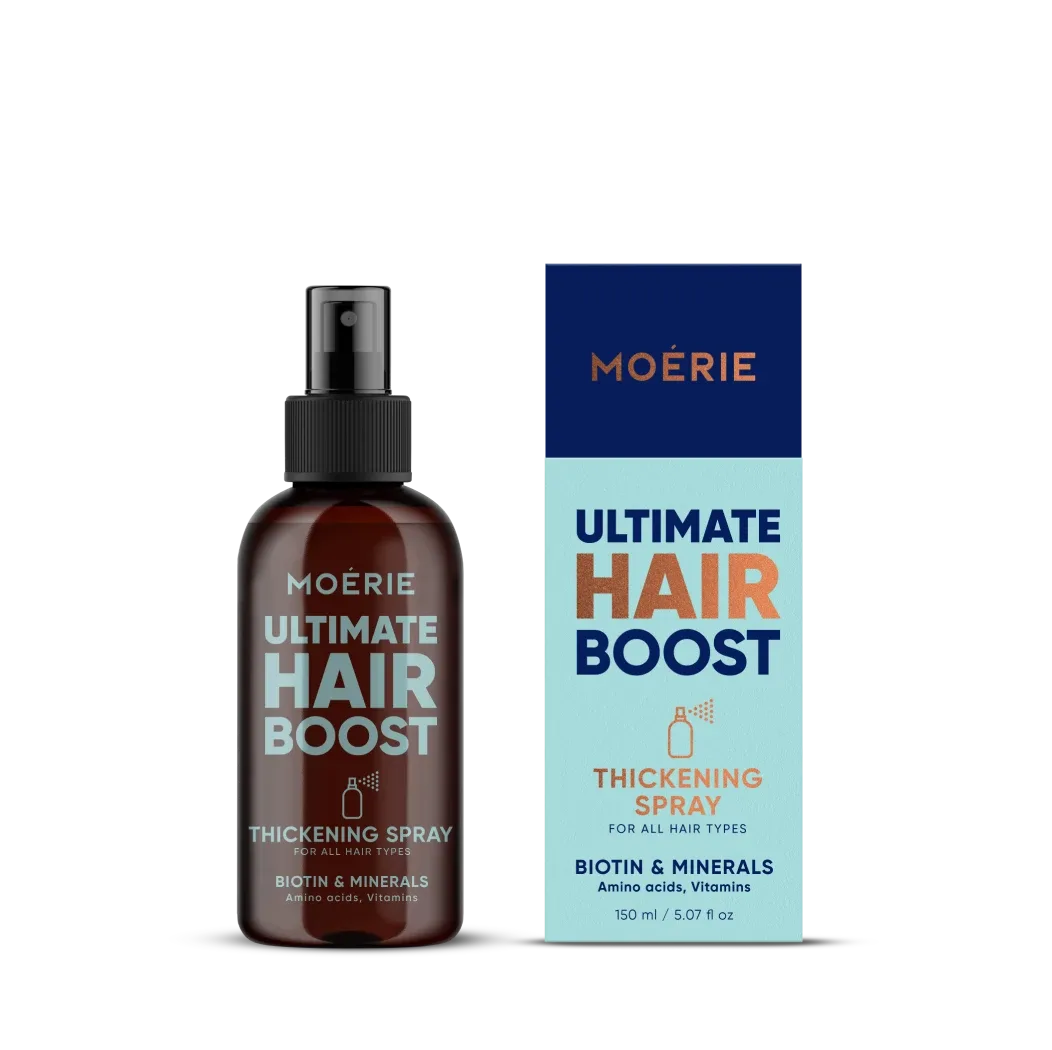
- Complete Moisturizing Hair Boost Set: Complete Moisturizing Hair Boost Set is a comprehensive hair care solution containing moisturizing shampoo, conditioner, hair mask, thickening hair boost spray, and dietary supplement capsules. If you use the full set, the mask is already part of a complete routine. You can follow the mask frequency guidance here without adding extra moisturizing steps that might overload your hair.