Quick Answer
To avoid contact lens eye infections, wash and dry your hands before handling lenses, clean and air-dry your case daily, never sleep or swim in lenses, and replace them on the schedule prescribed by your eye care professional. If you experience redness, pain, or discharge, remove the lenses and seek medical advice.
Contact lenses are a convenient and popular way to correct vision or change your look, but they come with a responsibility: proper hygiene. Eye infections from contact lenses are more common than many people realize, often caused by poor handling or wearing habits. The good news is that most infections are preventable with a few simple, consistent routines.
Whether you wear corrective lenses or colored contacts for style, the same rules apply. In this guide, we'll walk you through the key practices that keep your eyes healthy, explain the warning signs of an infection, and help you decide when to see a professional.
Why Contact Lens Eye Infections Happen
Your eyes have natural defenses, but a contact lens sits directly on the cornea, creating a surface where bacteria, fungi, or viruses can thrive if not properly managed. The main culprits behind infections include touching lenses with unwashed hands, using contaminated solution, sleeping in lenses not designed for overnight wear, and exposing lenses to water—whether in the shower, pool, or hot tub.
Another often-overlooked factor is the lens case. Even if you clean your lenses perfectly, a dirty case can reintroduce germs every time you store them. Studies show that a significant percentage of contact lens wearers do not replace their case as often as recommended, increasing infection risk.
- Always wash hands with soap and water, then dry with a lint-free towel before handling lenses.
- Never top off solution in your case; always use fresh solution.
- Replace your contact lens case every three months or as recommended.
Essential Hygiene Habits for Safe Contact Lens Wear
Developing a routine is the best defense against infections. Start by washing your hands thoroughly, then dry them completely—water on your hands can transfer microbes to the lens. Clean your lenses each time you remove them by rubbing them gently with solution, even if you use a 'no-rub' formula. This physically removes debris and germs.
Your lens case deserves the same attention. Empty the old solution, rinse the case with fresh solution (not water), and leave it open to air dry. Replace the case every three months, and never share lenses or solution with others. If you use colored contacts, the same hygiene rules apply, regardless of whether they are cosmetic or corrective.
- Rinse your lens case with solution, not tap water, and air dry it upside down.
- Keep a backup pair of glasses to give your eyes a break when needed.
- Avoid wearing lenses when you are sick, as your immune system is compromised.
Wearing Habits That Increase Infection Risk
Certain wearing habits significantly raise the risk of infection. Sleeping in lenses not approved for overnight wear is a major factor, as it reduces oxygen to the cornea and allows bacteria to multiply. Swimming or showering with lenses exposes them to waterborne pathogens like Acanthamoeba, which can cause severe keratitis.
Also, be mindful of how long you wear lenses beyond the recommended replacement schedule. Daily disposables should be discarded after one day; monthly lenses should be removed and cleaned every night. Even if they feel fine, overwearing can cause micro-abrasions that make your eyes more vulnerable to infection.
- Remove lenses before swimming, showering, or using a hot tub.
- Follow the replacement schedule—do not stretch daily lenses into a week.
- If your eyes feel dry or irritated, remove lenses and give them a rest.
Choosing the Right Lenses for Your Lifestyle
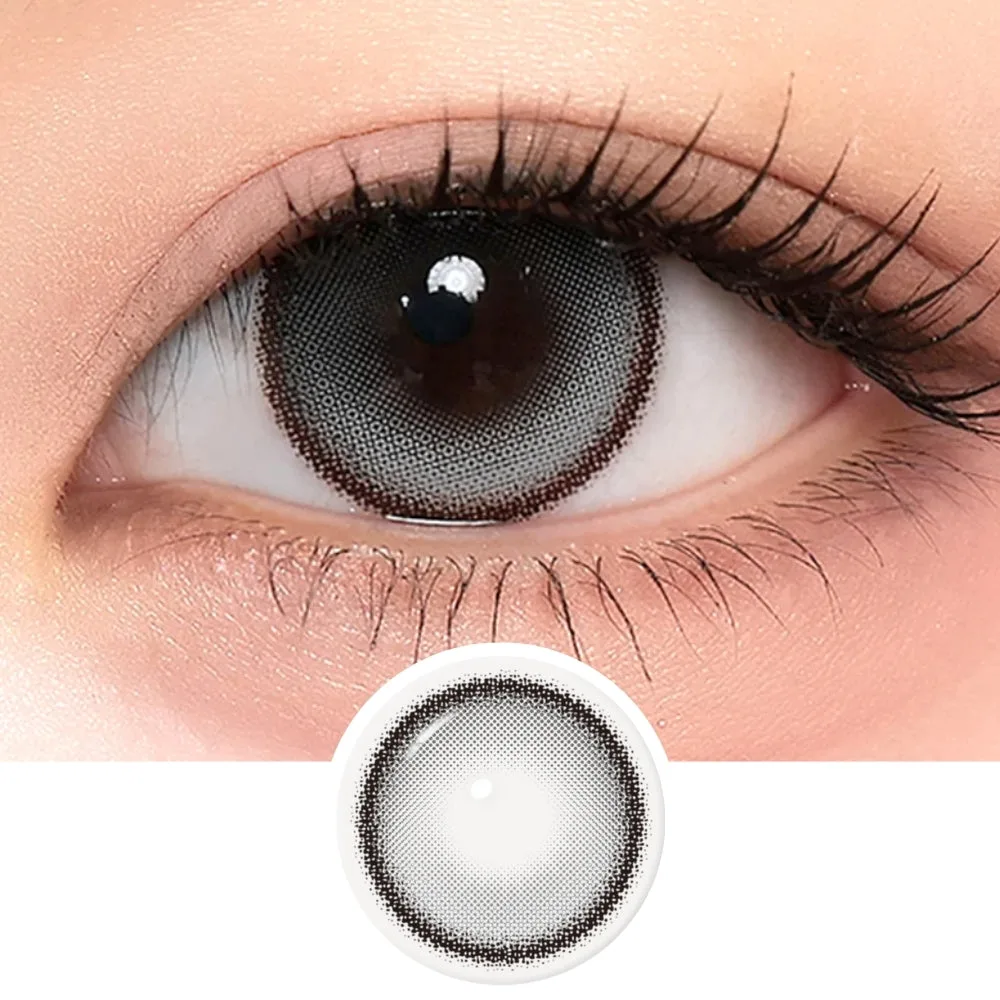
Your choice of contact lens can also influence infection risk. Daily disposables, like the i-Sha One Pick Only One 1-Day Velvet Smoke Grey, are a great option for those who want convenience and reduced risk, since you use a fresh pair each day and never need to clean or store them. This eliminates the risk of case contamination and protein buildup.
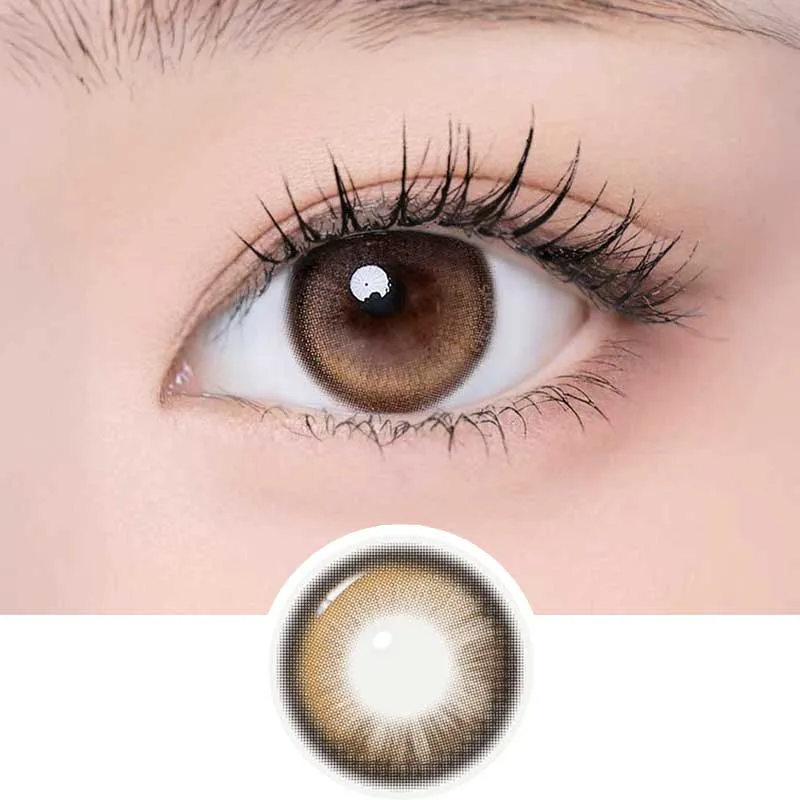
On the other hand, if you prefer monthly lenses, such as the Bausch & Lomb Lacelle Colors Vivid Gold, you must be diligent with cleaning and storage. Consider your habits honestly: if you often skip cleaning or forget to replace your case, daily disposables might be the safer choice.
- For occasional wear, daily disposables minimize long-term maintenance.
- For frequent wear, monthly lenses can be cost-effective but require strict care.
- Always purchase lenses from a reputable source to ensure quality and sterility.
Diagnosis: Is It an Infection?
- Symptom: Redness, pain, excessive tearing, blurred vision, light sensitivity, or a feeling that something is in your eye. If you experience any of these, remove your lenses immediately.
- Likely cause: Poor hygiene, overwear, contaminated case, or exposure to water, leading to bacterial, fungal, or viral infection. Assess your recent habits to identify potential risk factors.
- Corrective action: Discard the lenses and solution you were using. Clean your case thoroughly or replace it. If symptoms persist after a few hours, contact an eye care professional. Do not reinsert lenses until symptoms fully resolve.
- Stop or choose another option: If you have severe pain, vision changes, or symptoms worsen, do not wait—seek medical help immediately. Consider switching to daily disposables if you struggle with hygiene. Your eye health is not worth the risk; always consult a professional.
Products That Support Safe Wear
- i-Sha One Pick Only One 1-Day Velvet Smoke Grey (10pk): This is a daily disposable lens, sold in a box of 10 lenses, with a cool grey base and soft smoke wash. Daily disposables reduce infection risk because you use a fresh lens every day, eliminating the need for cleaning and storage, which are common sources of contamination.
- Bausch & Lomb Lacelle Colors Vivid Gold (30pk): This is a 30-lens box, meaning monthly replacement, and features a champagne coloration that blends into a rich mahogany on dark eyes. If you prefer monthly lenses, this product requires proper cleaning and case hygiene. The larger pack is convenient for regular wear, but you must follow a strict care routine to avoid infections.
Preventing contact lens eye infections comes down to consistent hygiene and mindful wearing habits. By washing your hands, caring for your case, avoiding water, and replacing lenses on schedule, you can significantly lower your risk. If you ever suspect an infection, act quickly and seek professional advice. Your eyes will thank you.