Quick answer
Break in a new leather bullwhip gradually: start with short, low-power cracks for 10–15 minutes a day, keep the overlay clean and lightly conditioned, and stop before the leather feels hot or dry. Most kangaroo hide bullwhips loosen up over one to two weeks of consistent, moderate use. Never soak the whip or force a stiff fall to crack on day one.
Why a new bullwhip feels stiff (and what break-in actually does)
A new leather bullwhip arrives tight because the overlay braid, bellies, and bolster layers have not yet flexed together. Break-in is not about forcing the leather to stretch; it is about letting the plaits settle and the fibers align through repeated, controlled motion. Kangaroo hide is dense and strong, so it often feels firmer than cowhide at first but responds well to patient use.
The goal is to work the thong from handle to fall without overheating the leather. If the whip feels warm or looks glossy from friction, you are moving too fast. Slow down, shorten the session, and let it rest.
Set up a safe practice space before the first crack
Choose an open area with at least 10 feet of clearance behind and above you. A grassy field or empty park is ideal; concrete scuffs the fall and can wear the point. Wear eye protection and closed-toe shoes, and check that no people or pets are within the whip's full length.
If your whip has a fall and cracker already attached, inspect the knot and the cracker for fraying. A loose cracker can fly off during the first sessions and is the most common cause of early damage to the whip's point.
Condition lightly before the first session
New leather often benefits from a thin coat of conditioner, but more is not better. Apply a small amount of a neutral leather conditioner to a soft cloth and wipe the overlay and handle, then let it absorb for 20–30 minutes. Wipe off any excess so the whip is not greasy.
Avoid oils, saddle soap, or heavy waxes on a new whip. They can soften the braid unevenly and attract grit. If you are unsure whether your whip needs conditioning, skip it for the first session and reassess after the leather has been flexed.
Start with slow figure-eight and horizontal cracks
Begin with slow figure-eight motions to flex the handle and thong without high speed. Then practice gentle horizontal cracks, keeping your arm relaxed and letting the whip do the work. Ten to fifteen minutes is enough for the first three or four sessions.
The most common mistake is trying to crack at full power on day one. That stresses the point and the fall before the braid has settled. If the whip cracks easily at low speed, you are ready to add a little more energy next time.
Increase intensity gradually over one to two weeks
After the first few sessions, add a few overhead cracks and slightly faster figure-eights. Keep sessions short and consistent rather than long and occasional. A whip that is used for 10 minutes daily will break in more evenly than one used for an hour once a week.
Watch for the thong developing a natural curve or memory. That is a sign the leather is settling. If the whip still feels board-stiff after two weeks of regular use, check whether you are conditioning too often or using too much product.
Clean and store the whip between sessions
Wipe the overlay with a dry or barely damp cloth after each session to remove dust and hand oils. Hang the whip by the handle or coil it loosely in a dry, shaded place. Avoid storing it in a hot car or a damp basement, both of which can damage leather.
If the fall or cracker becomes frayed, replace it before the next session. A worn cracker can whip back and sting, and it also changes how the whip transfers energy.
Your first-week break-in steps
- Day 1: Inspect and condition lightly: Check the fall, cracker, and handle knot. Apply a thin coat of neutral leather conditioner to the overlay and wipe off excess after 20–30 minutes. If the leather already feels supple, skip conditioning and start with slow flexing instead.
- Days 2–4: 10–15 minutes of slow figure-eights: Work the whip from handle to thong with relaxed arm motion. Do not try to crack at full speed or power. Stop if the leather feels warm or you feel resistance in the braid.
- Days 5–7: Add gentle horizontal cracks: Increase speed slightly and add a few horizontal cracks. Keep sessions under 15 minutes and check the fall for fraying after each one. A clean crack at low effort means the whip is settling; a mushy or forced crack means you are pushing too hard.
- Week 2: Introduce overhead cracks and longer sessions: Gradually add overhead cracks and extend sessions to 20 minutes if the whip feels responsive and the leather is not dry. If the whip still feels stiff after two weeks, review your conditioning routine before adding more power.
- After every session: Wipe, check, and store: Wipe the overlay with a dry cloth, inspect the fall and cracker, and hang or coil the whip loosely in a dry, shaded spot. Replace a frayed cracker immediately; it protects the fall and keeps your cracks consistent.
Products that fit this break-in process
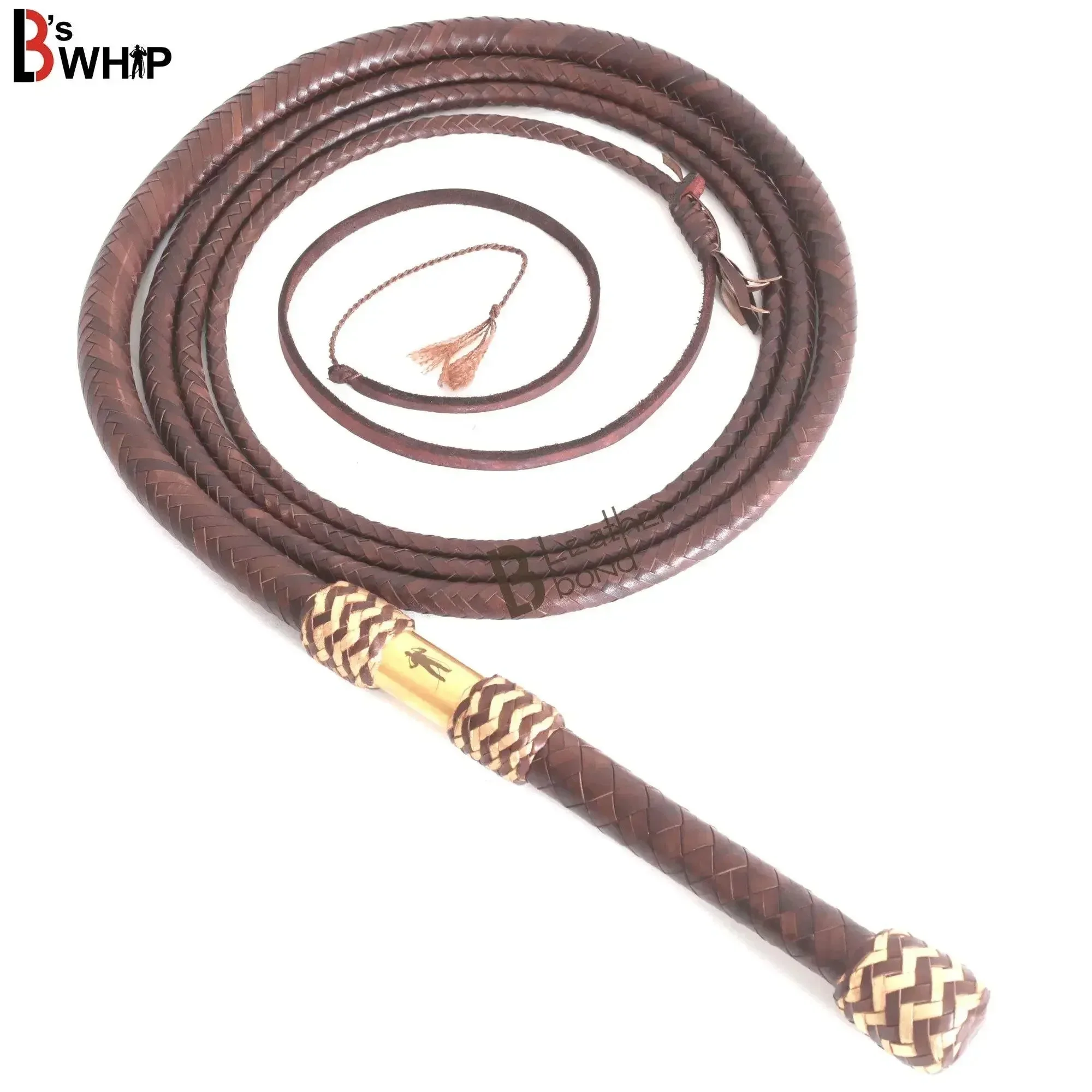
- Bull Whip 6, 8, 10, 12, 14 & 16 Feet long 16 Strands Brown Kangaroo Hide Leather Equestrian Bullwhip Leather Belly & Bolster Construction: Kangaroo hide leather bullwhip with a 16-plait overlay, two kangaroo leather braided bellies, two bolsters, and a 9-inch handle with a steel rod inside. The dense kangaroo overlay and layered belly construction reward slow, consistent break-in; expect it to feel firm at first and to loosen gradually over one to two weeks of short sessions.
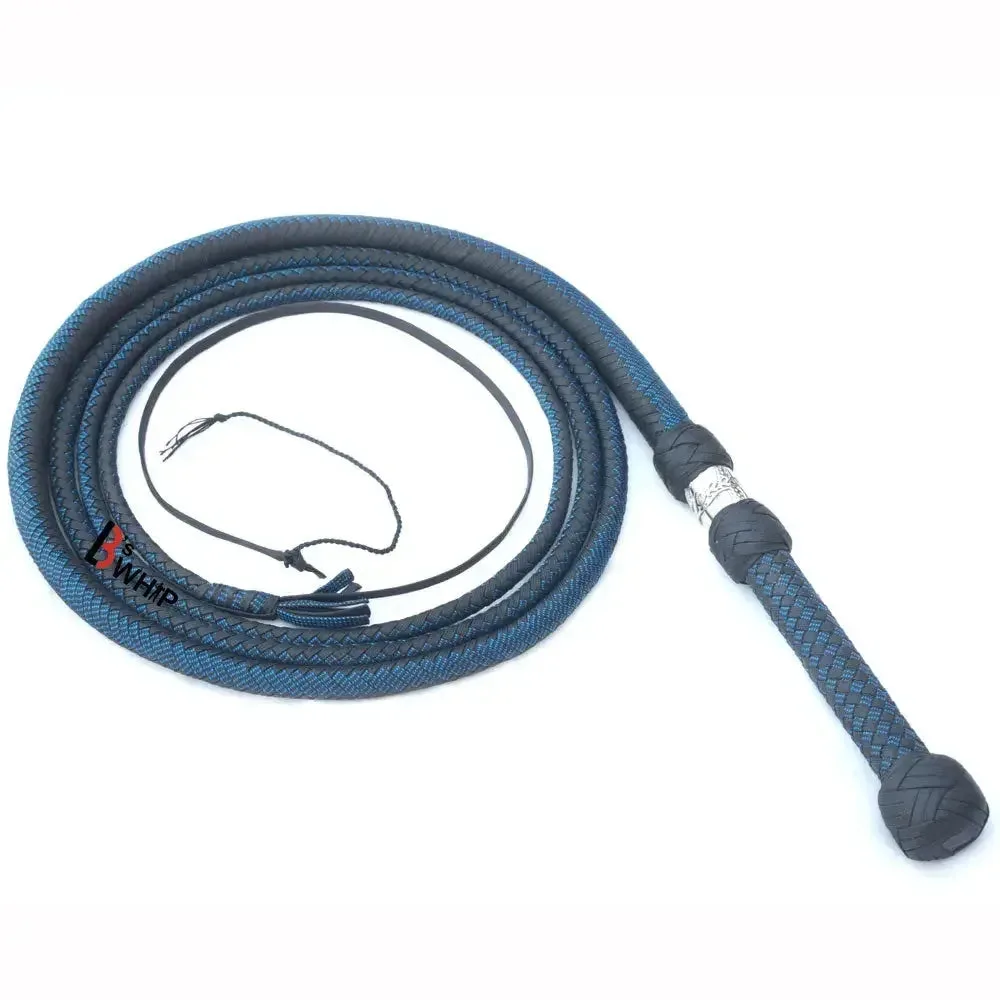
- Zoro Whip 6, 8, 10, 12, 14 and 16 Feet long 16 Strands Zoro Bullwhip Black Para Cord Nylon Bull Whip with Leather Plaited Bellies: Zoro bullwhip with a paracord/nylon overlay and cowhide leather plaited bellies, available in 6 to 16 feet. The nylon overlay is more weather-resistant than leather, so it needs less conditioning, but the cowhide bellies still benefit from the same gradual flexing routine.
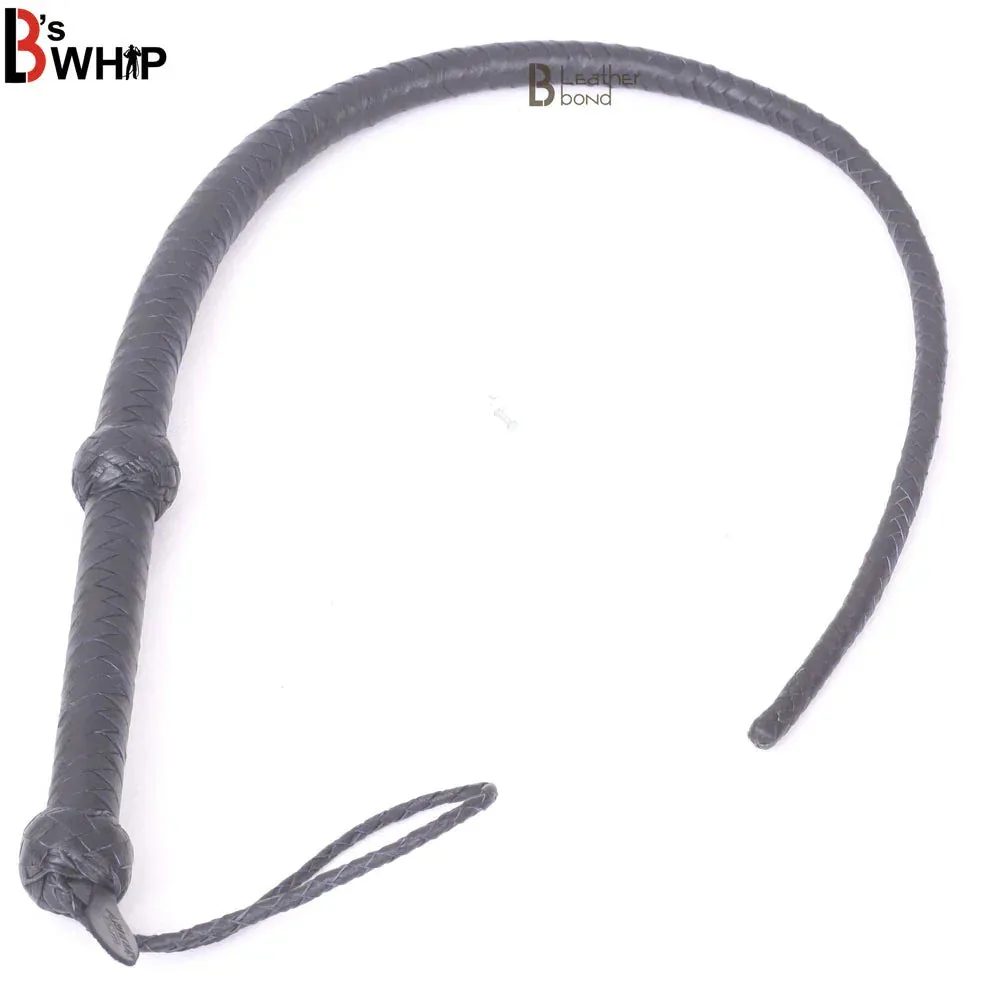
- Bull Whip 3 Foot 8 Plaits Cowhide Leather Bullwhip Black Single Tail: Handcrafted 3-foot cowhide leather bullwhip with an 8-plait braid. A shorter, simpler whip is a practical choice for practicing the slow figure-eight and horizontal cracks before moving to a longer kangaroo hide bullwhip.