Quick answer
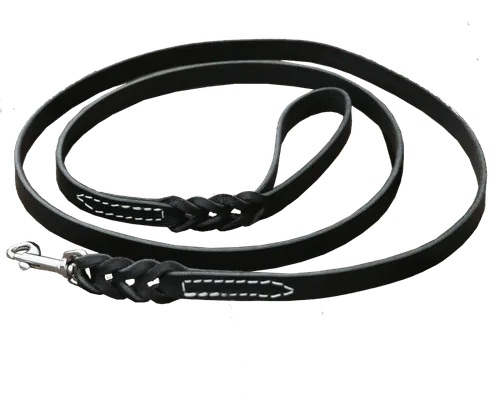
Break in a new leather leash by flexing it with your hands and using it on short walks, then clean it with a damp cloth and condition it with a leather balm every few months. Keep the scissor snap free of grit and store the leash loosely coiled away from heat and damp.
Why leather leashes need breaking in
Full-grain leather starts out firm because the fibers are tightly packed. Walking and handling gradually loosen those fibers, so the leash molds to your grip and stops feeling like a board. The process takes a few weeks of normal use, not a single treatment. Forcing it with water or heat can crack the surface and shorten the leash's life.
Cleaning leather without drying it out
Wipe the leash with a barely damp cloth after muddy walks, then let it air-dry away from direct heat. Avoid soaking leather or using harsh soaps and alcohol, which strip the oils that keep it supple. If the leash gets truly soaked, dry it slowly at room temperature and condition it once it is fully dry.
Conditioning the leather
Apply a small amount of leather conditioner or balm with your fingers, working it into the grain along the whole length. Buff off any excess with a dry cloth. Condition every two to three months, or more often if the leash lives in dry or sunny conditions. Over-conditioning can make leather greasy, so less is more.
Caring for the scissor snap and hardware
Rinse the scissor snap with fresh water after beach or trail walks to remove sand and salt, then dry it thoroughly. A drop of light oil on the hinge keeps it opening smoothly. Check the spring tension regularly; if the snap no longer closes firmly, replace the leash before it fails during a walk.
Storing your leash
Hang the leash loosely or coil it in a circle without tight kinks. Store it away from radiators, direct sun, and damp basements, which can dry, fade, or mildew the leather. A simple hook by the door works better than a cramped drawer.
Step-by-step break-in and care routine
- Flex the leash by hand: Before the first walk, bend the leash back and forth along its length a few times. This starts loosening the fibers without adding water or heat. Checkpoint: the leather should feel slightly more pliable but not damp.
- Use it on short walks: Take the leash on 10- to 15-minute walks for the first week. The natural motion of your hand and your dog's pull will soften it gradually. Mistake to avoid: don't try to speed things up by soaking the leash or leaving it in a hot car.
- Wipe down after dirty walks: Use a damp cloth to remove mud, salt, or sand, then let the leash air-dry completely before storing it. Checkpoint: no visible grit left in the grain or around the snap.
- Condition every few months: Rub a small amount of leather balm into the grain, buff off the excess, and let it absorb. Do this more often in dry climates. Mistake to avoid: over-conditioning, which leaves a greasy film that attracts dirt.
- Maintain the scissor snap: Rinse the snap with fresh water after beach or trail walks, dry it, and add a drop of light oil to the hinge if it feels stiff. Checkpoint: the snap should open and close smoothly and hold securely.
- Store loosely coiled: Hang the leash or coil it in a loose circle away from heat, sun, and damp. Avoid tight kinks that can crease the leather. Next step: check the leash monthly for cracks or a weakening snap.
Product facts
- Leather Dog Leash with Scissor Snap 3/4": The ActiveDogs Handcrafted Latigo Leather Dog Leash is made from premium 3/4-inch wide full-grain latigo leather and is oil-infused, making it naturally water-resistant. Because the leather is already oiled and water-resistant, you can clean it with a damp cloth and condition it less often than untreated leather.