Quick answer
Wear your new arch support flip flops for 20–30 minutes at a time for the first two or three days, then add 15–20 minutes per day as your feet adjust. Keep the straps dry and your feet clean, and stop before you feel sharp pain. Most people notice the firm arch feeling easing within a week of short, regular wear.
Why new arch support flip flops feel firm at first
Arch support flip flops are built to hold your foot in a more supported position than a flat, soft sandal. That means the midfoot and heel areas often feel noticeably firmer on day one. Your feet are not used to that pressure pattern, so the first few wears can create a hot spot or a dull ache along the arch. This is normal and usually fades as the footbed warms and molds slightly to your foot shape.
The break-in period is not about forcing the sandal to change. It is about giving your feet time to adapt to a new support profile. If you have been wearing flat flip flops for years, expect a longer adjustment than someone switching from another supportive shoe.
Set up your first few wears for success
Start at home, not on a long walk. Clean, dry feet grip the footbed better and reduce the chance of slipping, which can cause you to grip with your toes and create tension. Avoid wearing them right after a shower or in the rain during the break-in phase, because moisture makes the strap and footbed more likely to rub.
Keep your toenails trimmed and file any rough edges. A small ridge on a toenail can press into the strap or the footbed and turn a mild adjustment into a painful blister. If you wear socks around the house, choose a thin pair that lets your foot sit naturally in the sandal.
How long the break-in period usually takes
For most people, the arch support flip flops break in period is about one to two weeks of regular, short wears. The first two or three days are the most noticeable. By day four or five, the footbed should feel less foreign and the strap should stop catching your skin. If you only wear them once a week, the process stretches out because your feet never get consistent time to adapt.
There is no exact timeline because foot shape, arch height, and how much you walk all matter. Use comfort as your guide rather than a calendar. If the sandals still feel sharply uncomfortable after two weeks of daily short wears, check the fit before assuming you need more time.
When discomfort means fit, not break-in
Some discomfort is a normal part of adjusting to arch support. Sharp pain, numbness, or a blister that keeps returning is not. Those signs usually point to a size issue or a strap that sits too tightly across the top of your foot. Archiesfootwear uses unisex sizing, so if you are between sizes or have a wider forefoot, the strap tension can feel different than expected.
If your toes hang over the front edge or your heel sits right at the back edge, the sandal is too small. If the strap leaves deep marks after a short wear, it may be too tight for your foot volume. Swap sizes rather than trying to stretch the strap, because forcing a poor fit can make the break-in period much worse.
Your step-by-step break-in plan
- Day 1: Wear them indoors for 20 minutes: Put your new flip flops on clean, dry feet and walk around the house. This lets you feel where the arch support presses and where the strap touches without committing to a long outing. Checkpoint: if you feel a sharp pinch, stop and check the strap tension before continuing.
- Day 2: Add a short outdoor walk: Wear them for 25–30 minutes on a flat, familiar route. Keep the pace easy and avoid hills, which push your foot harder against the arch and strap. Common mistake: wearing them for a full shopping trip on day two and ending up with sore arches.
- Day 3: Extend to 45 minutes: If day two felt manageable, wear them for about 45 minutes. This is a good time to test them on a quick errand or a walk to the mailbox and back. Checkpoint: mild warmth or light pressure is fine; burning or numbness is not.
- Days 4–7: Add 15–20 minutes per day: Increase wear time gradually. By the end of the first week, many people can wear them for an hour or two without thinking about their feet. Common mistake: jumping from 45 minutes to a full day, which can cause a blister or arch fatigue.
- Week 2: Wear them for normal daily activities: Use them for errands, short commutes, and casual time outside. Keep long walks or standing all day for week three if your feet still feel sensitive. Checkpoint: the footbed should feel less firm and the strap should stop catching.
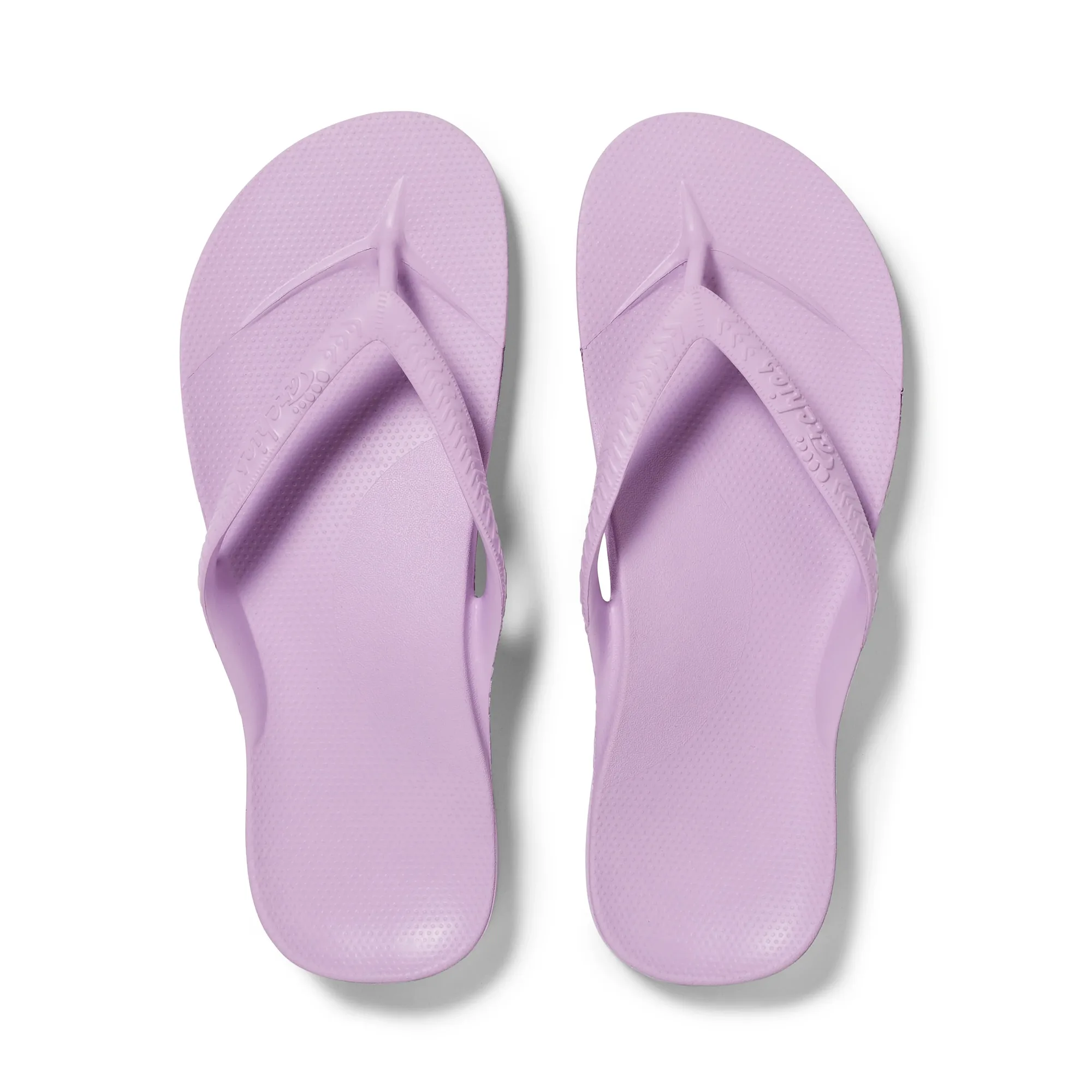
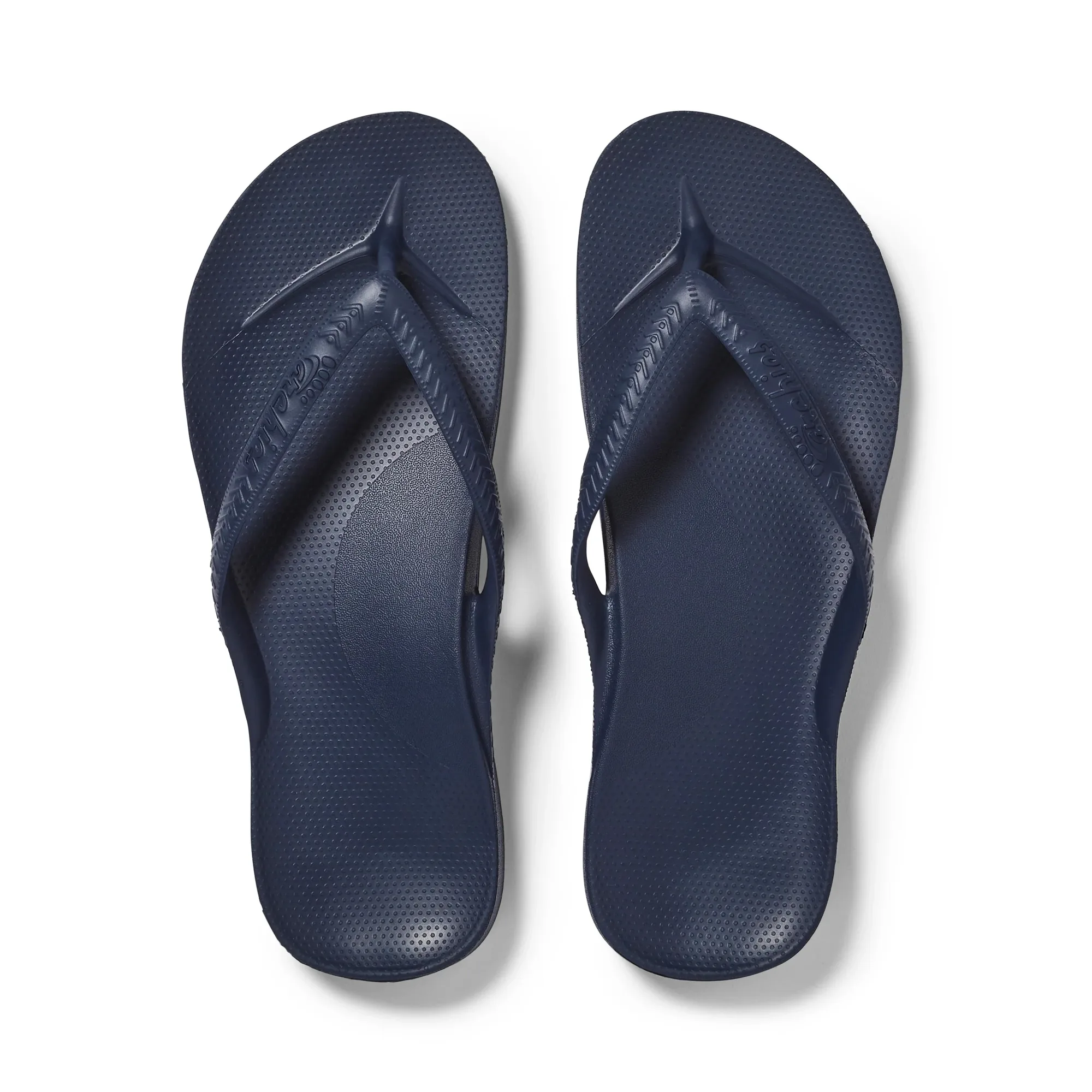
- If discomfort persists, reassess the fit: After two weeks of consistent short wears, sharp pain or recurring blisters usually mean the size or strap tension is wrong, not that you need to push through. Next step: try a different unisex size or a different Classic colorway before giving up on arch support.
Product facts that affect break-in
- Arch Support Flip Flops - Classic - Charcoal: Arch Support Flip Flops - Classic - Charcoal features signature arch support and a timeless design, and is described as comfortable from the moment you put them on and better with every wear. The charcoal colorway is a practical first pair for break-in because it hides scuffs from indoor wear and short errands while your feet adjust.
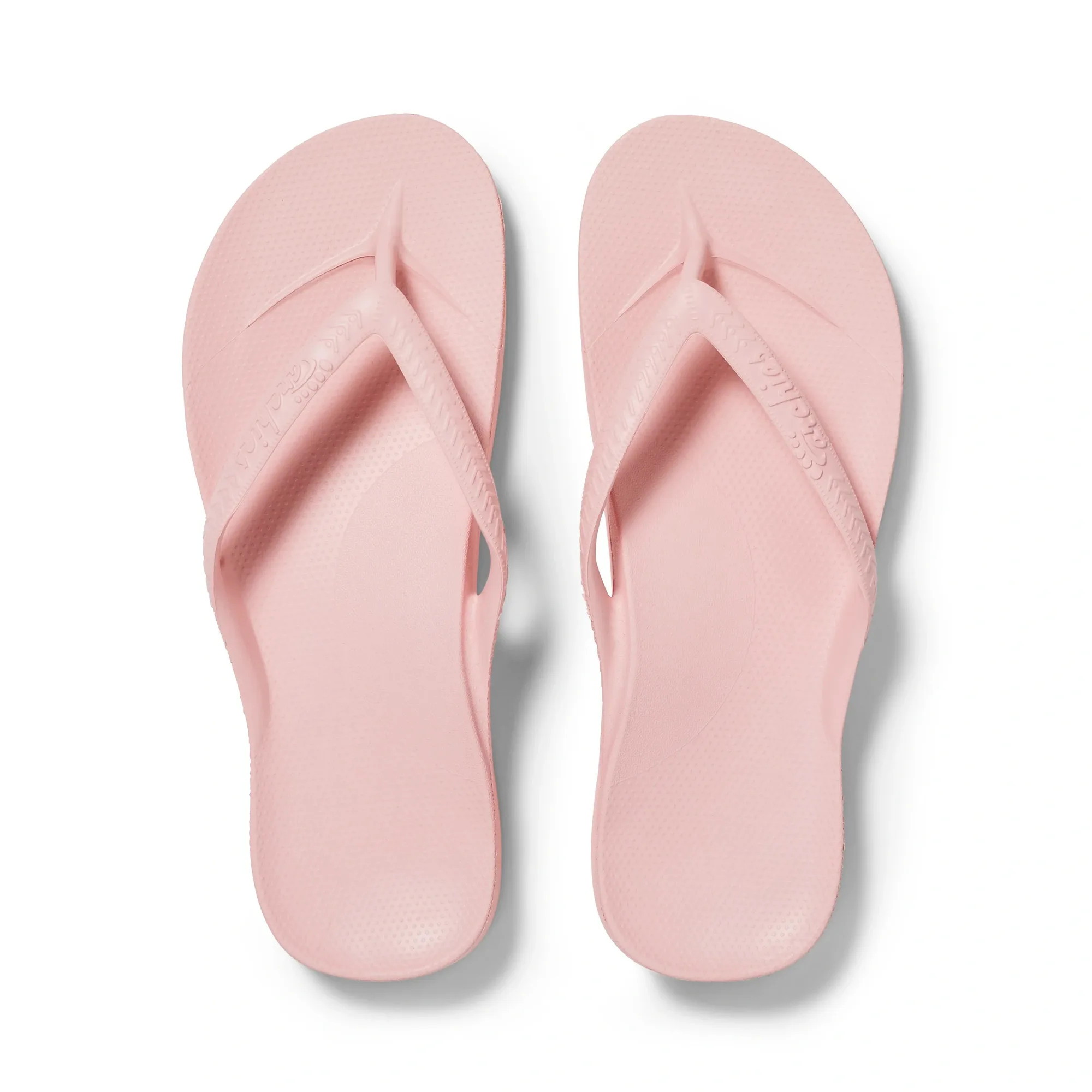
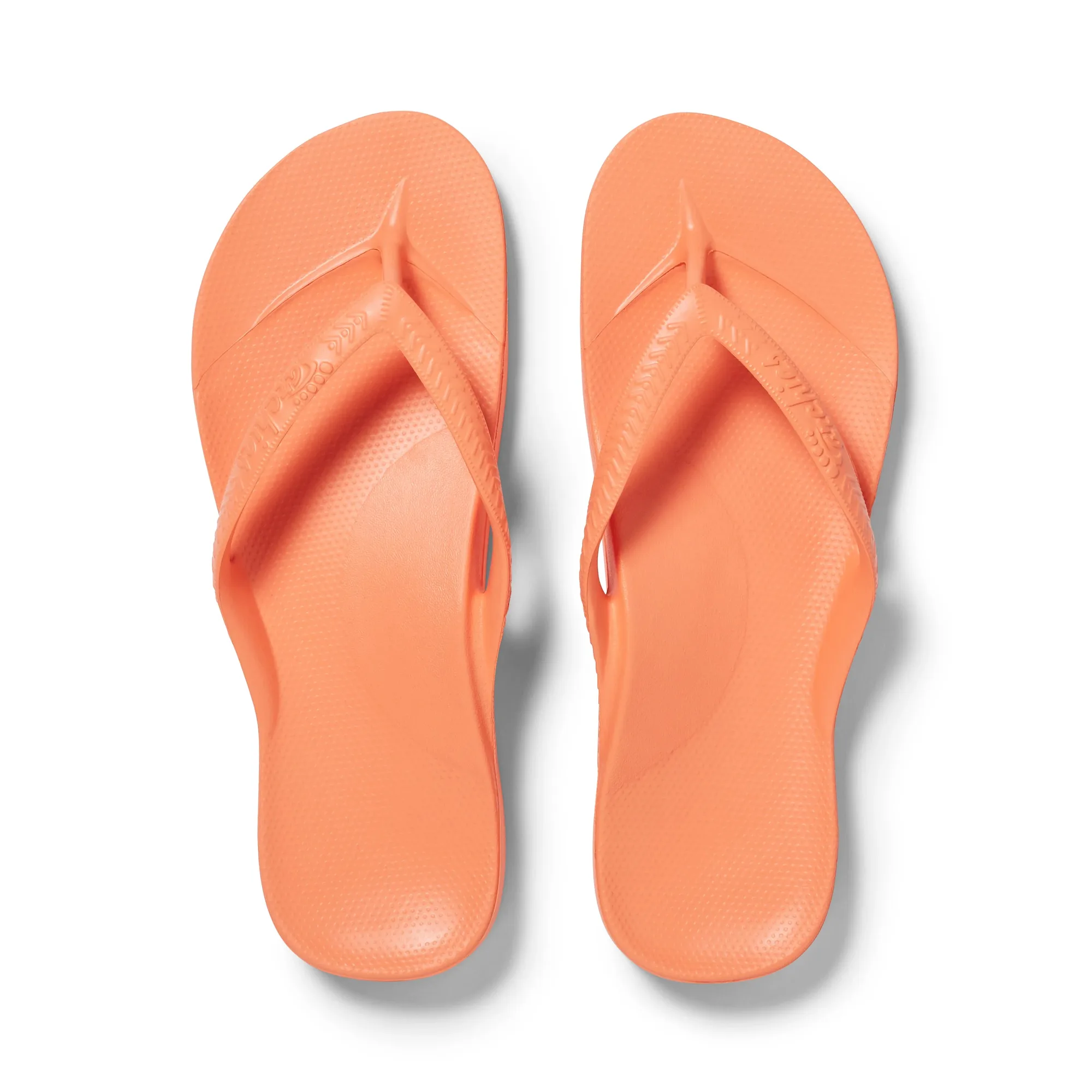
- Arch Support Flip Flops - Classic - Peach: Arch Support Flip Flops - Classic - Peach uses the same signature arch support and timeless design as the Classic line, with unisex sizing. If you want a lighter color for warm weather, the peach option still follows the same short-wear break-in approach, but keep it out of wet conditions until the footbed and strap settle.
- Arch Support Flip Flops - Classic - Crystal Black: Arch Support Flip Flops - Classic - Crystal Black is part of the Classic line with signature arch support and a timeless design, available in unisex sizes. The crystal black finish works as an everyday pair, so you can wear it for short, consistent break-in sessions without worrying about matching a specific outfit.