Quick answer
Break in Damn Good Cards by fanning, dribbling, and springing them in short sessions over two to four days. The Thin Crushed stock and standard finish need light mechanical flexing, not force, and the deck will feel noticeably smoother once the edges and coating settle.
Why Damn Good Cards need a break-in period
Damn Good Cards are printed on Thin Crushed stock, which is designed to feel broken in from the first shuffle. That said, factory-fresh decks still have a slight coating stiffness and paper memory that can make fans feel tight and dribbles uneven. A proper break-in aligns the cards, distributes the finish, and removes that initial snap without wearing out the stock. The process is gentle and should take days, not hours. Rushing it with heavy flexing or moisture will shorten the deck's life and dull the handling you paid for.
What you need before you start
You only need clean, dry hands and a flat surface. Avoid lotions, oils, or damp fingers, as these transfer to the cards and ruin the finish. If your hands tend to sweat, keep a microfiber cloth nearby and wipe your fingertips between sessions. No breaking-in tools, powders, or fanning sprays are required for Damn Good Cards; the stock is already finished for smooth handling.
How long it takes and what to expect
Plan for two to four days of short practice sessions, roughly 15 to 20 minutes each. On day one, the deck may feel slightly stiff and clumpy. By day two, fans should spread more evenly. By day three or four, dribbles and springs should feel consistent. If you practice cardistry or magic for hours daily, you may break in the deck faster, but avoid long marathon sessions that heat up and warp the cards.
Step-by-step break-in method
- Step 1: Shuffle and fan lightly: Hold the deck in mechanics grip and perform 10 to 15 overhand shuffles, then 10 to 15 pressure fans. Keep the pressure light and let the cards slide against each other. This distributes the factory finish and starts aligning the edges. Checkpoint: if the fan feels gritty or uneven, stop and wipe your hands. Do not press harder.
- Step 2: Dribble and spring: Dribble the deck from hand to hand 15 to 20 times, then do 10 to 15 gentle springs. The goal is to flex the cards slightly along their length, not to bend them sharply. Work over a soft surface like a bed or mat in case you drop them. Common mistake: springing too hard and creasing the stock. If you hear a sharp snap, you are using too much force.
- Step 3: Faro and spread: Perform 10 to 20 faro shuffles if you can, or practice a table spread and close. Faro shuffles interlace the cards and help even out any stiffness. Table spreads reveal clumps; repeat until the spread is uniform. Checkpoint: a smooth faro with no resistance means the edges are aligned and the deck is nearly broken in.
- Step 4: Rest and repeat: Put the deck back in its box and let it rest for at least an hour, ideally overnight. Repeat steps 1 through 3 for two to four days. Resting lets the paper memory relax and prevents overworking the stock. Common mistake: skipping rest days. Cards that are worked continuously can warp or lose their snap.
- Step 5: Test and adjust: After each session, test a few fans, a dribble, and a spring. If the deck feels smooth and consistent, you are done. If it still feels stiff, repeat the cycle for one more day. Damn Good Cards usually break in quickly, so stop as soon as handling feels right. Checkpoint: do not keep breaking in a deck that already feels smooth. Overworking wears the finish.
Product facts
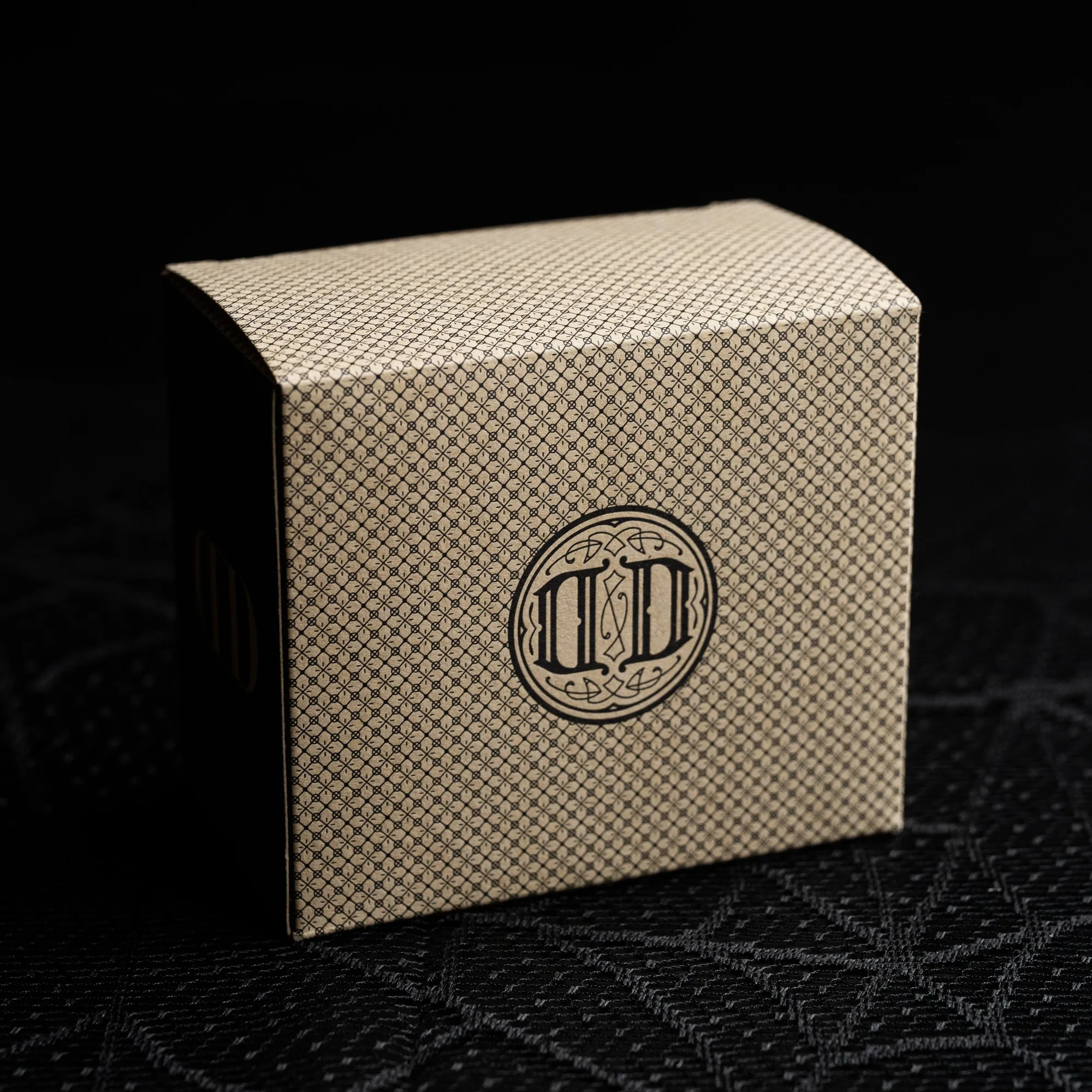
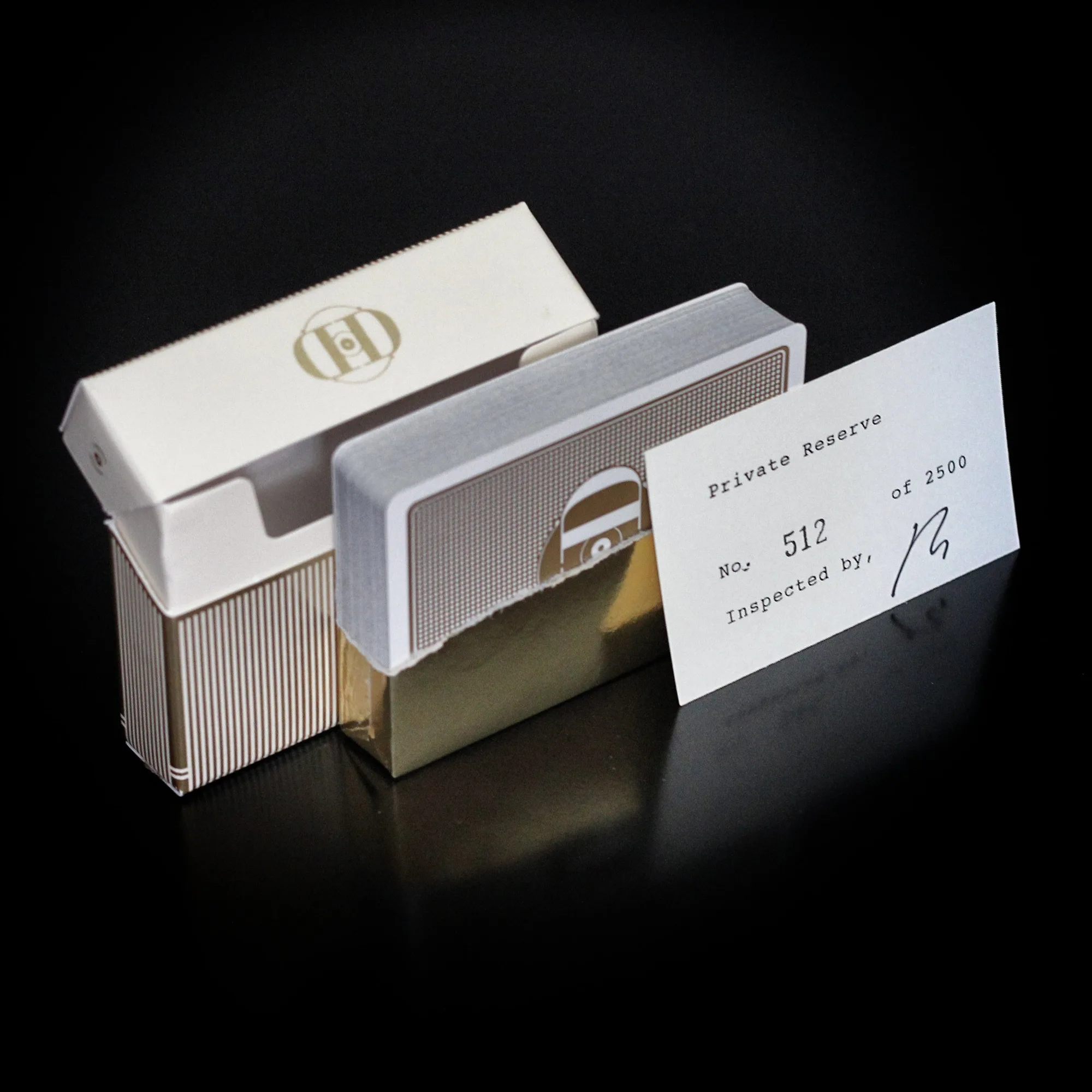
- Damn Good Cards, No. 1: Damn Good Cards, No. 1 are printed on Thin Crushed stock with standardized faces, white borders, and no seal. Thin Crushed stock is already flexible, so your break-in should focus on light flexing and alignment rather than forcing stiffness out. The no-seal box also means you can start breaking them in immediately without cutting a seal.