Quick answer
Break in leather cowboy boots gradually: wear them indoors for short sessions, then add 15–30 minutes of walking per day in thin-to-medium socks, keep the leather conditioned, and stop before hot spots turn into blisters. Most boots need one to three weeks of consistent, short wear. Never soak new boots in water or bake them in an oven to speed this up.
Why new cowboy boots hurt (and what break-in actually does)
New leather boots are stiff because the leather has not yet molded to your foot. Break-in is the process of the leather flexing and conforming at the heel, instep, and ball of the foot. It is not about forcing the boot to stretch everywhere; it is about letting the leather soften where your foot naturally moves. The shaft and heel counter may feel firm for the first week, and that is normal. If the boot is the wrong width or length, break-in will not fix it — it will only make the pain worse.
What you need before you start
Gather thin and medium-weight socks, a leather conditioner, and a shoe horn. Avoid thick ragg socks for the first few days unless the boot feels loose. A shoe horn protects the heel counter when you pull the boot on, which matters because a collapsed counter causes heel slip and blisters. If you have a boot jack, use it to remove the boots without stepping on the heel.
How to tell if the fit is right before breaking in
Your heel should slip slightly — about a quarter inch — when the boot is new. That slip should reduce as the sole and leather flex. Your toes should wiggle freely, and the widest part of your foot should sit at the widest part of the boot. If your toes touch the front or the boot pinches across the instep, stop and size up or try a wider width. Breaking in a too-small boot is the most common reason people give up on western boots.
Your step-by-step boot break-in routine
- Step 1: Start indoors with thin socks: Wear the boots for 20–30 minutes around the house on carpet. Thin socks let you feel pressure points early without adding bulk. Checkpoint: if you feel a sharp pinch or numbness, the fit is wrong — do not continue. Stop if pain is sharp, not just stiff.
- Step 2: Add short outdoor walks: Walk 15–20 minutes outside on flat ground, then increase by 10 minutes each day. This flexes the sole and heel. Mistake to avoid: wearing them for a full workday on day two. Consistency beats long sessions.
- Step 3: Condition the leather: Apply a small amount of leather conditioner to the flex points — where the toe bends and where the boot creases across the instep. Let it absorb overnight. Do not over-condition; once a week is plenty during break-in. Conditioned leather flexes instead of cracking.
- Step 4: Use heat carefully (your feet, not the oven): Put the boots on after a warm shower or walk in them during the warm part of the day. Your body heat softens the leather from the inside. Never soak boots in water or heat them with a hair dryer or oven — that damages the leather and can shrink the fit. Warm feet, not hot leather.
- Step 5: Manage heel slip and hot spots: A little heel slip is normal for the first week. If you feel a hot spot, stop immediately and cover it with a blister bandage before it becomes a blister. A thin heel pad or a second pair of socks can help if slip is excessive. Address hot spots the moment they start.
- Step 6: Rotate and rest the boots: Wear them every other day for the first two weeks. Let them air out between wears. Rotating gives the leather time to dry and hold its new shape. Mistake: wearing the same pair daily and trapping moisture inside. Rest days are part of the routine.
- Step 7: Know when break-in is done: You are done when the boots feel snug but not tight, heel slip is minimal, and you can walk a few miles without thinking about your feet. If pain persists after three weeks of consistent wear, the size or width is likely wrong. See a cobbler for stretching only if the boot is otherwise the right length. Three weeks of pain means refit, not more break-in.
Gear that helps during break-in
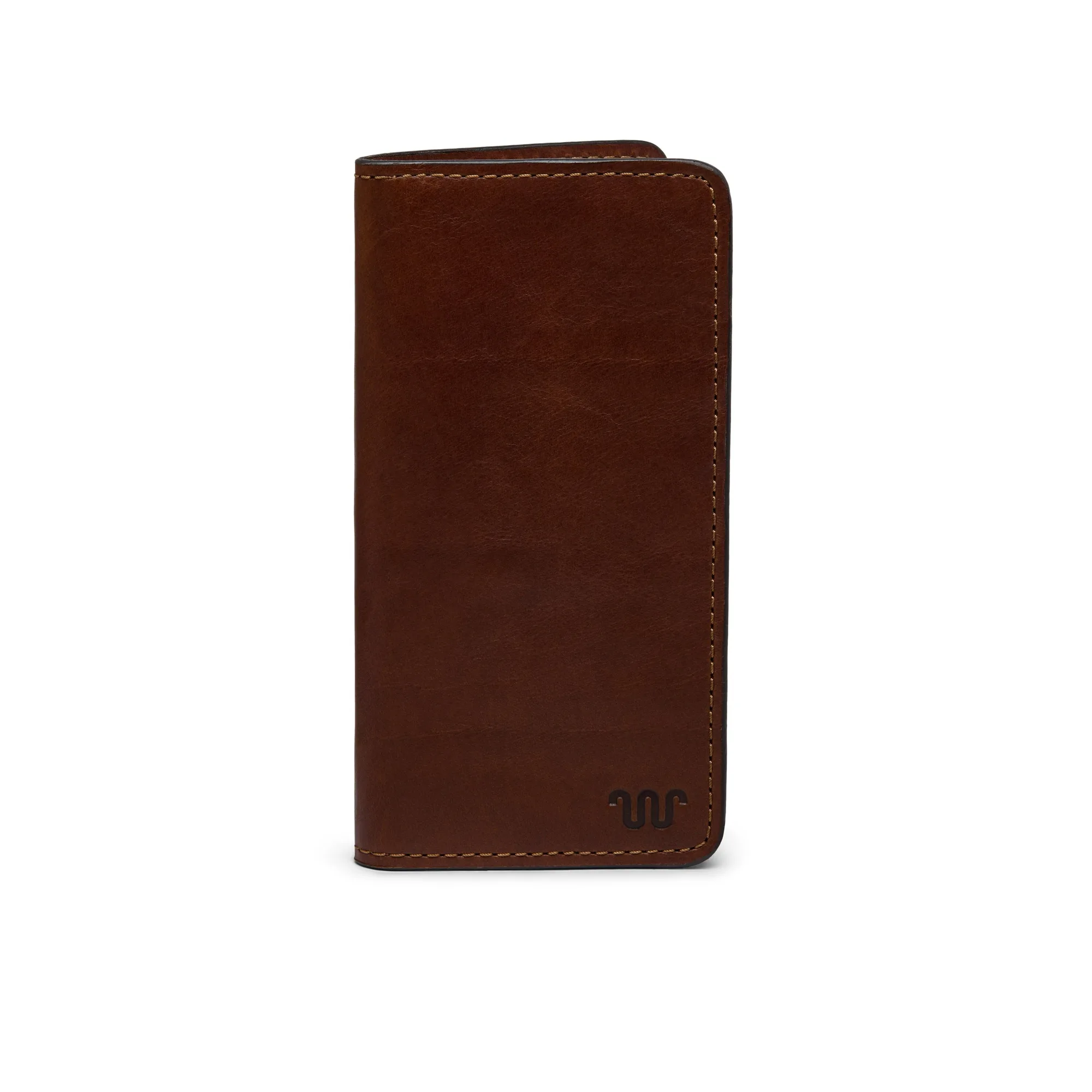
- Kineño Leather Travel Wallet: The Kineño Leather Travel Wallet is made from full-grain pull-up leather that softens and develops a patina with use. The same full-grain leather qualities that make this wallet comfortable over time are what you want in boots: leather that flexes and molds rather than staying rigid.
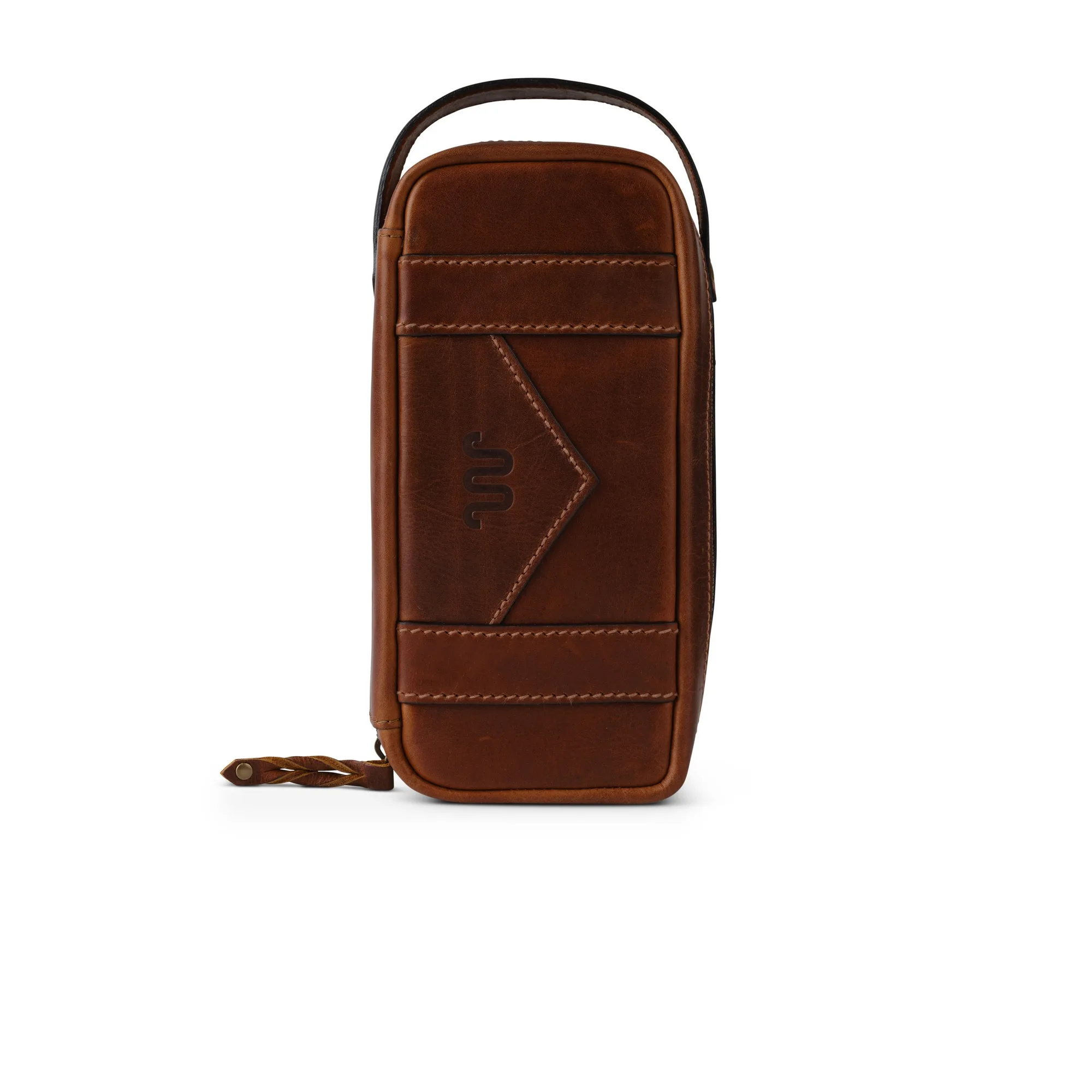
- Kineño Leather Dopp Kit: The Kineño Leather Dopp Kit uses full-grain leather tanned for softness, flexibility, and moisture resistance. Moisture resistance matters for boots too — it helps leather handle sweat and damp conditions without drying out and cracking during break-in.
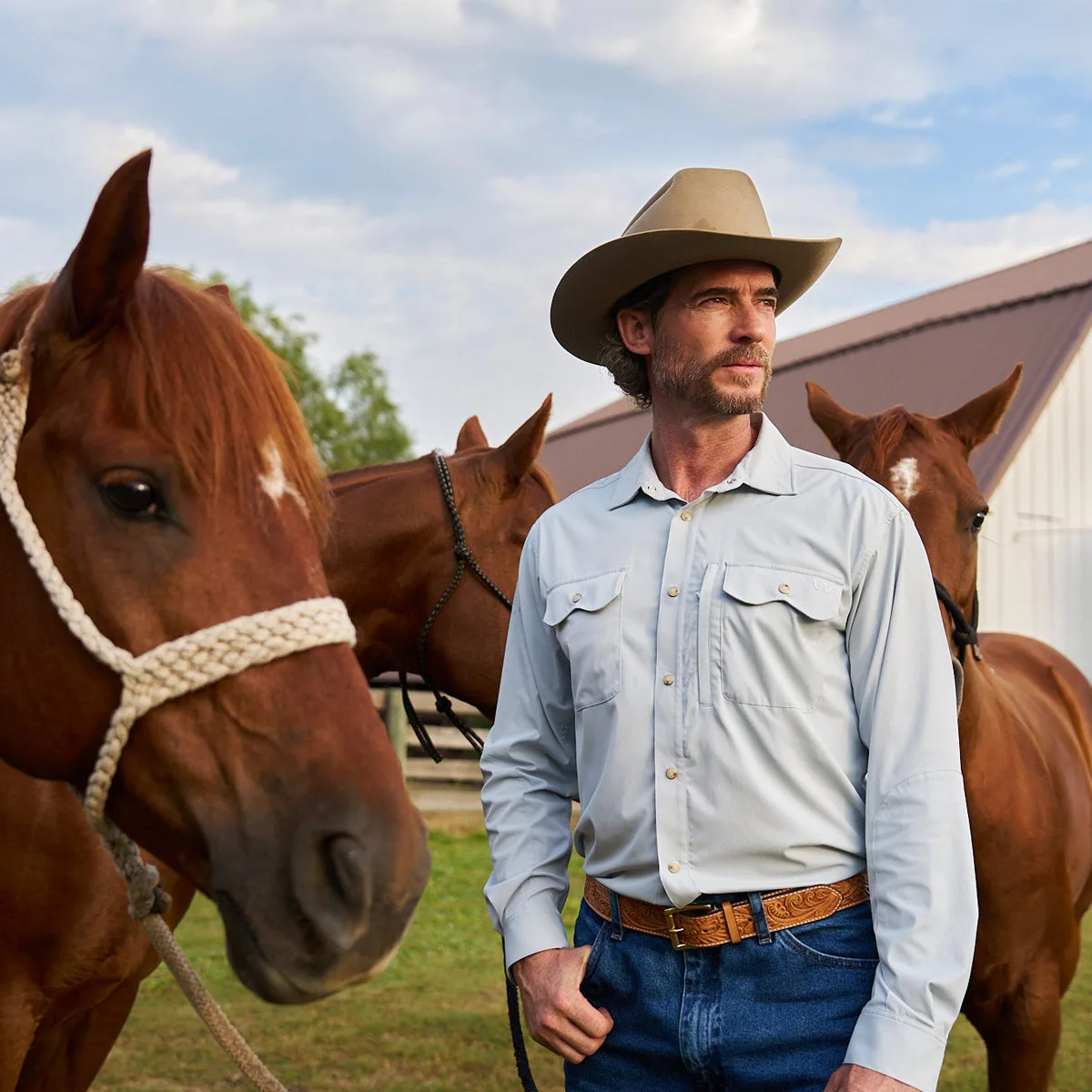
- Men's Blue Norther® Tech Shirt: The Men's Blue Norther Tech Shirt offers UPF 100+ protection, quick-dry performance, cooling technology, and anti-odor properties. When you are breaking in boots outdoors in heat, a quick-dry, cooling shirt keeps you comfortable and reduces sweat that can make new leather feel slick and cause rubbing.