Quick answer
Break in new leather dog gear by flexing it in small, controlled sections over several days, not by soaking it or forcing it straight. Clean the surface first, apply a thin coat of leather conditioner, then work the leather with your hands for a few minutes at a time. The gear should feel more pliable within a week; if it still feels like a board, add another light conditioning session rather than more force.
Why new leather feels stiff and what cracking actually is
New leather is stiff because the fibers are tightly packed and the natural oils from tanning have not yet been distributed by movement. Cracking happens when the surface layer dries out faster than the fibers underneath can flex, so the top layer splits along a crease. That is why the goal is even flexibility, not maximum softness. A working lead or collar needs some body to hold its shape and transmit pressure cleanly, so you are loosening the leather, not turning it into cloth.
Start with a clean, dry surface
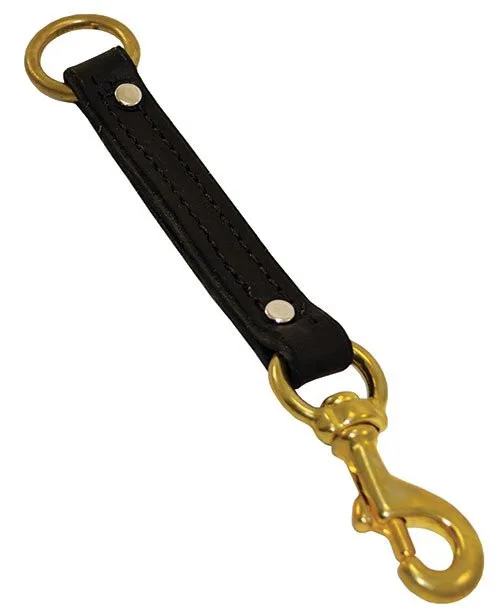
Wipe the leather with a dry or barely damp cloth and let it air dry completely before conditioning. Dirt and grit act like sandpaper inside the leather when you flex it, and a damp surface stops conditioner from absorbing evenly. If the gear has metal hardware, check that the rivets and D-rings are tight before you start working the leather. A loose rivet will only get looser once the leather softens around it.
Condition lightly, then flex in sections
Apply a small amount of leather conditioner with your fingers and work it in along the full length, including the edges. Let it sit for a few minutes, then wipe off any excess. Now flex the leather in six-inch sections: bend it back and forth gently with both hands, then move to the next section. Spend five to ten minutes total, then set the gear aside for a day. Repeating this over three or four days distributes the conditioner and loosens the fibers without stressing any single crease.
Use the gear for short, low-stress sessions
After the first conditioning round, use the leash or collar for short training sessions on flat ground. Walking and light obedience work flex the leather naturally and show you where it still feels stiff. Avoid heavy pulling, agitation work, or wet conditions until the leather has broken in, because those add stress while the fibers are still tight. A stiff leather obedience lead will usually soften fastest during normal walking because the leather bends in the same place with every step.
What not to do: water, heat, and force
Do not soak leather to speed up break-in. Water swells the fibers, pushes out the tanning oils, and leaves the leather weaker and more likely to crack once it dries. Do not use a hair dryer, radiator, or direct sun for the same reason. And do not hang heavy weight from a new leash or collar to stretch it; that stresses the stitching and hardware before the leather can move with them. If the gear still feels stiff after a week of light use and conditioning, repeat the conditioning step instead of adding force.
Match the break-in method to the gear
Thin, flat leather such as a 1/2-inch obedience lead breaks in quickly because there is less material to flex. Wider collars and thicker agitation gear take longer because the leather has more mass and often a tighter stitch pattern. Braided or layered leather needs conditioner worked into the seams and edges, where cracking often starts. Check the gear after each session and stop if you see a dry, light-colored line forming at a crease; that is the early sign of a crack, and another light conditioning session will usually stop it.
Break-in steps that prevent cracking
- Wipe and dry the leather: Remove dust and grit with a dry cloth, then let the gear air dry completely before applying anything. Checkpoint: the surface should feel dry, not tacky, before you condition.
- Apply a thin coat of conditioner: Work a small amount into the full length and edges with your fingers, let it sit a few minutes, then wipe off the excess. Mistake to avoid: over-conditioning, which leaves the leather greasy and weak.
- Flex in six-inch sections: Bend the leather back and forth gently along its length for five to ten minutes, then let it rest for a day. Checkpoint: repeat this for three or four days before expecting full softness.
- Use it for short, light sessions: Walk or do basic obedience work on flat ground so the leather flexes naturally under low stress. Mistake to avoid: heavy pulling or wet conditions while the leather is still stiff.
- Inspect creases after each session: Look for dry, light-colored lines where the leather bends most, and condition again if they appear. Next step: if the gear still feels stiff after a week, repeat the conditioning step rather than forcing it.
Gear that benefits from a proper break-in
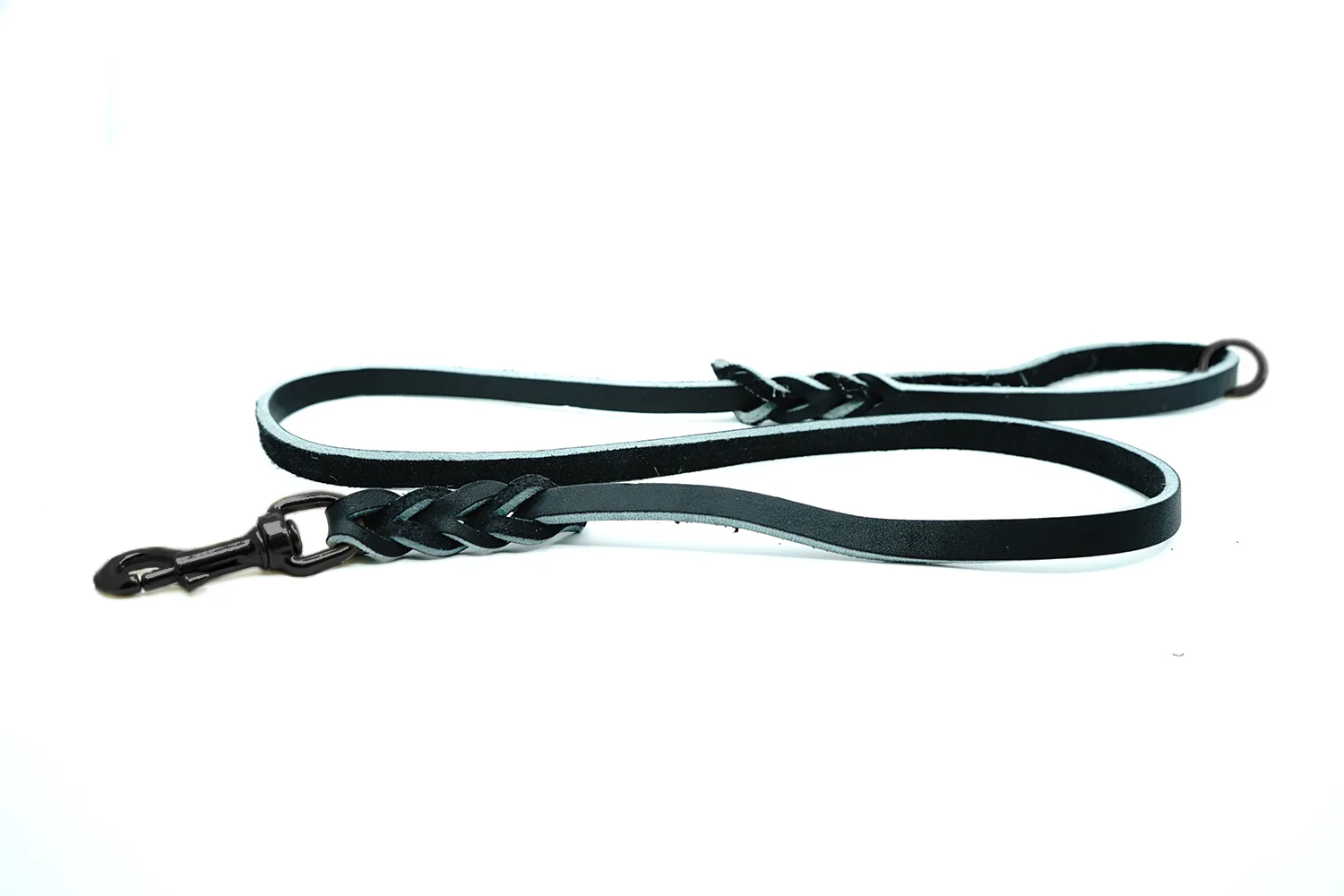
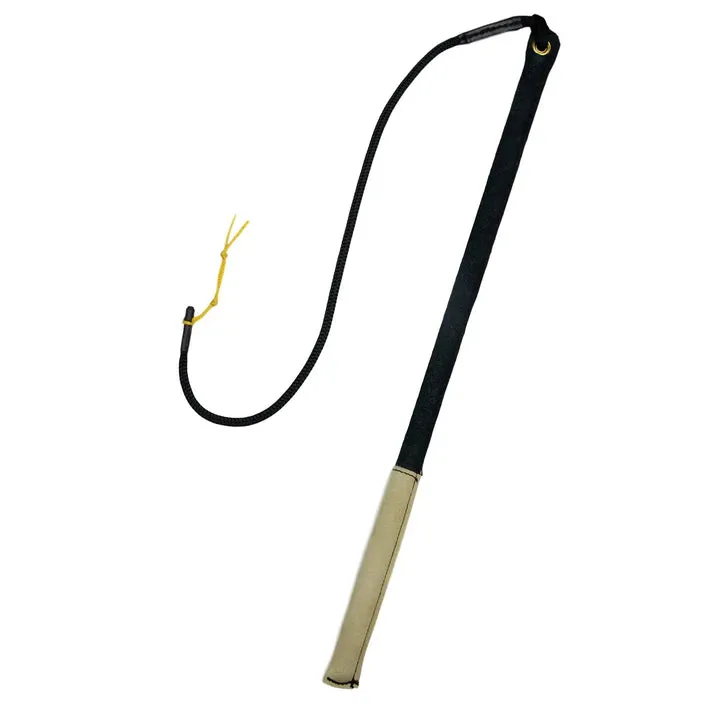
- Tac-Black Leather Braided Obedience Lead: Tac-Black Leather Braided Obedience Lead is available in 1/2-inch and 3/4-inch widths and is built for obedience training and everyday use. The 1/2-inch width flexes faster during break-in, while the 3/4-inch width holds more shape and needs a few extra conditioning sessions before it feels broken in.
- E-Collar Technologies K9-400 Trainer w/ Bungee Collar: E-Collar Technologies K9-400 Trainer w/ Bungee Collar includes a 33-inch bungee collar that fits neck sizes from 6 to 30 inches. The bungee section absorbs movement, so the leather and hardware on the collar see less direct stress while you are breaking in the rest of the gear.