Quick answer
Clean hard gear—bowls, toys, and buckles—with hot soapy water or a pet-safe disinfectant, and wash fabric or coated gear like collars, harnesses, and leashes with mild soap and warm water, then air-dry completely. The real key is frequency: bowls and toys need cleaning every few days, while collars and harnesses usually need a wash every two to four weeks, or sooner after mud, saltwater, or heavy shedding.
Why a cleaning routine protects your dog and your gear
Dirt, oils, and dried sweat break down stitching and coatings faster than most owners realize, and a grimy collar or harness can irritate skin or trap odor. A simple routine also gives you a chance to spot chewed webbing, loose hardware, or failing hook-and-loop before it becomes a safety problem.
The sequence below moves from the dirtiest items to the cleanest, so you are not spreading grime from a muddy leash onto freshly washed bowls.
Step 1: Prep and separate your gear
Unclip everything and remove detachable pieces—patches, pouches, and covers. Check the care label or product page before you start, because leather, coated webbing, and padded harnesses do not all tolerate the same treatment. If a manufacturer does not list a cleaning method, treat the item as spot-clean only and test a hidden area first.
Step 2: Clean collars, harnesses, and leashes
For most nylon, coated webbing, and BioThane-style gear, mix a few drops of mild dish soap in warm water, scrub with a soft brush or cloth, and rinse until the water runs clear. Avoid harsh solvents, bleach on coated webbing, and the washing machine unless the maker explicitly allows it—agitators can bend hardware and fray stitching.
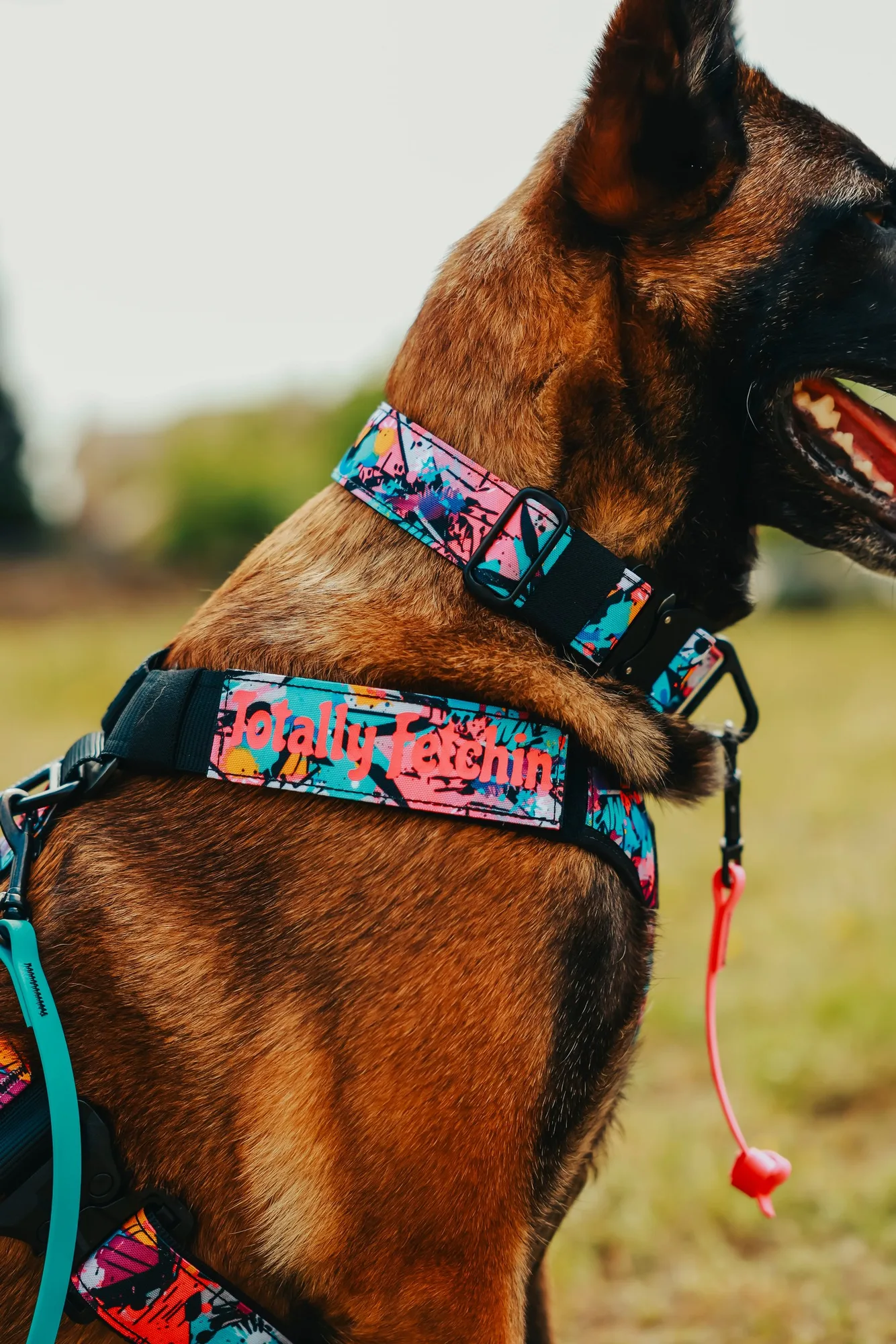
Pay attention to the parts that touch skin: the inside of the collar, the chest and girth straps of a harness, and the handle and clip of a leash. These are where salt, oils, and odor collect.
Step 3: Clean bowls and water dishes
Stainless steel and ceramic bowls can go in the dishwasher if labeled dishwasher-safe; otherwise wash them by hand in hot soapy water and rinse thoroughly. Plastic bowls scratch easily and those scratches harbor bacteria, so replace them when the surface feels rough or retains a smell after washing. Clean water bowls daily and food bowls at least every few days.
Step 4: Disinfect toys and chews
Rubber and hard plastic toys can be washed in hot soapy water or a diluted pet-safe disinfectant, then rinsed and dried. Rope toys and plush toys hold moisture and are hard to disinfect fully—if a rope toy smells sour or a plush toy stays damp, it is safer to replace it. Always rinse disinfectant residue completely, because dogs lick their toys.
Step 5: Dry everything completely
Air-dry gear in a ventilated spot away from direct sun, which can fade colors and weaken some coatings. Hang harnesses and leashes so water drains out of padding and hardware. Never store damp gear in a closed bag or bin—trapped moisture causes mildew and rust, and it undoes the work you just did.
Step 6: Inspect and replace worn parts
While gear dries, check stitching, webbing, buckles, and hook-and-loop. Frayed webbing, cracked plastic, or a buckle that does not click firmly means the item is done. Some gear is designed to be refreshed rather than replaced—for example, the E-Tac Collar Cover Replacement restores a worn E-Tac 1.75" collar, and it is only compatible with that collar, so match the size to your existing collar before ordering.
Your step-by-step cleaning routine
- Step 1: Prep and separate: Unclip gear, remove detachable patches and covers, and check care instructions before washing. Mistake to avoid: throwing leather or padded harnesses into the washing machine without checking.
- Step 2: Wash collars, harnesses, and leashes: Scrub with mild soap and warm water, focusing on skin-contact areas, then rinse until clear. Checkpoint: no soap residue should remain when you squeeze the webbing.
- Step 3: Clean bowls: Wash in hot soapy water or a dishwasher if labeled safe; replace scratched plastic bowls. Mistake to avoid: letting food bowls sit unwashed for a week—aim for every few days.
- Step 4: Disinfect toys: Wash rubber and hard plastic toys, rinse thoroughly, and discard sour rope or damp plush toys. Checkpoint: if a toy still smells after cleaning, replace it.
- Step 5: Dry completely: Air-dry in a ventilated area out of direct sun; hang harnesses so water drains from padding. Mistake to avoid: storing damp gear in a closed bag, which causes mildew and rust.
- Step 6: Inspect and replace: Check stitching, webbing, buckles, and hook-and-loop while gear dries; replace anything frayed or cracked. Next step: refresh compatible parts like the E-Tac Collar Cover Replacement instead of replacing the whole collar.
Gear that makes cleaning and upkeep easier
- 1/2" BioThane Beta Tab: 1/2" BioThane Beta Tabs are made from premium BioThane Beta material and are described as lightweight, durable, waterproof, stink-proof, and resistant to picking up dirt, debris, or moisture. A quick wipe-down is usually enough after wet or muddy sessions, which cuts drying time and reduces odor compared with porous webbing.
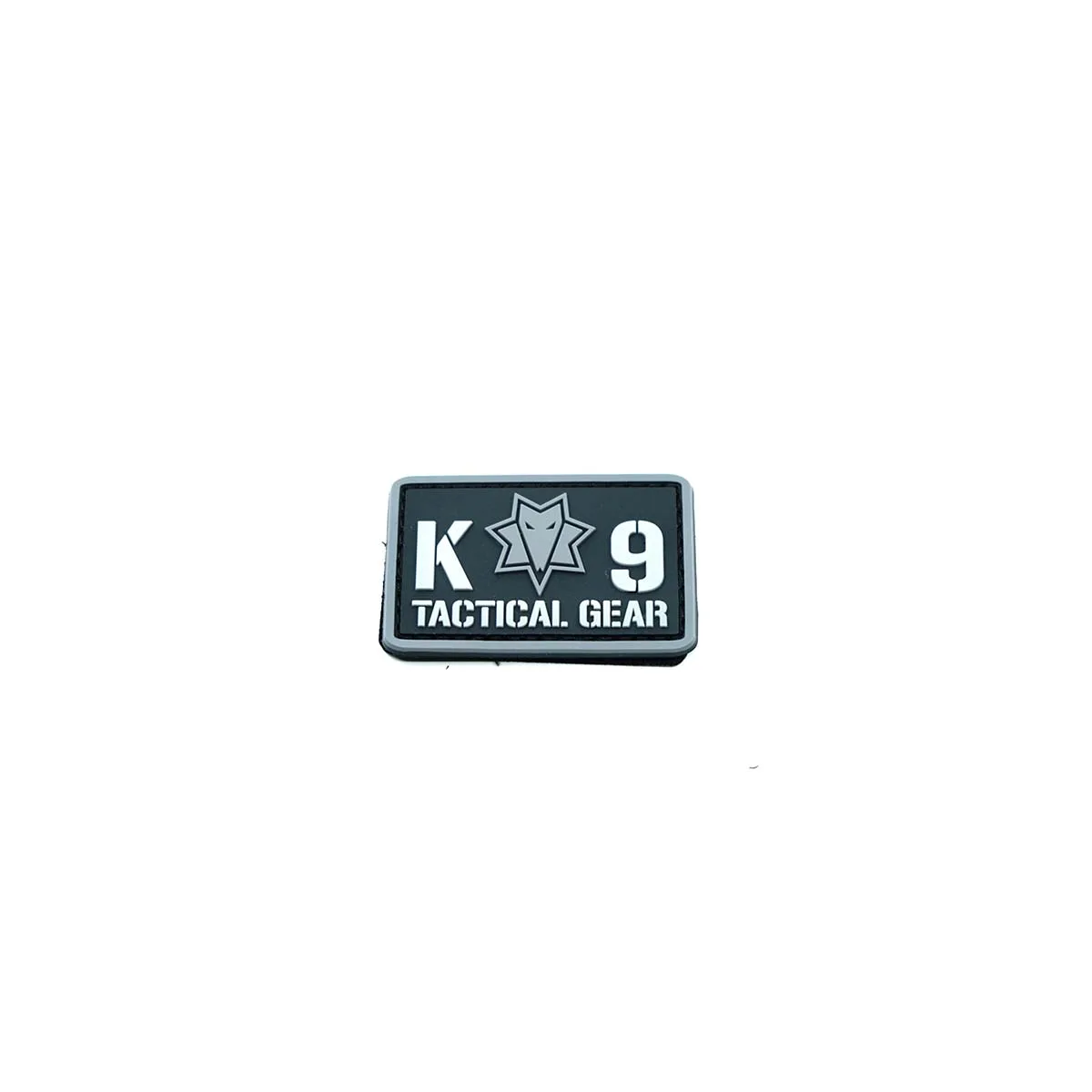
- K9 Tactical Gear PVC Patch: The K9 Tactical Gear PVC Patch measures 1.1" x 2" and attaches with hook-and-loop backing for collars, harnesses, or other gear. Because it is removable, you can pull it off before washing the collar or harness and reattach it once everything is dry.
- E-Tac Collar Cover Replacement: The E-Tac Collar Cover Replacement is only compatible with the E-Tac 1.75" Collar and comes in four sizes that match the collar sizes. If the cover is worn but the collar itself is sound, replacing the cover is a cheaper fix than buying a whole new collar—just confirm the size first.