Quick answer
To break in a tight leather knife sheath, work the blade in gradually by hand, apply a thin coat of leather conditioner only when the leather feels dry, and store the sheath with the knife inserted. This keeps the fit snug without stretching it out, and it prevents the leather from drying out and cracking.
Why leather sheaths need breaking in and care
New leather sheaths are often stiff because the leather hasn't been flexed or conditioned yet. A tight fit is intentional—it creates tension around the handle to hold the knife securely. But if you force a knife into a dry sheath, you risk scratching the blade or tearing the leather. Over time, leather also loses natural oils, becoming brittle and prone to cracking, especially in dry climates or with heavy use.
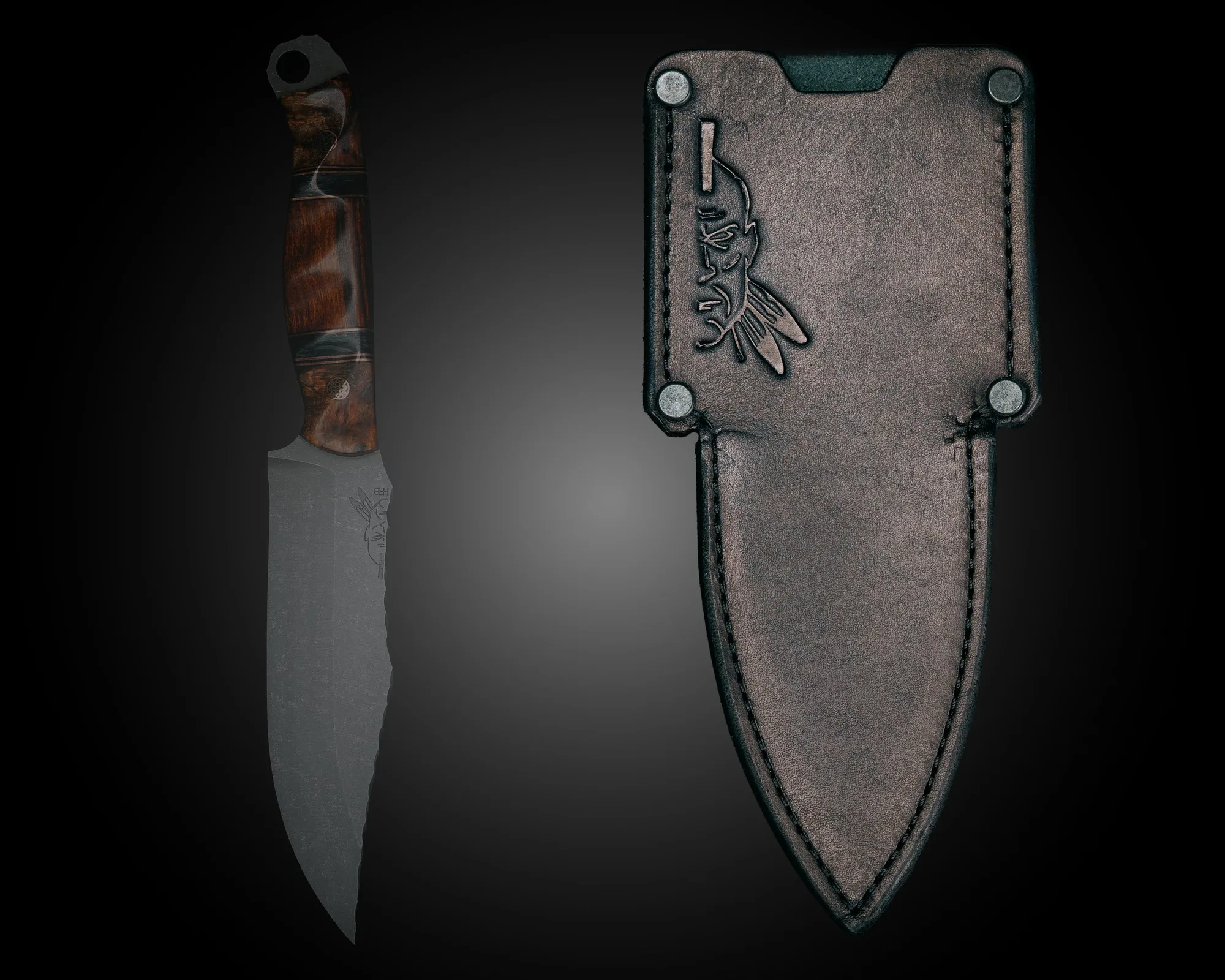
Breaking in and maintaining a leather sheath is about preserving that balance: keeping the leather supple enough to flex without becoming so soft that retention suffers. The steps below apply to any quality leather sheath, including the Half Face Blades leather sheath designed for models like the Disaster Breacher, Widowmaker, Crow Scout, and Cavner full.
Step 1: Check the fit and identify tight spots
Before you do anything, insert the knife into the sheath and note where it binds. Most tightness occurs around the handle or the throat of the sheath. If the knife won't go in at all, don't force it. Instead, inspect the sheath for any obstructions or stitching that might be catching. The Half Face Blades leather sheath is designed for wider blades that are 8" to 10" overall, so if your knife is outside that range, the fit may never be right.
Step 2: Work the knife in gradually
With the sheath at room temperature, insert the knife about a third of the way in, then pull it out. Repeat this several times, gradually working deeper each time. This gently stretches the leather without distorting it. Never jam the knife in or use tools to pry the sheath open—that can damage the leather fibers and ruin the fit.
Step 3: Apply conditioner sparingly
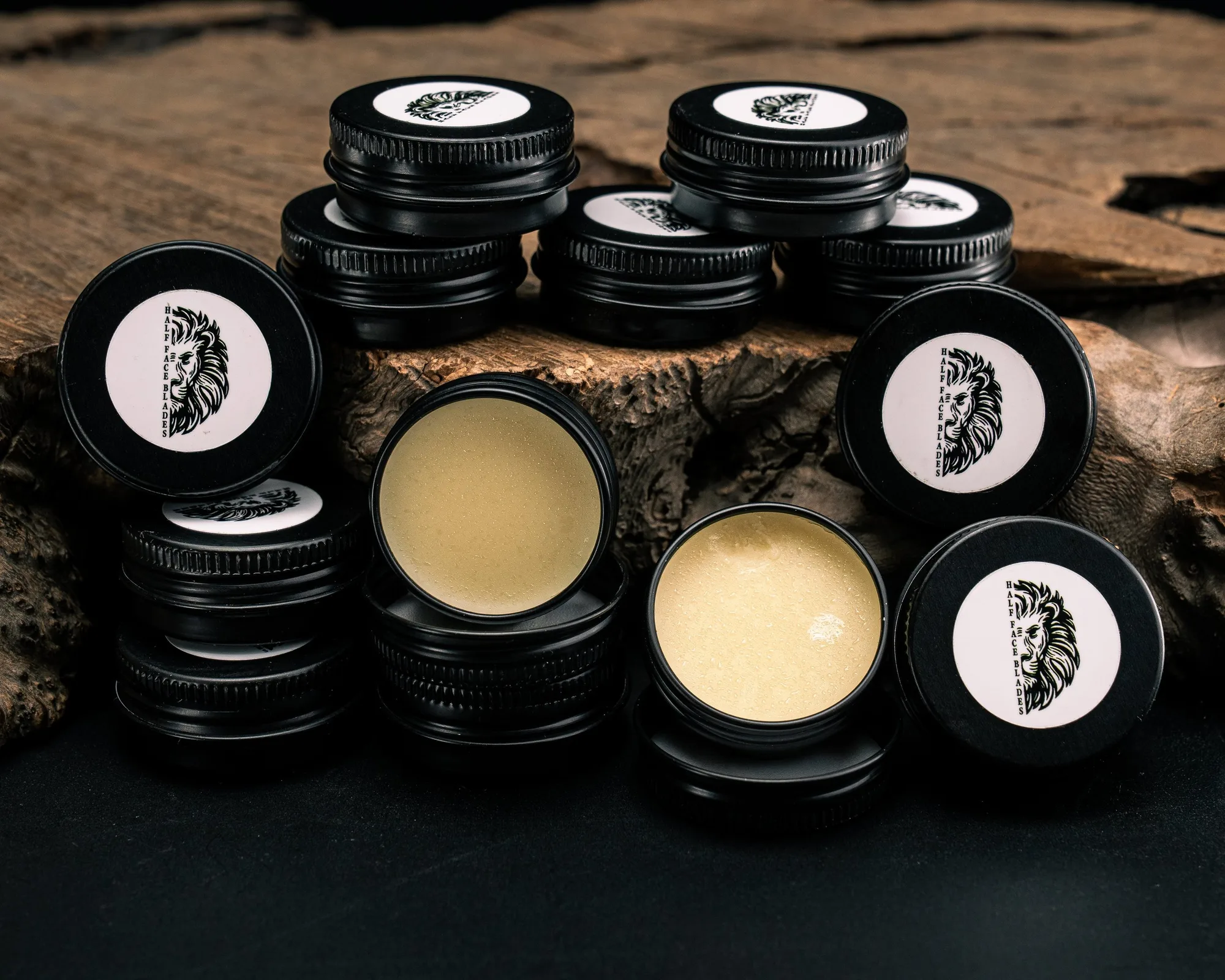
If the leather feels dry or stiff after a few insertion cycles, apply a small amount of leather conditioner (a dedicated leather balm or oil) to the inside of the sheath with a clean cloth or swab. Focus on the tight areas. Let it absorb for 20–30 minutes, then wipe out any excess. Over-conditioning is a common mistake—it softens the leather too much and reduces retention. A thin, even coat is all you need.
Step 4: Let the sheath sit with the knife inserted
After conditioning, insert the knife fully and let the sheath sit for several hours or overnight. This allows the leather to mold to the knife's shape while the conditioner works. If you're breaking in a Half Face Blades leather sheath, this step helps the leather conform to the specific handle contours. Don't leave the knife in a damp sheath for days—once the leather is dry to the touch, remove the knife and check the fit.
Step 5: Repeat as needed, then maintain regularly
If the fit is still too tight, repeat steps 2–4. Most sheaths break in within a few sessions. Once the fit is right, maintain it by conditioning the sheath every 3–6 months, or more often if you live in a dry climate or carry it daily. Wipe off dirt and moisture after each use, and avoid leaving the sheath in direct sunlight or extreme heat, which can dry out and crack the leather.
Step 6: Store it properly
For long-term storage, keep the knife in the sheath to maintain its shape, but ensure both are clean and dry. Store in a cool, dry place away from direct sunlight. If you're storing the sheath without the knife, stuff it loosely with acid-free tissue paper to hold its shape. Avoid plastic bags, which can trap moisture and lead to mold. A leather sheath that's stored correctly will last for years and keep its retention.
Step-by-step leather sheath care
- Check the fit: Insert the knife and note where it binds. If it won't go in, do not force it—inspect for obstructions. Forcing a knife can tear leather or dull the edge.
- Work the knife in gradually: Insert the knife partway, pull it out, and repeat, going deeper each time. Do this for a few minutes. Never use tools to stretch the sheath—hand pressure is enough.
- Condition sparingly: Apply a thin coat of leather conditioner to the inside of the sheath, let it absorb, then wipe out excess. Over-conditioning softens leather and reduces retention.
- Let it sit with the knife inserted: Leave the knife in the sheath for several hours or overnight to let the leather mold to the knife. Remove the knife once the leather is dry to the touch.
- Repeat if needed: If the fit is still tight, repeat the insertion and conditioning steps until the knife slides in with firm resistance. Most sheaths break in within a few sessions.
- Maintain regularly: Condition every 3–6 months, wipe off dirt and moisture after use, and avoid extreme heat or sunlight. Regular care prevents cracking and extends sheath life.
- Store properly: Keep the knife in the sheath for storage, or stuff with acid-free tissue if storing empty. Store in a cool, dry place. Avoid plastic bags—they trap moisture and cause mold.
Product facts
- (Black Leather sheath) Disaster Breacher, Widowmaker, Crow Scout, Cavner full, size leather sheath, wider blades, 9"-10" oa, 4-5" blade: Black leather sheath made from premium oiled saddle leather. Can be worn vertical or horizontal. Tight fit around knife handle creates tension for staying in sheath. Fits wider handle knives that are 8" to 10" overall. The oiled saddle leather is already treated, so it needs less conditioning than untreated leather. The tight fit is intentional for retention, but it means you should break it in gradually to avoid damaging the leather or scratching your blade.