Quick answer
Give new Campfire Audio earphones 20–50 hours of normal listening before you judge them. Play a variety of music at moderate volume, let the drivers loosen up naturally, and don't chase a specific hour count. If you want a shortcut, leave them playing overnight at a comfortable level, then reassess. Most perceived changes happen in the first day or two, not the first ten minutes.
What actually changes during break-in
Driver break-in is a mechanical settling process. The diaphragm, surround, and voice coil move slightly more freely after some hours of use, which can subtly shift bass control and treble smoothness. It is not a transformation, and it is not a myth either. The honest version: some listeners hear a difference, some don't, and the difference is usually smaller than a change in eartips or fit.
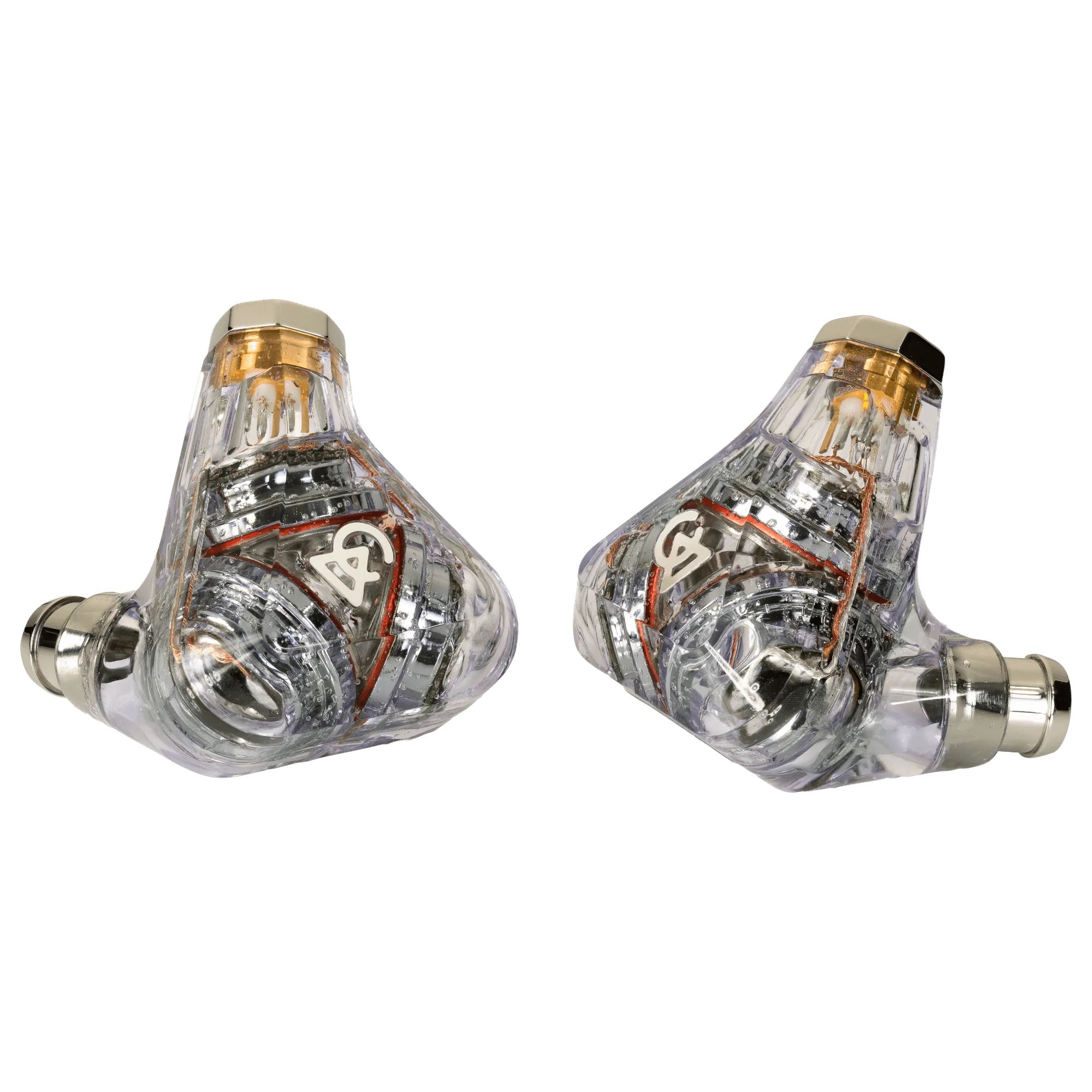
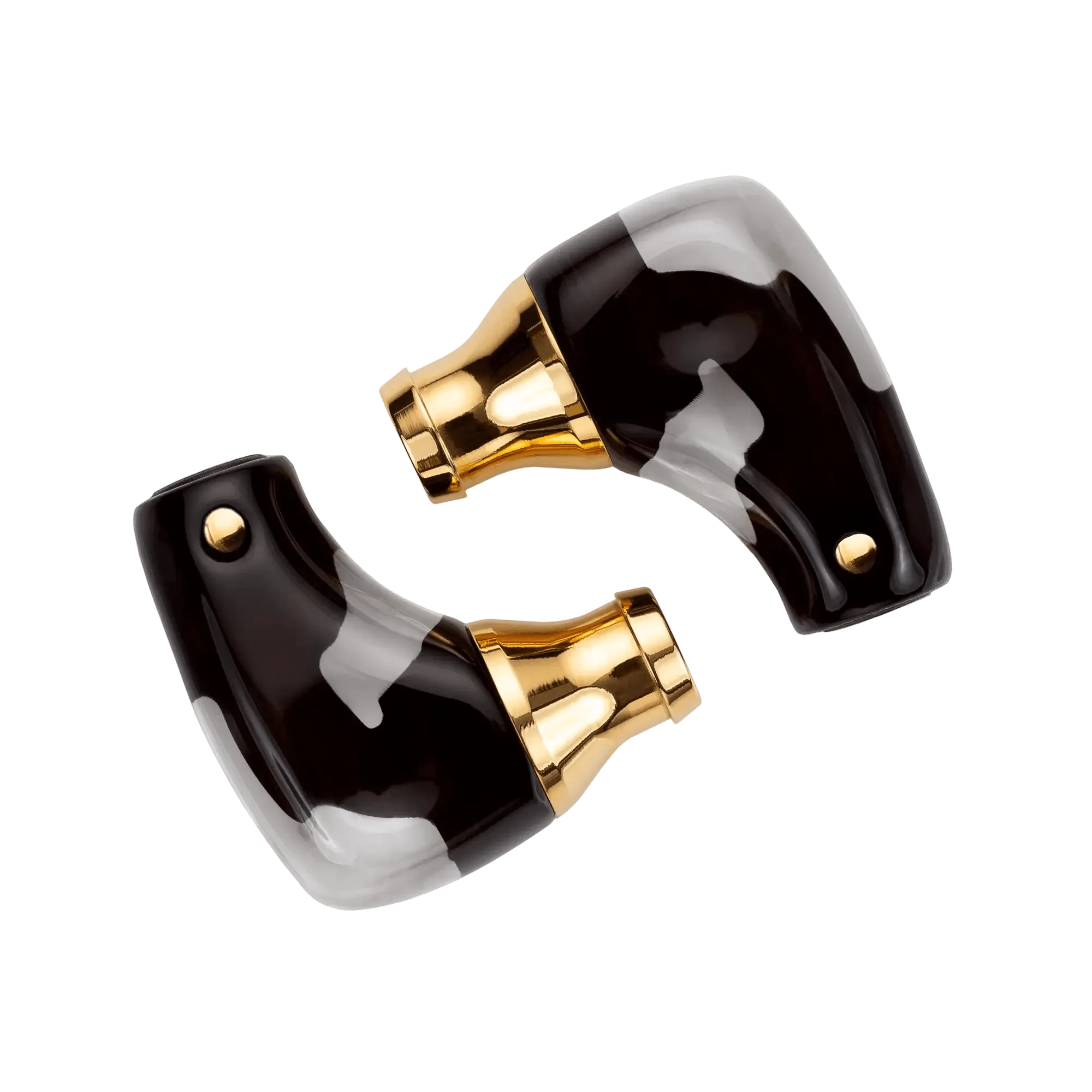
Campfire Audio builds its IEMs by hand, and each model uses different driver types. A dynamic driver like the one in Axion or the triple dynamic setup in Trifecta 'Chrome Sky' has more mechanical parts to settle than a balanced-armature design like Ponderosa. That means break-in expectations should follow the driver type, not a universal rule.
Set up the earphones before you burn them in
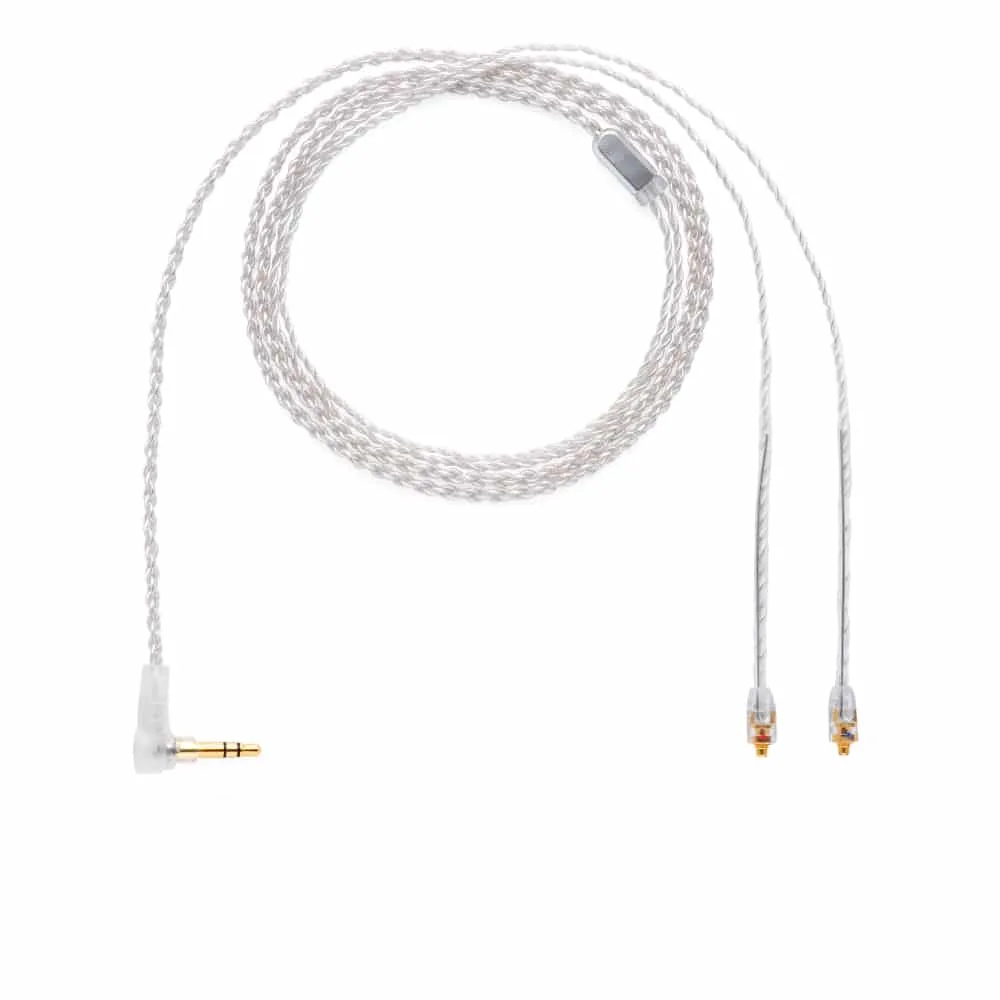
Break-in only tells you something useful if the fit and source are already sorted. Start by choosing the eartip that gives you a consistent seal in both ears. If one side feels loose, you will hear channel imbalance that has nothing to do with driver break-in. Then confirm your source: a USB-C DAC built into the cable, like the one in Axion, removes one variable because the earphone is plug-and-play. With a detachable-cable model, make sure the connectors are fully seated before you start a long play session.
Keep the volume moderate. You are exercising the driver, not stress-testing it. A comfortable listening level is enough.
A simple 20–50 hour routine
Hour 0–2: listen normally to a few familiar tracks and note the bass weight, vocal position, and treble edge. This is your reference point, and it matters more than any online description of how the earphone should sound.
Hour 2–20: play a wide range of music at moderate volume, including some bass-heavy and some acoustic material. You can do this while listening or leave the earphones playing in a drawer. Avoid continuous maximum-volume pink noise; it adds risk without adding benefit.
Hour 20–50: return to the same reference tracks from hour zero. Compare honestly. If you cannot describe a specific change, there probably isn't one worth chasing. After 50 hours, stop counting and just enjoy the earphones.
When break-in is not the problem
If the sound is still thin, harsh, or unbalanced after a proper break-in period, the cause is usually upstream. A poor seal, the wrong eartip size, or a loose cable connection will outweigh any driver settling. Before you conclude that an earphone needs more hours, reseat the eartips, check the cable, and try a different source.
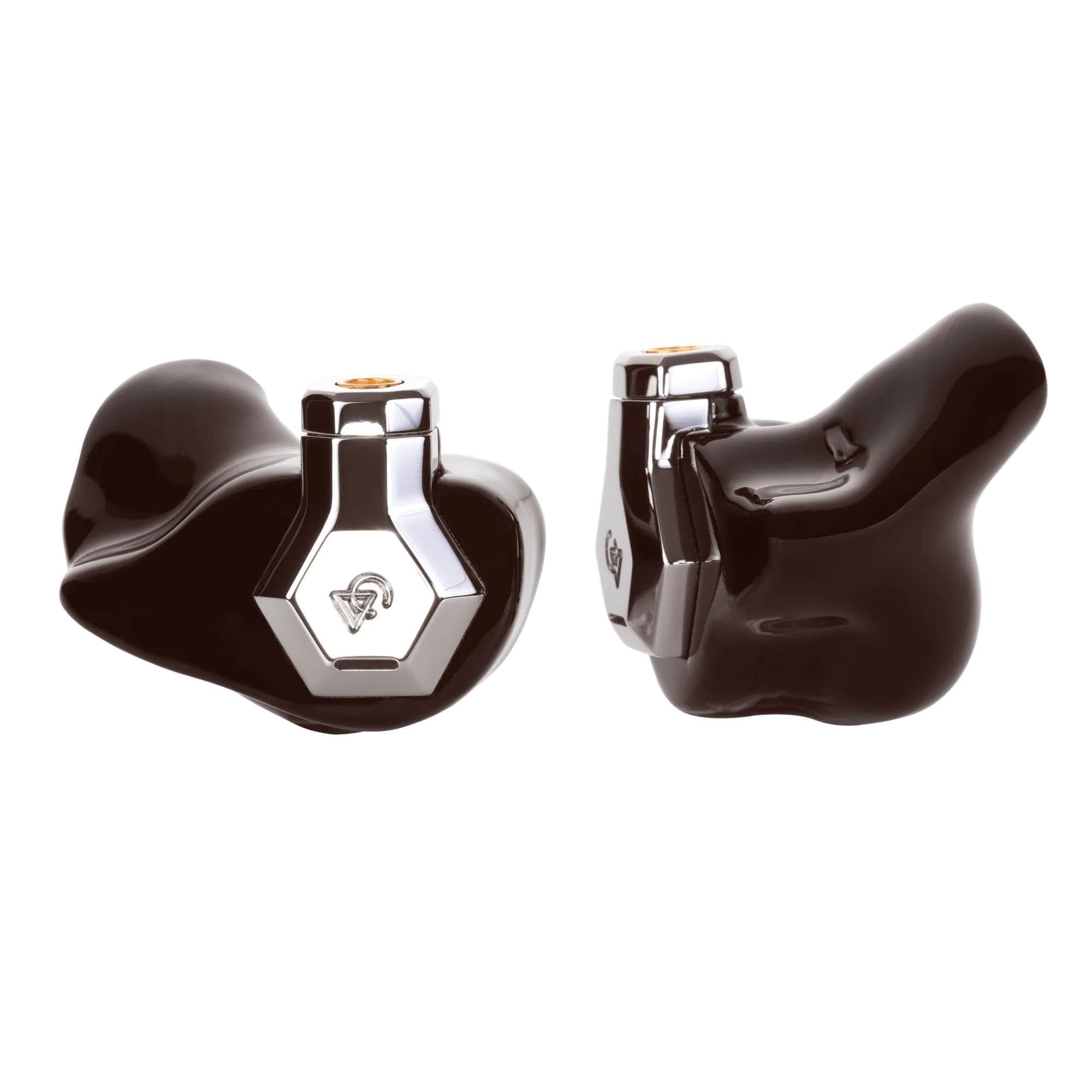
This is also where a custom-fit model changes the equation. Ponderosa is built to your ear impressions, so the fit variable is largely removed from day one. That makes it easier to judge whether you are hearing the earphone itself rather than a seal problem.
Your first-week break-in steps
- 1. Confirm fit and seal: Try each included eartip size and pick the one that seals evenly in both ears. A loose seal mimics thin bass and sharp treble, which people often misread as needing more burn-in. Checkpoint: if one ear feels different, fix the fit before you start counting hours.
- 2. Log a reference listen: Play three familiar tracks at a comfortable volume and write down one sentence about bass, mids, and treble. This is your baseline, not a review score. Checkpoint: if you cannot describe a difference later, there is no meaningful change to report.
- 3. Run 20 hours of varied music: Play a mix of bass-heavy, acoustic, and vocal tracks at moderate volume, either while listening or unattended. Do not use maximum-volume test tones. Checkpoint: moderate volume exercises the driver; loud noise only adds risk.
- 4. Extend to 50 hours only if needed: Re-listen to your reference tracks at hour 20. If the sound has settled, stop. If it still feels tight, continue to 50 hours and reassess once. Checkpoint: 50 hours is a ceiling for this routine, not a target to beat.
- 5. Recheck the chain before blaming the driver: Reseat the cable, clean the nozzle, and try a second source. If the issue persists, it is fit, source, or preference, not break-in. Checkpoint: after 50 hours with a good seal, further burn-in will not change the tuning.
Campfire Audio models and break-in
- Axion: Axion uses a Silicon Dynamic Driver (SDD) and connects via USB-C with a built-in DAC and an in-line microphone. Because the DAC and cable are integrated, Axion is the simplest Campfire Audio model to break in: plug it into a phone or laptop and play, with no separate source or cable to troubleshoot.
- Trifecta 'Chrome Sky': Trifecta 'Chrome Sky' uses three dynamic drivers in a sky-inspired shell. Multiple dynamic drivers mean more mechanical parts to settle, so this is the model where a full 50-hour break-in window is most likely to be audible.
- Ponderosa - Custom Fit IEM: Ponderosa is a custom-fit IEM with five balanced armatures, built from ear impressions. The green color option is currently out of stock. Balanced armatures typically show less break-in change than dynamic drivers, and the custom fit removes seal variation, so you can judge the sound accurately from the first listen.