Quick answer
Match the connector first: Campfire Audio earphones use MMCX, so a 2-pin cable will not fit without an adapter. Then pick the termination your source actually has: 3.5mm for phones and laptops, 4.4mm balanced only if your DAC or player offers a balanced output. After that, choose length and materials based on comfort and durability, not promises of a night-and-day sound change. A well-made cable such as the Smoky Litz XL solves fit, reach, and connection security; it is not a tone control.
Most cable questions start in the wrong place. People ask which cable sounds best before they have confirmed which connector their earphones use, which output their source has, and how long the cable needs to be. Get those three wrong and the cable is unusable, no matter how good the conductor is.
This guide walks through the decisions in the order that prevents returns: connector, termination, length, then materials and construction. Along the way it covers where a cable genuinely changes your experience, where it does not, and which Campfire Audio parts fit which job.
Start with the connector, not the conductor
The connector is the one choice you cannot compromise on. Campfire Audio earphones use MMCX connectors, so an MMCX cable is the direct fit. A 2-pin cable will not seat on an MMCX socket without an adapter, and adapters add a failure point plus a small amount of length that can make the fit feel loose. If you already own a 2-pin cable you love, treat it as a cable for a different earphone rather than forcing it onto an MMCX model.
The second half of the connector decision is the housing around it. Over-molded MMCX connectors with built-in memory wire hold their shape behind the ear, which keeps the cable from tugging on the earpiece during movement. That matters more than most spec-sheet differences because a cable that pulls loose mid-commute is a cable you stop using.
- Checkpoint: confirm MMCX before buying. If the listing says 2-pin, it is the wrong cable for Campfire Audio earphones.
- Common mistake: buying an adapter to make a 2-pin cable work, then discovering the added length changes how the earphone sits.
Choose the termination your source can actually drive
Termination is the plug at the other end, and it must match your source. A 3.5mm single-ended plug works with phones, laptops, and most portable players. A 4.4mm balanced plug only works if your DAC or player has a 4.4mm balanced output; plugging a balanced cable into a single-ended jack with an adapter can short the amplifier on some designs, so do not improvise. If your source has both, balanced output usually provides more available power, which helps with harder-to-drive models, but it does not automatically change the tuning of the earphone.
This is where the balanced vs unbalanced IEM cable question usually lands. Balanced is a connectivity and power decision, not a sound-signature decision. Pick the plug your gear supports today, and only move to balanced if you are also moving to a source that offers it.
- Checkpoint: read the output list on your DAC or player before ordering. No 4.4mm output means no 4.4mm cable.
- Common mistake: assuming a balanced cable will make a bright earphone warmer. It will not.
Pick length for how you actually listen
Length is the most underrated cable spec and the easiest to get wrong. A short cable is ideal at a desk with a dongle DAC, while a longer cable is better when your source sits in a bag or on a shelf across the room. If you move between the two, favor the longer cable and manage the excess with a tie rather than buying two cables.
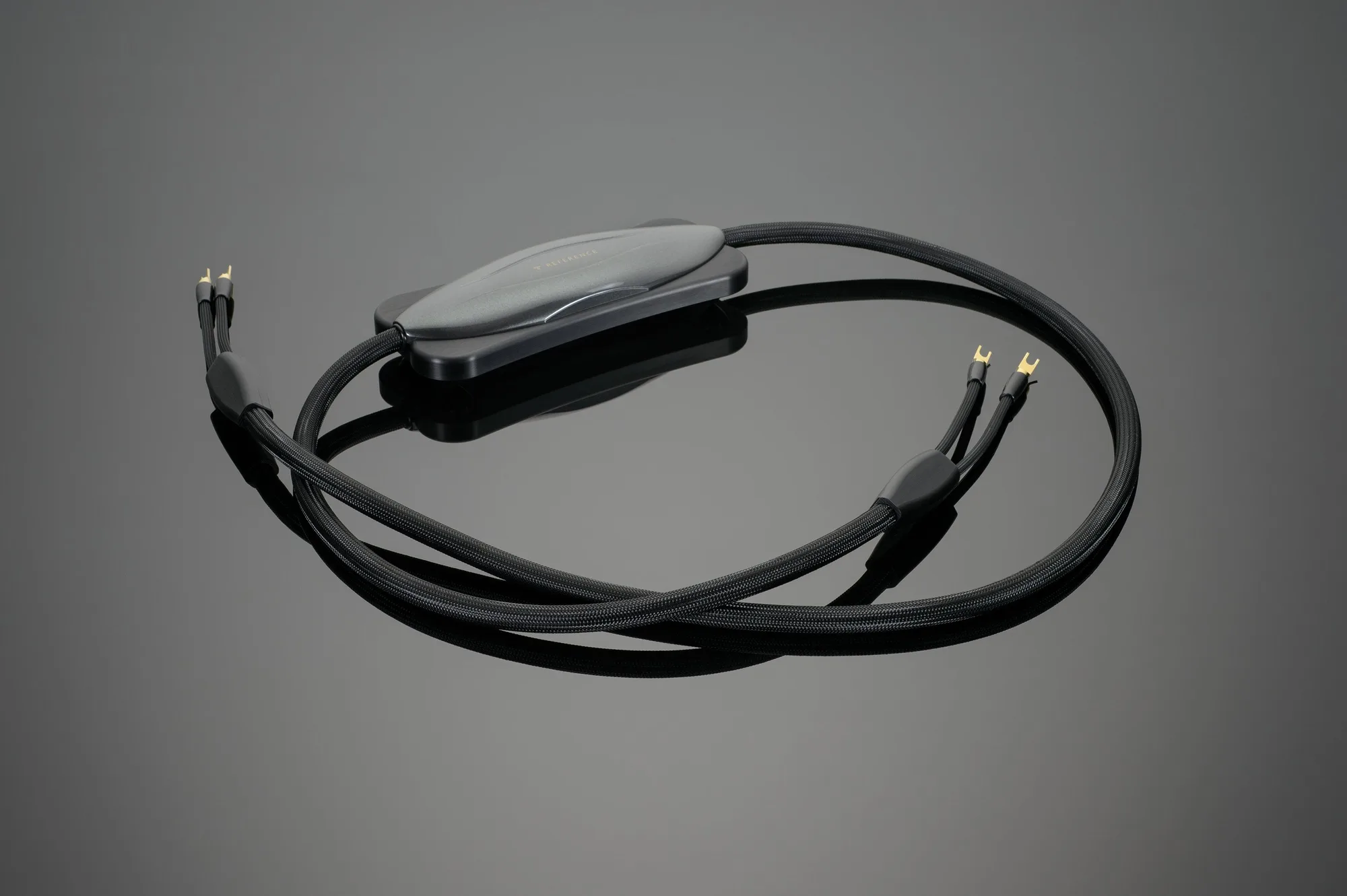
Campfire Audio's Smoky Litz XL - "Artist Cable" is built around this exact problem. It uses the same silver-plated copper conductor material as the standard Smoky Litz cable, but adds 18 inches for a total of 62 inches, along with longer over-molded MMCX connectors and built-in memory wire. The extra reach suits studio, stage, and desktop setups where a standard-length cable leaves you tethered too close to the source.
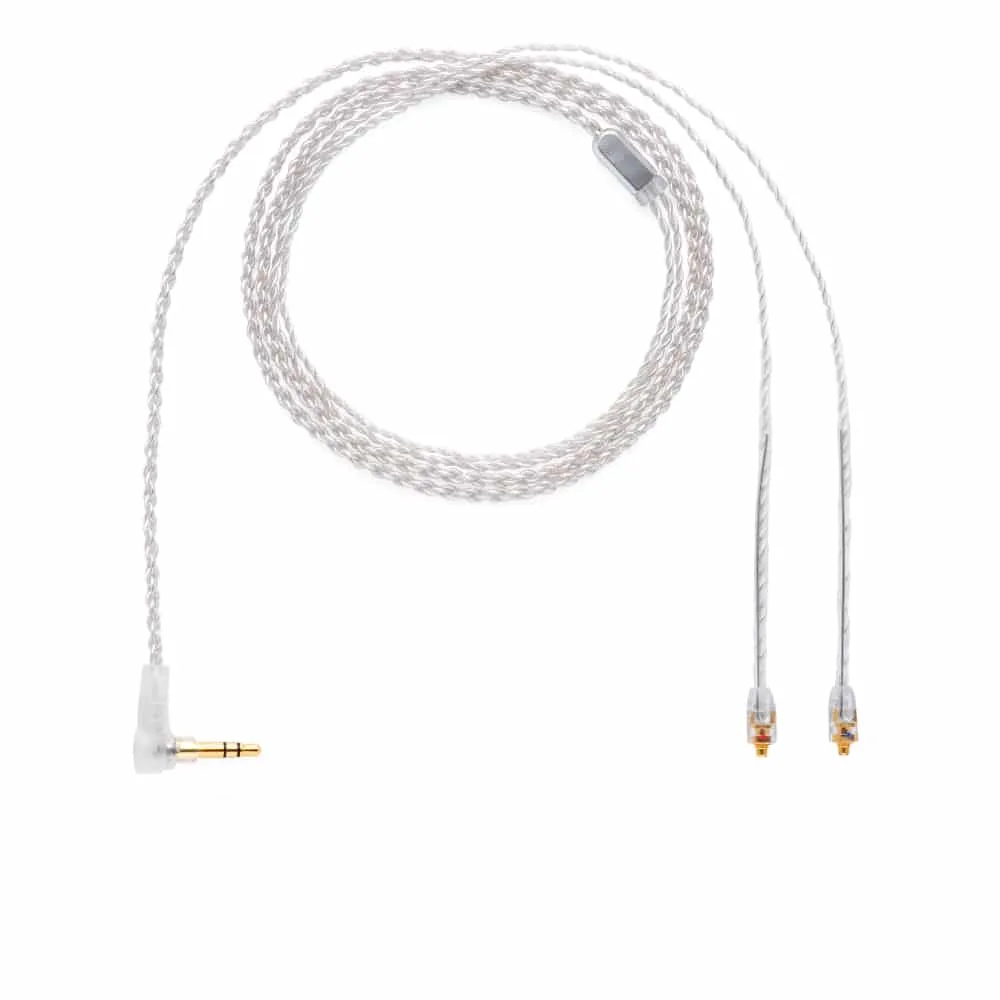
Litz cable
- Checkpoint: measure from your ears to where your source normally rests, then add a few inches of slack.
- Common mistake: buying the longest cable available for pocket use, then fighting the excess every time you walk.
Treat materials and construction as durability, not EQ
Conductor material, strand count, and insulation affect how a cable feels, how it coils, and how long it survives daily use. They are not a reliable way to add bass or smooth treble. When you read about IEM cable sound quality, the honest version is that a cable should be electrically appropriate and mechanically quiet, with no microphonic noise traveling up to the earphone when it brushes your shirt.
What you can judge from a listing is the practical stuff: whether the connector housing is over-molded, whether memory wire is included, whether the plug is straight or angled, and whether the cable is available in the termination you need. Those details determine whether the cable disappears into your routine or becomes a daily annoyance.
- Checkpoint: prioritize a secure MMCX connection and low handling noise over claims about conductor upgrades.
- Common mistake: replacing a working cable to chase a tuning change instead of adjusting eartips or source EQ.
Match the cable to the earphone you own
Different earphones reward different priorities. A hybrid like the Alien Brain, with its 10mm Glass-pu dual-magnet dynamic driver and dual mid-frequency balanced armatures, benefits from a cable that stays put during movement so the low-end seal is not disturbed. A dual-planar model like the Astrolith, which ships with both 3.5mm and 4.4mm cables, already covers both terminations, so a second cable is about length and feel rather than connectivity.
For a custom-fit model such as the Ponderosa - Custom Fit IEM, the cable is the only part you will ever swap, so connector security and comfort behind the ear matter even more than on a universal fit. If you are still deciding between earphones, sort that out first; a cable will not change which model suits your music.
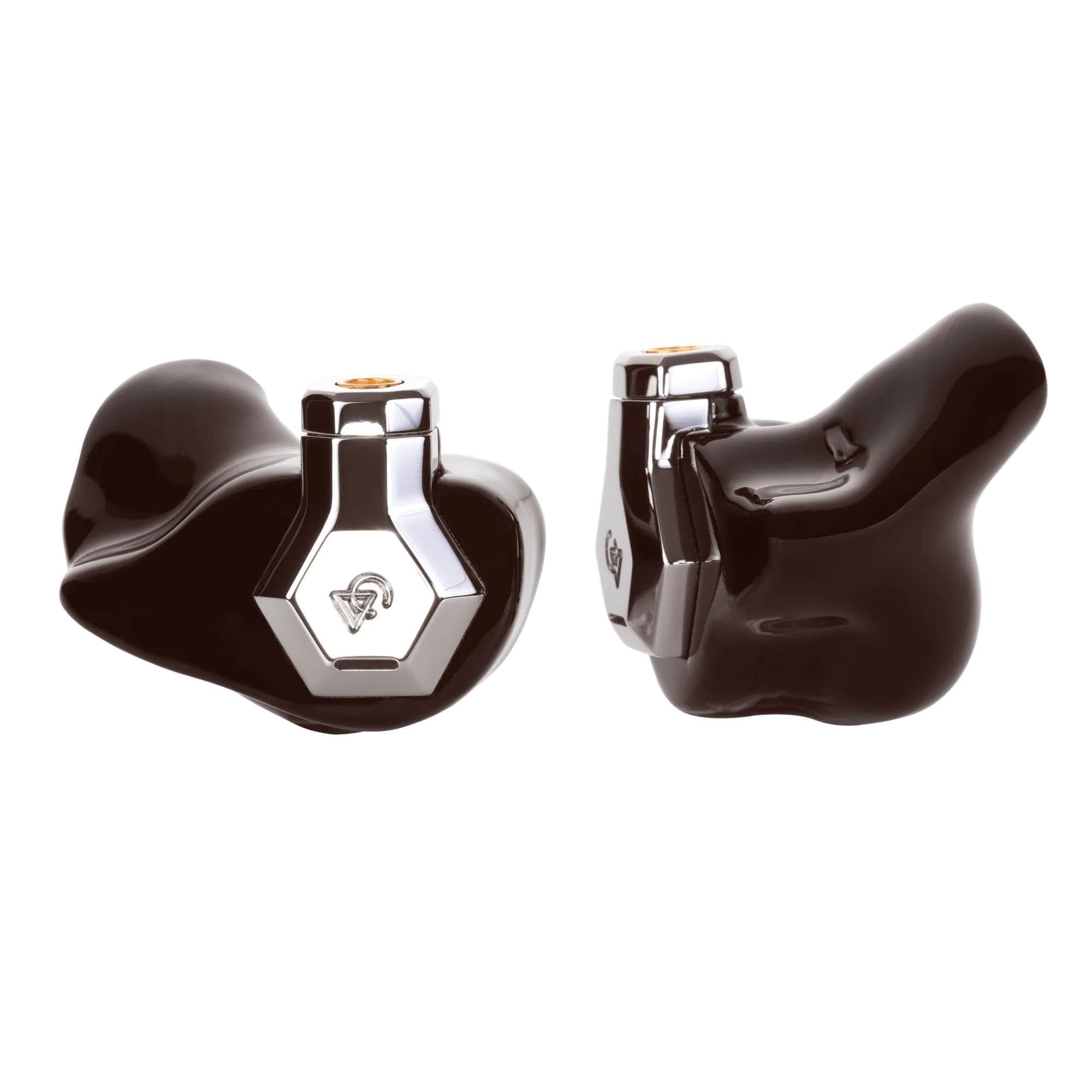
Ponderosa - Custom Fit IEM
- Checkpoint: if your earphone already includes the termination you need, buy a spare or a longer cable, not a duplicate.
- Common mistake: choosing a cable before choosing the earphone, then discovering the connector does not match.
Your cable selection checklist, in order
- Confirm MMCX compatibility: Check that the cable is MMCX, since Campfire Audio earphones use MMCX connectors. Do not order 2-pin and plan to adapt it. If the connector is wrong, stop here; nothing else about the cable matters.
- Match the plug to your source: Choose 3.5mm for phones, laptops, and most portable players, or 4.4mm only if your DAC or player has a balanced output. Balanced is a power and connectivity choice, not a tuning upgrade.
- Measure the length you need: Measure from your ears to where your source usually sits, then add slack. The Smoky Litz XL - "Artist Cable" runs 62 inches total for setups that need extra reach. Longer is safer for desk and stage use; shorter is better for pockets.
- Check the connector housing and memory wire: Over-molded MMCX housings with built-in memory wire hold their shape behind the ear and reduce tugging on the earpiece. A cable that stays put gets used; one that pulls loose gets replaced.
- Decide whether you need a cable at all: If your earphone already includes the termination you use, buy a spare or a longer cable rather than a duplicate, and spend the difference on eartips or a better source. Cables solve fit, reach, and connection security. They are not a shortcut to a different sound.
Cable and accessory facts worth knowing
- Smoky Litz XL - "Artist Cable": Uses the same silver-plated copper conductor material as the standard Smoky Litz cable, with an additional 18 inches for a total of 62 inches, plus longer over-molded MMCX connectors with built-in memory wire. The extra length and memory wire suit desktop, studio, and stage use where a standard cable leaves you too close to the source; the conductor material is a known quantity rather than a tuning trick.
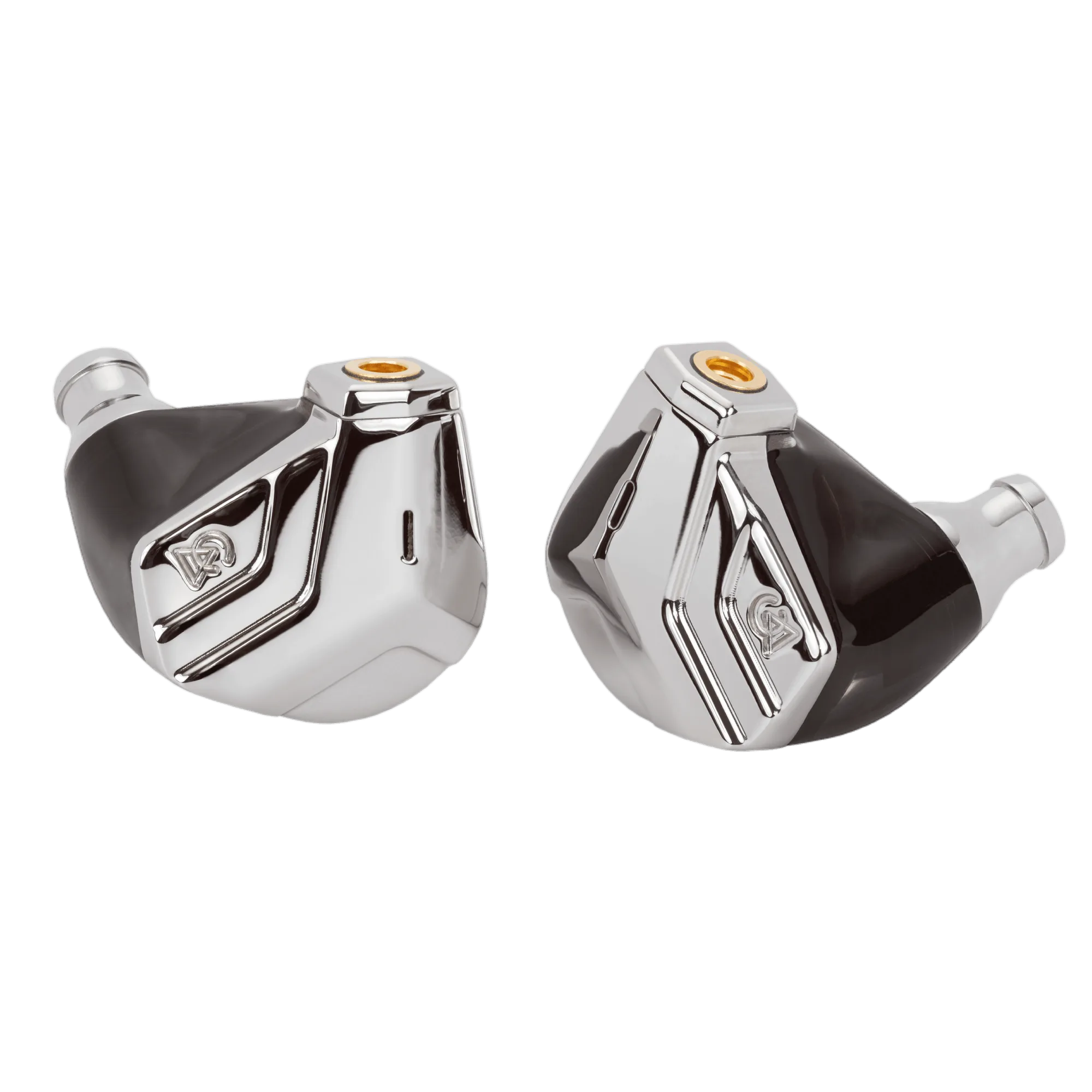
- Astrolith - Dual Planar IEM: Ships with both 3.5mm and 4.4mm cables, and uses a 14.2mm planar magnetic driver for low-mid plus a 6mm planar driver for high frequencies. If you already own the Astrolith, both common terminations are covered, so a cable purchase should be about length, feel, or a spare rather than connectivity.
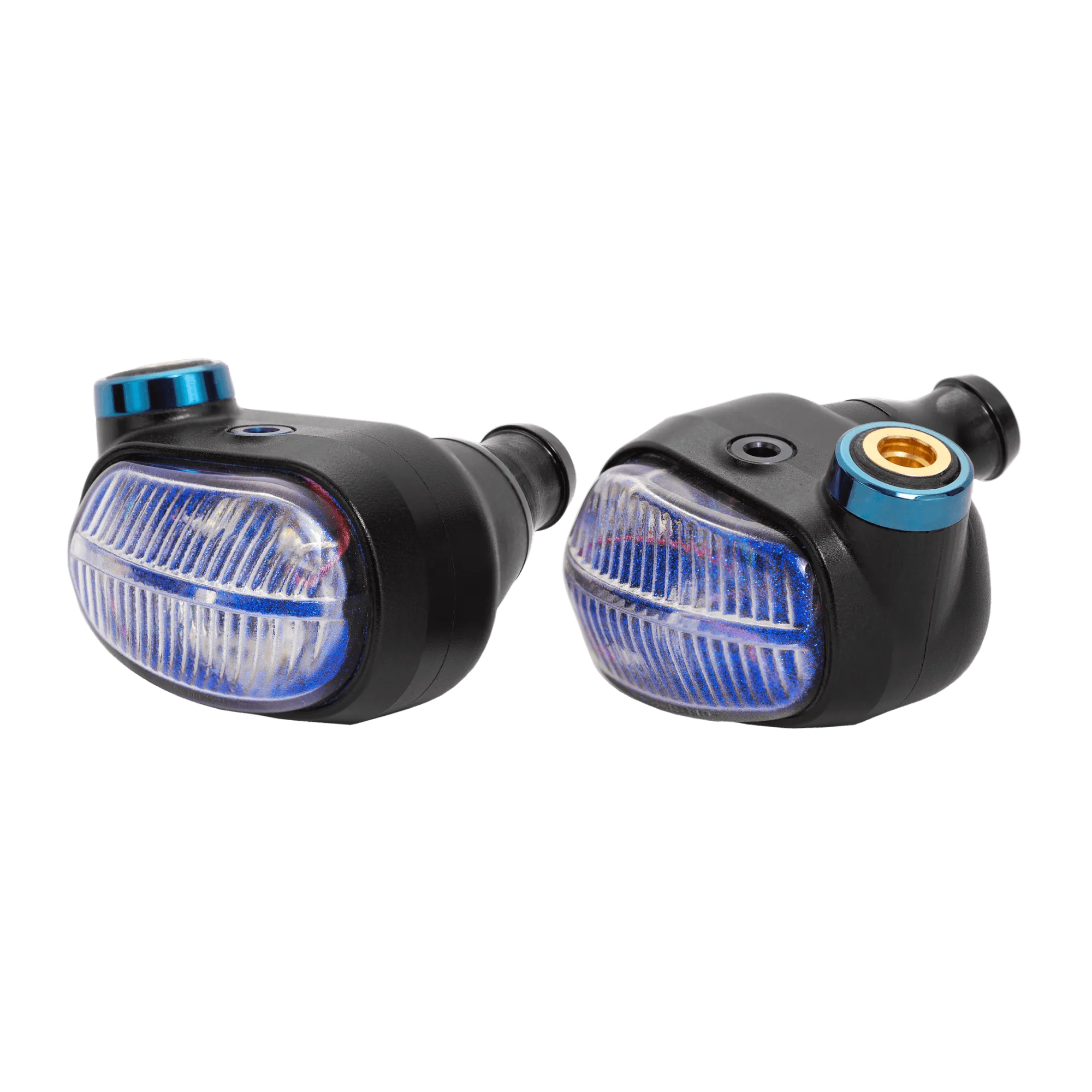
- Alien Brain - Hybrid IEM: A five-driver hybrid configuration including a 10mm Glass-pu dual-magnet dynamic driver for low frequencies and dual mid-frequency balanced armatures. A hybrid with a dynamic low driver depends on a stable seal, so a cable that stays put behind the ear helps you keep consistent bass response during movement.
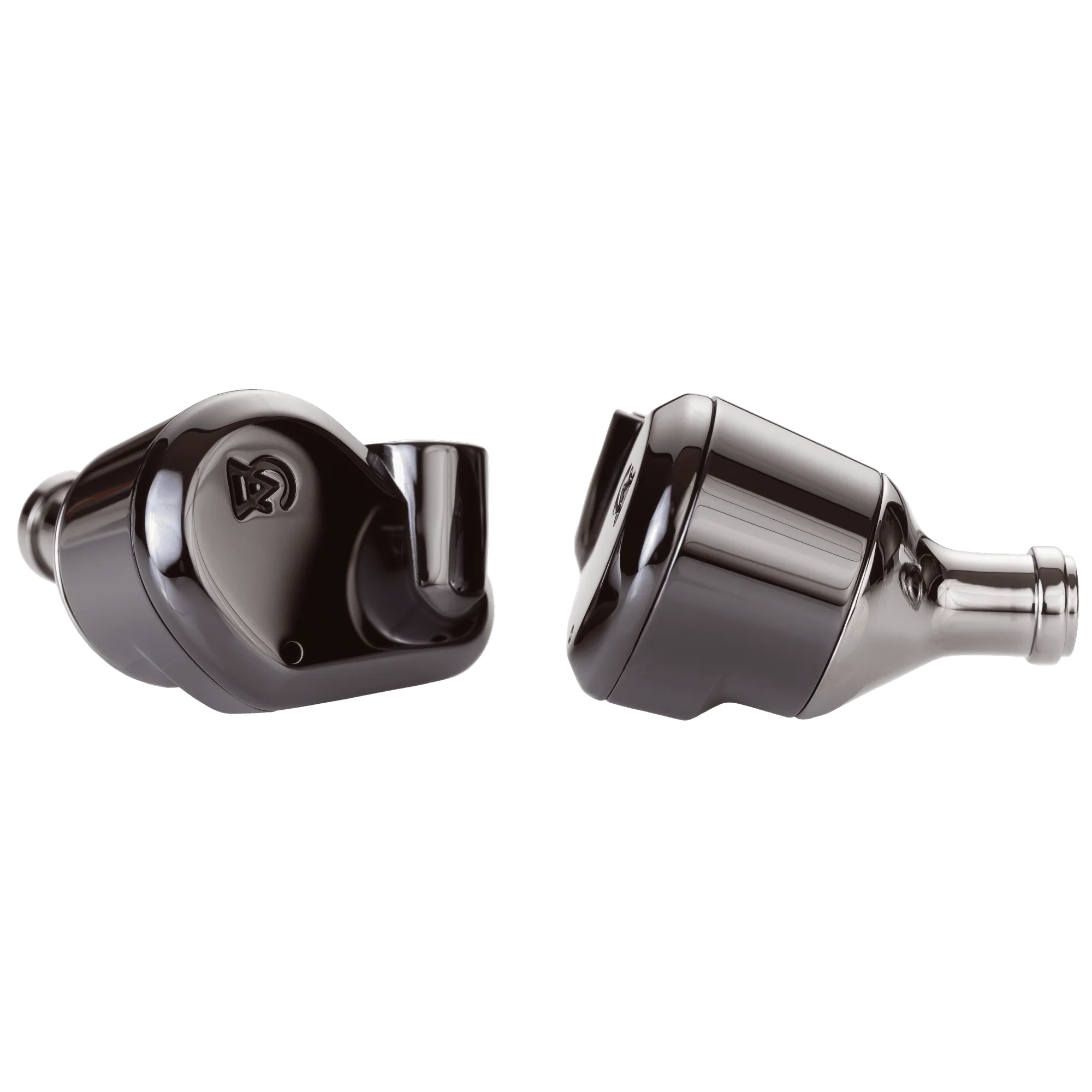
- Ponderosa - Custom Fit IEM: A custom-fit design using five balanced armatures, with a green color option currently out of stock. On a custom-fit earphone the cable is the main user-replaceable part, so connector security and behind-the-ear comfort deserve extra attention.
Choose the connector, then the termination, then the length, and only then compare materials. If you get the first three right, almost any well-built MMCX cable will serve you for years; if you get them wrong, no conductor upgrade will save the purchase.