Quick Answer
Choose an IEM cable by matching the termination to your source, selecting a conductor material that complements your earphones' tuning, and deciding on build features like jacket flexibility and connector type.
Why Cable Materials Matter for Sound
The conductor material and construction influence the cable's electrical properties, which can subtly affect frequency response. Silver-plated copper, for example, is known for enhancing treble clarity and detail retrieval, while pure copper often delivers a warmer, fuller sound. The number of conductors and their gauge also play a role in current handling and signal integrity.
That said, cables are the final tweak, not a cure-all. A well-designed cable can refine your earphones' performance, but it won't transform a bright-sounding IEM into a dark one. The best approach is to listen for yourself with your own gear.
Termination and Connector Compatibility
Before anything else, ensure the cable's connectors fit your earphones and your source. Most IEMs use MMCX or 2-pin connectors, and sources typically offer 3.5mm, 2.5mm balanced, or 4.4mm balanced outputs. The wrong termination means no sound at all.
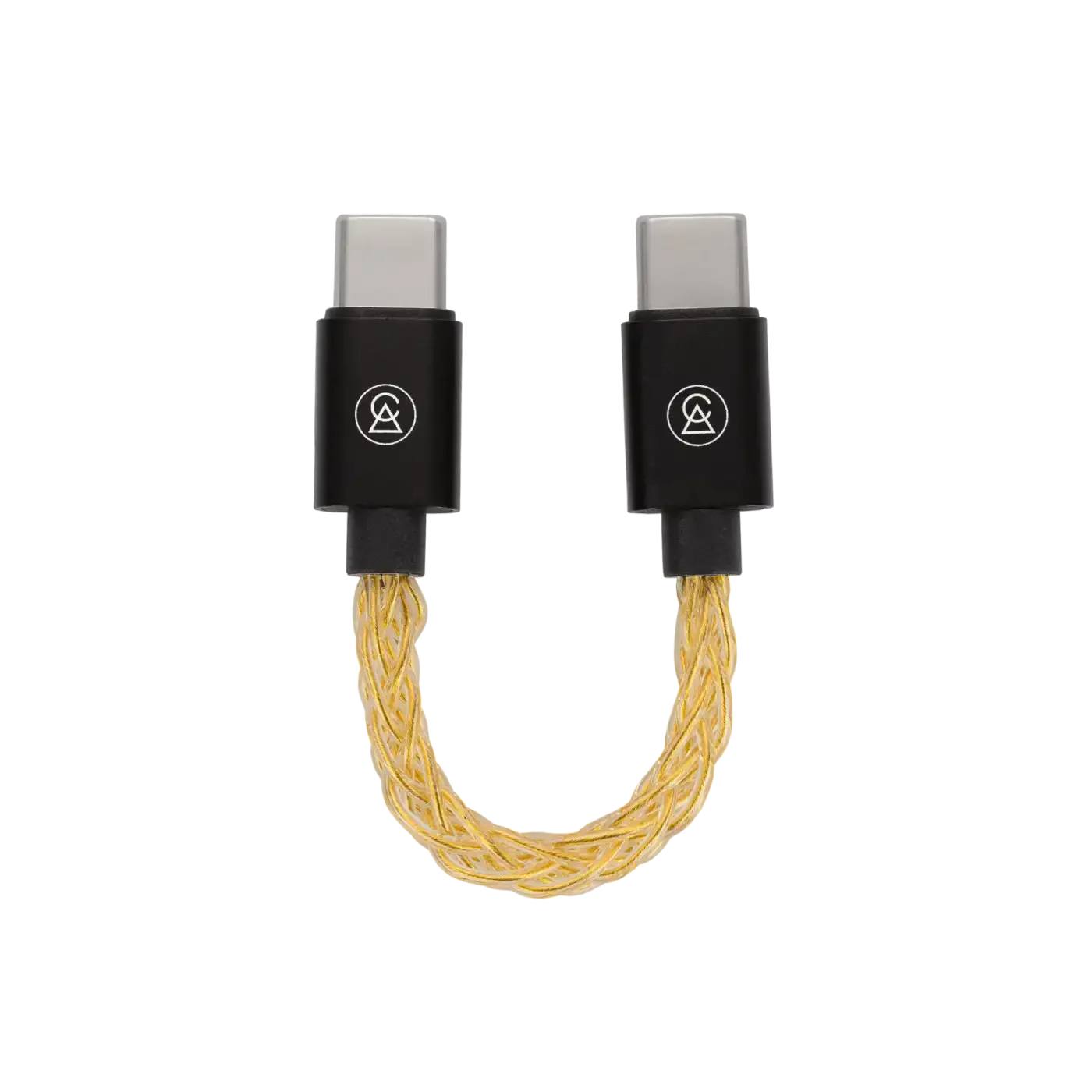
Campfire Audio cables like the SXC 8 IEM Cable offer multiple termination options, so you can match it to your preferred output. The USB C-to-C Cable, on the other hand, is designed for digital connections between devices, not for analog IEM use.
Build Quality and Durability Trade-offs
A cable's jacket material affects both longevity and handling feel. FEP jackets resist discoloration and remain supple, making them ideal for daily use. PVC jackets are more common and durable but can feel stiffer over time. Connector housings made from metal alloys like copper-beryllium offer longer lifespan compared to standard plastic shells.
The Time Stream Cable - Chromatic Series uses enameled silver-plated copper conductors with a non-migratory PVC jacket and custom MMCX connectors of copper and beryllium, balancing durability with flexibility.
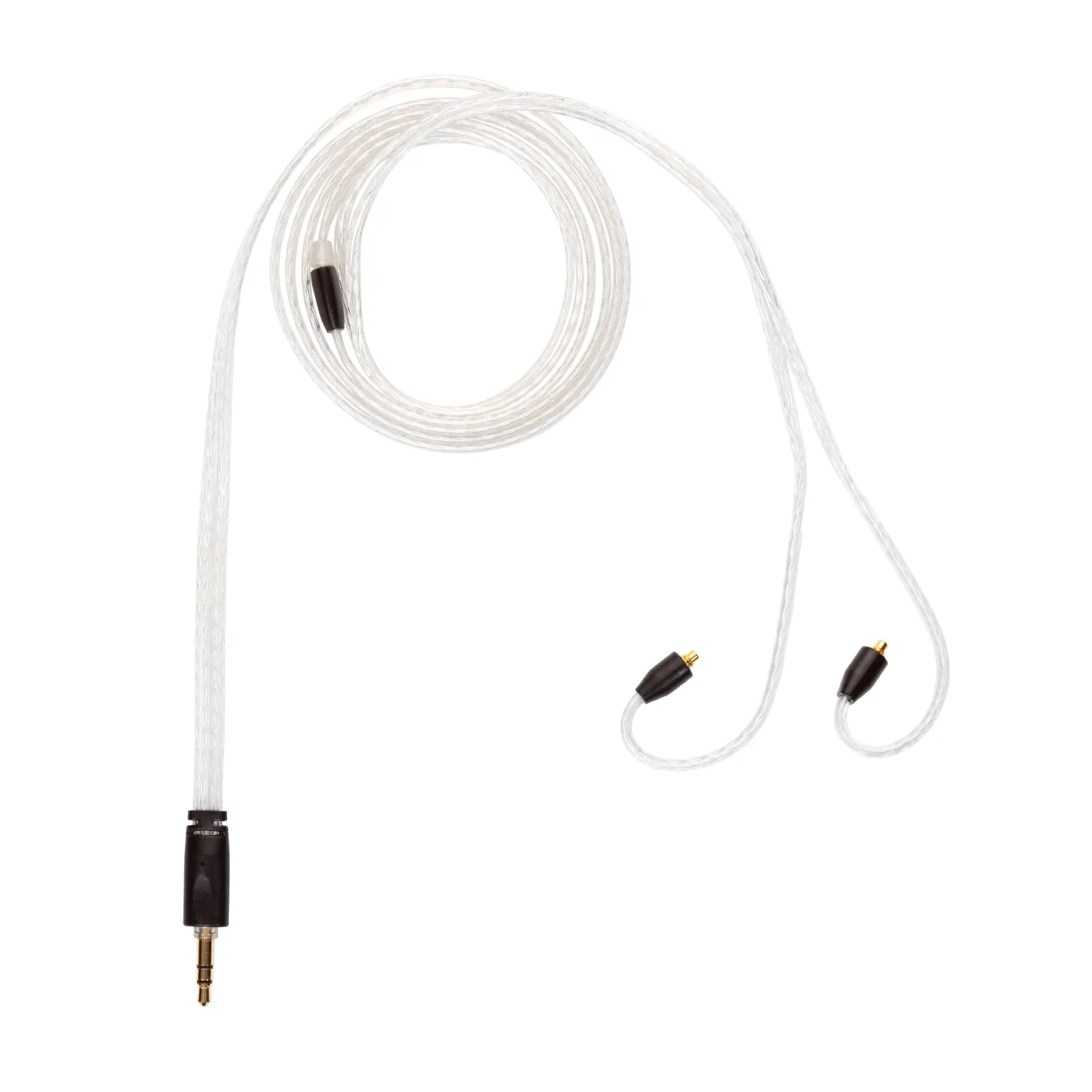
Time Stream Cable - Chromatic Series
How to Choose Your IEM Cable: Decision Rules
- Match the Connector First: Check your earphones' connector type (MMCX or 2-pin) and your source's output (3.5mm, 2.5mm, 4.4mm). Choose a cable that offers the correct termination. Campfire Audio cables often provide multiple termination options.
- Choose Conductor Material by Sound Preference: If you want more treble air and detail, go with silver-plated copper. If you prefer a warmer, fuller presentation, pure copper is a safer bet. The SXC 8 IEM Cable's silver-plated copper is ideal for revealing detail. Listen with your own earphones before committing to a material type.
- Consider Jacket and Build Durability: FEP jackets resist yellowing and stay flexible over time. PVC jackets are more common but can stiffen. Metal connectors last longer than plastic. The Time Stream Cable uses a PVC jacket and copper-beryllium MMCX connectors for a good balance.
- Don't Overlook Cable Length and Flexibility: A shorter cable (e.g., 1.2m) is great for portable use, while longer cables suit desktop setups. Supple cables are easier to manage and less prone to tangling. Check the cable's gauge and jacket material for flexibility. Test the cable's feel if possible; stiffness can affect daily comfort.
Cables to Consider
-
SXC 8 IEM Cable: The SXC 8 IEM Cable features eight 22 AWG silver-plated high purity copper conductors with an FEP jacket for discoloration resistance. This construction delivers detailed treble and a supple feel, making it a strong choice for listeners who want clarity without a stiff cable.
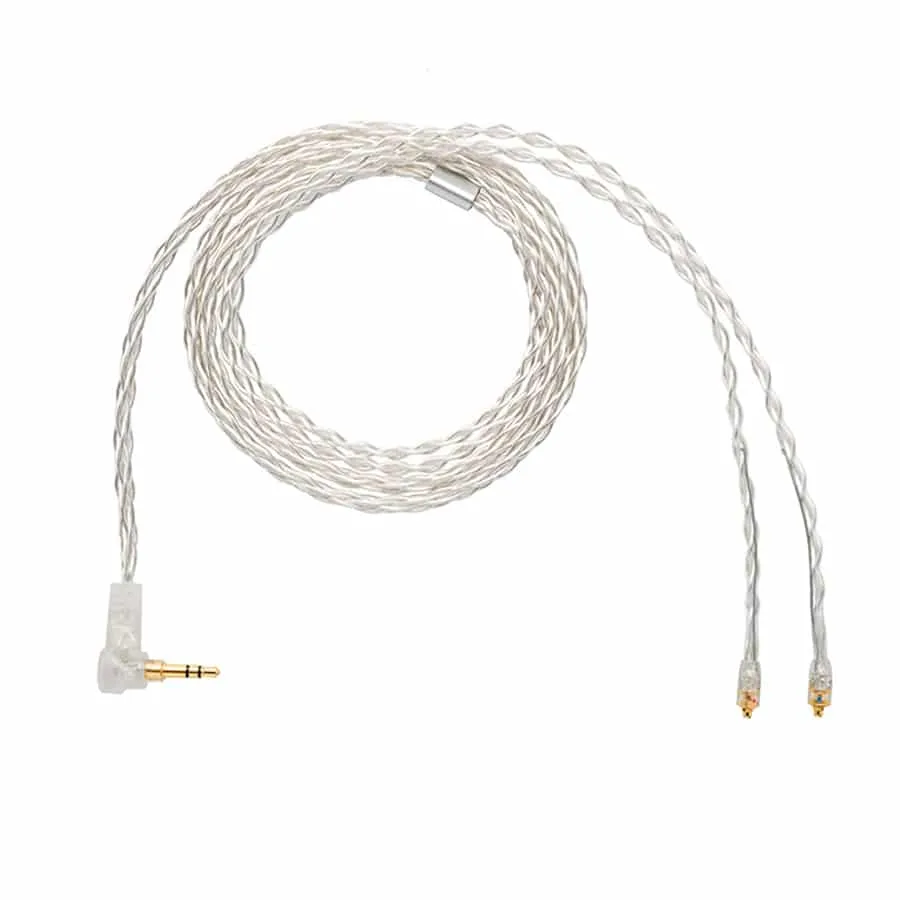
SXC 8 IEM Cable
-
USB C-to-C Cable: The USB C-to-C Cable has eight silver-plated copper conductors and an aluminum USB-C housing, measuring 11cm total length. This short digital cable is meant for connecting devices like DACs or phones, not for analog IEM use, so it's not a direct alternative to standard IEM cables.
Who Should Choose Which Cable
Best For
- Listeners who want to refine treble detail and clarity without changing earphones
- Users with sources that support balanced output who want to maximize signal integrity
Not For
- Anyone whose earphones use a non-standard connector that isn't supported by the cable options
- Listeners who are happy with the stock cable and don't hear a difference in cable swaps