Kenya natural coffees are celebrated for their intense fruitiness, wine-like acidity, and complex sweetness. But brewing them to perfection requires a slightly different approach than your typical washed coffee. In this guide, we'll walk you through a step-by-step recipe for El Salvador La Divina Kenya Natural, a coffee that beautifully showcases the natural process with its juicy, berry-forward profile.
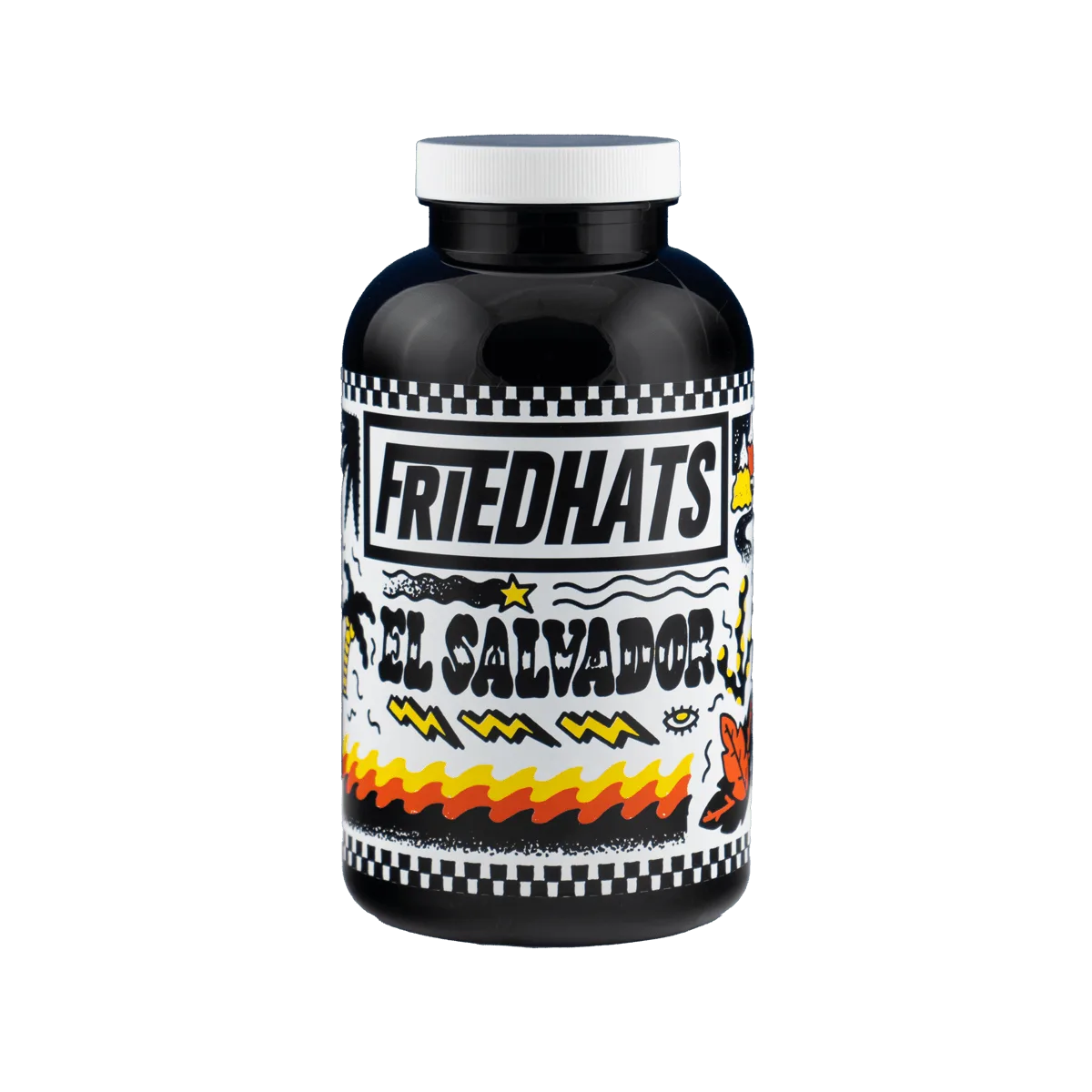
El Salvador La Divina Kenya Natural
Whether you're a home brewer looking to expand your skills or a coffee enthusiast eager to get the most out of this unique lot, this guide will help you unlock its full potential. We'll cover everything from grind size to water temperature, so you can brew a cup that's vibrant, balanced, and utterly delicious.
Understanding Kenya Natural Coffee
Kenya natural coffee refers to beans processed using the dry method, where the whole cherry is dried in the sun before the beans are extracted. This process imparts intense fruity flavors, often reminiscent of berries, tropical fruits, and even wine. In the cup, you can expect a heavy body, low acidity (compared to washed), and a lingering sweetness.
El Salvador La Divina Kenya Natural is a perfect example of this style. Despite being grown in El Salvador, it carries the 'Kenya' name due to its variety, which originated from Kenya. This coffee offers a unique fusion of Central American terroir and Kenyan genetics, resulting in a cup that's both exotic and familiar. Its flavor profile typically includes notes of blackberry, red currant, and a hint of dark chocolate.
- Natural processed coffees often have more sediment, so a slightly coarser grind can help avoid over-extraction.
- The fruity flavors are delicate; avoid overly hot water to prevent bitterness.
The Perfect Pour-Over Recipe for El Salvador La Divina
For this recipe, we'll use a standard pour-over setup, such as a V60 or a Chemex, which will highlight the coffee's clarity and complexity. You'll need a gooseneck kettle, a digital scale, and a timer. We recommend using filtered water heated to about 92-94°C (198-201°F).
Start with a 1:16 coffee-to-water ratio. For a single cup, use 15 grams of coffee to 240 grams of water. Grind the coffee to a medium-fine consistency, similar to sea salt. This grind size allows for a balanced extraction, preserving the fruity acidity while avoiding over-extraction.
- Rinse the paper filter with hot water to remove any papery taste and preheat your brewer.
- Add the ground coffee and gently shake to level the bed.
Step-by-Step Brewing Instructions
1. Bloom: Pour 45 grams of water (3 times the coffee weight) in a circular motion, ensuring all grounds are saturated. Let it bloom for 30-45 seconds. This allows the coffee to degas and enhances flavor extraction.
2. First pour: After the bloom, slowly pour water in a spiral, starting from the center and moving outward, until you reach 150 grams total. Aim to finish this pour by 1 minute.
3. Second pour: Wait until the water level drops about halfway, then continue pouring until you reach 240 grams. This should be around 1 minute 30 seconds.
4. Final drawdown: Let the water drain through completely. The total brew time should be between 2 minutes 30 seconds and 3 minutes. If it's too fast, grind finer; if too slow, grind coarser.
- Keep the pour consistent to avoid channeling.
- Swirl the brewer gently at the end to flatten the bed for an even extraction.
Alternative Brewing Methods
While pour-over is excellent for showcasing the nuanced flavors of a Kenya natural, you can also use an Aeropress or a French press. For the Aeropress, use a finer grind and a shorter brew time (around 2 minutes) with a 1:15 ratio. The result will be a fuller-bodied cup with a syrupy sweetness.
If you prefer a French press, use a coarser grind and steep for 4 minutes. This method will yield a heavier mouthfeel and emphasize the chocolatey notes. Whichever method you choose, the key is to adjust your grind size and brew time to achieve a balanced extraction.
- For Aeropress, try the inverted method for a cleaner cup.
- In a French press, press slowly to avoid agitating the grounds.
Tasting Notes and Food Pairings
Once brewed, take a moment to appreciate the aroma – you'll likely detect berry and stone fruit notes. As you sip, notice the bright acidity that's typical of Kenyan varieties, balanced by a pleasant sweetness. The finish is usually clean with a hint of cocoa.
This coffee pairs wonderfully with dark chocolate desserts, berry tarts, or even a cheese board with aged gouda. The fruitiness also complements breakfast dishes like pancakes with berry compote.
- Let the coffee cool slightly to reveal more sweetness.
- Try it as a cold brew for a refreshing, fruity iced coffee.
Brewing a Kenya natural like El Salvador La Divina is a rewarding experience that highlights the beauty of the natural process. With this step-by-step guide, you can consistently brew a cup that's vibrant, juicy, and full of character. Experiment with the variables to find your perfect cup, and don't forget to explore other natural-processed coffees from Friedhats, such as the Costa Rica Aquiares Anaerobic or the Indonesia Frinsa Rujak Bebeg Anaerobic, to continue your coffee journey.