Quick Answer
You can brew loose leaf tea without an infuser by using a fine mesh strainer, a teapot with a built-in strainer, or even a clean paper coffee filter. Simply steep the leaves directly in hot water, then strain as you pour. These methods are easy, effective, and require no special equipment.
You’ve got a bag of delicious loose leaf tea, but no infuser in sight. Don’t let that stop you from enjoying a great cup. There are several simple, practical ways to brew loose leaf tea without an infuser, using items you likely already have in your kitchen.
From fine mesh strainers to teapots with built-in filters, these methods are not just workarounds—they often give you more room for the leaves to expand, which can lead to a better-tasting brew. Let’s explore your options.
Why Brewing Without an Infuser Can Be Better
When you use a small infuser ball, the tea leaves are often cramped, which restricts water flow and prevents the leaves from fully unfurling. This can result in a weaker or uneven extraction. Brewing loose leaf tea directly in water gives the leaves plenty of space to expand, allowing for a richer and more flavorful cup.
Additionally, many infusers are made of fine mesh that can clog with small particles, making cleanup a hassle. By using a strainer or teapot method, you can avoid these issues and simplify your brewing routine.
- Use a large pot or teapot to give leaves room to move.
- Strain immediately after steeping to prevent bitterness.
- Experiment with leaf amount to find your perfect strength.
Method 1: Use a Fine Mesh Strainer
A fine mesh strainer is one of the simplest tools for brewing loose leaf tea without an infuser. Steep the tea leaves directly in a cup or teapot, then pour the tea through the strainer into your mug. This method works well for most tea types, especially those with larger leaves.
Make sure your strainer has a fine mesh to catch smaller particles. If you only have a coarse strainer, you can line it with a coffee filter or a piece of cheesecloth to get a cleaner cup.
- Place the strainer over your mug before pouring.
- For a cleaner cup, double-strain or use a paper filter.
Method 2: Teapot with Built-in Strainer
Many teapots come with a built-in strainer, either at the base of the spout or as a removable basket. This is a classic and elegant way to brew loose leaf tea. Simply add the leaves to the pot, pour in hot water, and let steep. When you pour, the strainer catches the leaves.
If your teapot doesn’t have a strainer, you can use a tea sock or a reusable muslin bag instead. These act like a large infuser, giving the leaves plenty of room while keeping them contained.
- Preheat your teapot with hot water to keep the tea hot longer.
- If using a tea sock, leave enough room for leaves to expand.
Method 3: The Cowboy Method (Direct Steeping)
This is the most straightforward method: add loose tea leaves directly to a cup or pot, pour hot water over them, and let steep. After the desired time, either sip carefully or pour through a strainer. This method is perfect for when you’re camping or don’t have any other equipment.
The downside is that you may get some leaves in your mouth, but that’s part of the rustic charm. To minimize this, use larger-leaf teas or let the tea settle before drinking.
- Use a wide cup to make straining easier.
- Let the tea sit for a minute after steeping so leaves sink.
Choosing the Right Tea for Infuser-Free Brewing
Some teas are easier to brew without an infuser than others. Large-leaf teas, such as whole leaf oolongs or white teas, are less likely to slip through a strainer. Finely cut teas, like some black tea blends, may require a finer filter.
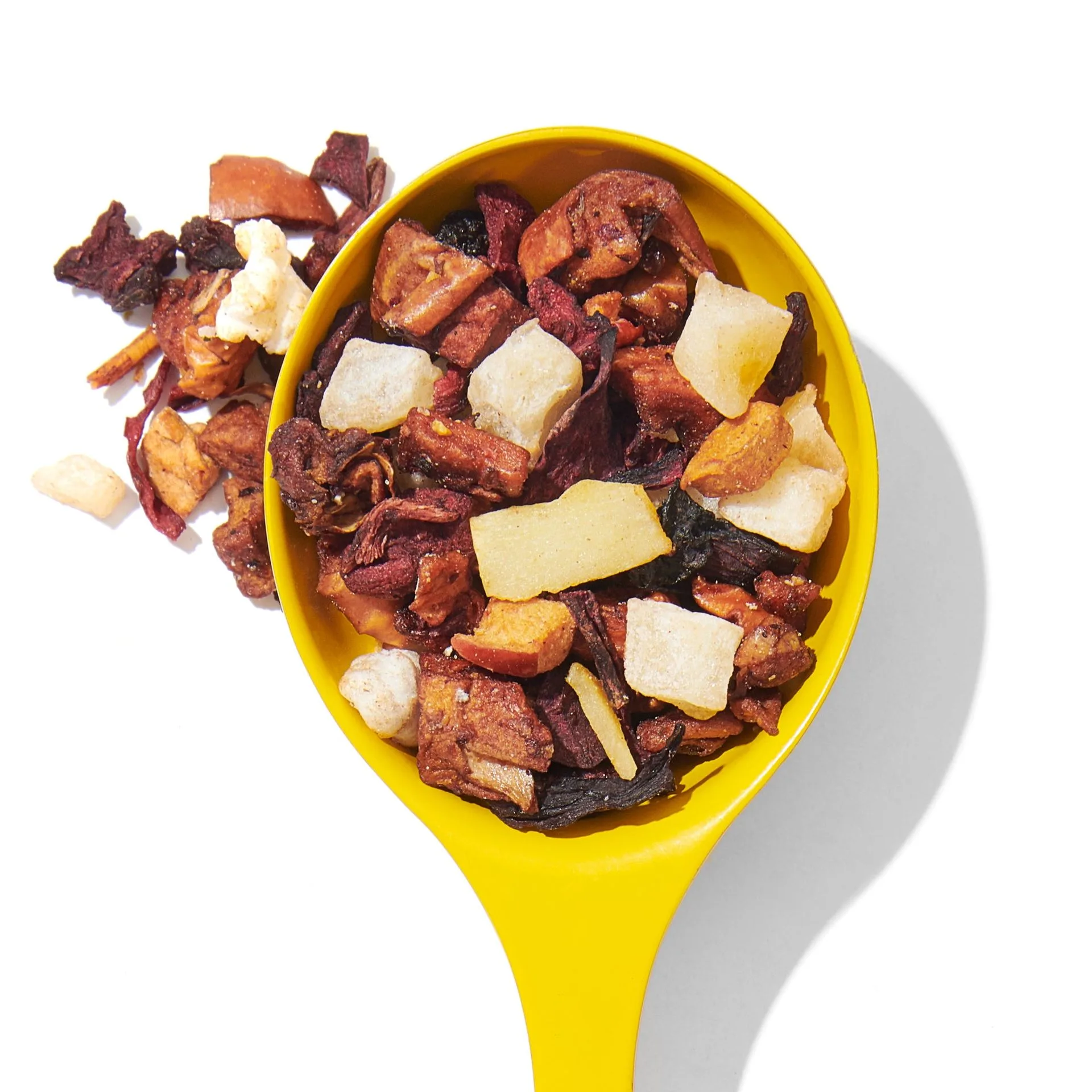
If you’re new to this, consider starting with a tea that’s forgiving, like a fruity herbal blend. For example, our 'super fruit tea' is a caffeine-free blend with large pieces of fruit that infuse beautifully and are easy to strain.
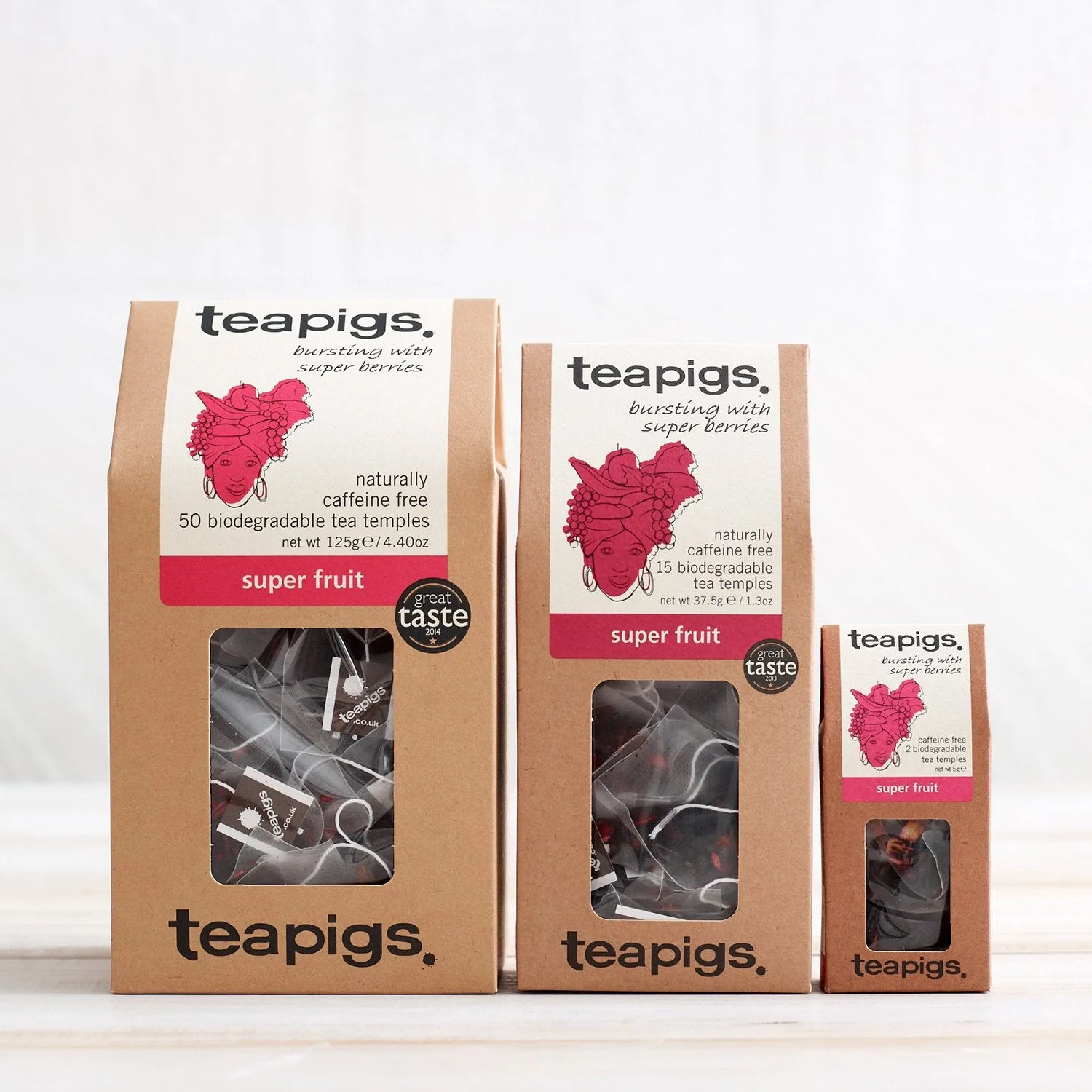
super fruit tea
- Whole leaf teas are ideal for infuser-free brewing.
- Avoid very fine tea dust unless you have a fine filter.
Step-by-Step: Brew Loose Leaf Tea Without an Infuser
- Step 1: Choose Your Method: Decide whether you’ll use a fine mesh strainer, a teapot with a built-in strainer, or the direct steeping method. Consider what you have on hand and the type of tea you’re brewing. Match the method to your tea leaf size for the best results.
- Step 2: Measure Your Tea: Use about one teaspoon of loose leaf tea per 8 ounces of water. Adjust to taste. For larger leaves, you may need a bit more. Start with less and add more if you prefer a stronger cup.
- Step 3: Heat Your Water: Heat water to the appropriate temperature for your tea type. Green tea needs cooler water (around 175°F/80°C), while black and herbal teas can take boiling water. Using the right temperature prevents bitterness and brings out flavor.
- Step 4: Steep the Tea: Add the tea leaves to your cup or teapot, pour the hot water over them, and let steep for the recommended time (usually 3-5 minutes). Don’t oversteep. Set a timer to avoid a bitter brew.
- Step 5: Strain and Serve: Pour the tea through your strainer or the teapot’s built-in strainer into your mug. If you used the direct method, pour carefully to leave most leaves behind. Strain immediately to stop the steeping process.
Products That Make Infuser-Free Brewing Easier
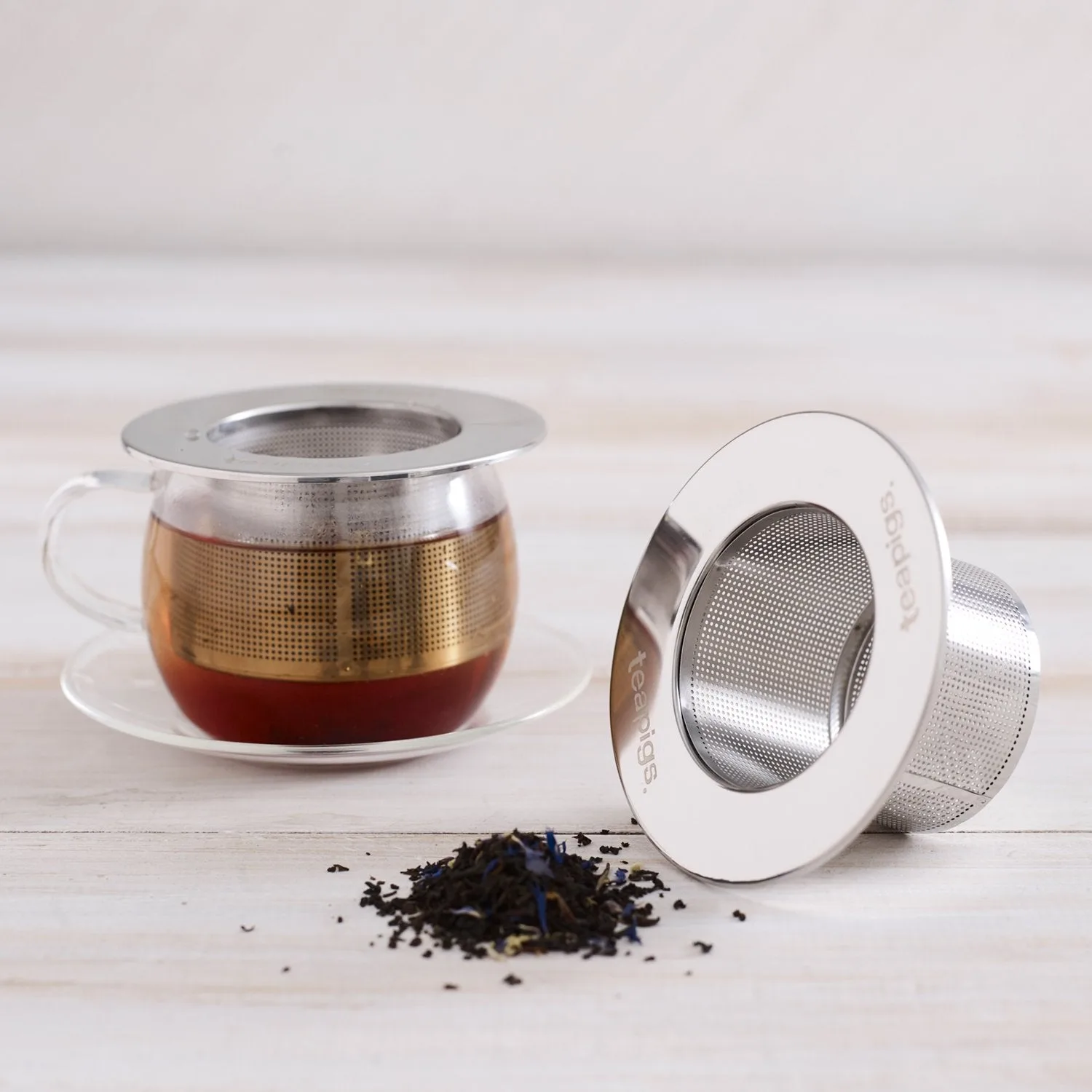
- loose leaf tea infuser: This stainless steel infuser rests in your cup or pot. When the tea has infused, simply empty the leaves and wash out. Dishwasher safe. While the focus is on brewing without an infuser, this reusable infuser is a convenient option when you want a quick, mess-free cup without needing a separate strainer.
- super fruit tea: A super fruity blend which actually tastes as great as it smells. Available in tea temples or pouches of loose leaf. This loose leaf tea has large fruit pieces that are easy to strain, making it an excellent choice for infuser-free brewing methods.
Brewing loose leaf tea without an infuser is not only possible—it can lead to a better-tasting cup. With a few simple tools like a strainer or teapot, you’ll be able to enjoy your favorite loose leaf teas anytime, anywhere. Experiment with different methods to find what works best for you.