Quick answer
For a balanced, aromatic cup, medium roast whole bean coffee shines with pour-over or drip brewing. If you prefer a fuller body, try a French press. Choose your method based on whether you value brightness, body, or convenience.
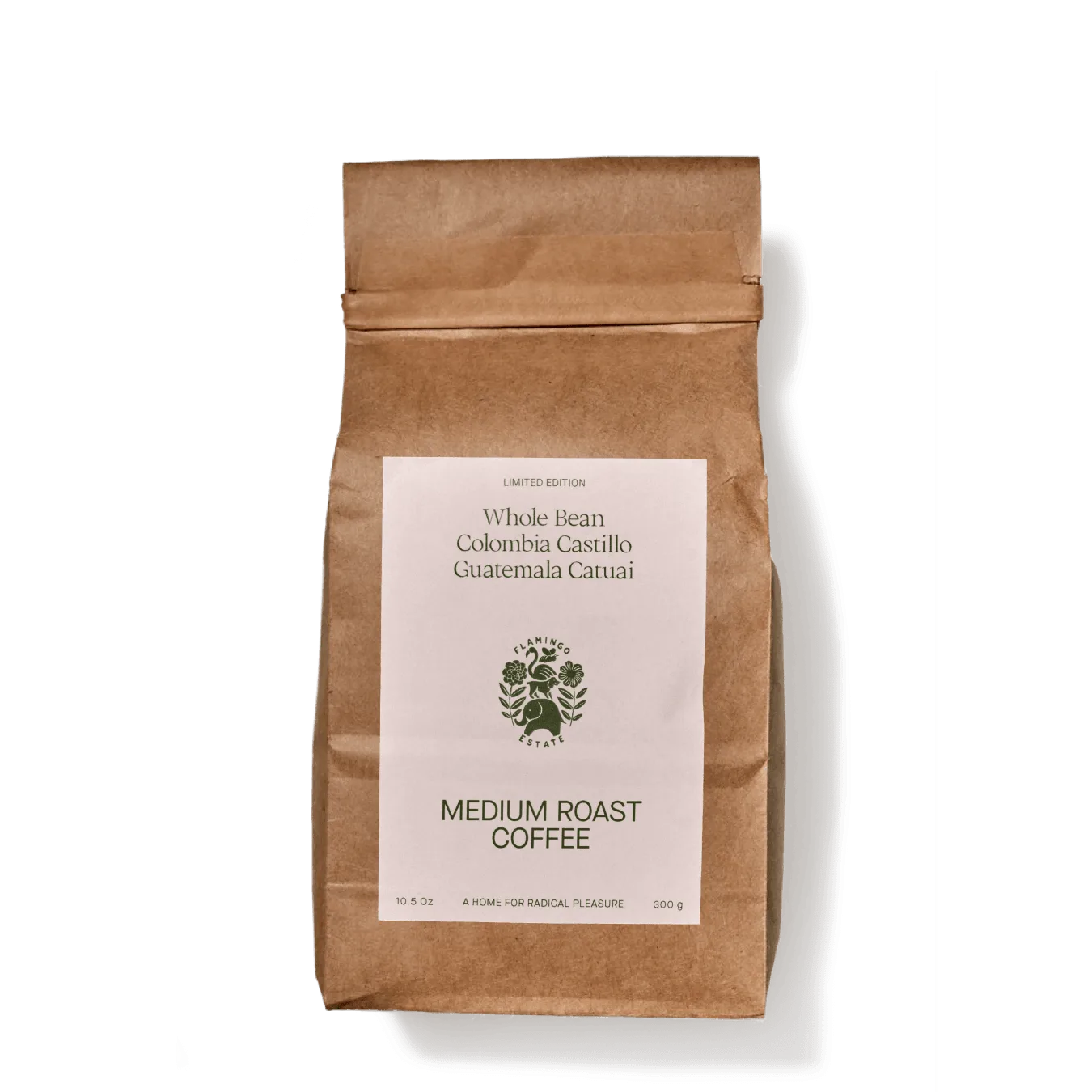
medium roast whole bean coffee
Medium roast whole bean coffee is the sweet spot for many drinkers: it keeps the bean's origin character while developing enough roast to round out acidity. But the way you brew it changes everything. The same beans can taste bright and tea-like in a pour-over or rich and syrupy in a French press.
This guide breaks down the most common brewing methods for medium roast, explains what each does to the cup, and gives you clear rules to match a method to your taste. No single technique is 'best'—it's about what you want from your morning ritual.
Why Medium Roast Deserves a Thoughtful Brew
Medium roast beans are roasted long enough to develop sweetness and body, but not so long that the origin flavors disappear. That makes them versatile, but also means the brew method has a big impact. A light touch with water temperature and time will highlight floral and fruity notes; a longer steep will bring out chocolate and nuttiness.
Grind size is your first lever. For pour-over, use a medium-fine grind, like table salt. For French press, go coarse, like breadcrumbs. If your grind is too fine for the method, you'll get bitterness; too coarse, and the coffee will taste weak and sour. Start with a 1:16 coffee-to-water ratio, then adjust to taste.
- Use fresh, filtered water just off the boil (around 200°F / 93°C) for medium roast.
- Grind right before brewing for the most aromatic cup.
Pour-Over: For Bright, Clean Flavors
Pour-over brewing gives you the most control and highlights the delicate notes in a medium roast. The slow, even extraction produces a clean cup with pronounced acidity and a light body. If you enjoy tasting the origin—like the jasmine and rose notes in a garden-inspired coffee—this is your method.
The trade-off: it takes practice and patience. You need a gooseneck kettle, a filter, and about three to four minutes of active attention. If you're in a hurry, a drip machine is more forgiving, though it may mute some of the subtler flavors.
French Press: For Full Body and Rich Mouthfeel
French press steeps the grounds fully, extracting more oils and fine particles. The result is a heavier, more textured cup with lower acidity. This suits medium roasts that have chocolatey or nutty profiles, and it's a forgiving method for beginners.
The catch: you'll get some sediment in your cup, and if you let it steep too long, it can become bitter. Stick to a four-minute steep, then press and pour immediately. Cleanup is a bit more involved than a paper filter, but many drinkers find the richer cup worth it.
Cold Brew: A Smooth, Low-Acid Option
Cold brew is not just for dark roasts. Medium roast whole bean coffee can shine in cold brew, producing a smooth, sweet concentrate with low acidity. The long, cold extraction highlights chocolate and caramel notes while muting bitterness.
The trade-off is time: you need 12 to 24 hours of steeping. But the result is a versatile concentrate you can dilute with water or milk, and it keeps in the fridge for up to two weeks. If you like iced coffee but find hot-brewed versions too sharp, cold brew is a great fit.
Espresso: For Concentrated Intensity
Espresso forces hot water through finely ground coffee under pressure, creating a thick, concentrated shot with a layer of crema. Medium roasts can make excellent espresso, offering a balance of acidity and sweetness that dark roasts often lack.
However, espresso requires specialized equipment and a fine grind. If you don't have an espresso machine, you can approximate the intensity with a Moka pot, though it won't have the same crema. For most home brewers, pour-over or French press is more practical.
Your Brewing Decision Rules
- If you want bright, clean flavors: Choose pour-over or a drip machine. Use a medium-fine grind and a 1:16 ratio. Expect a lighter body and more pronounced acidity. Best for tasting origin notes like florals and fruit.
- If you want a full, rich body: Go for French press. Use a coarse grind and steep for four minutes. Expect a heavier mouthfeel and lower acidity. Satisfies those who like a robust, comforting cup.
- If you want smooth iced coffee: Try cold brew. Steep coarse grounds in cold water for 12-24 hours, then dilute. Expect a sweet, low-acid concentrate. Perfect for hot days or sensitive stomachs.
Products to Complement Your Coffee Ritual
- Fridays From the Garden Cookbook: With stories by Richard Christiansen, a foreword by Martha Stewart, and recipes from local chefs, Fridays From the Garden is a collection of over 150 recipes from a year spent at Flamingo Estate. Pair your coffee with a recipe from the cookbook for a full garden-to-table experience, whether it's a pastry to accompany your morning brew or a dessert to enjoy with an afternoon cup.
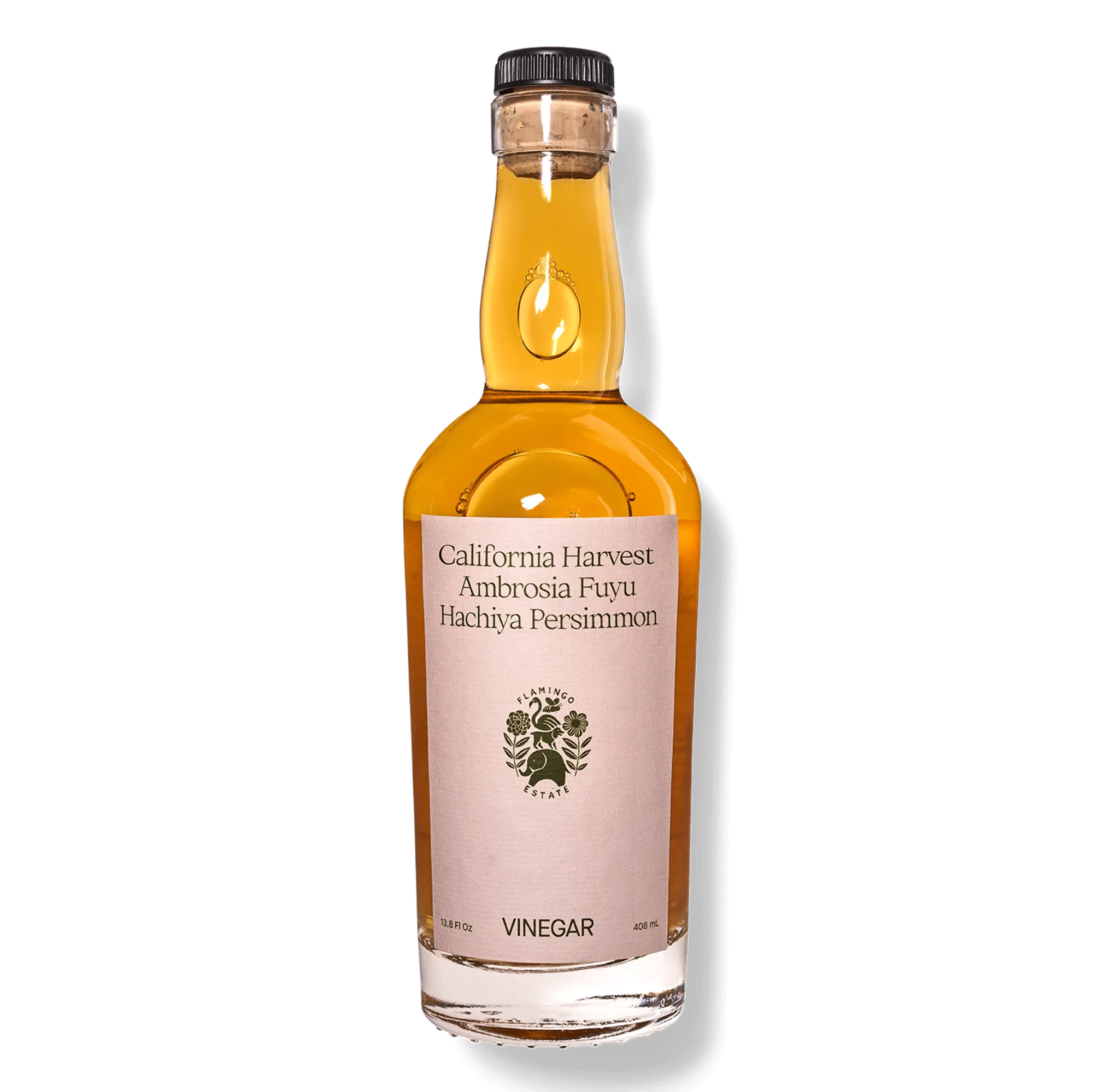
- Winter Harvest Persimmon Vinegar: Vinegar made from Fuyu and Hachiya Persimmons. The bright, yet delicate flavor profile is both sweet and tart - a unique taste that you'll keep coming back to. Use this vinegar to make a shrub or a spritzer that can be served alongside your coffee tasting, offering a refreshing contrast to the roast's depth.
Which Method Fits You?
Best for
- Pour-over for coffee enthusiasts who enjoy a hands-on ritual and want to taste the bean's origin.
- French press for those who prioritize body and richness over clarity.
Not for
- Espresso if you don't own an espresso machine or don't want to invest in one.
No matter which method you choose, medium roast whole bean coffee rewards a little attention. Start with a consistent ratio, adjust your grind, and taste as you go. The right brew is the one that makes you look forward to tomorrow's cup.