Quick Answer
To brew the perfect pot of loose leaf tea, use about one teaspoon of leaves per cup, heat water to the right temperature for your tea type (e.g., 200°F for black tea), steep for 3-5 minutes, and strain. For a robust cup, consider a high-quality blend like Earl Grey Cream Tea.
Brewing a pot of loose leaf tea is an art that transforms simple leaves into a comforting, aromatic experience. Unlike tea bags, loose leaf tea offers superior flavor and aroma because the leaves have room to expand and release their full character. Whether you're a beginner or a seasoned enthusiast, mastering a few key techniques will elevate your daily cuppa.
This guide walks you through every step, from selecting the right tea to pouring the perfect cup. You'll learn how water temperature, steeping time, and leaf-to-water ratio impact flavor, and we'll share tips for popular blends like Earl Grey and wellness teas.
Why Loose Leaf Tea?
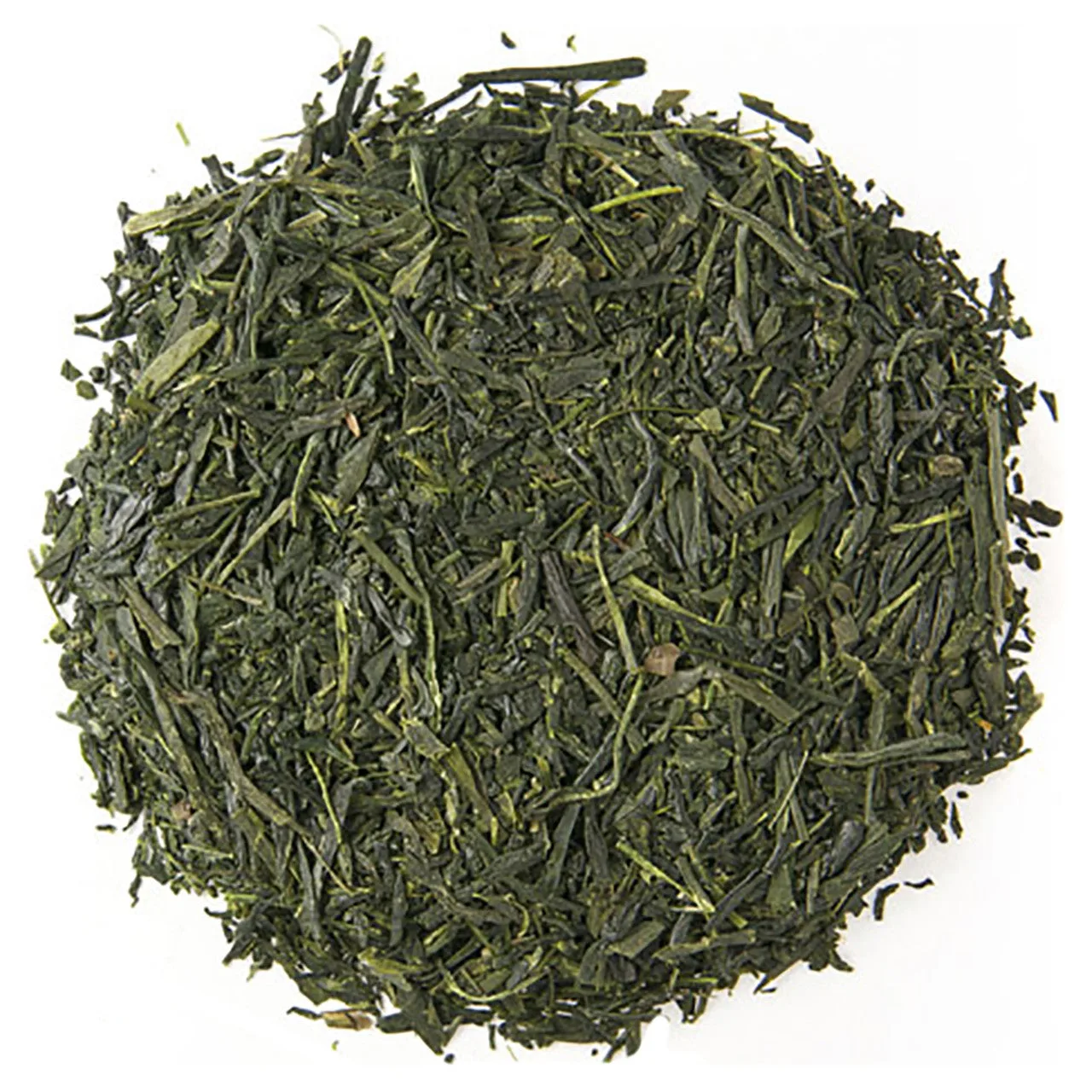
Loose leaf tea consists of whole or large pieces of tea leaves, which retain more essential oils and flavor compounds than the finely broken leaves found in most tea bags. This results in a more nuanced, aromatic, and often smoother cup. Additionally, loose leaf tea allows you to control the strength and customize your brew.
When you brew loose leaf, you also reduce packaging waste and can often use the leaves for multiple infusions, making it an eco-friendly and economical choice. For those who appreciate premium blends, loose leaf is the way to go.
- Better flavor and aroma due to whole leaves
- More control over strength and steeping
- Eco-friendly and cost-effective over time
Essential Equipment for Brewing
To brew a perfect pot, you'll need a few basic tools: a teapot or infuser, a kettle (preferably with temperature control), a timer, and a strainer if your teapot doesn't have one. A scale can help measure leaves precisely, but a teaspoon works fine for most.
If you're new to loose leaf, consider a teapot with a built-in infuser for convenience. Alternatively, use a simple mesh strainer over your cup. The key is to give the leaves ample room to expand.
- Teapot with infuser or separate strainer
- Kettle with temperature control (ideal)
- Timer to avoid over-steeping
Water Temperature and Quality
Water temperature is crucial because different teas require different heat levels to extract the best flavors without bitterness. Black teas, like Assam or Earl Grey, need water at a rolling boil (around 200-212°F). Green and white teas are more delicate and should be brewed at lower temperatures (170-185°F) to prevent astringency.
Always use fresh, filtered water if possible. Avoid re-boiling water, as it reduces oxygen content and can make the tea taste flat. If your kettle doesn't have temperature settings, simply let boiled water cool for a minute or two for green teas.
- Black tea: 200-212°F (boiling)
- Green/white tea: 170-185°F (cooled slightly)
- Herbal/tisane: 212°F (boiling)
Leaf-to-Water Ratio and Steeping Time
The general rule is one teaspoon of loose leaf tea (about 2-3 grams) per 8-ounce cup. For a pot, adjust accordingly. If you prefer stronger tea, add more leaves rather than steeping longer, which can cause bitterness.
Steeping time varies: black teas typically need 3-5 minutes, green teas 2-3 minutes, and herbal teas 5-7 minutes. Over-steeping extracts tannins, making the tea bitter. Use a timer to achieve consistency.
- 1 tsp per 8 oz cup (adjust to taste)
- Black: 3-5 min, Green: 2-3 min, Herbal: 5-7 min
- Add leaves for strength, not time
Step-by-Step Brewing Process
- Step 1: Heat Fresh Water: Fill your kettle with fresh, filtered water and heat to the appropriate temperature for your tea type. For black tea, bring to a rolling boil; for green or white, let it cool slightly after boiling. Checkpoint: Use a thermometer or kettle with temperature settings for precision.
- Step 2: Warm Your Teapot: Pour a small amount of hot water into your teapot, swirl it around, and discard. This preheats the pot, ensuring your tea stays hot during steeping. Checkpoint: A warm pot prevents sudden temperature drops that can affect extraction.
- Step 3: Measure and Add Leaves: Add one teaspoon of loose leaf tea per 8-ounce cup to your infuser or directly into the pot. Adjust based on your taste preference and the tea's density. Mistake to avoid: Don't overfill; leaves need room to expand.
- Step 4: Pour Water Over Leaves: Pour the hot water over the leaves, ensuring they are fully submerged. Cover the pot with a lid to retain heat and aroma. Checkpoint: Water should be at the right temperature—too hot can scorch delicate leaves.
- Step 5: Steep for the Right Time: Set a timer according to your tea type. For black tea, 3-5 minutes; for green, 2-3 minutes; for herbal, 5-7 minutes. Longer steeping increases strength but also bitterness. Mistake to avoid: Don't walk away—over-steeping ruins the flavor.
- Step 6: Strain and Serve: Once steeped, remove the infuser or strain the tea into cups. If you used loose leaves directly in the pot, pour through a strainer to catch any particles. Checkpoint: Serve immediately for the best flavor; leftover tea can be kept warm but may become bitter.
Teas to Try
- https://englishteastoredmg.com/products/bulk-tea-1lb-earl-grey-cream-lb-aba018a3a556ded45ff740fe-605042Earl Grey Cream Tea - Loose Leaf - 5LB: This blend has a smooth taste with vanilla overtones that stand out above the premium bergamot flavor, and it's an excellent all-day tea with a superb finish. Its balanced flavor makes it a perfect candidate for mastering your brewing technique, as it's forgiving and delicious whether you prefer a strong or milder cup.
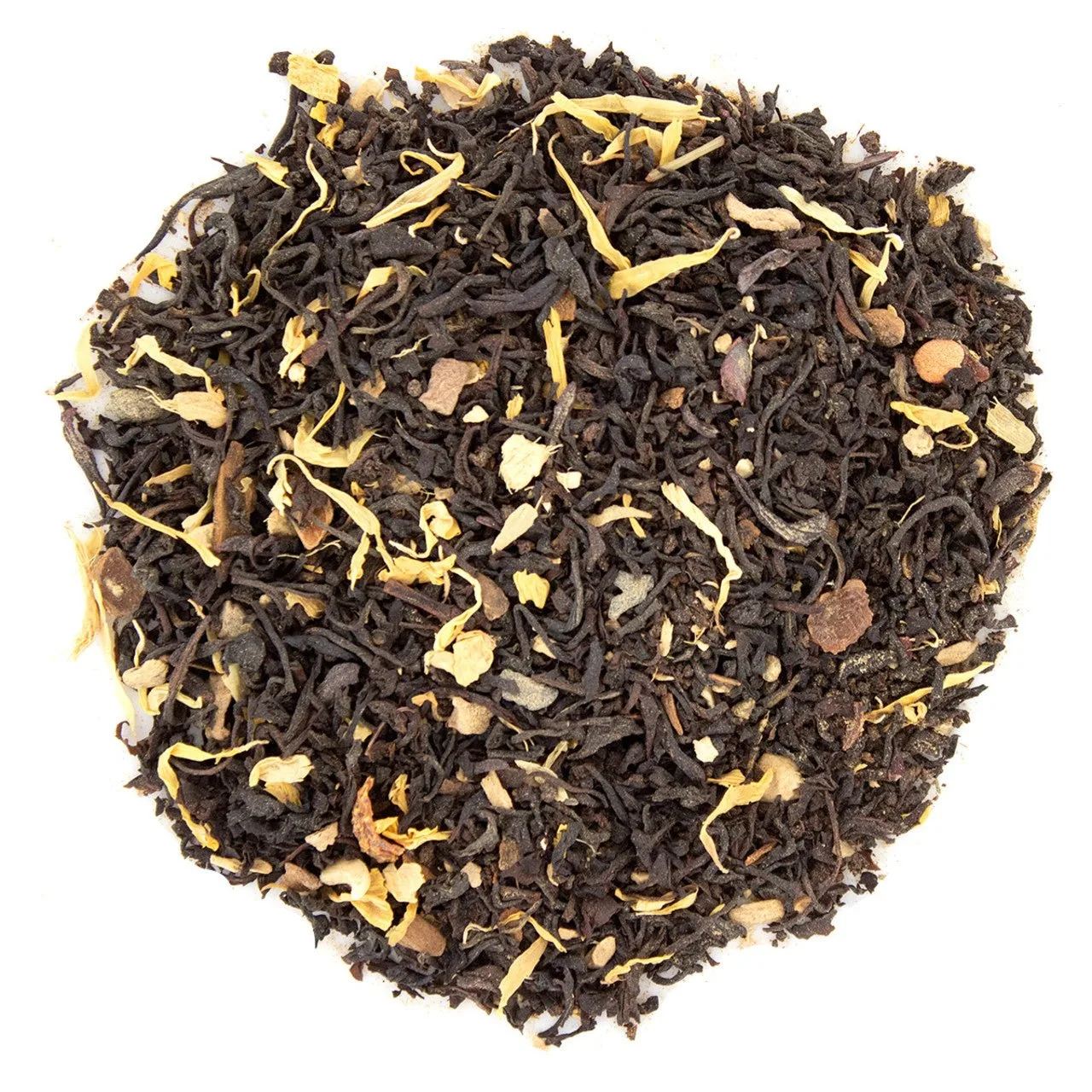
- Ayurvedic Total Body - Wellness Tea - Well Being - Loose Leaf Tea: This caffeine-free formulation is built on a foundational lattice of mineral-dense South African rooibos, with an intricate spectrum of premium whole herbs and vibrant botanicals. Since it's caffeine-free and herbal, you can steep it longer without bitterness, making it an ideal choice for evening pots and experimenting with steeping times.
Brewing the perfect pot of loose leaf tea is a rewarding ritual that combines science and art. With the right techniques, you can enjoy a consistently delicious cup every time. Ready to elevate your tea experience? Explore our selection of premium loose leaf teas, like the Earl Grey Cream Tea, and start brewing your perfect pot today.