Quick Answer
To brush your dog's teeth effectively, use a dog-specific toothbrush with angled bristles and toothpaste formulated for dogs, then follow a gradual, gentle routine that helps your pup stay calm and cooperative.
Why Brushing Your Dog's Teeth Matters
Regular brushing is the most effective way to maintain your dog's oral hygiene and prevent plaque buildup, bad breath, and more serious dental issues. Unlike some other dental care methods, brushing physically removes plaque before it hardens into tartar.
Starting a routine early and keeping it consistent is key. Even if your dog is older, it's never too late to introduce tooth brushing—just take it slowly and use positive reinforcement.
Choosing the Right Toothbrush and Toothpaste
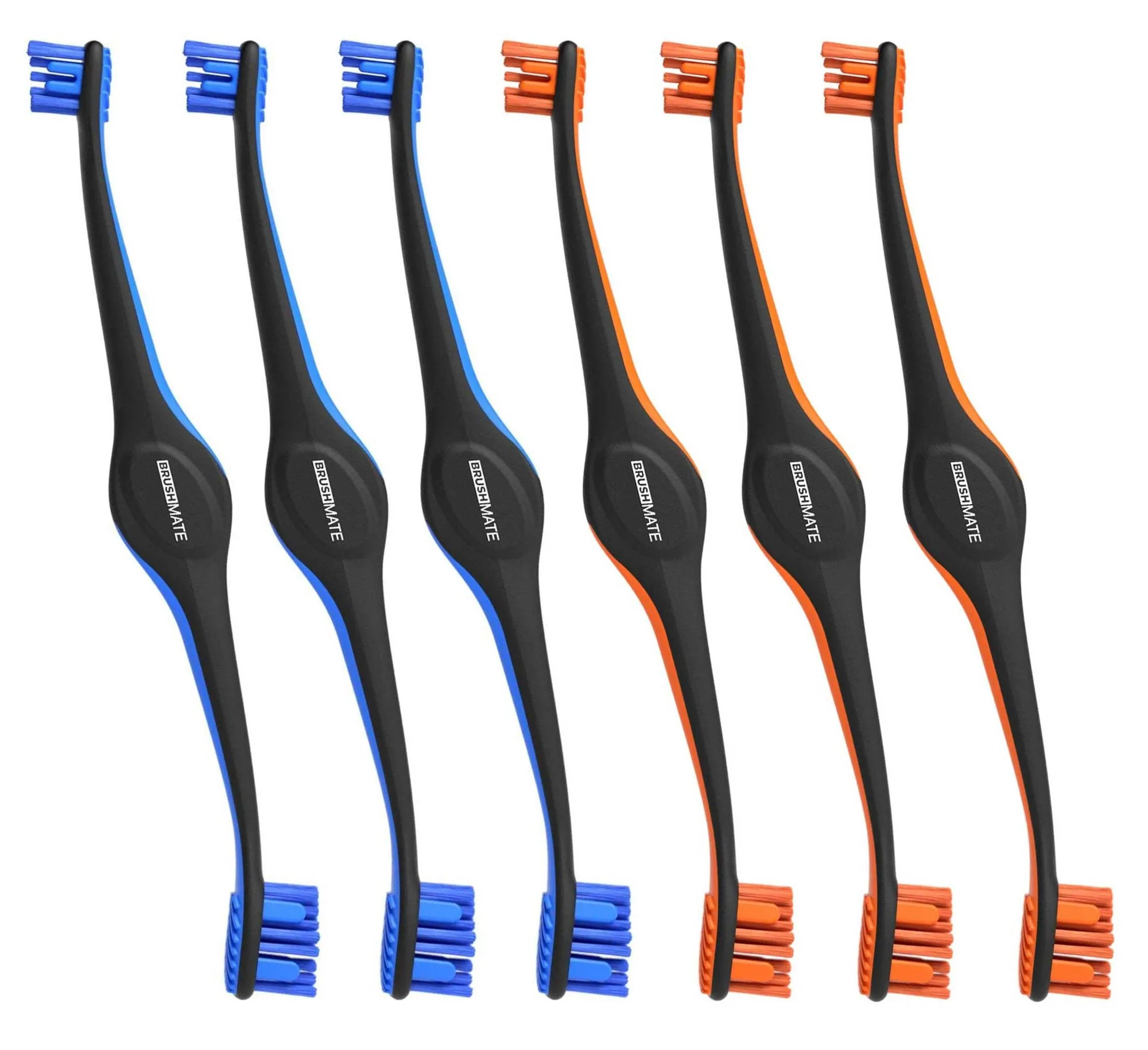
Always use a toothbrush designed for dogs. Human toothbrushes are often too large and have bristles that aren't angled for canine teeth. A dog toothbrush with angled bristles, like the HUFT Dog Toothbrush, can reach all sides of your dog's teeth more effectively.
Never use human toothpaste—it contains ingredients like fluoride and xylitol that are toxic to dogs. Always use a toothpaste formulated specifically for dogs, which is safe to swallow and often comes in flavors dogs love.
What to Expect: Patience and Consistency
Don't expect your dog to love brushing right away. It's normal for them to resist or be unsure at first. The key is to go slowly, keep sessions short, and reward your dog with praise or a treat afterward.
Aim to brush your dog's teeth every day, or at least a few times a week, to maintain good oral hygiene. Consistency is more important than perfection—even a quick brush is better than none.
Step-by-Step Brushing Routine
- Get Your Supplies Ready: Gather a dog-specific toothbrush (like the HUFT Dog Toothbrush) and dog-safe toothpaste. Have some treats on hand for positive reinforcement. Check that the toothpaste is made for dogs and never use human toothpaste.
- Let Your Dog Get Comfortable: Let your dog sniff and lick the toothbrush and toothpaste before you start. This helps them associate the tools with a positive experience. If your dog seems nervous, pause and try again later—don't force it.
- Lift the Lip and Start Brushing: Gently lift your dog's lip and brush in small circular motions, focusing on the outer surfaces of the teeth where plaque tends to build up. Start with a few teeth and gradually increase the area. Focus on the gum line, but be gentle to avoid irritating the gums.
- Reward and Repeat: After brushing, give your dog a treat and lots of praise. This creates a positive association and makes future brushing sessions easier. Aim to brush daily, or at least several times a week, for best results.
Product Spotlight
-
HUFT Dog Toothbrush - Orange: The HUFT Dog Toothbrush features angled bristles that offer a triple brushing action to clean all sides of your dog's teeth. This design helps you reach more surface area with each stroke, making your brushing sessions more efficient and effective.
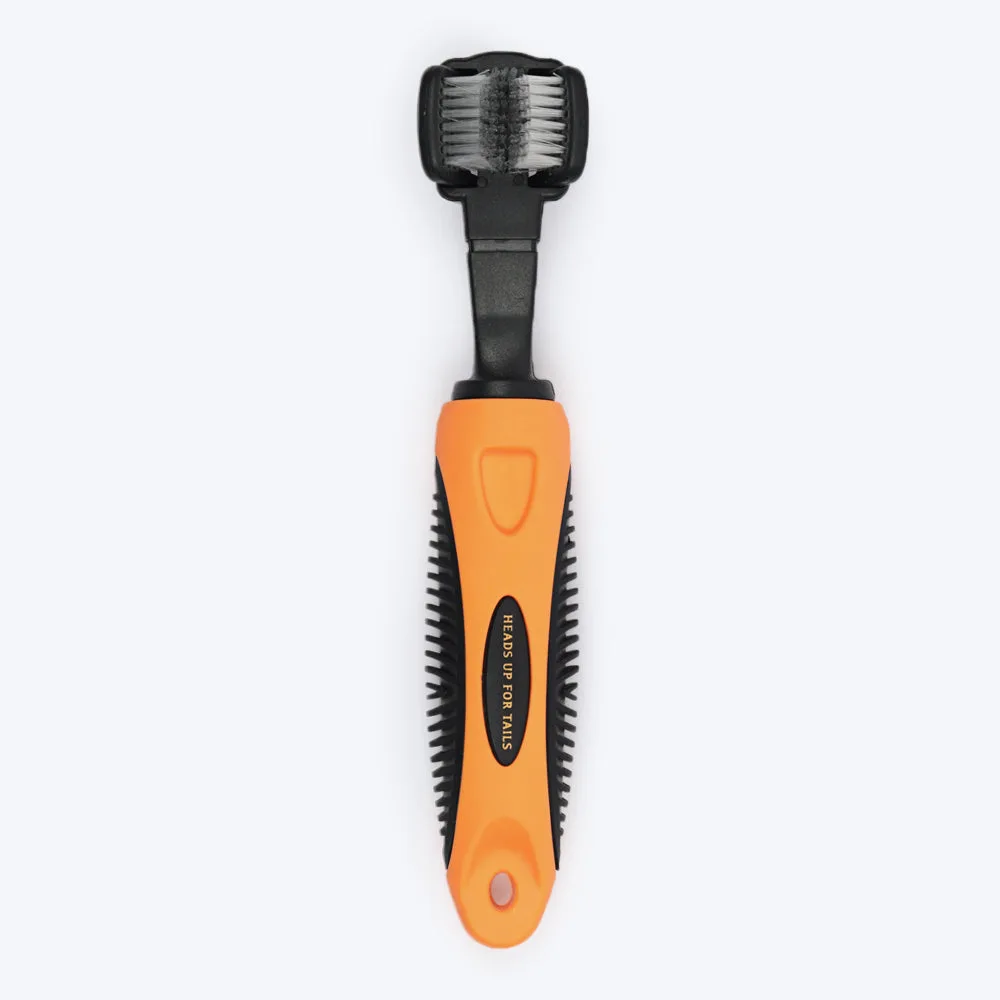
HUFT Dog Toothbrush - Orange