Quick answer
Brush your dog's teeth at least 2–3 times per week using a pet-specific toothbrush and enzymatic toothpaste. Start slowly, reward often, and focus on the outer surfaces of the larger back teeth where plaque builds up fastest.
Why brushing matters more than you think
Periodontal disease is the most common health problem in adult dogs, yet many owners skip dental care because it seems hard. Regular brushing removes plaque before it hardens into tartar, which can cause gum infection, tooth loss, and even heart or kidney damage. The good news: a quick 2-minute session a few times a week makes a real difference.
Choosing the right toothbrush for your dog
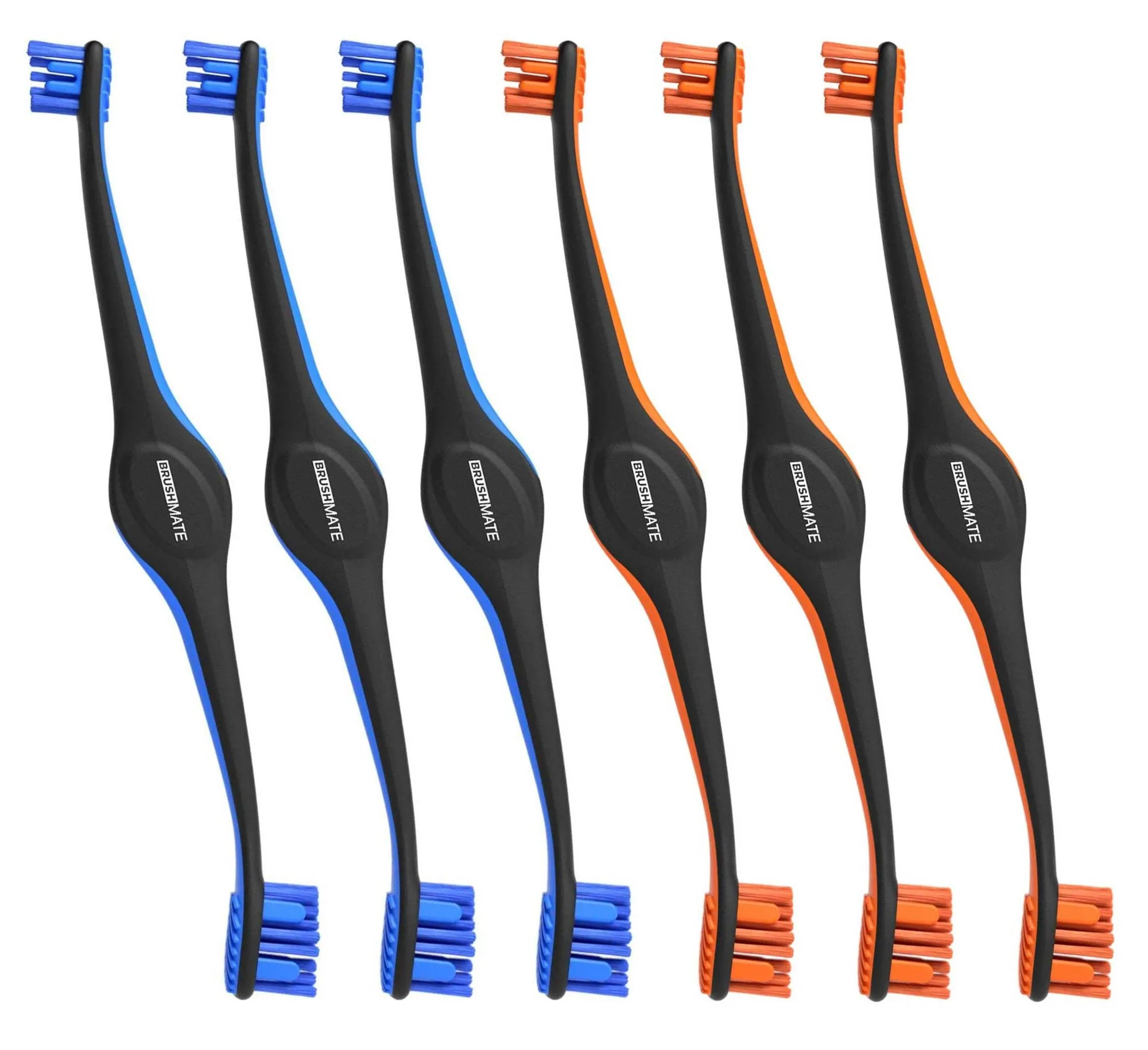
Human toothbrushes are too harsh for dog gums and the handle angle makes it awkward to reach canine teeth. A dog-specific brush like the Pack BrushMate Pet Toothbrush has dual-ended angled heads that clean both large and small teeth comfortably. The ergonomic handle with a flat center gives you better control, especially when your dog is wiggly.
Step-by-step: How to brush your dog's teeth
- Get your supplies ready: Grab a pet toothbrush (like the BrushMate), enzymatic toothpaste made for dogs (never human toothpaste—it can upset their stomach), and a few high-value treats.
- Let your dog inspect the brush: Let your dog sniff and lick the dry brush. Rub a tiny bit of toothpaste on your finger and let them taste it. This builds curiosity instead of fear. Common mistake: rushing straight to brushing. Spend 2–3 sessions just on this step if your dog is nervous.
- Lift the lip and start with one tooth: Gently lift your dog's lip on one side. Rub the brush in small circles on one or two back teeth for about 10 seconds. Praise and treat immediately.
- Gradually increase the area each session: Each time you brush, add one or two more teeth. Focus on the outer surfaces of the upper back molars—that's where most tartar forms. The inner surfaces get cleaned by the tongue, so you can skip them. Aim to cover all outer surfaces of the upper and lower teeth on both sides within a week of starting.
- Finish with a reward and rinse the brush: After brushing, give your dog a treat and lots of praise. Rinse the toothbrush with warm water and let it air dry. Replace the brush every 3 months or sooner if bristles fray. Consistency matters more than perfection. Even a partial brushing session is better than skipping entirely.
Product recommendation
-
Pack BrushMate Pet Toothbrush: The BrushMate Dual-Ended Brush design and angled bristles help remove plaque buildup and food debris with regular brushing. Dual size angled soft brush heads gently clean all sizes of teeth. You get two brush sizes in one tool so you can clean a Chihuahua's front teeth and a Labrador's back molars without switching brushes.
Pack BrushMate Pet Toothbrush