Quick Answer
Start brushing from the ends and work your way up in small sections while your hair is damp and conditioned. Use a brush with flexible, two-tiered teeth like The Ultimate Detangler to gently separate knots without pulling on the scalp. Always hold the section above the knot to reduce tension and prevent breakage.
Why Long Hair Tangles More
Long hair has more surface area and older ends that are drier and more porous, making them prone to tangling. Daily movement, friction against clothing, and sleeping without protection all contribute to knots forming, especially near the nape of the neck and the ends. The key to managing tangles is not just the brush you use but the order and technique you follow.
Choosing the Right Brush for Long Hair
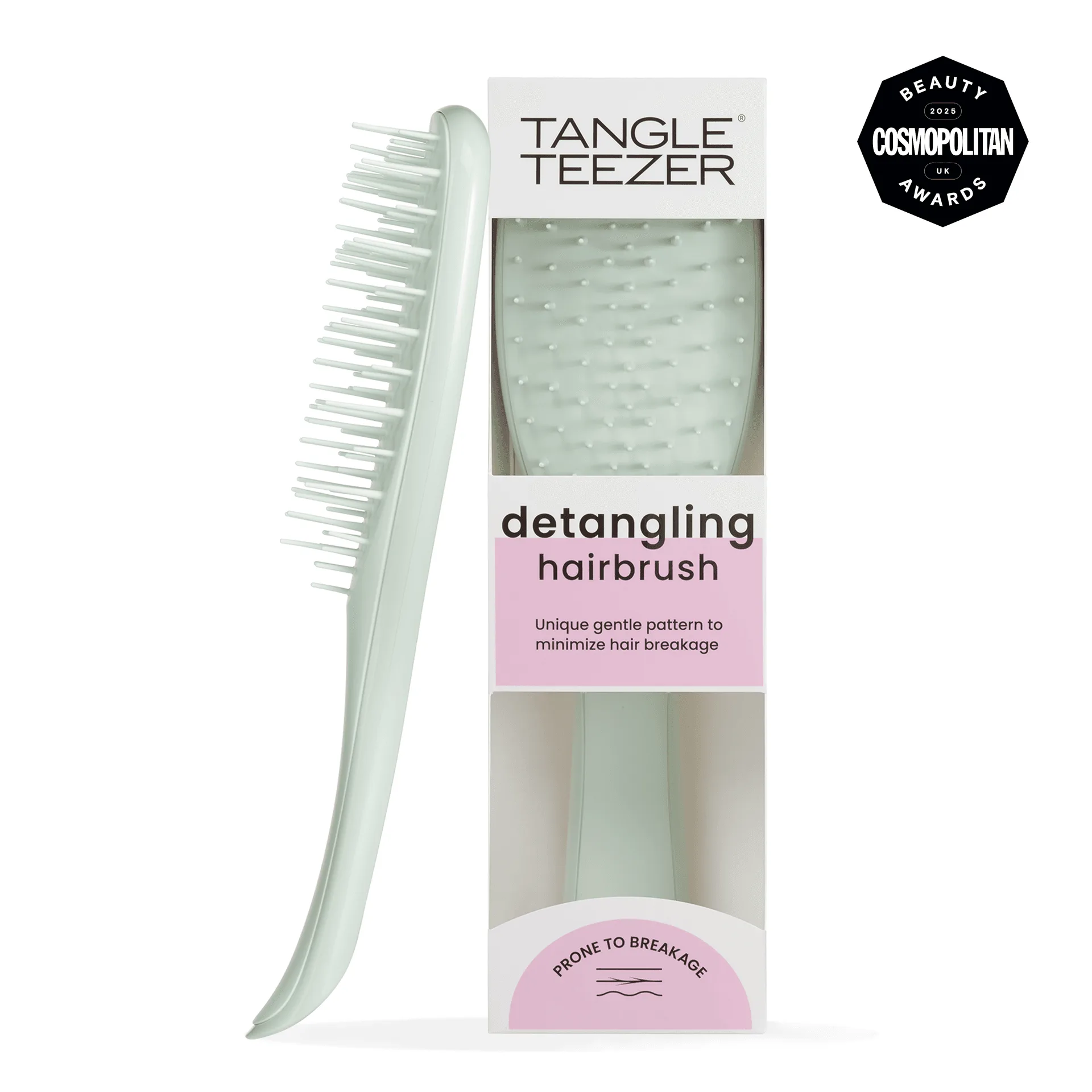
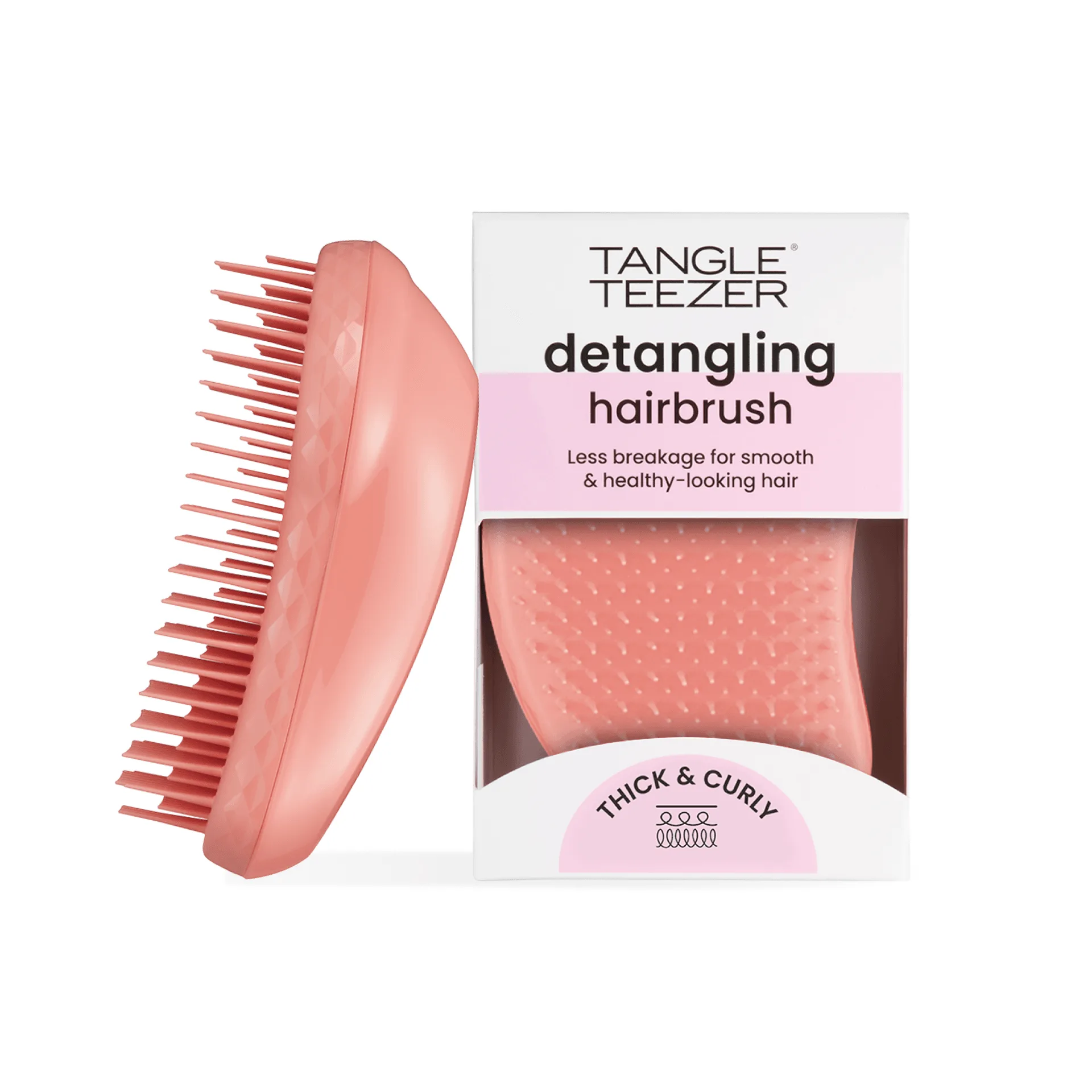
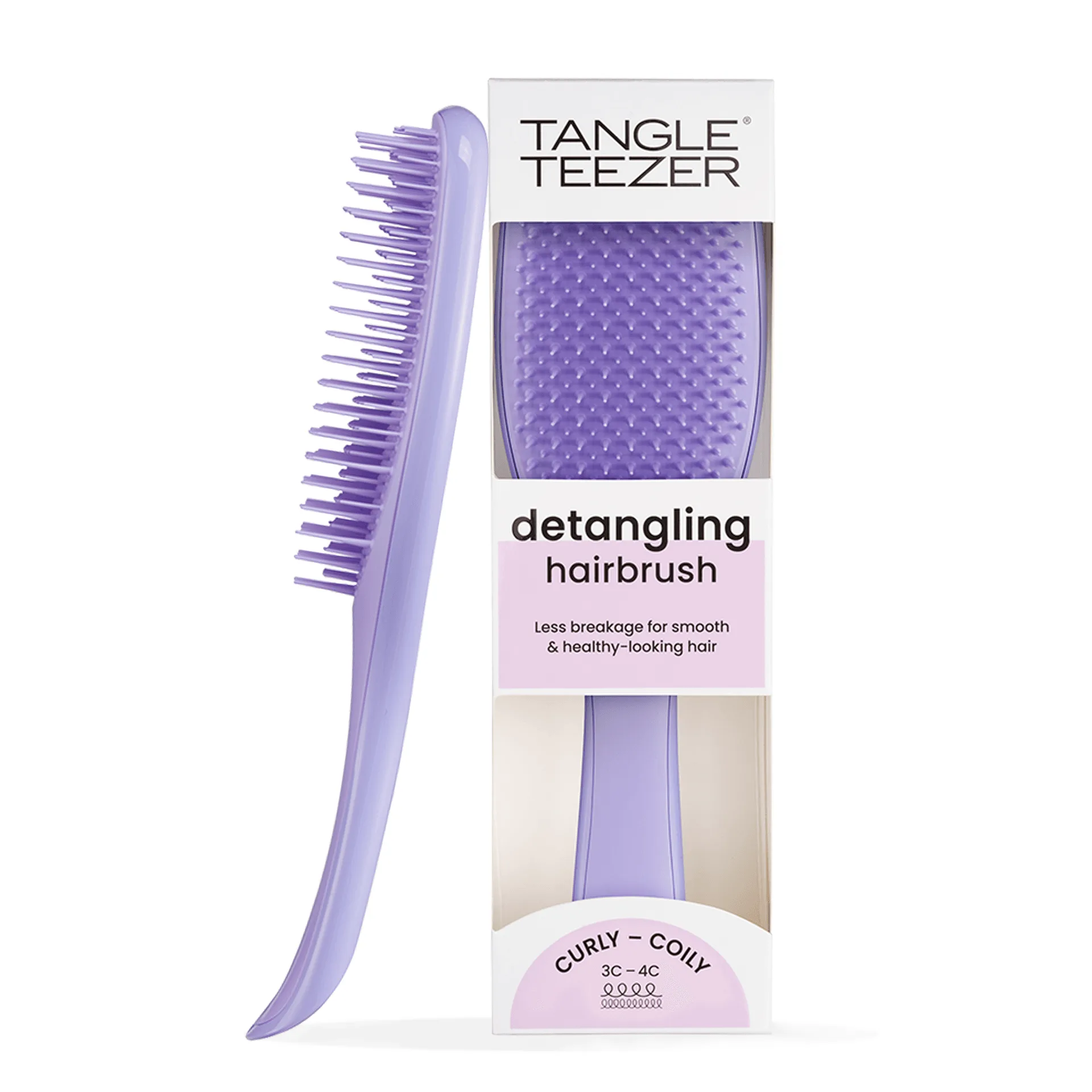
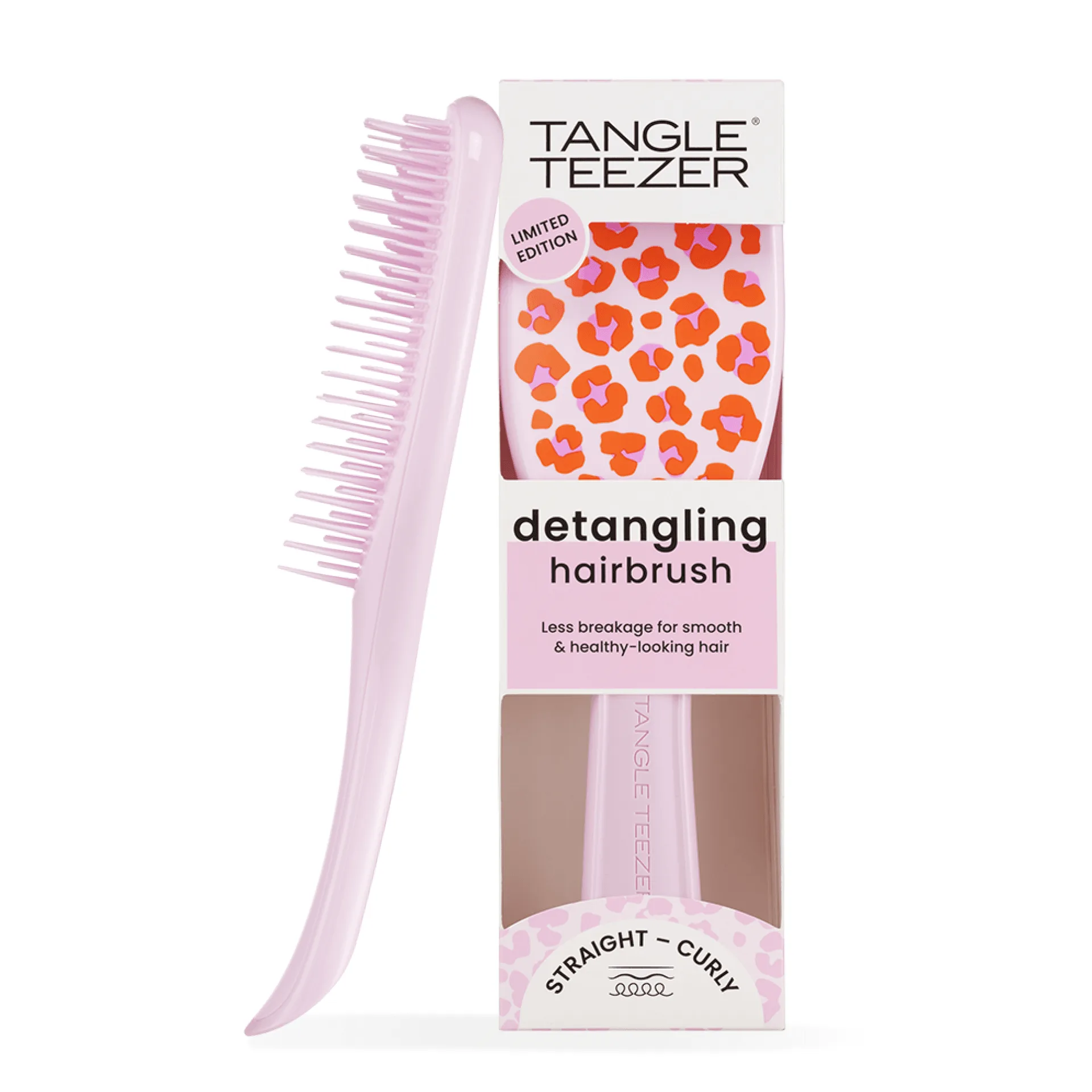
A brush designed for detangling makes a significant difference. Look for flexible, two-tiered teeth that can glide through knots without yanking. The Ultimate Detangler features patented two-tiered teeth: longer teeth detangle while shorter teeth smooth the hair cuticle. For those with fine, fragile, or color-treated hair, The Ultimate Detangler Fine & Fragile uses softer flex teeth to be extra gentle on delicate strands. A brush with a handle also gives you better control when working through long sections.
Step-by-Step Routine to Brush Long Hair Without Tangles
- Step 1: Apply conditioner and let it sit: After shampooing, apply a generous amount of conditioner from mid-lengths to ends. Leave it on for 2-3 minutes to soften the hair cuticle and reduce friction. Rinse lightly, leaving some conditioner in for slip. Common mistake: brushing dry, tangled hair without any slip product. This increases breakage and pain.
- Step 2: Start brushing from the ends: With your hair still damp and conditioned, take a 2-inch section and hold it firmly about halfway down. Begin brushing the last 2-3 inches of the ends only. Once those are smooth, move up a few inches and brush again, gradually working your way up to the roots. Checkpoint: if you feel resistance, stop and hold the section above the tangle to reduce scalp tension.
- Step 3: Use a detangling brush with flexible teeth: Use The Ultimate Detangler or The Ultimate Detangler Fine & Fragile to gently glide through each section. The two-tiered teeth separate knots while smoothing the hair in one pass. Never yank or saw at a knot. Common mistake: using a paddle brush with stiff bristles on wet hair. This snaps strands and worsens tangles.
- Step 4: Work in small, manageable sections: Divide your hair into 4-6 sections and clip the rest away. Brush each section completely before moving to the next. This ensures every strand is detangled and reduces the chance of re-tangling. Checkpoint: if you skip sections, you'll miss hidden knots that form later.
- Step 5: Finish with a light leave-in or serum: Once all sections are smooth, apply a small amount of leave-in conditioner or a drop of hair oil to the ends. This seals the cuticle and helps prevent tangles from reforming quickly. Common mistake: applying product to the roots, which weighs down long hair and can cause greasiness.
Product Facts
- The Ultimate Detangler: The patented two-tiered teeth technology is gentle on vulnerable, shower-fresh hair, meaning less breakage, more of that running-your-fingers-through-your-hair feeling. The long teeth detangle, while the shorter teeth smooth. This dual-length design works in one motion to separate knots and then lay the hair flat, so you don't have to brush twice or apply extra pressure on long hair.
- The Ultimate Detangler Fine & Fragile: The same winning features, but with soft-flex teeth that are a grade softer than our original Ultimate Detangler, it was created with fine, fragile, heat-damaged or colour-treated hair in mind. If your long hair is prone to breakage or has been chemically treated, the softer teeth reduce stress on each strand while still effectively removing tangles.