Quick Answer
Start your button badge collection by choosing one clear theme, sourcing badges from official merch drops and conventions, storing them in acid-free sleeves or a binder, and displaying only a rotating handful at a time. This keeps the collection focused, protected, and easy to enjoy without overwhelm.
Button badges are one of the easiest and most affordable ways to collect the games and characters you love. They take up almost no space, they are durable enough for everyday wear, and they let you show off your fandom on a jacket, a lanyard, or a corkboard without committing to a full shelf of figures.
But without a little structure, a button badge collection can quickly turn into a drawer of loose pins and forgotten duplicates. This guide walks you through the exact steps to build a collection you are proud of, from picking a theme to displaying your favorites and keeping them in good shape for years.
Why a Button Badge Collection Is Worth Starting
Button badges are small, lightweight, and often priced low enough to pick up on a whim. That makes them a great entry point for new collectors and a satisfying side project for longtime fans. Unlike larger collectibles, they do not demand much shelf space, and you can wear them without worrying about damaging a fragile figure.
The real appeal is variety. A single game can have dozens of badge designs, from character portraits to logos to inside jokes. That range lets you shape a collection around a specific series, a color palette, or even a single character. The tradeoff is that without a plan, it is easy to buy duplicates or badges that do not fit your goals. A little intention at the start saves money and keeps the collection meaningful.
- Badges are budget-friendly, so you can collect steadily without large purchases.
- They are wearable, which means your collection doubles as personal style.
- Limited runs mean some badges disappear quickly, so knowing your theme helps you decide fast.
Step 1: Pick a Theme That Keeps You Focused
Before you buy anything, decide what your collection is about. A theme can be as broad as a favorite franchise or as narrow as a single character, a color, or a specific art style. For example, you might focus on Atlus games, or on villain characters, or on badges that feature food. The theme is your filter for every future purchase.
A clear theme does two things: it prevents impulse buys that you later regret, and it makes your collection look intentional when displayed. If you are torn between two themes, start with the one that has more available badges. You can always expand later, but starting narrow helps you avoid a scattered pile.
- Write your theme down and keep it visible when shopping online.
- If a badge does not fit the theme, skip it unless it is a grail you truly love.
- Allow yourself one exception category, like a favorite artist, to keep things fun.
Step 2: Source Badges from Reliable Places
Official merchandise is the safest bet for quality and authenticity. Look for badges sold directly by game studios, licensed merch shops, and convention booths. These sources tend to use durable enamel or metal construction and clear artwork. They also hold their value better if you ever trade or sell.
Secondary markets like fan conventions, artist alleys, and online resale groups can be great for finding older or limited badges, but inspect photos closely for scratches, fading, or missing backs. If a listing does not show the back of the badge, ask for a photo. The back tells you whether the pin post is intact and whether the rubber or metal clutch is included.
- Buy from official sources first to build a quality baseline.
- At conventions, bring a small list of specific badges you are hunting.
- For resale, always confirm the pin back and clutch are included.
Step 3: Store Badges So They Stay Pristine
Storage is where most collections go wrong. Tossing badges loose in a drawer leads to scratches, bent posts, and lost backs. Instead, use a dedicated binder with acid-free pages, or a felt-lined box with individual compartments. Keep badges separated so metal does not rub against metal.
Humidity and direct sunlight are the two biggest threats. Store your binder or box in a cool, dry place away from windows. If you live in a humid climate, add a small silica gel packet to the storage container and replace it every few months. This simple step prevents rust on metal backs and keeps colors from fading.
- Use acid-free sleeves or felt compartments to prevent scratches.
- Keep storage out of direct sunlight to avoid fading.
- Label sections by theme or series so you can find badges quickly.
Step 4: Display a Rotating Selection
Displaying your entire collection at once can look cluttered and exposes every badge to dust and light. A better approach is to rotate a small group, maybe ten to fifteen badges, on a pin board, corkboard, or fabric panel. This keeps the display fresh and limits wear on any single badge.
For wearable display, attach a few badges to a jacket, bag, or lanyard. A lanyard is especially practical because it holds badges securely and lets you swap them easily. If you use a bag, place badges on a strap or panel where they will not scrape against walls or seats. Always use the rubber clutch on the back to protect the pin post.
- Rotate your display every month or two to spread out light exposure.
- Use a lanyard for a wearable group that is easy to change.
- Avoid putting badges on surfaces that rub against hard objects.
Step 5: Track Your Collection and Avoid Duplicates
Once you have more than a handful of badges, memory fails. Keep a simple list or spreadsheet with the badge name, series, source, and date acquired. A photo of each badge on your phone is even faster. This record helps you avoid buying the same badge twice and makes trading or selling easier later.
If you trade, be honest about condition. Note any scratches, fading, or missing backs before offering a badge. Most collectors appreciate transparency and will reciprocate. A good reputation in trading circles makes it easier to find rare badges down the line.
- Photograph each badge when you add it to your collection.
- Note the source and price so you can gauge value later.
- Disclose condition flaws before any trade.
Your Step-by-Step Badge Collection Plan
- Define your theme: Choose one franchise, character, color, or style as your filter. Write it down and check every potential purchase against it. Checkpoint: if you cannot explain why a badge fits, do not buy it yet.
- Source from official and trusted sellers: Start with official merch shops and licensed convention booths. For resale, ask for photos of the back and confirm the clutch is included. Checkpoint: a badge without a visible back photo is a risk.
- Store in acid-free or felt-lined protection: Use a binder with acid-free pages or a compartment box. Keep it cool, dry, and out of direct sunlight. Checkpoint: if badges can slide and touch each other, add separators.
- Display a rotating handful: Put 10 to 15 badges on a board or lanyard at a time. Swap them monthly to limit light and dust exposure. Checkpoint: if a badge is fading, move it to storage immediately.
- Track and trade with care: Log each badge with a photo, source, and condition notes. Disclose flaws before trading. Checkpoint: a simple photo log prevents duplicate buys.
Badges and Collectibles That Fit a Button Badge Collection
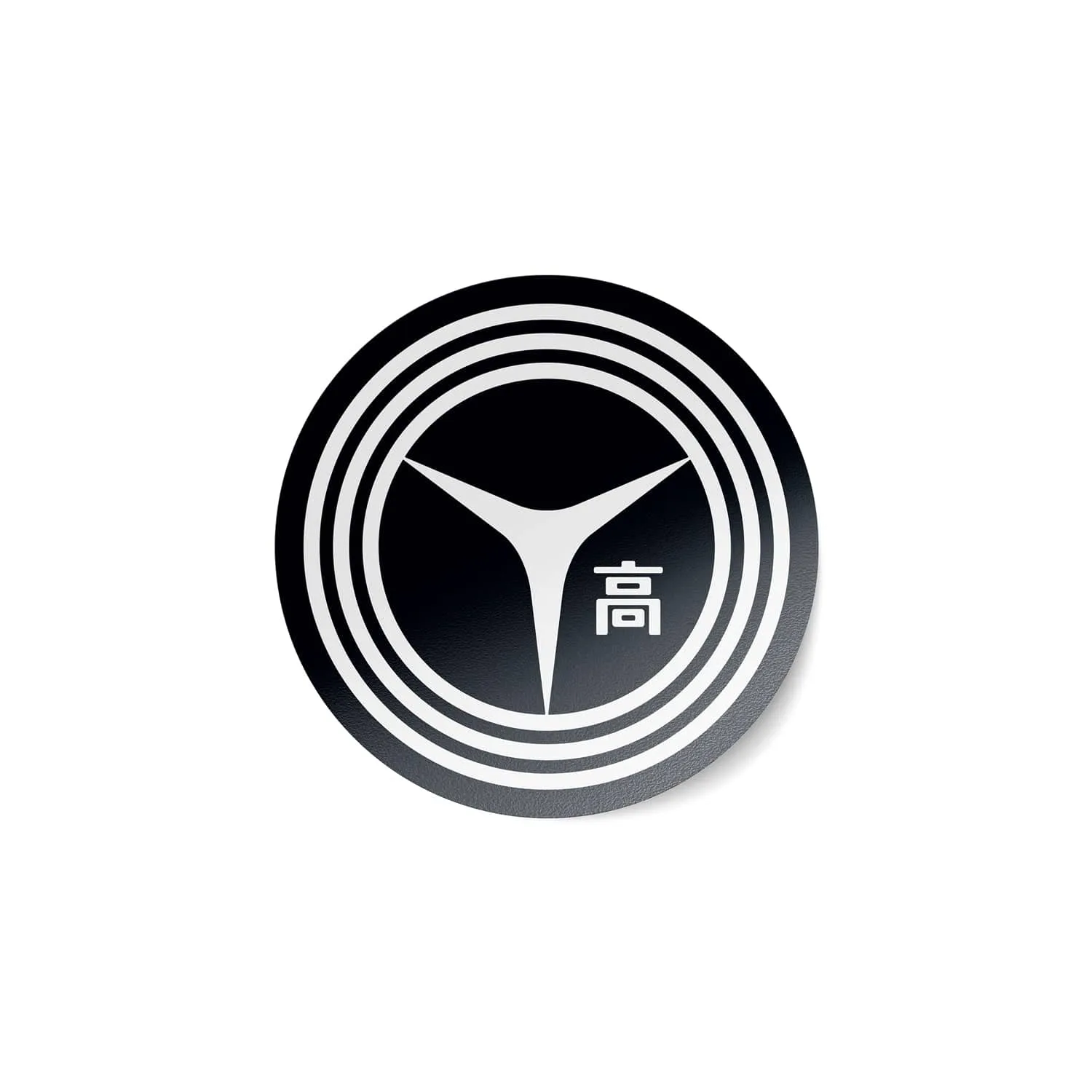
- Persona 4 - Yasogami High School Vinyl Sticker: Official Persona 4 sticker, approximately 1.90 inches tall by 1.90 inches wide, may fade in direct sunlight. Also available as a pin and a tee. If you collect Persona badges, this sticker gives you a matching non-badge option for laptops or notebooks, and the sunlight warning applies to badges too.
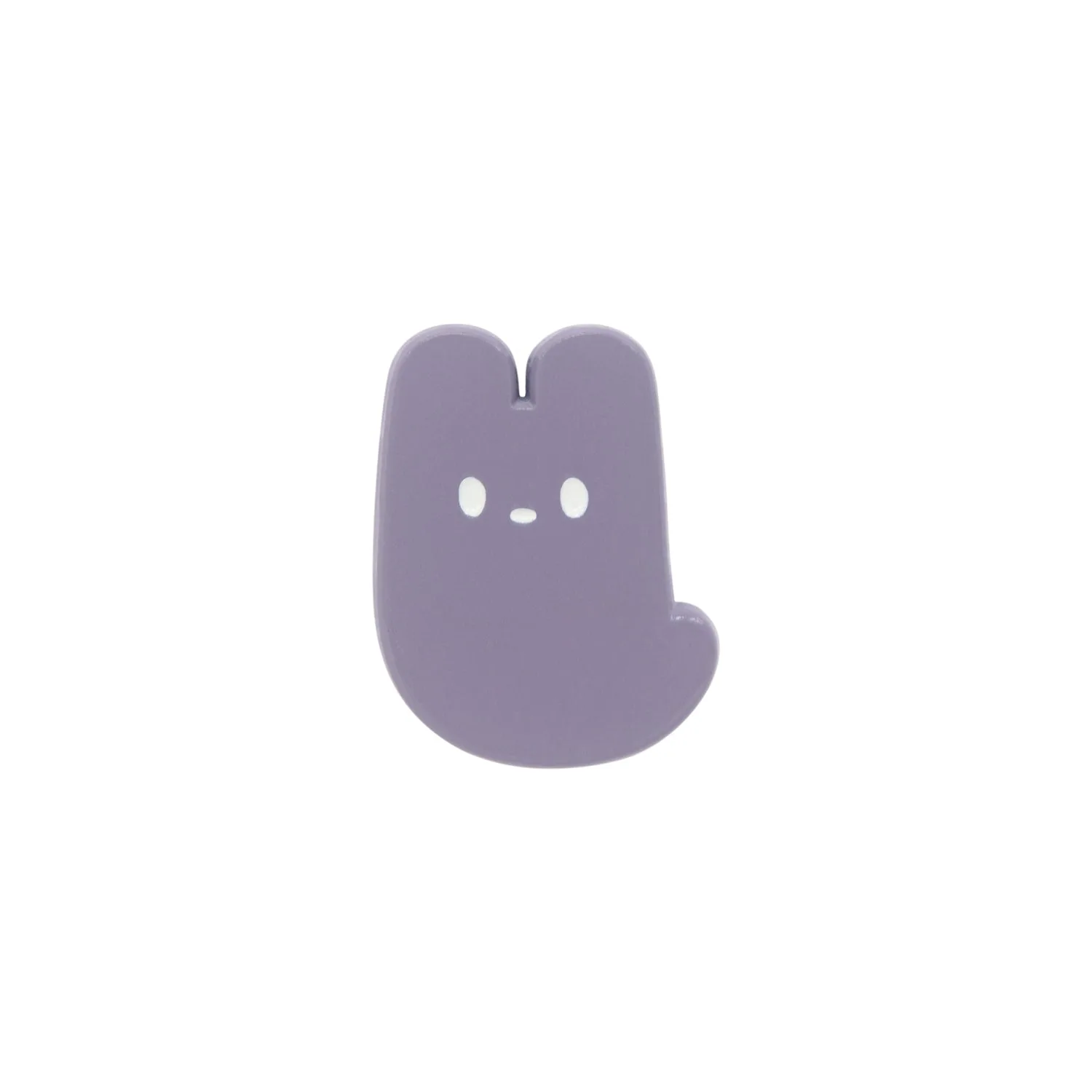
- Rain World - Watcher Marshmallow Mini Pin: Color-coated soft enamel mini pin with a rubber pin back, officially licensed by VideoCult and Akupara Games. Soft enamel with a rubber back is a durable combo for a badge collection, and the mini size fits well on a lanyard or a crowded display board.
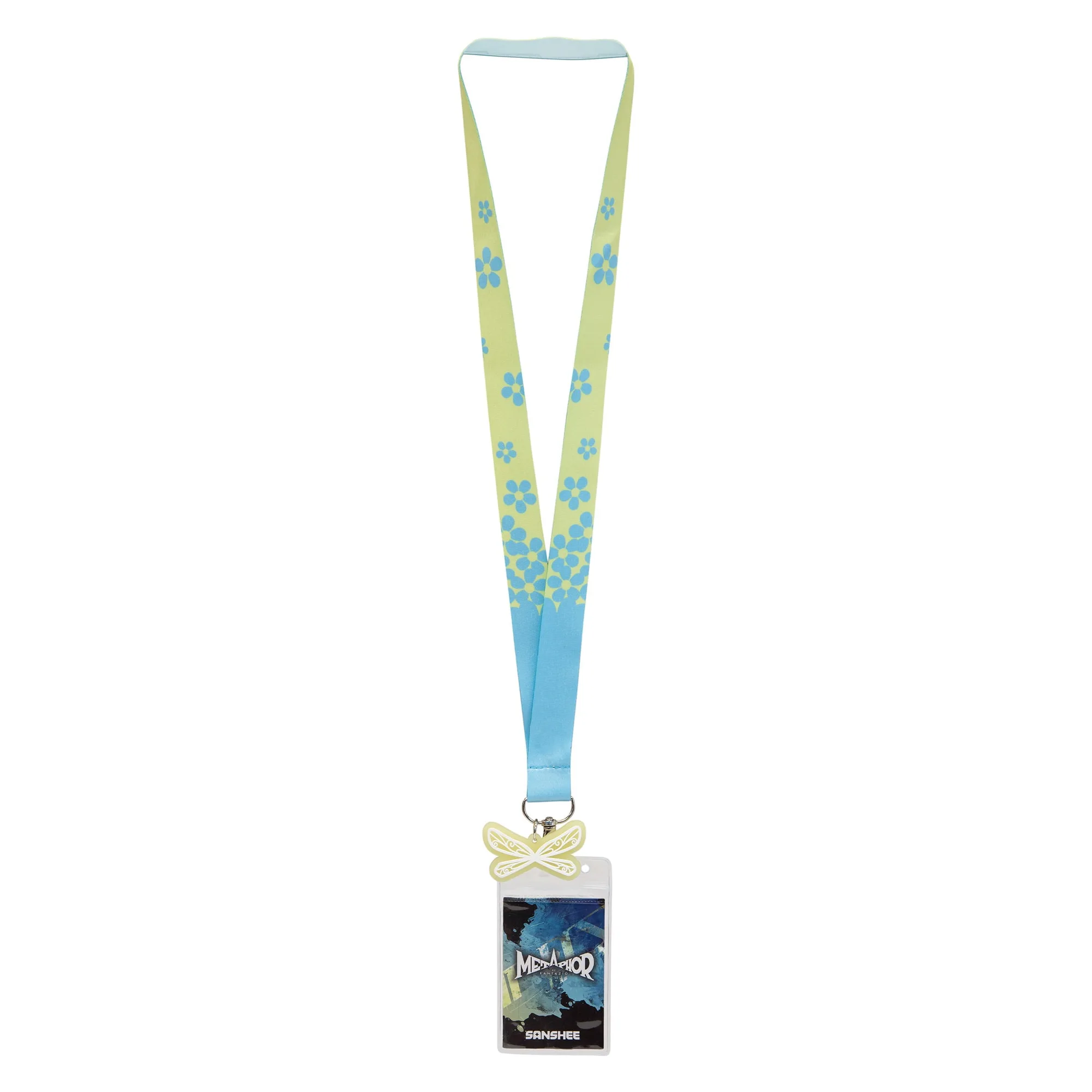
- Metaphor: ReFantazio - Gallica Lanyard: Official Metaphor: ReFantazio lanyard, approximately 18 inches long, licensed by SEGA and ATLUS. A lanyard is one of the best ways to display and carry a rotating set of badges, and this one matches Atlus-themed collections.
Building a button badge collection is about choosing a theme, sourcing thoughtfully, and protecting what you buy. Start with one small goal, add a storage solution, and rotate your display. Your collection will stay fun, organized, and ready to wear whenever you want.