Quick answer
Start with three to five vehicles in one consistent size, spend more on a couple of durable favorites than on a big mixed bag, and add pieces slowly as your child shows what they actually play with. If your child is under three, skip the small cars entirely and choose chunky, single-piece vehicles instead.
A first toy car collection works best when it grows the way a child's play does: a few good pieces now, one or two more when a birthday or report card rolls around. The mistake most families make is buying a large mixed lot at once, which produces a shoebox of mismatched vehicles and no clear favorite.
This guide gives you decision rules rather than a shopping list. You will choose a scale, set a spending pattern, and learn which details actually survive daily play. Along the way, a few Safari Ltd. figures show how the same rules apply to collectible toy cars and the animal figures many kids park beside them.
Pick one scale before you buy anything
Scale is the single decision that makes or breaks a collection. Vehicles in the same scale look right together, park in the same case, and can share roads and garages. Mixed scales look like a jumble even when every individual car is nice. Before your first purchase, decide whether you want small die-cast toy cars that fit in a pocket or larger vehicles built for two-handed play on the floor.
For most first collections, a consistent small scale is the practical choice because storage stays cheap and portable. If your child already gravitates toward big trucks and construction vehicles, choose that larger size instead and stay with it. Write the scale on a note in the toy bin so grandparents and gift-givers buy compatible pieces.
- Measure your storage first: a shoebox, a divided case, or a shelf determines how many vehicles you can realistically keep.
- Buy two vehicles in the chosen scale before buying ten, and check that they look right side by side.
Set a budget rhythm instead of a one-time haul
Collections get expensive when every shopping trip adds a car. A better pattern is a small number of planned additions: one or two pieces for holidays, one for a completed chore chart, and nothing in between. This keeps the collection meaningful and teaches your child that a collection is built, not bought in bulk.
Price alone does not predict durability. A lower-priced figure that survives years of outdoor play is a better value than a fragile model that loses a mirror in week one. Check for attached wheels, painted details that will not flake, and a size that will not vanish under the couch.
- Cap the collection at what your current storage holds, then trade or donate before adding more.
- Keep one wish list on the fridge so relatives buy pieces that fit the scale.
Match vehicle details to your child's age and play style
Preschoolers need chunky, single-piece vehicles with no small parts. Early elementary kids can handle small die-cast toy cars and simple moving parts, but they still test everything by dropping it. Older kids who line vehicles up by category are ready for collectible toy cars and display shelves.
Watch how your child plays before choosing. A builder wants vehicles that connect to blocks and tracks. A storyteller wants figures to ride in and around the cars. A sorter wants matched sets in the same scale. Buying against the play style is the fastest way to end up with unused toys.
- Under three: no small wheels or removable parts, and nothing that fits through a toilet paper tube.
- Ages four to seven: small die-cast is fine if your child no longer mouths toys.
- Ages eight and up: display-minded collectors can handle detailed models and a labeled shelf.
Add figures and scenery to stretch the collection
A car collection gets more play when there is something for the vehicles to do. Animal figures, small buildings, and road mats turn a row of cars into a scene, and they often cost less than another vehicle. This is where a wildlife figure earns its place in the bin: it becomes the passenger, the obstacle, or the reason for the trip.
Scenery also solves the storage problem. One small habitat setup can host many vehicles across different play sessions, so you add variety without adding clutter. Choose scenery in a theme your child already returns to, whether that is farm, ocean, or fantasy.
- One animal figure per three or four vehicles keeps the collection balanced.
- Store scenery flat in a folder or bin lid so it does not take shelf space from the cars.
Keep the collection clean and complete
Small vehicles lose value and playability when wheels jam with hair and dust. A monthly five-minute cleaning with a dry brush and a damp cloth keeps axles rolling. For painted figures, avoid soaking and never use harsh cleaners, since paint and decals can lift.
Track what you own. A photo of the shelf on your phone prevents duplicate purchases and helps relatives choose something new. If a piece breaks, decide quickly whether it becomes a parts donor or leaves the collection, so the bin never fills with vehicles nobody can play with.
- Clean wheels with a dry toothbrush before they start squeaking.
- Photograph the collection twice a year and remove anything your child has not touched.
Decision rules for a first toy car collection
- One scale, no exceptions: Choose small die-cast or larger floor vehicles and buy only that size for the first year. Mixed scales look cluttered and rarely share storage or tracks. If a gift does not match the scale, keep it as a standalone toy rather than adding it to the collection.
- Three to five pieces before any expansion: A small starting set reveals what your child actually plays with. Add scenery or figures only after those first vehicles get regular use. A collection that fits in one small case is easier to manage and harder to outgrow.
- Durability over detail at every age: Check that wheels are attached, paint is sealed, and no small parts come loose. Detailed collectible toy cars belong on a shelf, not in a toy bin, until your child is ready. Buy display pieces only for kids who already keep toys intact.
- Add one non-vehicle piece per season: An animal figure, a small building, or a quick-build puzzle gives the vehicles something to do and keeps the collection from becoming a single-category pile. Scenery often delivers more play value per dollar than another car.
Product facts that fit this plan
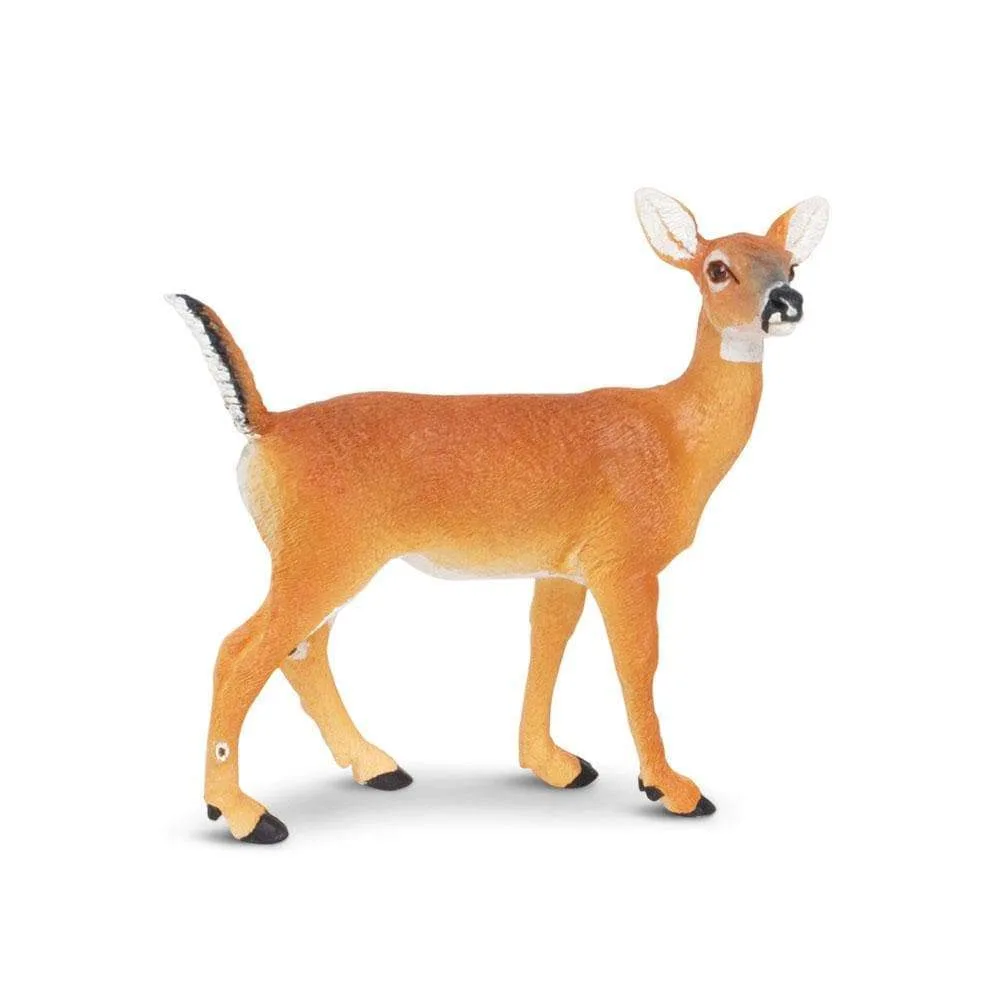
- Whitetail Doe Toy: Whitetail deer are generalists that adapt to a wide range of habitats and can be found throughout Canada, the continental United States, Central America, and into northern South America. A durable animal figure like this gives a first car collection a story to act out, and its broad habitat range makes it an easy fit for woodland, farm, or road-trip play setups.
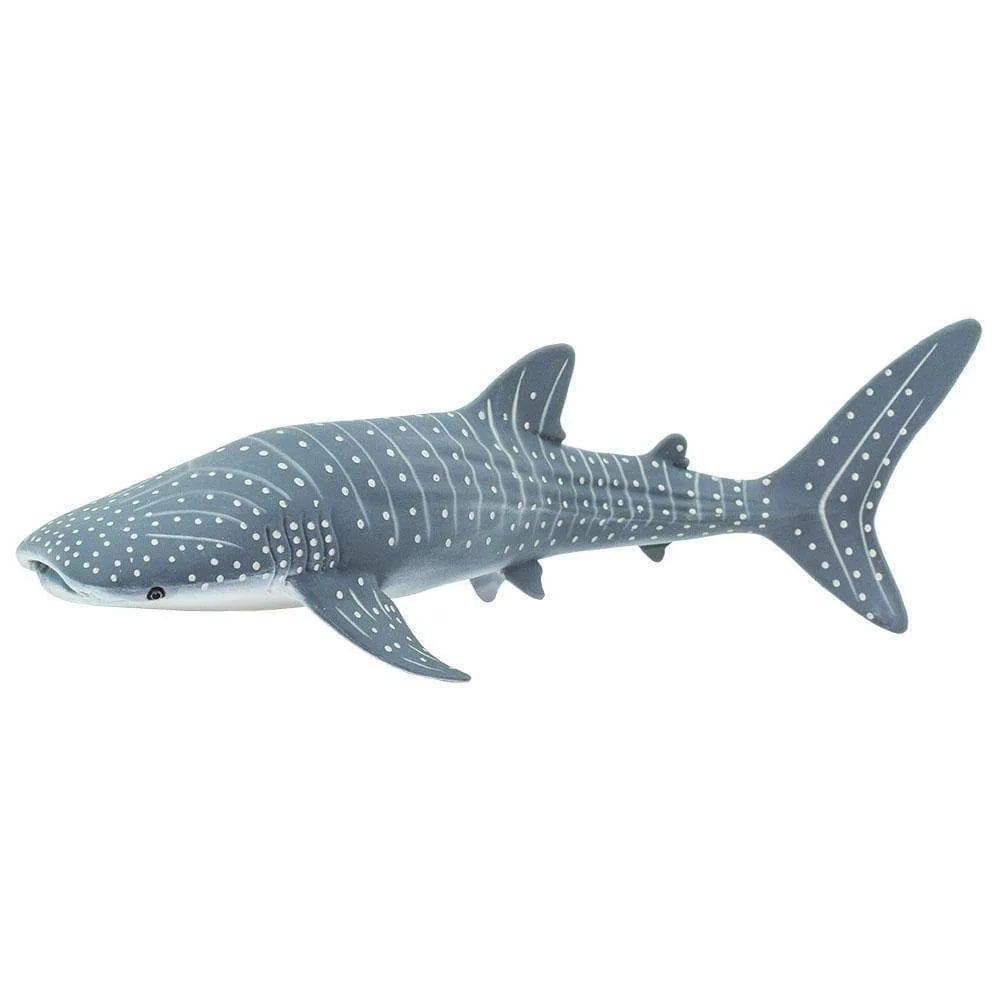
- Whale Shark Toy: The whale shark is the largest nonmammalian vertebrate on the planet and can grow to lengths of over 40 feet, and it is docile enough that divers often swim alongside it. An ocean-themed figure expands a vehicle collection into water play and gives kids a size comparison they can hold, which supports the sorting and categorizing play that keeps collections active.
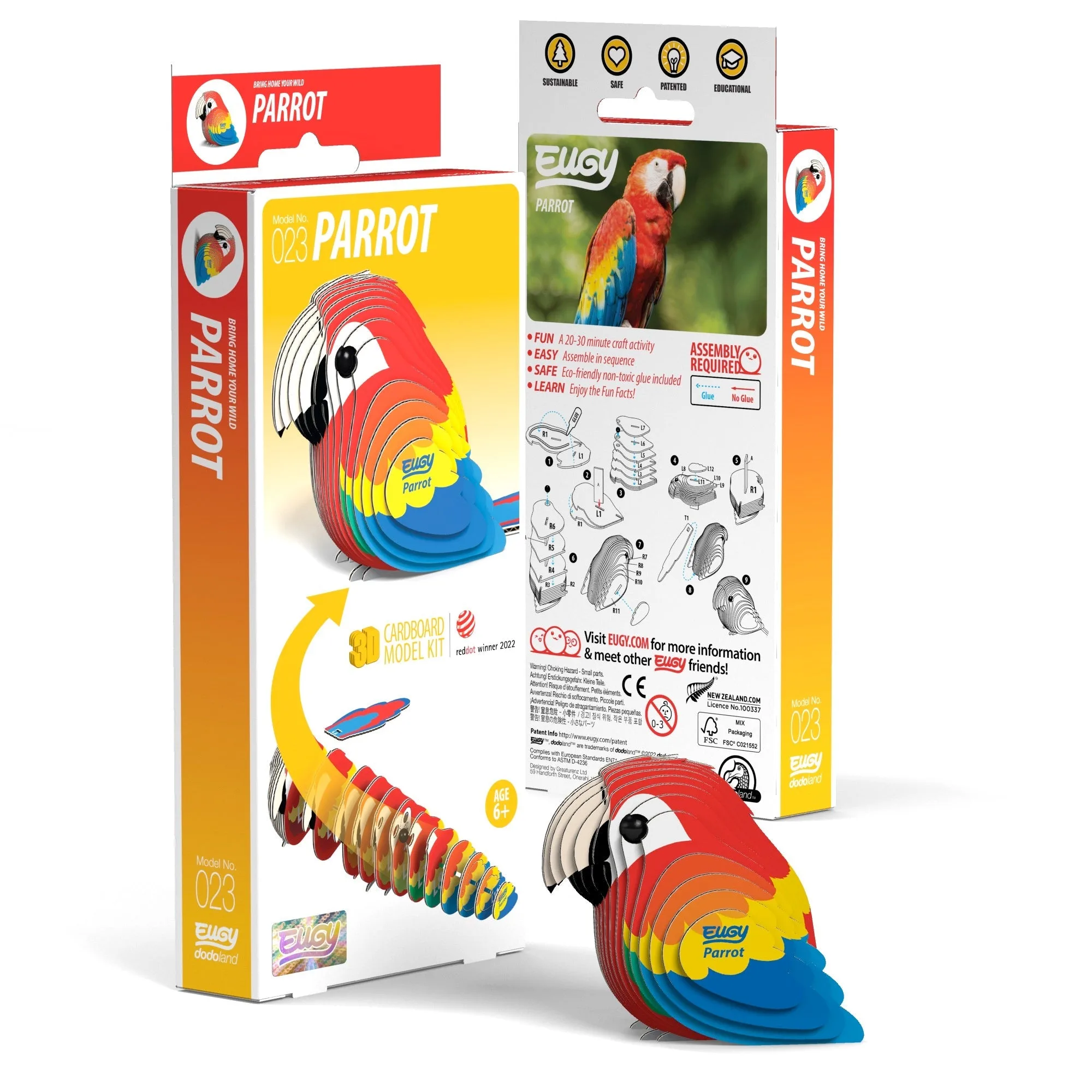
- EUGY Parrot 3D Puzzle: EUGY 3D puzzles are eco-friendly and can be assembled in 10 to 20 minutes, with over 90 designs to collect. A quick-build collectible adds a non-vehicle category to the shelf, so a child who loves collecting has something to assemble and display between vehicle purchases.
Who this approach fits
Best for
- Parents starting a first collection for a child aged three to eight
- Families who want a toy car buying guide that controls spending and clutter
- Kids who already sort, line up, or tell stories with vehicles
Not for
- Collectors seeking sealed, limited-edition models for display only
- Toddlers under three who still mouth toys, who need chunky single-piece vehicles instead
- Shoppers looking for a single large playset rather than a growing collection
Build the collection the way your child plays: one scale, a few durable pieces, and a slow trickle of additions that each earn their place. Start with three vehicles and one figure, watch what gets picked up, and let the collection tell you what comes next.