Imagine sitting down with three small cups of freshly brewed coffee, each from a different origin, each telling its own story through aroma, acidity, body, and finish. This is the magic of a coffee tasting flight—an experience that transforms your morning ritual into a deliberate, sensory journey. Whether you are a curious beginner or a seasoned enthusiast, building a tasting flight at home is one of the most rewarding ways to deepen your appreciation for specialty coffee.
A coffee tasting flight is simply a curated selection of coffees brewed side by side, allowing you to compare their unique characteristics. It is like a wine tasting, but for coffee. With just a few tools and a bit of intention, you can set up your own home tasting session. This guide will walk you through everything you need—from choosing your beans to taking notes—so you can host a memorable sensory experience.
Why Create a Coffee Tasting Flight at Home?
Tasting multiple coffees in one session helps you develop your palate faster than drinking single cups over several days. When you compare flavors directly, you notice subtle differences in sweetness, acidity, and mouthfeel that might otherwise go unnoticed. It also makes for a fun activity with friends or family—a shared exploration of what makes each coffee unique.
Beyond enjoyment, home tasting flights build practical sensory skills. You learn to identify tasting notes, assess balance, and even detect processing methods. Over time, this knowledge enhances your brewing decisions and helps you choose coffees that match your preferences. For those considering professional training, a home flight is a perfect stepping stone to courses like the SCA Sensory Skills — Professional, which dives deeper into sensory analysis.
SCA Sensory Skills — Professional
- Sharpen your palate through direct comparison
- Discover your flavor preferences across origins
- Turn coffee drinking into an educational, social activity
Choosing Your Coffees for the Flight
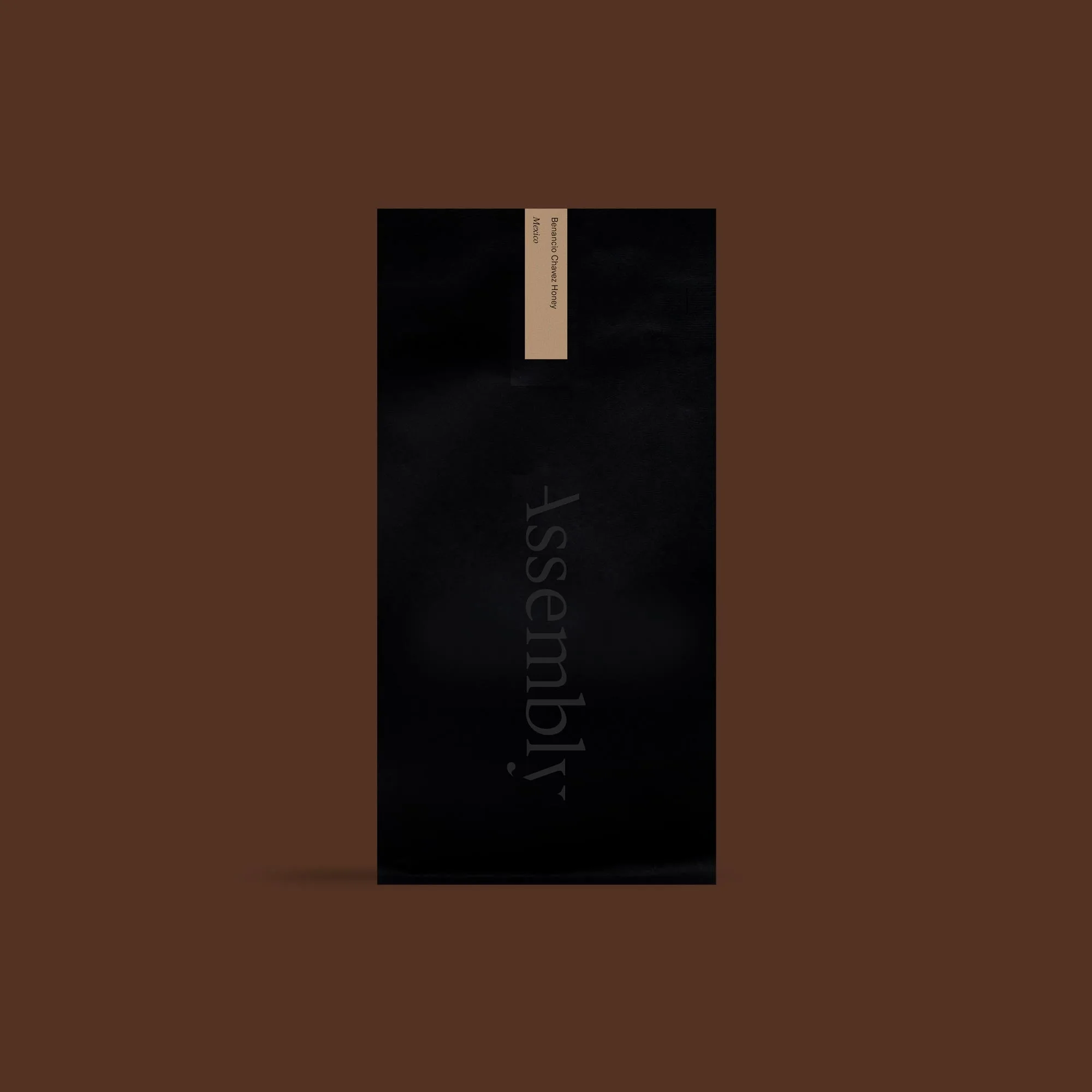
The key to an interesting flight is variety. Select three to five coffees that differ in origin, processing method, or roast level. For example, you might pair a washed coffee from Colombia with a natural-processed coffee from Tanzania. This contrast highlights how terroir and processing influence flavor. A great combination to start with is the Colombia — Linarco Rodriguez Castillo, known for its clean, fruity profile, alongside the Tanzania — Edelweiss Estate Natural, which offers intense berry and floral notes from its natural process.
If you prefer a more structured comparison, try two coffees from the same country but different producers. This shows how microclimate and farming practices shape the cup. Alternatively, include a decaf option to explore how flavor holds up without caffeine. Whatever you choose, aim for freshness—coffees roasted within the last two to four weeks will give you the most vibrant tasting experience.
- Include at least one washed and one natural-processed coffee for contrast
- Pick coffees from different continents (e.g., Africa vs. South America)
- Use freshly roasted beans for optimal flavor clarity
Setting Up Your Tasting Station
You do not need professional cupping bowls to run a home flight. A simple setup works: gather small cups or glasses (one per coffee), a scale, a kettle, a spoon, and a notebook. For consistency, use the same brew method for all coffees—pour-over is ideal because it highlights clarity. Grind each coffee just before brewing, and use water at 93°C (200°F) for optimal extraction.
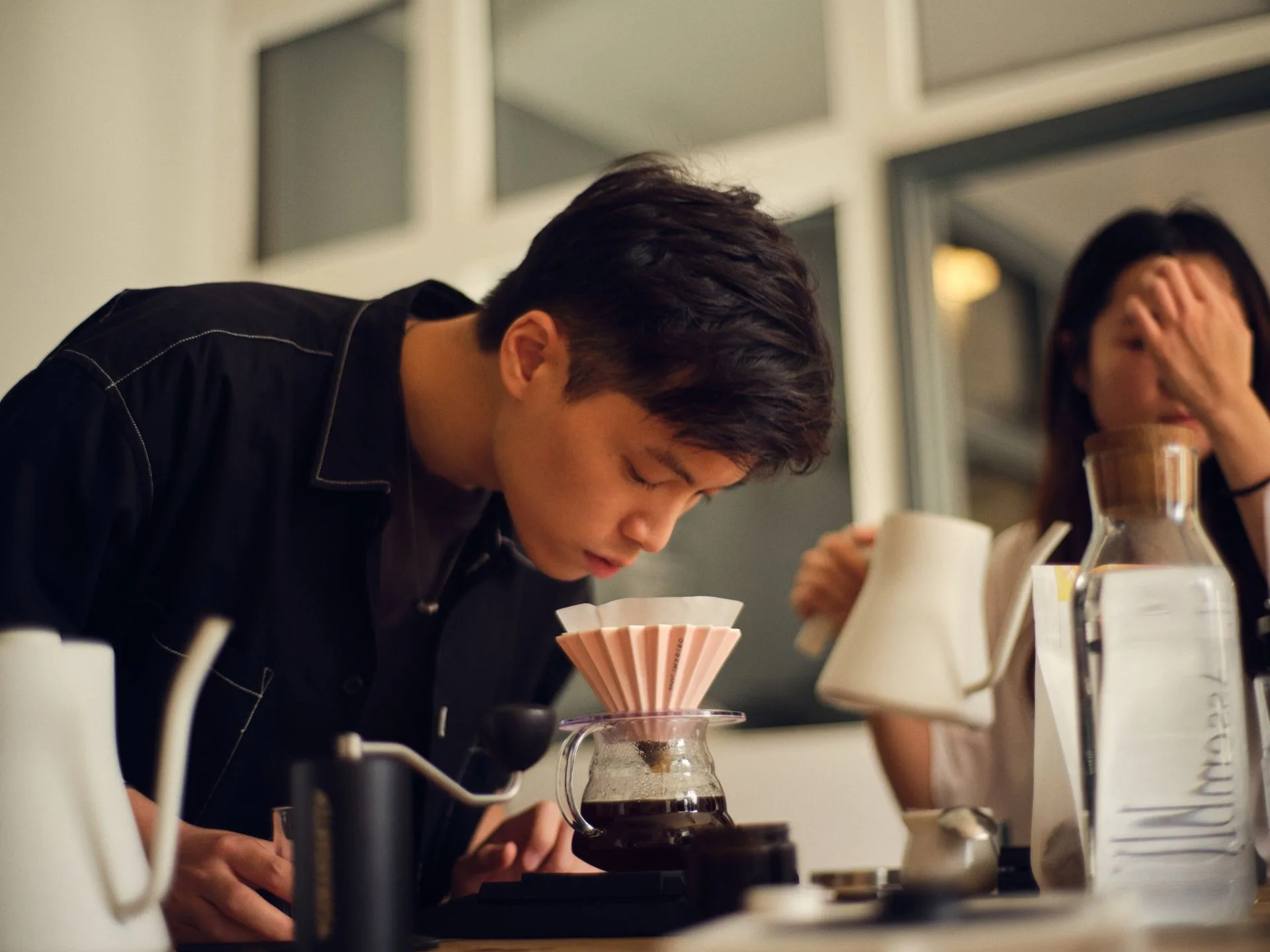
Label each cup with the coffee name or a code to keep the tasting blind (optional but fun). Prepare a palate cleanser like plain crackers or water. Set aside at least 30 minutes without distractions. Dim the lights or sit near a window to observe the coffee's color and clarity. This environment helps you focus on the sensory details.
- Use identical cups and brew ratios for fair comparison
- Brew one coffee at a time to avoid confusion
- Have a spittoon or extra cup if tasting many samples
The Tasting Process: Step by Step
Start by smelling each coffee as soon as it is brewed. Note the aroma—fruity, floral, nutty, or spicy. Then, let it cool slightly before tasting. Take a small sip and let it coat your tongue. Focus on the acidity (brightness), sweetness, body (thickness), and finish (aftertaste). Write down one or two words for each attribute. Repeat for all coffees, then go back and compare your notes.
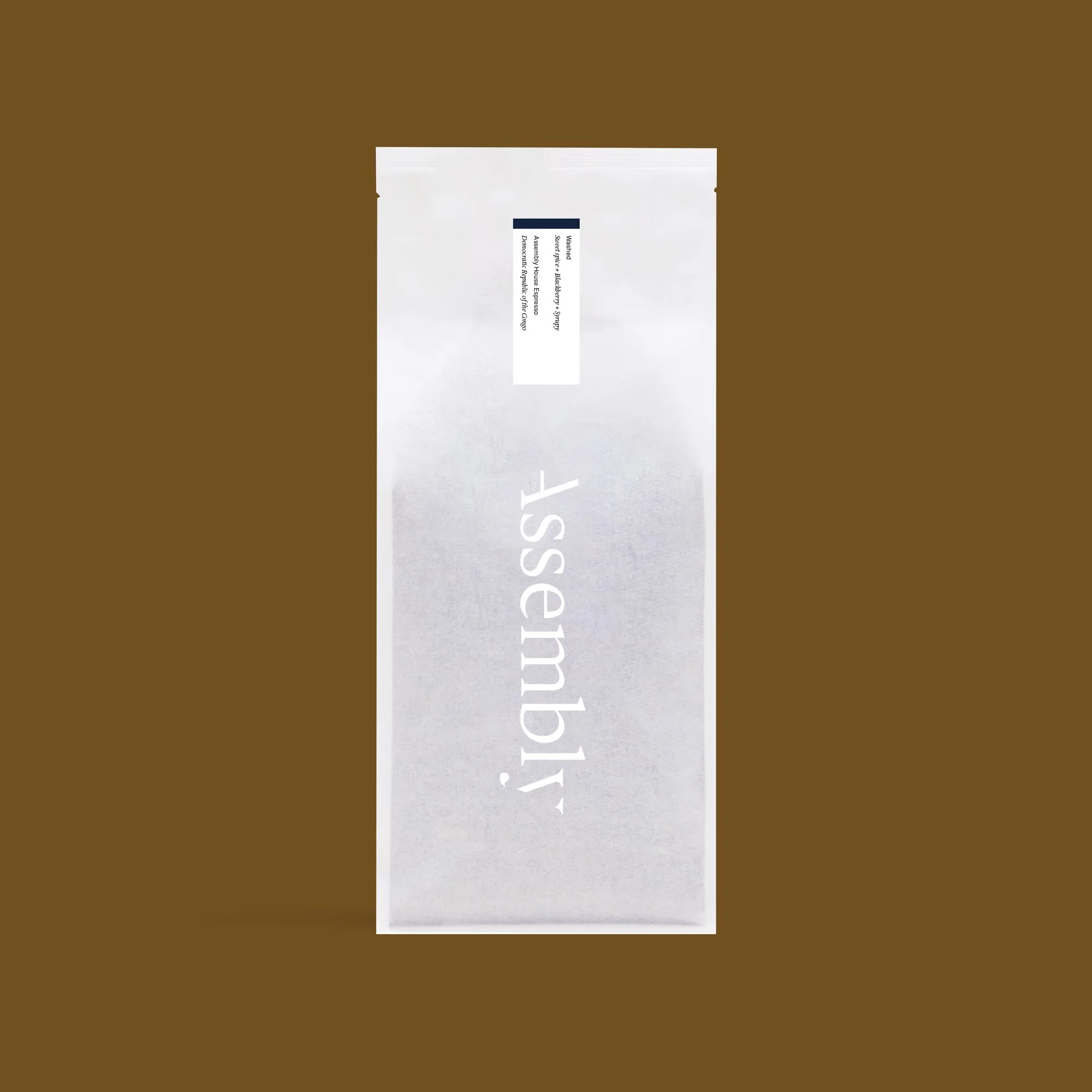
For a more structured approach, try a mini cupping: grind each coffee, add hot water, let it steep for four minutes, then break the crust with a spoon and smell deeply. This method is used by professionals and is easy to replicate at home. It also pairs well with a gift set like the Assembly Selected Filter Coffee (Gift), which includes curated beans perfect for a flight.
- Smell first, then taste—aroma sets expectations
- Slurp the coffee to aerate it and spread flavors across your palate
- Wait 30 seconds between samples to reset your taste buds
Taking Notes and Comparing Flavors
Use a simple scoring sheet or a flavor wheel to describe what you taste. Common categories include floral, fruity, chocolatey, nutty, and earthy. Rate each coffee on a scale of 1 to 10 for overall enjoyment. After tasting all samples, discuss or reflect on which stood out and why. You might discover that you prefer the bright, wine-like acidity of a washed Ethiopian over the heavy sweetness of a natural Brazilian.
Over time, your notes become a personal flavor map. They help you remember past coffees and guide future purchases. If you want to take your skills further, consider formal training. The SCA Sensory Skills — Professional course offered by Assembly Coffee is designed to refine your ability to identify and describe flavors with precision, building on the foundation you develop at home.
- Use a flavor wheel to expand your tasting vocabulary
- Compare your notes with the roaster's tasting notes
- Revisit the same coffees after a few weeks to see how they evolve
Making It a Social Event
Invite a friend or partner to join your tasting flight. Prepare a simple scorecard for each person and let everyone vote on their favorite. Discuss the differences aloud—you will be surprised how two people can perceive the same coffee differently. This social element makes the experience more memorable and encourages repeat sessions.
You can also pair your flight with complementary foods like dark chocolate, dried fruit, or cheese to see how flavors interact. For a giftable version, the 1x Drip Coffee Bag — Rumudamo Natural (Gift) offers a single-serving natural-processed coffee that is perfect for a quick tasting without brewing equipment. It is an easy way to introduce friends to specialty coffee.
- Create a blind tasting by hiding the coffee names
- Serve small portions (100ml) to avoid over-caffeination
- Share your findings on social media with a hashtag like #HomeTastingFlight
Building a coffee tasting flight at home is one of the most enjoyable ways to explore the world of specialty coffee. It sharpens your palate, deepens your appreciation, and turns a simple cup into a rich sensory experience. Whether you are tasting alone or with friends, the journey of comparing flavors is endlessly rewarding. Ready to start your flight? Explore our curated selection of single-origin coffees and gift sets to assemble your perfect tasting lineup today.