Quick Answer
Start with a small, sturdy box, choose snacks that survive heat and jostling, and pack in layers so nothing gets crushed. Then set a simple rotation schedule so your student eats the perishable items first. A good dorm snack box is less about volume and more about matching snacks to how a dorm room actually works.
A college snack box fails for predictable reasons: melted chocolate, crushed crackers, and a pile of food that never gets eaten because it is buried at the bottom of a closet. The fix is not a bigger box. It is a better plan.
This guide walks through the exact steps to build a dorm snack box that holds up to dorm life, from choosing the box itself to packing it and keeping it stocked. You will also see how a ready-made option like The Healthy Kids Snack Box - Taster Size (8-10 snacks) can work as a base when you need something simple.
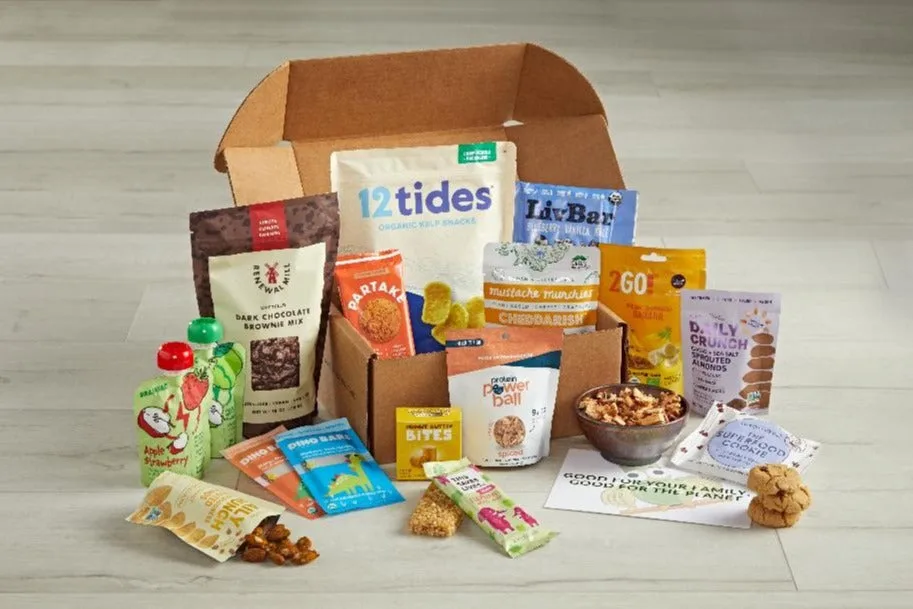
The Healthy Kids Snack Box - Taster Size (8-10 snacks)
Step 1: Pick a Box That Can Take a Beating
Dorm rooms are tight, so the box needs to fit on a shelf or under a bed without falling apart. A shallow, lidded plastic bin or a sturdy cardboard box with a lid works better than an open basket because it keeps dust and crumbs contained. Avoid flimsy gift boxes with thin walls; they crush the moment something heavy lands on them.
A common mistake is choosing a box that is too large. A big box encourages overpacking, which leads to crushed snacks and forgotten food. Aim for something roughly the size of a shoebox for a single student.
- Checkpoint: the lid should close without forcing it. If you have to push, the box is too full.
Step 2: Choose Snacks That Survive a Dorm Room
Dorm rooms get warm, and mail rooms are not climate controlled. That rules out anything that melts or goes stale fast. Good candidates are pretzels, popcorn, granola bars, dried fruit, nuts, and shelf-stable crackers. If you want a sweet snacks treat box element, look for hard candies or cookies that hold their shape rather than chocolate-covered items.
A common mistake is loading up on perishable or melt-prone treats because they look good in a photo. They will arrive as a mess in warm months. When in doubt, choose the snack that would still be fine after a week in a backpack.
- Checkpoint: if a snack needs refrigeration, it does not belong in a mailed dorm snack box.
Step 3: Balance Sweet, Savory, and Filling
A box of only candy gets old fast. A box of only healthy bars feels like homework. Mix roughly half filling snacks, a quarter savory, and a quarter sweet. Filling options like nut butter packets, protein bars, or trail mix are what students actually reach for during late study sessions.
This is where a curated box can save time. The Healthy Kids Snack Box - Taster Size (8-10 snacks) is built around bite-sized snacks chosen for flavor and kid appeal, which makes it a straightforward base for a care package when you do not want to assemble every item yourself. Add a few savory items to round it out.
- Checkpoint: count the sweet items. If they are more than a third of the box, add a filling snack to balance it.
Step 4: Pack in Layers So Nothing Gets Crushed
Put the heaviest, hardest items on the bottom. Soft items like cookies or granola bars go in the middle. Light items like popcorn or chips go on top. Fill empty gaps with small items like candy or nuts so nothing shifts during shipping or carrying.
A common mistake is tossing everything in loose. Loose packing means the box contents grind against each other and arrive as crumbs. If you are mailing the box, add a layer of bubble wrap or paper on top before closing the lid.
- Checkpoint: shake the closed box gently. If you hear a lot of sliding, repack the gaps.
Step 5: Label and Set a Rotation Rule
Write the packing date on the lid with a marker. Then agree on a simple rule with your student: eat the items closest to expiring first. This prevents the box from becoming a museum of old snacks. A sticky note on top listing the perishable or short-dated items helps.
A common mistake is assuming your student will remember what is in the box. They will not. A visible label turns a forgotten box into a usable one.
- Checkpoint: if nothing has been eaten after two weeks, the box is too big or the snacks are wrong.
Step 6: Replenish With a Subscription or a Standing Order
One box is a care package. A steady supply is a system. If your student burns through snacks quickly, a subscription box removes the guesswork. For younger siblings or students who like a mix of toys and treats, a box like Piggie Box includes at least 2 fun toys, 2 bags of all natural treats, and 1 surprise item, which can double as a study-break pick-me-up.
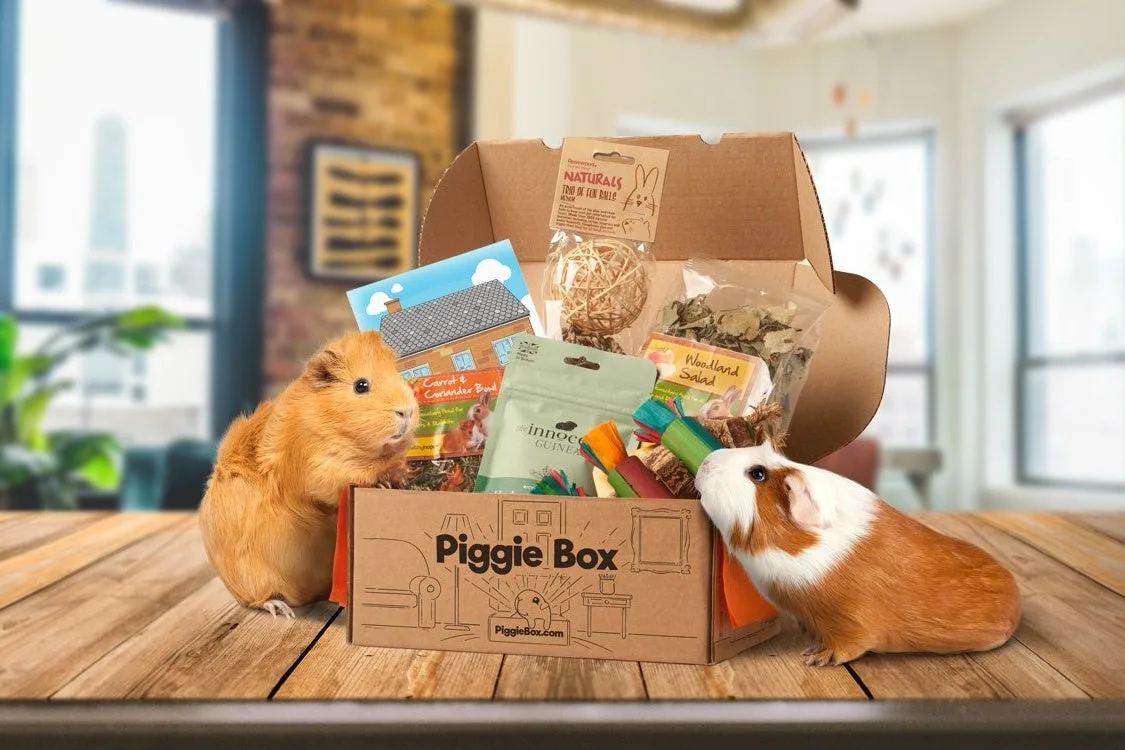
Piggie Box
A common mistake is ordering a large box that arrives after the semester ends. Check the delivery schedule against the academic calendar before you commit.
- Checkpoint: set a reminder to review the subscription at the end of each semester.
Dorm Snack Box Checklist
- Choose the container: Pick a shallow, lidded box about the size of a shoebox that fits on a dorm shelf. Checkpoint: the lid closes without force.
- Screen for durability: Select shelf-stable snacks that survive warm mail rooms and backpack jostling. Checkpoint: no item needs refrigeration.
- Balance the mix: Aim for half filling snacks, a quarter savory, and a quarter sweet. Checkpoint: sweet items are no more than a third of the box.
- Pack in layers: Heavy on the bottom, soft in the middle, light on top, gaps filled with small items. Checkpoint: a gentle shake produces little movement.
- Label and rotate: Write the packing date on the lid and agree to eat short-dated items first. Checkpoint: review the box after two weeks.
- Set up replenishment: Use a subscription or standing order timed to the academic calendar. Checkpoint: confirm delivery dates before each semester.
Products That Fit a Dorm Snack Box
- The Healthy Kids Snack Box - Taster Size (8-10 snacks): Every snack is a bite-sized chance for your little one to explore their palette, with products chosen for yummy flavors and kids appeal. The taster size gives you 8-10 snacks to build a base layer without committing to a large box, which is useful when you are testing what a student actually eats.
- Piggie Box: Inside each box there is at least 2 fun toys, 2 bags of all natural treats and 1 surprise item, with treats that do not include hidden nasties such as dairy or eggs. The mix of toys and treats makes it a good fit for a student who wants a break from studying, and the dairy- and egg-free treats suit snackers with those restrictions.
A college snack box works when it matches the reality of dorm life: limited space, warm rooms, and a student who grabs what is visible. Build it in layers, keep the mix balanced, and set a rotation rule. Do that, and the box stays useful instead of becoming clutter.