Quick answer
Start with a small, modular home bartender setup: one good shaker, a jigger, a strainer, a bar spoon, a bottle opener, and a few versatile glasses. Add wine service pieces and a bottle carrier only when your actual hosting habits call for them. Build in stages so you can test what you use before buying more.
Choose your home bar format before you buy anything
The biggest mistake in a home bartender setup is buying tools for a bar style you do not actually host. Decide between a compact cocktail station (one tray or cabinet shelf), a dedicated bar cart, or a built-in counter. Measure the depth and height of your chosen spot first, then set a realistic budget for stage one.
For most homes, a cart or a deep cabinet shelf works better than a full back bar. It keeps essential bar tools within arm's reach, limits duplicate purchases, and makes cleaning faster after a gathering. If you also serve wine, plan a separate small zone for bottles, glasses, and a corkscrew so cocktail tools do not crowd the wine service area.
Build a bar and wine supplies checklist in three tiers
A useful bar and wine supplies checklist separates must-haves from nice-to-haves. Tier one covers tools you will touch every time you make a drink: shaker, jigger, strainer, bar spoon, and bottle opener. Tier two adds serving and storage items such as a bottle carrier, a small ice bucket, and a spill mat. Tier three is specialty gear like a muddler, a citrus press, or a decanter.
Write your checklist before shopping so you do not buy a duplicate tool you already own. Check your kitchen drawers first: a sturdy pint glass can stand in for a shaker in a pinch, and a small kitchen strainer can work for some drinks. Replace those substitutes only when they slow you down or affect the final texture of the cocktail.
Pick barware for beginners that survives real use
Barware for beginners should be easy to clean and comfortable in your hand, not the most expensive set on the shelf. A weighted shaker is easier to seal and shake without leaking. A jigger with clear interior lines helps you measure consistently, which matters more than fancy finishes when you are learning ratios.
Avoid buying a large matching set just because it looks complete. Many sets include tools you will rarely use, and the low-quality pieces often break first. Buy individual pieces you can replace one at a time, and keep a small towel and a leak-proof mat nearby so your surface stays dry while you work.
Set up glassware and wine service without overcrowding
You do not need a different glass for every drink. Start with a set of rocks glasses, a set of highballs, and a few wine glasses that suit both still and sparkling wines. If you serve both cocktails and wine, store wine glasses on a separate shelf or a hanging rack so they are not knocked over when you reach for a shaker.
For wine service, add a waiter's corkscrew, a stopper, and a small drip ring or pour spout. These small items prevent stains and keep opened bottles fresher between pours. If you carry bottles to a friend's house or a picnic, a dedicated carrier keeps them upright and reduces the chance of breakage.
Stock a small, flexible drink selection
A home bar fails when it is stocked with random bottles that do not combine into anything. Choose a base spirit, a modifier, and a mixer that work together, then add one or two wines you actually enjoy drinking. A light, spritzy white wine is a practical bottle to keep chilled because it works as an aperitif and pairs with simple snacks.
If you want a wine that suits both casual sipping and food, look for a crisp, citrus-driven option. A dry rosé with bright acidity can cover warm-weather hosting, while a light Portuguese white with lemon and green apple notes fits lighter meals. Buy one bottle at a time, taste it, and only then decide whether to keep it as a house staple.
Your step-by-step home bar build
- 1. Measure your space and set a stage-one budget: Pick one location: a cart, a cabinet shelf, or a counter section. Measure the usable depth and height, then write down a spending limit for your first set of tools. Checkpoint: if the space cannot fit a shaker and two glasses side by side, choose a different spot before buying anything.
- 2. Buy the five core cocktail making tools: Get a shaker, a jigger, a strainer, a bar spoon, and a bottle opener. These cover the majority of beginner cocktails and are the essential bar tools you will use most often. Common mistake: buying a large set with tools you will not use. Buy individual pieces you can replace separately.
- 3. Add glassware and wine service pieces: Start with rocks glasses, highballs, and a few wine glasses. Add a corkscrew, a stopper, and a pour spout if you serve wine. Store wine glasses away from the shaking area. Checkpoint: if you cannot reach a glass without moving a tool, rearrange the shelf or add a small tray.
- 4. Stock a small, flexible drink selection: Choose one base spirit, one modifier, one mixer, and one or two wines you enjoy. Keep a light, crisp white or dry rosé chilled for easy hosting. Common mistake: buying many bottles that do not combine into a single drink. Test one bottle at a time before restocking.
- 5. Add transport and storage extras only when needed: A bottle carrier, an ice bucket, and a spill mat are useful but not urgent. Add them once you actually carry bottles out or host often enough to need them. Next step: after two or three gatherings, note which items you reached for and which stayed untouched, then adjust.
Product facts
- Bottles 6Btl Tote Bag: The Bottles 6Btl Tote Bag is a bar and wine accessory designed to carry up to six bottles, listed under Bar & Wine Supplies with a single Standard option. A six-bottle carrier is useful if you regularly transport wine to dinners or parties; if you only host at home, it is a tier-two item you can delay.
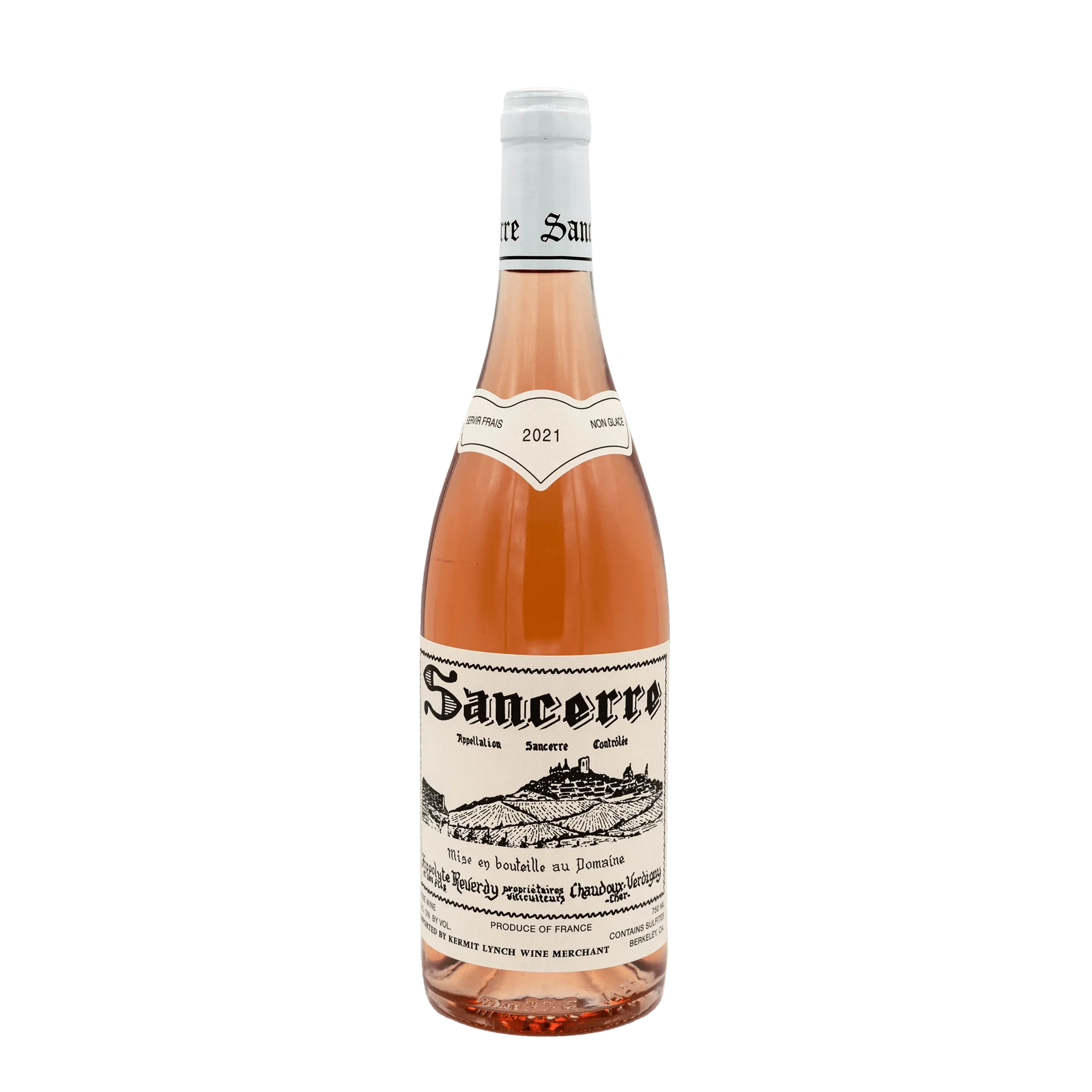
- Hippolyte Sancerre Rose: Hippolyte Sancerre Rose has aromas of limestone and wet rocks with a palate of citrus and green pear, plus a crisp texture, clean finish, and great acidity. A crisp, acidic rosé works as a flexible home bar wine for aperitif service and lighter food, so it earns shelf space if you serve wine alongside cocktails.
- Broadbent Vinho Verde: Broadbent Vinho Verde is a light-bodied Portuguese white wine with notes of lemon, green apple, and grapefruit and a spritzy, refreshing finish. A light, spritzy white is an easy chilled option for casual hosting and pairs well with simple snacks, making it a practical bottle to keep on hand.