Quick answer
A lingerie capsule wardrobe works best at seven to ten pieces: two bras in different shapes, three to four bottoms, one smoothing layer and one set reserved for occasions. Choose two fabrics you actually reach for, one structured and one soft, then replace rather than accumulate. If you are starting from scratch, begin with a demi-cup bra and a high-leg thong, then add a plunge shape once you know which necklines you wear most.
Most lingerie drawers fail for the same reason: too many near-identical pieces and nothing that solves a specific outfit. A capsule fixes that by making each piece answer a question. Which bra disappears under a fine knit? Which bottom stays invisible under trousers? Which set do you save for the evenings you want to feel different?
The goal is not minimalism for its own sake. It is a small rotation where every item gets worn, washed and worn again, which also means it lasts longer. This guide gives you decision rules for shape, fabric and quantity, plus the trade-offs that come with each choice.
Start with quantity, not style
Count how often you do laundry, then work backwards. If you wash lingerie weekly, five bottoms and two bras cover a normal week with one spare in rotation. If you wash every two weeks, double the bottoms before you add a third bra, because bottoms wear and wash faster than bras.
Resist buying a third bra shape until the first two are genuinely in rotation. A capsule only works when pieces are worn, and an unworn bra is the most common sign that the shape was wrong for your wardrobe rather than missing from it.
- Weekly laundry: 2 bras, 4-5 bottoms, 1 smoothing layer
- Fortnightly laundry: 2-3 bras, 7-8 bottoms, 1-2 smoothing layers
- Add a third bra shape only after both existing bras are worn regularly
Pick two bra shapes, not five
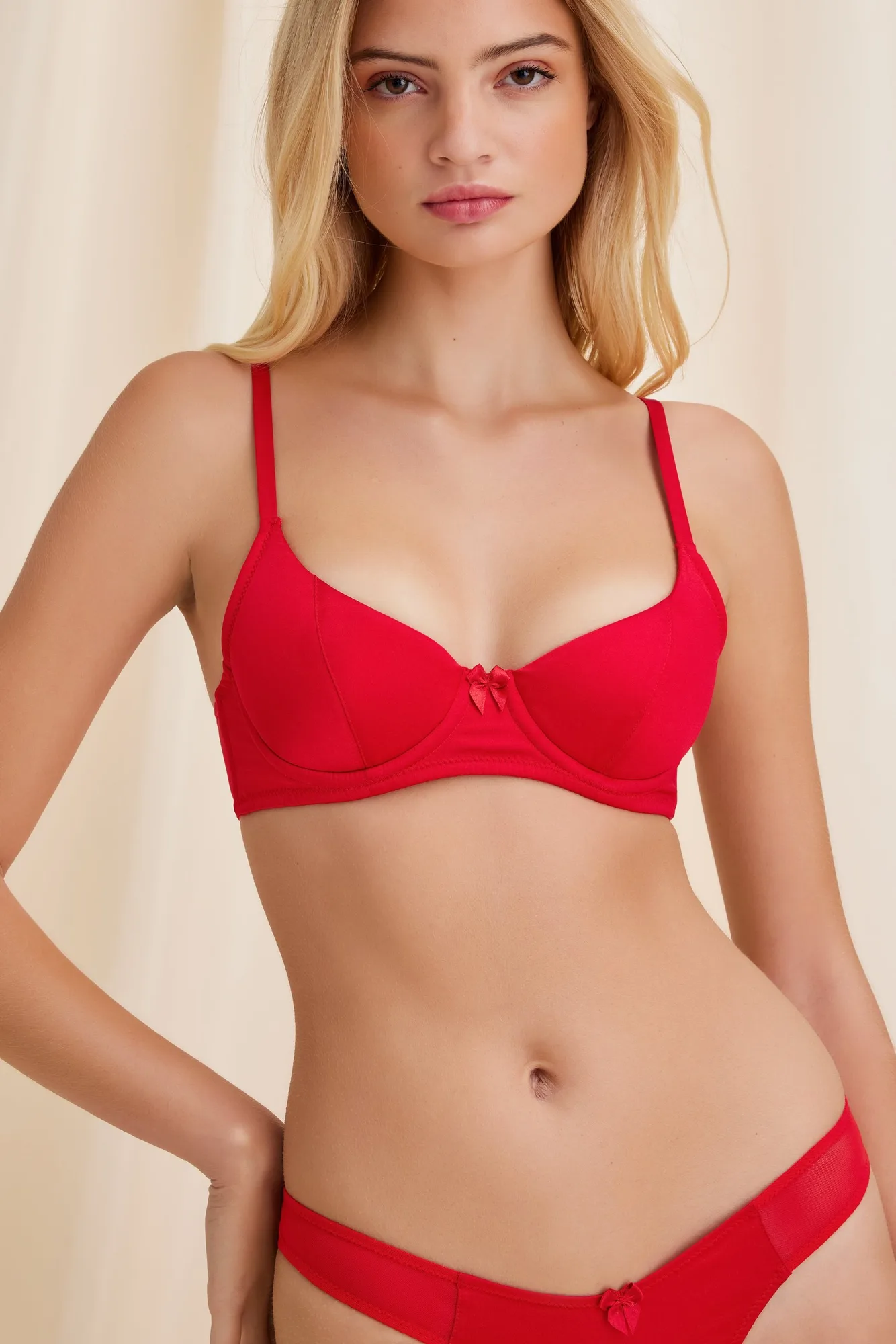
Two shapes cover most wardrobes. A demi or sculpted cup handles scoop necklines, square necks and anything with a defined edge. A plunge shape handles V-necks, wrap tops and lower-cut dresses. Everything else, from balconette to bralette, is a preference rather than a gap.
Check the band before the cup. Most discomfort comes from a band that rides up, which usually means it is too loose rather than the cup being wrong. Fasten on the loosest hook when new so you can tighten it as the elastic relaxes.
- Demi cups suit structured necklines and everyday wear
- Plunge shapes suit V-necks, wrap tops and lower necklines
- Fasten a new bra on the loosest hook so it can be tightened later
Choose bottoms by outfit, not by habit
Bottoms are where capsule wardrobes quietly fail. A thong solves visible lines under fitted trousers and skirts; a fuller brief solves comfort on long days and under loose dresses. If you own only one style, you will keep buying duplicates of the other.
High-leg and V-shaped waistbands sit lower on the hip and tend to stay put under mid-rise and high-rise clothing. If you wear mostly low-rise trousers, check the rise before committing, because a high-leg cut can peek above the waistband.
- Thongs for fitted trousers, skirts and anything clingy
- Briefs for long days, loose dresses and recovery days
- Check the rise against your most-worn trousers before buying
Fabric: one structured, one soft
Two fabric families cover almost everything. Stretch silk and silk charmeuse give a smooth, low-profile finish under fine knits and tailored clothing, and they hold a sculpted shape. Lace and stretch mesh give breathability and a lighter feel, and they work better under looser clothing where a seam will not show.
Silk needs cooler washing and air drying to keep its lustre, while mesh and lace tolerate more frequent washing. That difference matters for a capsule: if you wash weekly, a mesh-heavy rotation is more forgiving, while silk rewards a slightly larger rotation so each piece rests between wears. Neither fabric is a compromise, but they are not interchangeable under every outfit.
- Silk for smooth finishes under fine knitwear and tailoring
- Mesh and lace for breathability and looser clothing
- Wash silk cooler and less often; air dry both to protect shape
Add one layer and one occasion set
A smoothing layer, such as a waspie or suspender, is the piece that makes specific dresses wearable. Buy it only once you own the dress it serves, otherwise it becomes drawer clutter. The same rule applies to an occasion set: one is enough, and it should be the set you are genuinely happy to be seen in.
Keep the occasion set separate from the daily rotation. Wearing it daily shortens its life and removes the reason you bought it.
- Buy a smoothing layer only after the outfit it supports exists
- One occasion set is enough; rotate it out of daily wear
- Store silk pieces flat or folded to avoid strap distortion
Decision rules for your lingerie capsule
- If you wear mostly fitted trousers and skirts: Choose thongs with a high-leg or V-shaped waistband and a smooth silk front panel, and keep briefs for days off. Two thongs and one brief beats four of the same style.
- If your necklines vary between scoop and V: Buy one demi-cup bra and one plunge bra rather than three bras in the same shape. Two shapes cover nearly every top you own.
- If you wash lingerie weekly: Favour mesh and lace for the pieces you wear most, and keep silk in a slightly larger rotation so each piece rests. Match fabric care to your laundry rhythm, not to the label.
- If a smoothing layer is on your list: Wait until you own the dress or outfit that needs it, then buy only that one layer. No outfit, no purchase.
- If you are replacing rather than adding: Retire a piece when the band no longer sits flat or the elastic has relaxed, and replace it in the same shape. Replace one in, one out to keep the capsule honest.
Pieces that fit a capsule brief
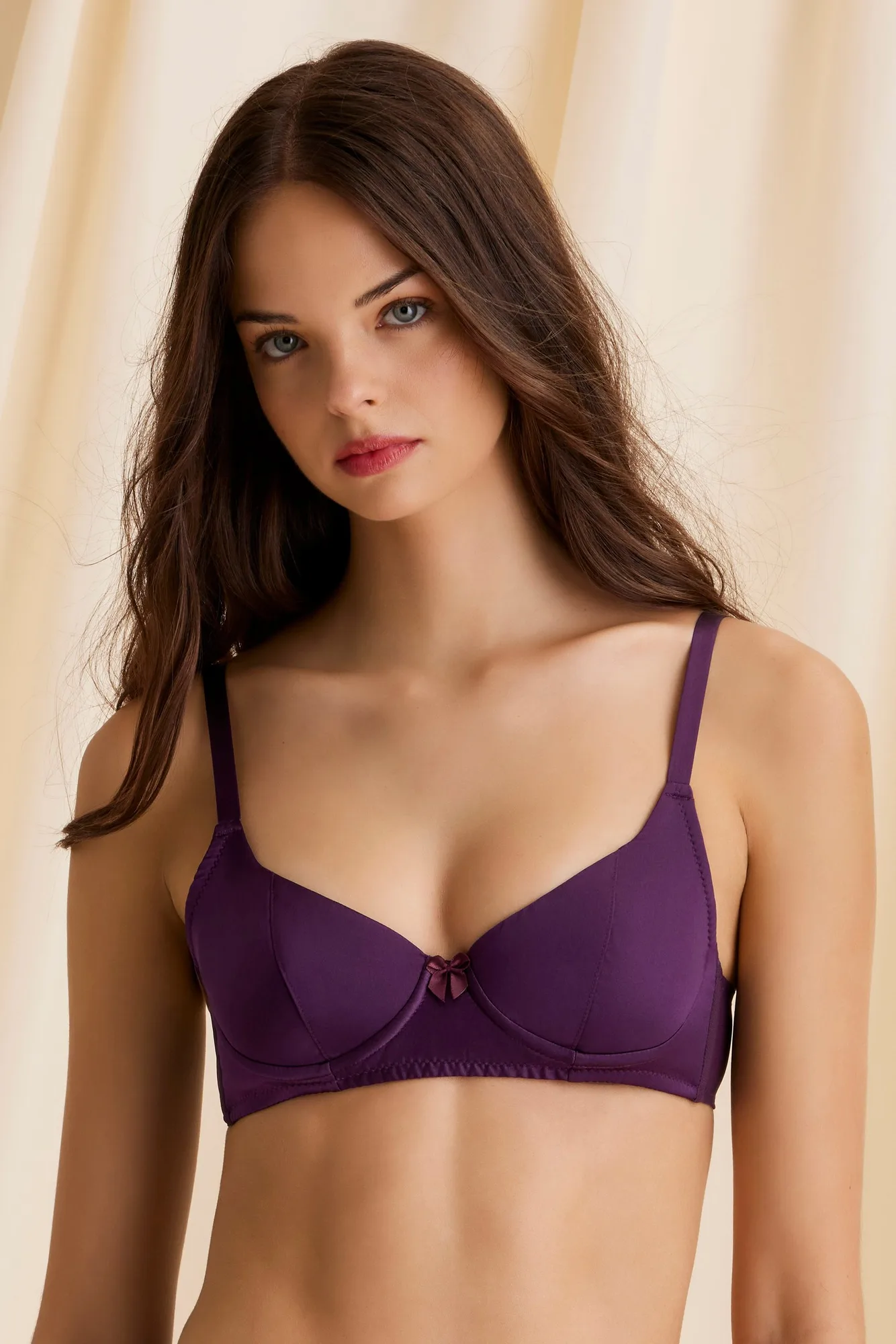
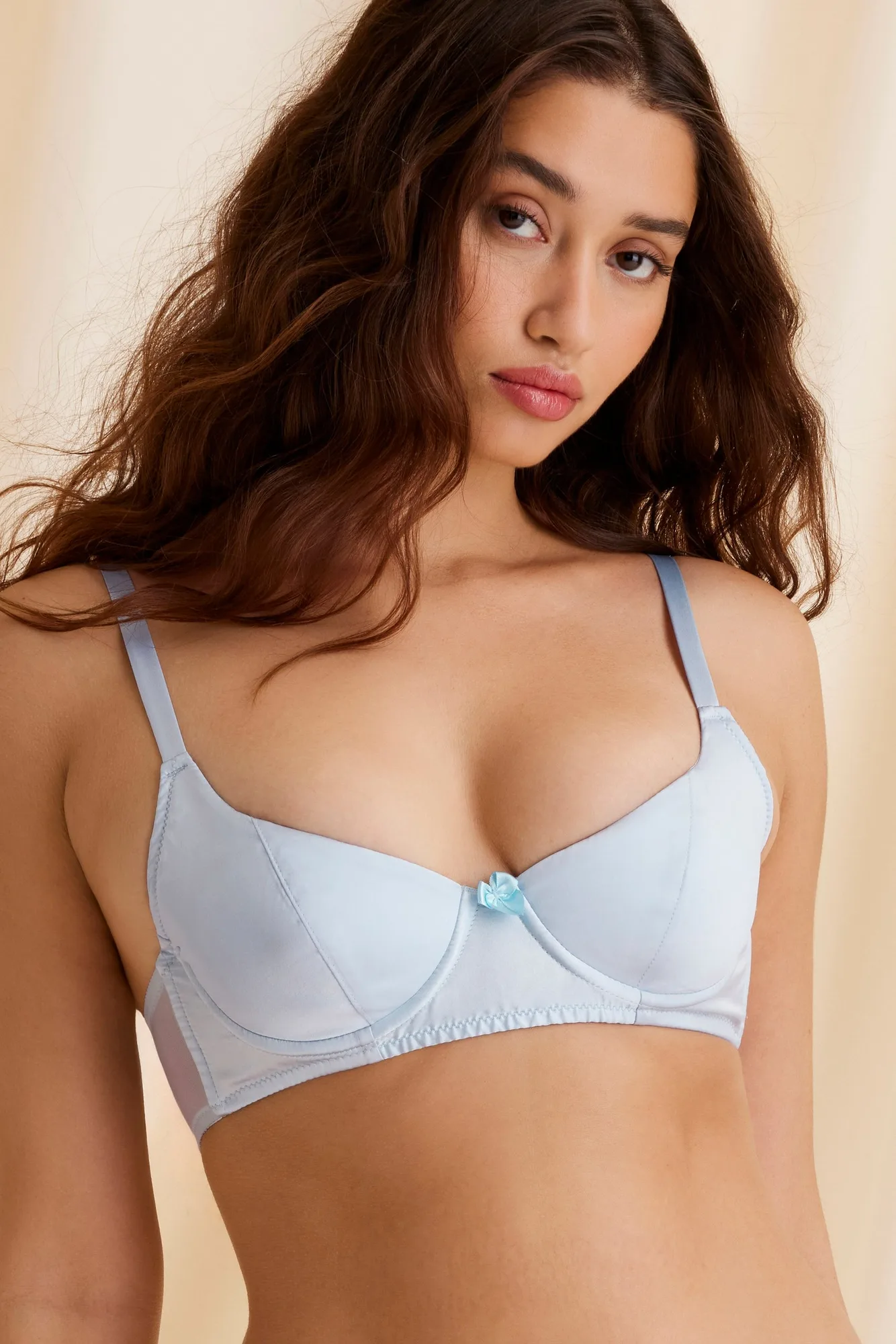
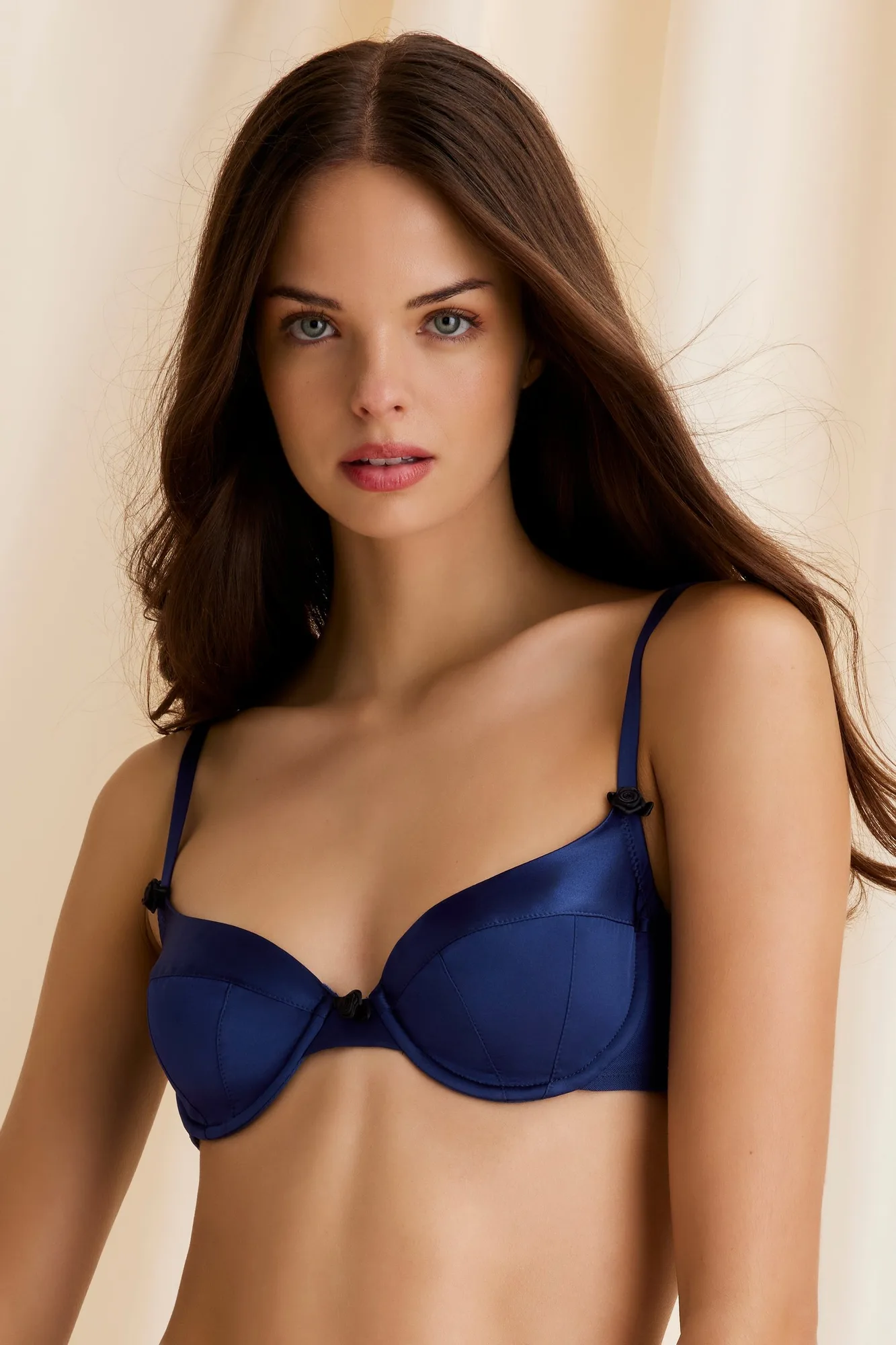
- https://scarlettgasquegz.com/products/tallulah-bra-abb2691e2b35889fbaab5209-1354830https://scarlettgasquegz.com/products/the-talullah-bra-be3da6f3d719d862f7106cc8-1354832https://scarlettgasquegz.com/products/tallulah-bra-plum-2ee517d848f5682fd3e3b8cf-1354835TALLULAH BRA: Stretch silk charmeuse demi cups with a silk bow between the cups, designed to frame the bust with clean architectural lines. A demi shape in smooth silk is the workhorse bra for scoop and square necklines, and the low-profile finish keeps it invisible under fine knits.
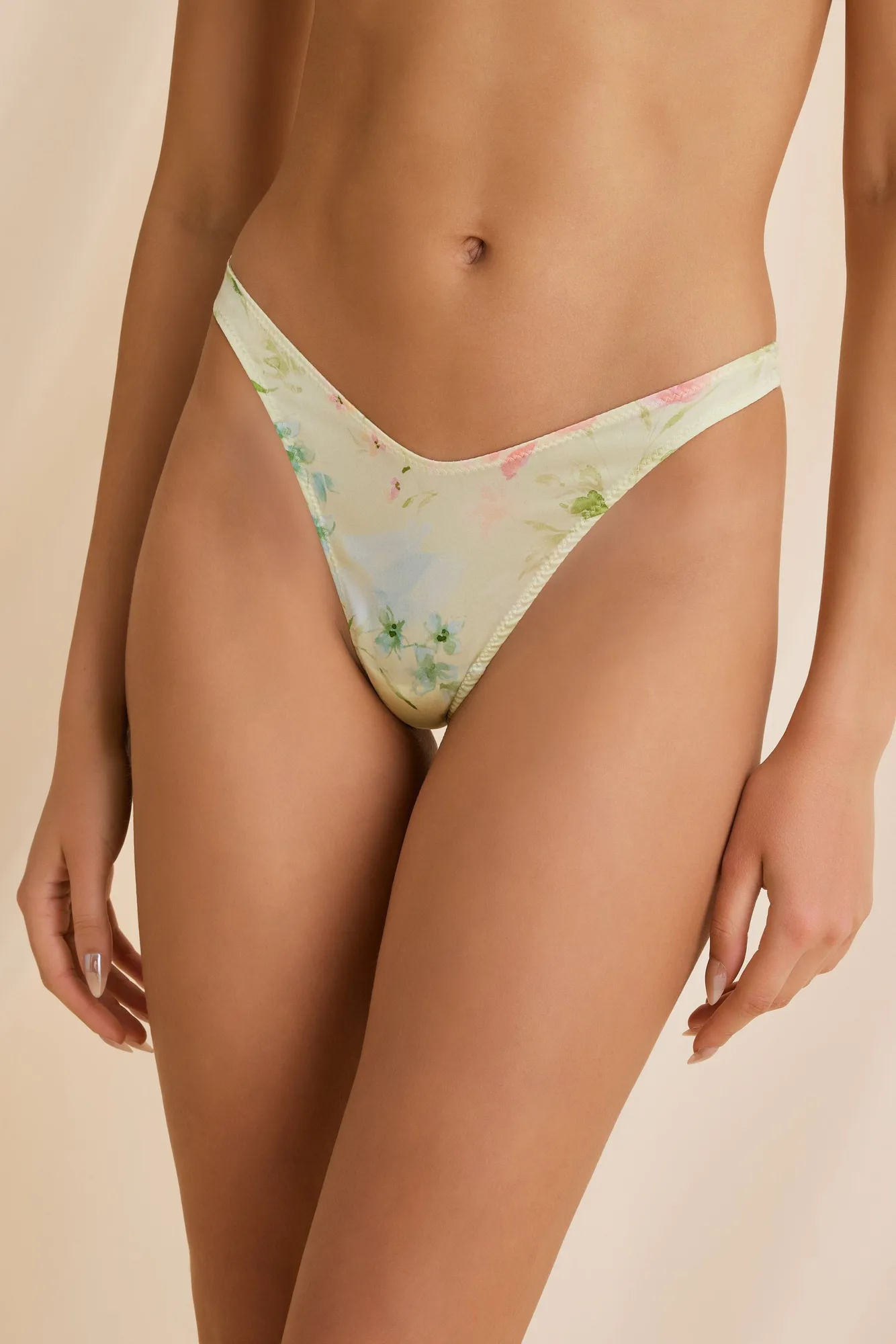
- TALLULAH THONG: Stretch silk front panel with a high-leg, V-shaped waistband, sheer stretch mesh back and a delicate keyhole detail. The high-leg cut sits low on the hip and the mesh back keeps it light, so it works under fitted trousers without showing a line.
- PLUNGE TALLULAH BRA: Luxurious silk construction with a minimalist silhouette and sculpted square cups in a soft, supportive fit. This is the second bra shape in the capsule, covering V-necks and wrap tops that a demi cup cannot.
- LOVESTRUCK THONG: Delicate lace front panel, silk-lined front, sheer mesh detailing, ruched mesh back and a 100% cotton gusset. The cotton gusset and mesh back make this the breathable option for looser clothing and warmer days, complementing a silk rotation.
Who this capsule approach suits
Best for
- Anyone rebuilding a drawer of near-identical pieces that rarely get worn
- Shoppers who want everyday lingerie that works under a defined set of outfits
- People who prefer a small rotation of silk and mesh pieces they can care for properly
Not for
- Shoppers buying for a single occasion who need one set rather than a rotation
- Anyone who prefers a large, varied collection and enjoys rotating many styles
- People who wash infrequently and need a much larger number of bottoms before adding bras
Build the capsule in order: bottoms first, then two bra shapes, then one layer and one occasion set. Check the band fit before the cup, match fabric to how often you actually wash, and replace pieces one at a time so the rotation stays honest.