Bringing plants into your home is exciting, but keeping them thriving can feel overwhelming if you don’t have a plan. Many beginners struggle with inconsistent watering, forgotten fertilizing, or simply not knowing what their plants need. The secret to success isn’t a green thumb — it’s a routine that actually fits your lifestyle.
In this guide, we’ll walk you through how to build a plant care routine that’s simple, flexible, and easy to stick with. From choosing the right tools to creating a weekly schedule, you’ll learn practical steps to keep your indoor jungle happy without the stress.
Why a Consistent Plant Care Routine Matters
Plants thrive on consistency. When you water, fertilize, and inspect them on a regular schedule, they’re less likely to suffer from root rot, pest infestations, or nutrient deficiencies. A routine also helps you catch small problems early — before they become big headaches.
For beginners, a routine removes guesswork. Instead of wondering, “Did I water this last week?” you’ll have a system. Plus, caring for plants can become a mindful ritual that reduces stress and connects you with nature indoors.
- Prevents overwatering and underwatering — the top two killers of houseplants.
- Helps you remember to rotate plants for even light exposure.
- Makes it easier to spot pests or yellowing leaves before they spread.
Step 1: Assess Your Environment and Plant Needs
Before you build a routine, know your space. Check how much natural light each room gets — is it bright direct, bright indirect, or low light? Also note the humidity and temperature. Different plants have different needs, so group them by light and water requirements.
For example, if you have a low-light corner, choose plants like pothos or snake plants that tolerate shade. If your home is dry, consider a humidifier or group plants together to create a microclimate. Understanding your environment is the foundation of a realistic routine.
- Use a light meter app to measure foot-candles in each spot.
- Group plants with similar watering needs together (e.g., succulents vs. tropicals).
- Keep a simple log of each plant’s preferences — you can use a notebook or a free app.
Step 2: Choose the Right Tools and Planters
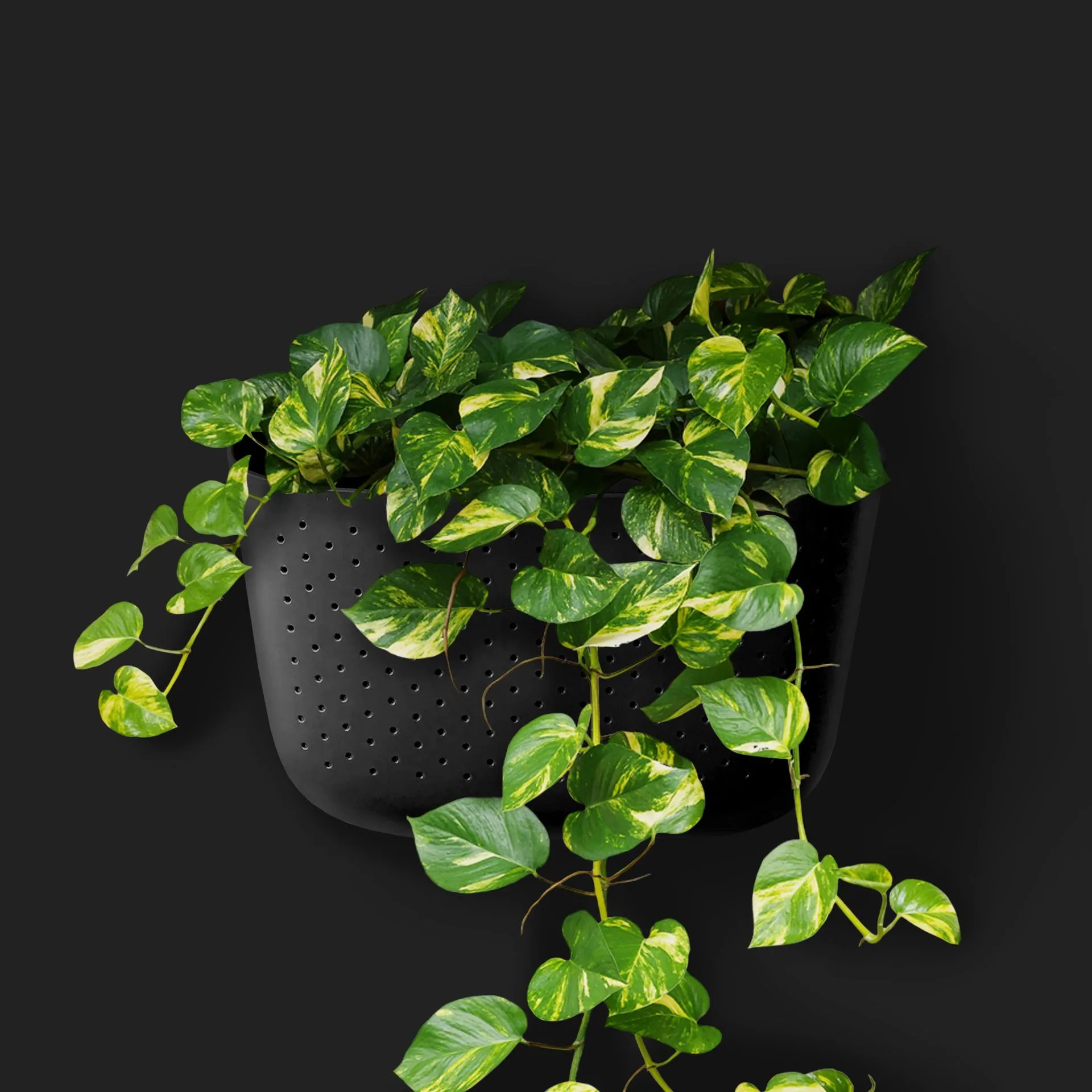
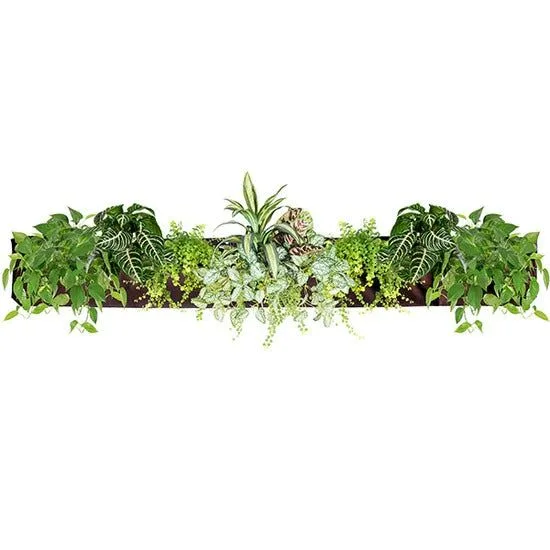
Having the right gear makes plant care easier and more enjoyable. A quality planter with drainage holes is essential — it prevents water from pooling at the roots. For small spaces, wall planters like the https://gardenpulse.store/products/pocket-5-black-wall-planter-volume-offer-pack-46264Pocket 5 Black Wall Planter Volume Offer Pack are perfect for maximizing vertical space while keeping plants accessible.
Other helpful tools include a moisture meter to take the guesswork out of watering, a spray bottle for misting, and a small trowel for repotting. If you’re looking for a unique gift or a fun addition, the Alocasia Pet Bandana adds a playful touch to your plant care area and makes a great conversation starter.

Alocasia Pet Bandana
- Always use pots with drainage holes or a layer of pebbles at the bottom.
- Consider self-watering planters if you tend to forget watering.
- Keep a dedicated plant care caddy with your tools, fertilizer, and gloves.
Step 3: Create a Weekly Watering and Feeding Schedule
Most indoor plants need water once a week, but this varies by species, pot size, and season. Instead of watering on a fixed day, check the soil moisture first. Stick your finger an inch into the soil — if it feels dry, it’s time to water. For succulents, wait until the soil is completely dry.
Fertilize only during the growing season (spring and summer) using a balanced liquid fertilizer diluted to half strength. Over-fertilizing can burn roots. A simple rule: water when dry, feed monthly in spring/summer, and skip fertilizing in fall and winter.
- Use a calendar or app reminder to check soil moisture every 5-7 days.
- Water thoroughly until water drains out the bottom — don’t just wet the top.
- Flush the soil every few months to prevent salt buildup from fertilizer.
Step 4: Incorporate Regular Cleaning and Inspections
Dust on leaves blocks sunlight and reduces photosynthesis. Gently wipe large leaves with a damp cloth every few weeks. For smaller plants, give them a gentle shower in the sink. While cleaning, inspect the undersides of leaves for pests like spider mites or mealybugs.
Also check for signs of overwatering (yellow leaves, mushy stems) or underwatering (crispy edges, drooping). Catching issues early means you can adjust your routine before serious damage occurs. Make this a relaxing Sunday ritual — put on music and enjoy the process.
- Use neem oil spray as a natural preventive against common pests.
- Rotate plants a quarter turn each week to ensure even growth.
- Trim dead or yellowing leaves with clean scissors to encourage new growth.
Step 5: Adjust Your Routine Seasonally
Plants don’t need the same care year-round. In winter, growth slows, so reduce watering and stop fertilizing. Move plants away from cold drafts and consider adding a grow light if natural light drops. In summer, you may need to water more often and increase humidity.
Keep a seasonal checklist: repot root-bound plants in spring, prune in early summer, and clean leaves before winter. This keeps your routine flexible and responsive to your plants’ natural cycles.
- In winter, water half as often as you do in summer.
- Use a hygrometer to monitor humidity — aim for 40-60% for most houseplants.
- Group plants together in winter to create a humid microclimate.
Sample Weekly Plant Care Checklist
To help you get started, here’s a simple checklist you can adapt for your own home. Print it out or save it in your notes app. Customize it based on your plant collection and home environment.
- Monday: Check soil moisture for all plants. Water any that are dry.
- Wednesday: Mist plants that love humidity (ferns, calatheas).
- Friday: Inspect leaves for pests and dust. Rotate plants.
- Weekend: Fertilize one plant (rotate through your collection).
- Monthly: Flush soil, trim dead leaves, and clean pots.
Building a plant care routine doesn’t have to be complicated. Start small, use the right tools, and be kind to yourself if you forget a week. Your plants will adapt, and so will you. For a stylish and space-saving way to display your green friends, check out the Pocket 5 Black Wall Planter Volume Offer Pack — it’s perfect for beginners who want to grow their collection without cluttering surfaces.