Quick answer
To build an ocean diorama with Papo sea creatures, choose a container, create a layered underwater background, and arrange your figurines—like the humpback whale, crab, and cormorant—to tell a natural story.
Why Papo figurines work well for dioramas
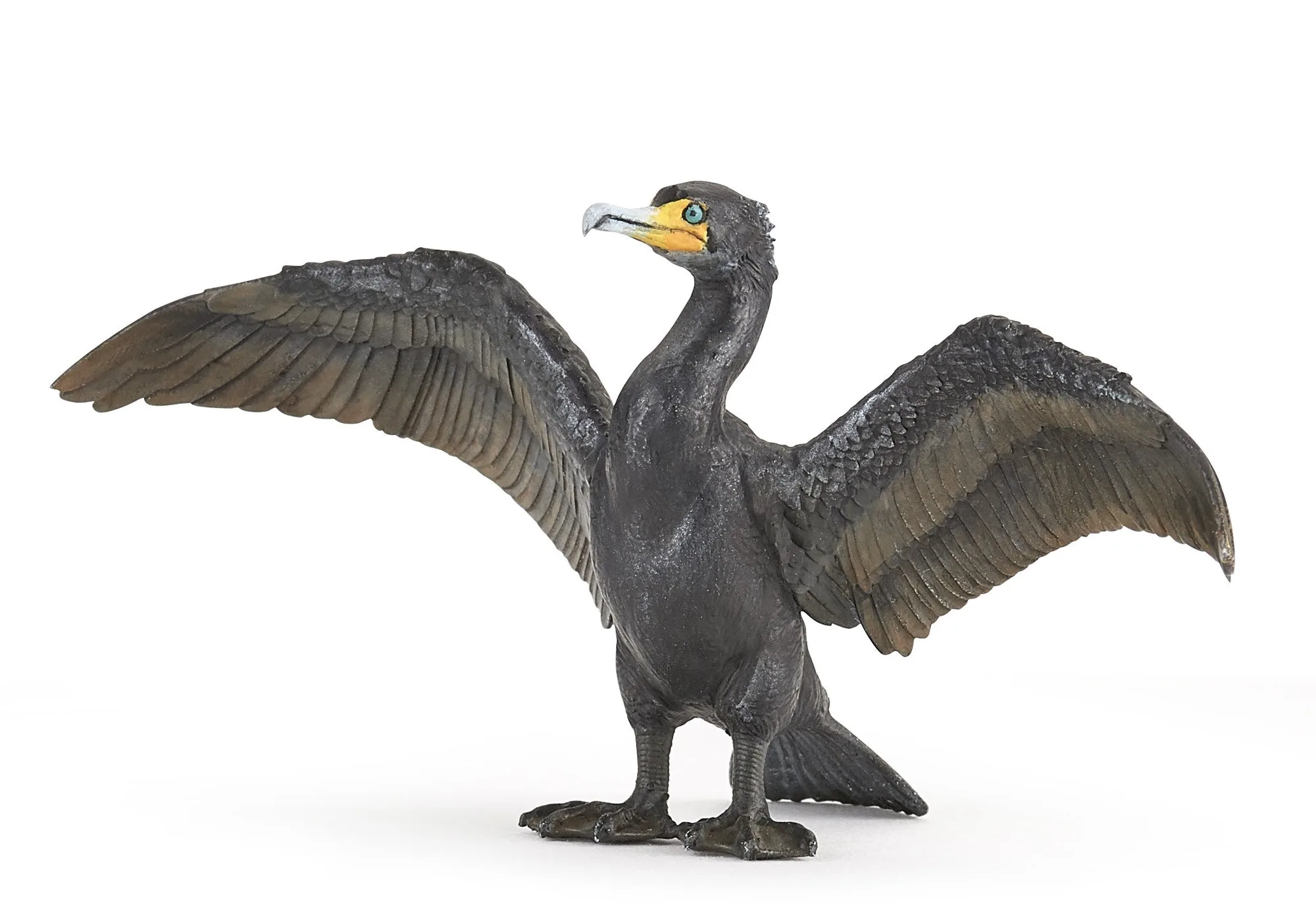
Papo figurines are hand-painted and poseable, making them ideal for creating realistic scenes. The marine collection includes species with distinct behaviors—like the cormorant’s diving posture or the crab’s sideways stance—that add authenticity to your underwater world.
A diorama lets you combine these figures in a single habitat. You can show a humpback whale breaching near the surface while a cormorant perches on a rocky ledge, and a crab scuttles along the ocean floor.
Step-by-step diorama building process
- Choose your container and base: Select a clear container like a shoebox, shadow box, or small aquarium. A lid or glass front keeps dust off while allowing viewing. Paint the interior bottom with a sandy or rocky color, or glue a layer of real sand. Common mistake: using a container that is too shallow. Ensure at least 4 inches of depth so the whale figurine fits without touching the top.
- Create the background and depth layers: Paint or glue a gradient background: dark blue at the top (deep water) fading to lighter blue at the bottom (surface). Add a second layer of paper or foam cutouts for distant rocks or coral. This gives the diorama a sense of depth. Checkpoint: let each paint layer dry completely before adding the next to avoid smudging.
- Build the seafloor and mid-ground features: Use air-dry clay, small stones, or store-bought aquarium decorations to create rock ledges, a sandy floor, and a small underwater cliff. Leave a flat area for the crab and a raised perch for the cormorant. Common mistake: overloading the base with heavy objects that tip over. Secure larger rocks with a dab of glue.
- Arrange the figurines: Place the humpback whale in the upper third of the diorama to suggest breaching. Position the cormorant on the cliff or rock ledge. Set the crab on the seafloor near a small rock or shell. Adjust poses so they face each other or interact naturally. Checkpoint: step back and check the sightlines. The whale should not block the cormorant from view.
- Add finishing touches: Glue small shells, blue glass beads (for bubbles), or tiny LED fairy lights to simulate underwater sparkle. Seal the front with clear plastic wrap or a glass pane if desired. Common mistake: adding too many accessories that clutter the scene. Stick to 3–4 extra elements per diorama.
Figurines featured in this guide
-
Figurine Baleine à bosse: The humpback whale is known for its massive silhouette, long pectoral fins, and spectacular leaps out of the water. Its dramatic pose makes it the natural centerpiece of your diorama, drawing the eye upward.
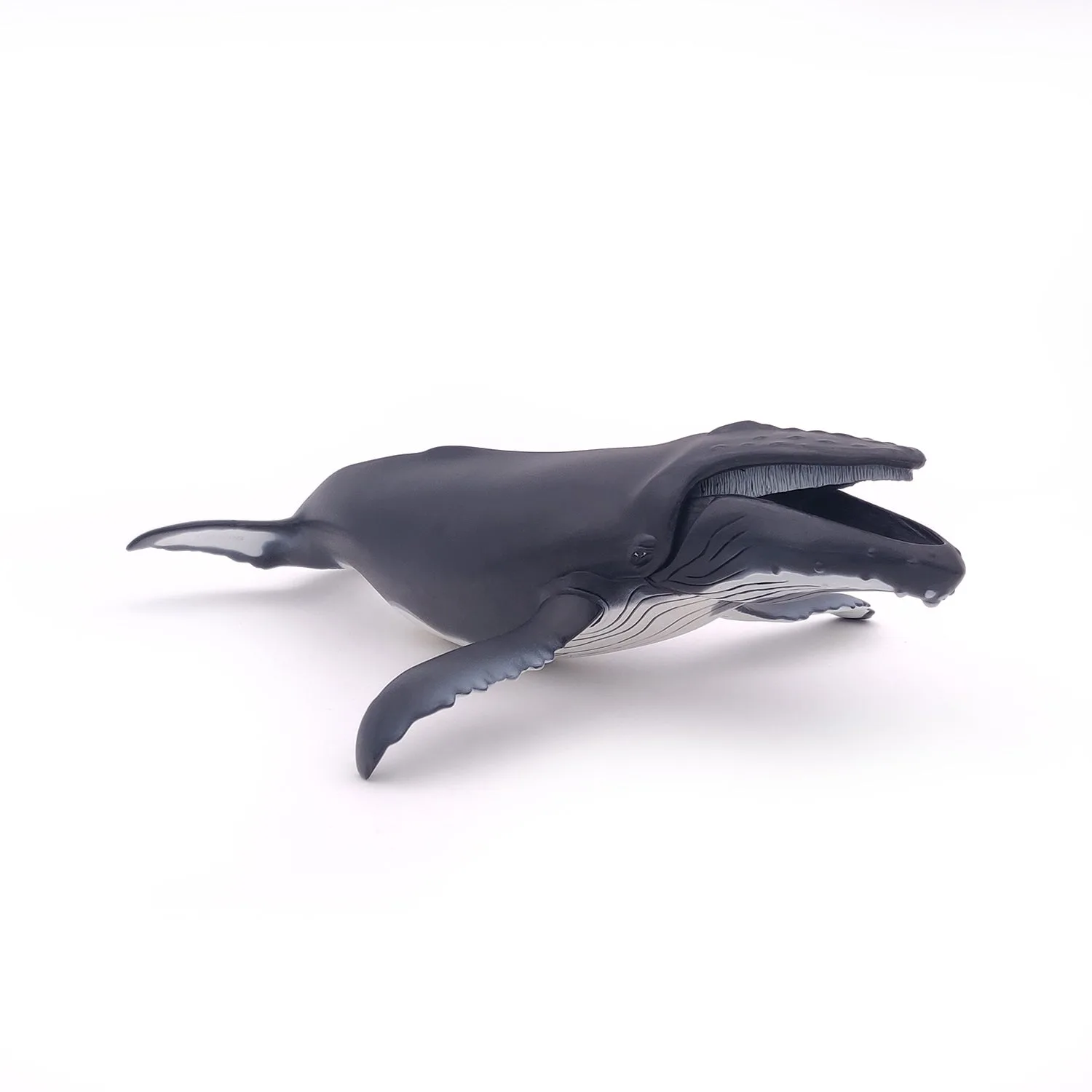
Figurine Baleine à bosse
-
Figurine Crabe: Crabs have ten legs, with two front legs modified into powerful claws used for feeding, defense, and communication. Place the crab on the seafloor or a rock to add realistic bottom-level activity and texture.
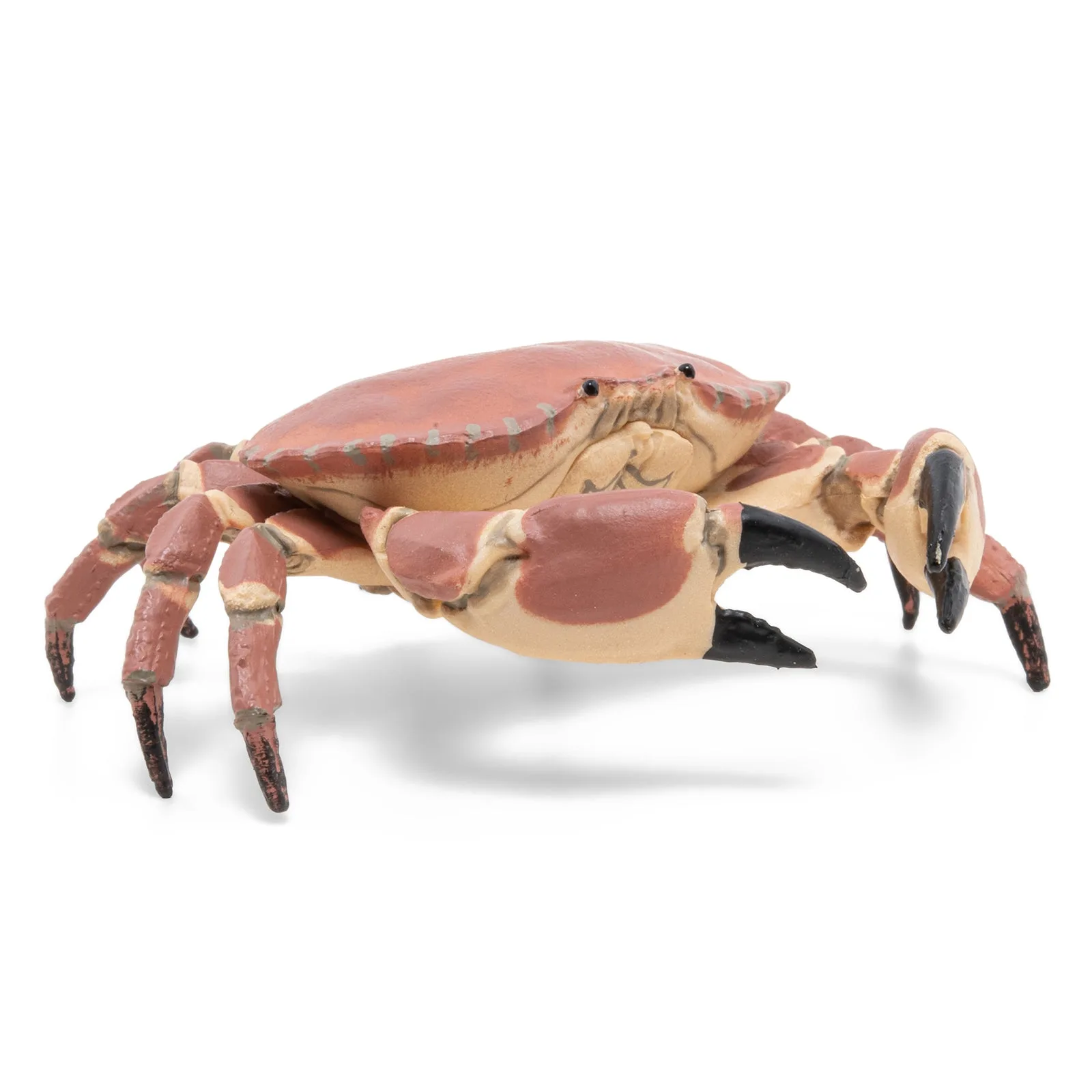
Figurine Crabe
-
Figurine Cormoran: The cormorant is a skilled diver that lacks fully waterproof feathers, allowing it to plunge easily underwater. Position the cormorant near a cliff or waterline to suggest it’s about to dive, adding dynamic movement to the scene.