Quick answer
Start with a plastic chariot kit like Bronze Age Chariots, then add a crew and infantry support such as Peasant Levy or Crusader Specialists depending on your setting. Assemble the chariot with sub-assemblies for painting, base it on a 50x100mm or similar rectangular base for stability, and field two to four chariots as a mobile striking unit.
Choose your chariot kit and crew
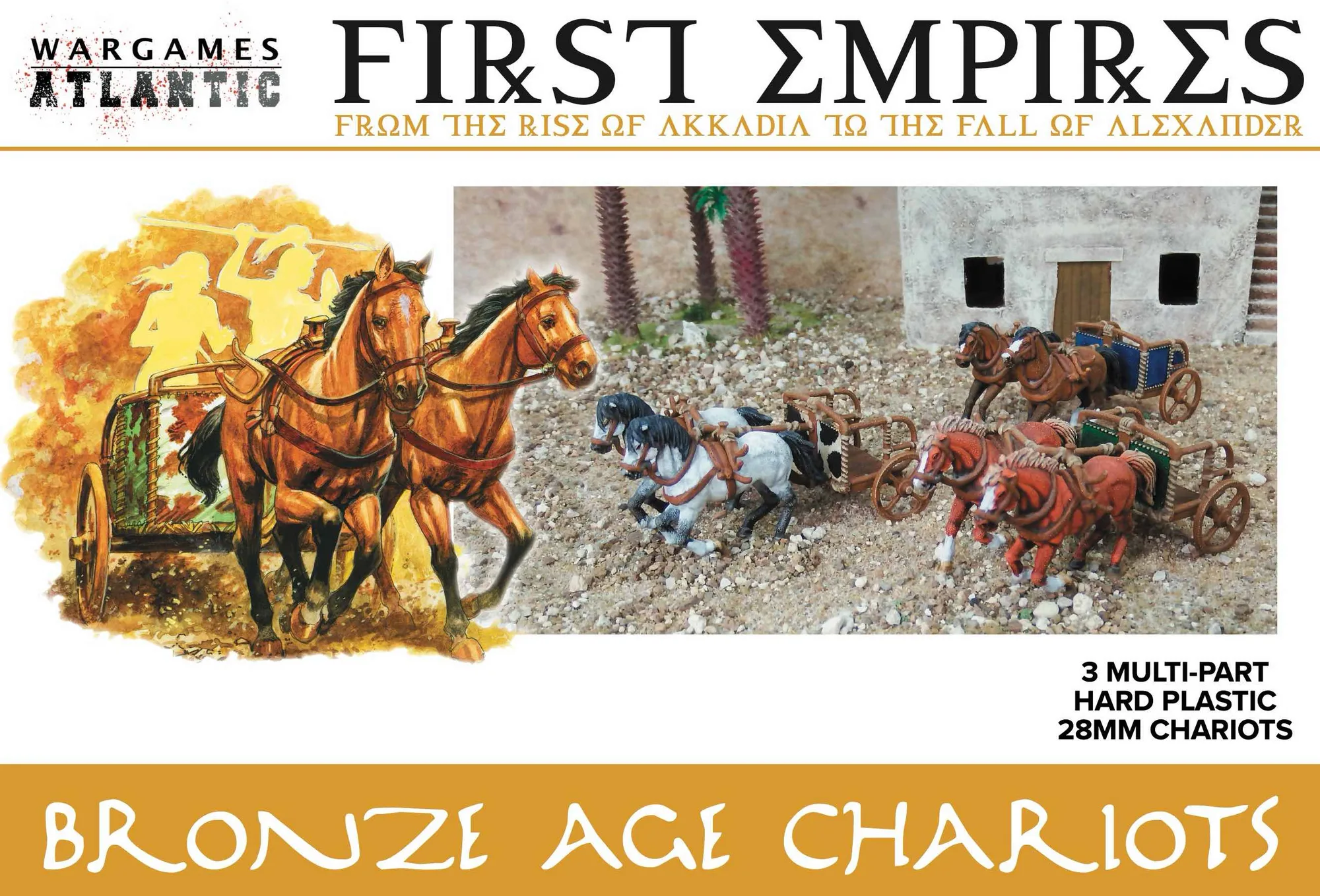
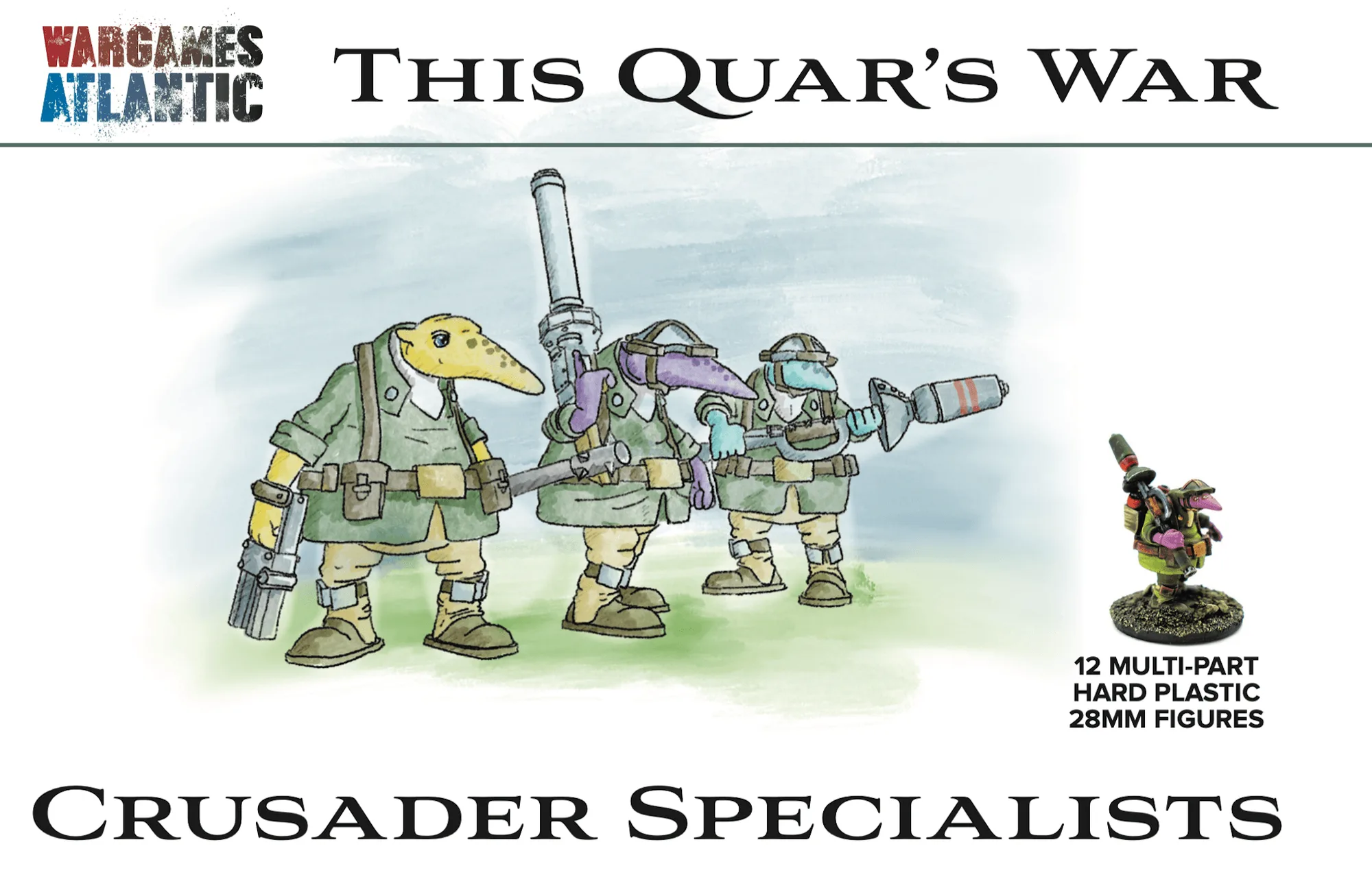
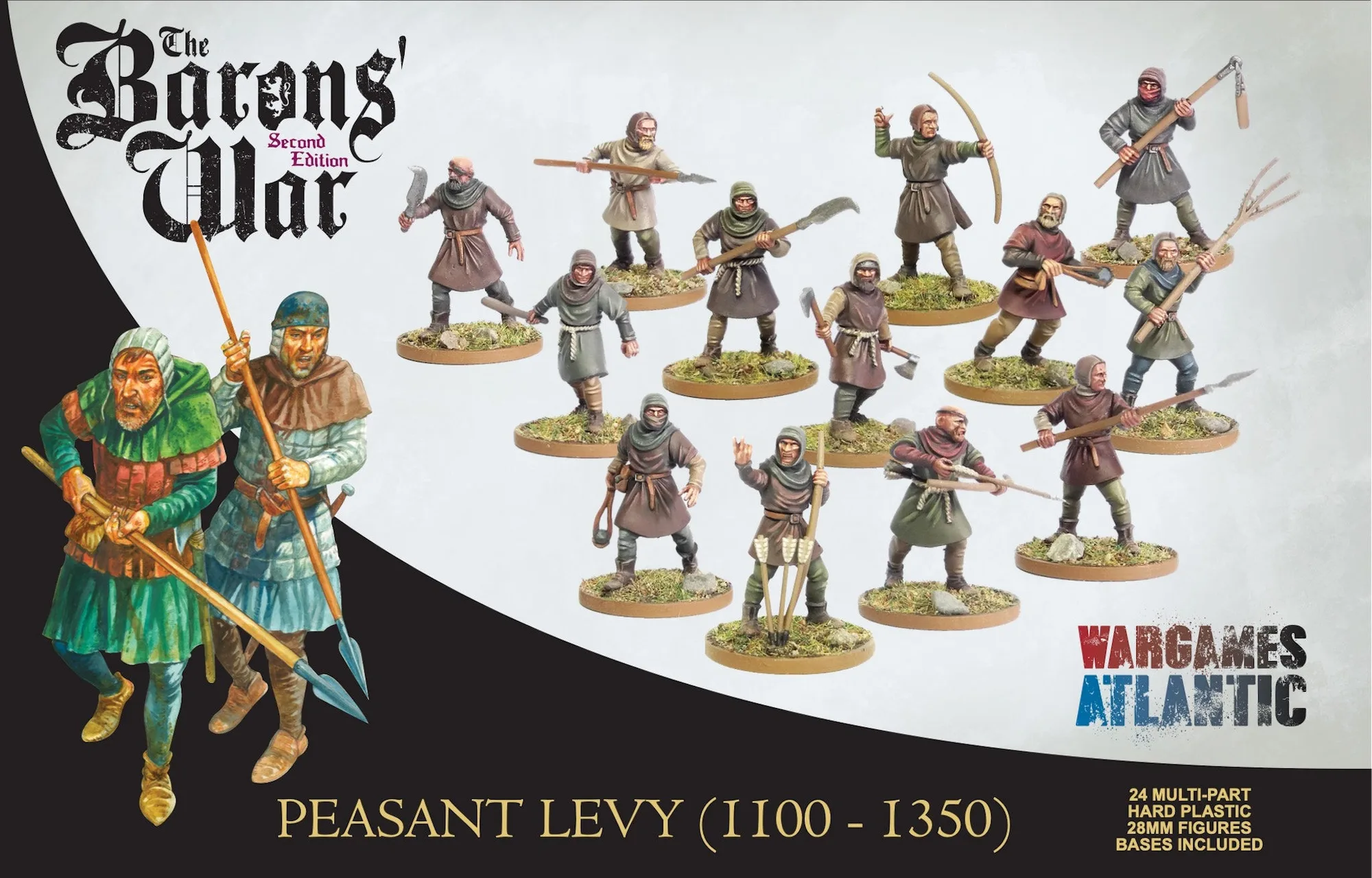
For Bronze Age chariots wargaming, your first decision is the chariot model itself. The Bronze Age Chariots kit represents the light but robust two-wheeled type used across the eastern Mediterranean and Northern Europe, and it works for both historical and fantasy settings. You will also need crew: a driver and a warrior with a spear or bow are typical. If you are building a broader army, infantry like Peasant Levy (1100-1350) can fill out your battle line, though note that kit is dated to a later medieval period and may not suit a strict Bronze Age list. For a more fantastical or Crusades-era force, Crusader Specialists offer trained specialists that can accompany chariots as support.
Assemble the chariot in sub-assemblies
Build the chariot in three parts: the chassis with wheels, the draft pole and yoke, and the crew. Keep the wheels and pole separate until after painting so you can reach the interior and the horses. Dry-fit the yoke to the pole before gluing; a misaligned yoke makes the team look twisted. Use plastic cement sparingly on the axle points so you do not fuse the wheels to the chassis. If the kit includes optional parts, decide early whether you want a closed or open cab, as this affects crew placement.
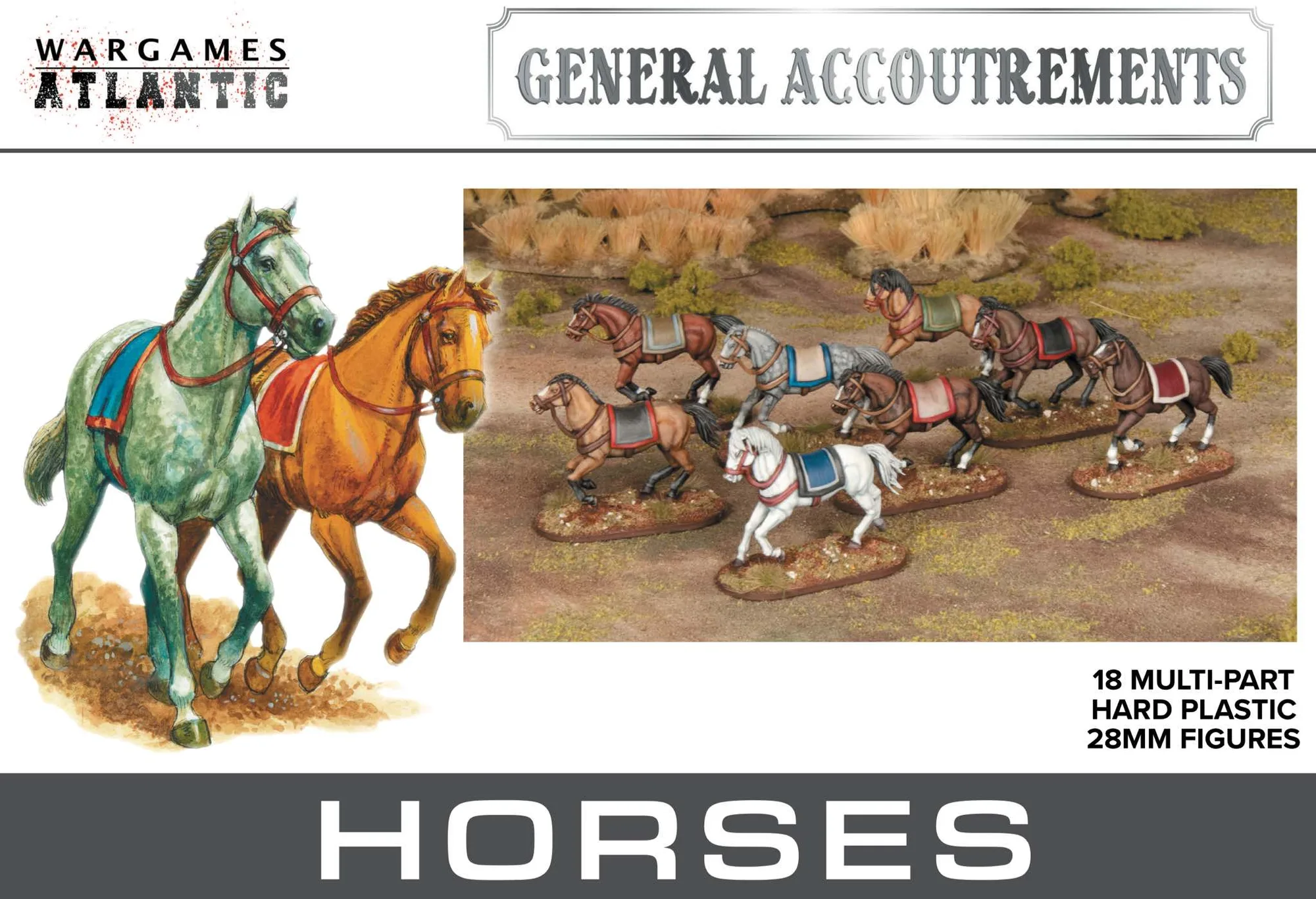
horses
Base the chariot for stability and gameplay
A chariot unit needs a base that supports the model and its footprint on the table. For a 28mm chariot, a rectangular base around 50x100mm works well, or use a round base of 60mm if your rules prefer it. Base the chariot and its draft team together so the whole element moves as one. Add texture to the base before priming: sand, small stones, or textured paste. Leave a flat spot under the wheels so the model sits level. If you plan to remove casualties, consider magnetizing the chariot to the base for flexibility.
Paint and finish the unit
Prime the sub-assemblies separately, then paint the chariot body, wheels, and crew. For Bronze Age chariots, natural wood tones, leather, and bronze or copper accents are appropriate. Paint the crew before attaching them to the chariot to avoid awkward brush angles. Once painted, assemble the sub-assemblies with superglue or plastic cement, then varnish the whole model. A matte varnish protects the paint during handling and reduces shine on the horses.
Build a Bronze Age army list around your chariots
Chariots work best as a mobile reserve or flanking force, not as a main battle line. In a typical Bronze Age army list, take two to four chariots as a single unit or as individual elements, supported by infantry. If you are using Peasant Levy, they can hold objectives or absorb charges while chariots maneuver. For a more elite force, Crusader Specialists can provide ranged or assault support. Check your rule set for chariot profiles; most treat them as fast, hard-hitting but fragile if caught stationary.
Step-by-step chariot unit build
- 1. Clean and dry-fit the chariot parts: Remove mold lines with a hobby knife and test-fit the wheels, axle, and yoke before gluing. Common mistake: gluing the wheels to the chassis too early, which makes painting the interior difficult. Checkpoint: the chariot should sit level on a flat surface without wobbling.
- 2. Assemble in sub-assemblies: Build the chassis, the draft pole with yoke, and the crew as separate pieces. Common mistake: attaching the crew before painting, which blocks access to the chariot interior. Checkpoint: each sub-assembly should be stable enough to handle during painting.
- 3. Base the chariot and team: Glue the chariot and draft animals to a 50x100mm rectangular base (or size per your rules). Add texture before priming. Common mistake: using too small a base, causing the model to tip during play. Checkpoint: the base should support the entire footprint with room for dice or markers if needed.
- 4. Prime and paint: Prime the sub-assemblies in a light color, then paint the chariot, wheels, and crew. Use natural tones for wood and leather, and metallic paint for bronze fittings. Common mistake: spraying too much primer and obscuring detail. Checkpoint: paint should be thin enough to preserve detail but cover the primer.
- 5. Final assembly and varnish: Attach the painted crew and yoke to the chariot using superglue or plastic cement. Apply a matte varnish to protect the paint. Common mistake: using too much glue, which can fog paint or create stringy residue. Checkpoint: the finished unit should be sturdy and ready for the tabletop.
Products that fit this build
- Bronze Age Chariots: This model is typical of the type used in the eastern Mediterranean and Northern Europe during the Bronze Age. Light but structurally robust, the chariot was both a fast... Gives you an accurate Bronze Age chariot for historical or fantasy games, with a design that balances speed and durability on the tabletop.
- Peasant Levy (1100-1350): The peasant levy could make up a bulk of an army during this time period but were rarely the decisive element in a battle. They were raised in one of three ways, as members of a lord's household, as mercenaries, or levied from a town or the countryside. Useful as cheap infantry to support your chariots, but they are not a substitute for a strong battle line; they are best for holding ground or screening.
- Crusader Specialists: The Crusader Army’s strength lies not just in its discipline, but in its adaptability—and nowhere is that more evident than in its Specialist units. These rhyflers are trained for missions beyond the standard line assault; operating with precision, aggression, and purpose across varied terrain and conditions with the best equipment the Crusade can produce. If you play a Crusades-era or fantasy setting, these specialists can add elite support to a chariot unit, though they are not Bronze Age historically.