Quick answer
Build the box around sturdy, low-moisture baked goods first, then add softer items and shelf-stable fillers. Choose breads and buns that hold up in transit, separate wet and dry textures, and seal the box against air so nothing dries out or goes soggy.
Why bread and pastry gift boxes fail
Most baked goods gift boxes fail for one of two reasons: moisture moves where it shouldn't, or the box is packed so loosely that items crush each other. Breads and buns are especially vulnerable because they dry out quickly once exposed to air, while pastries with fillings or glazes can release moisture that softens everything around them.
The fix is to think in layers. Start with the firmest, driest items on the bottom, then add softer baked goods, then fill empty space so nothing shifts. A box that arrives with the contents still in place almost always looks and tastes better than one that was packed tight with no cushioning.
Choose baked goods that travel well
Not every bakery item belongs in a shipped gift box. Dense breads, rolls, and sturdy buns handle a day or two in transit far better than delicate pastries with custard or fresh fruit. If you want to include a softer item, pair it with a firm one so the box has structure.
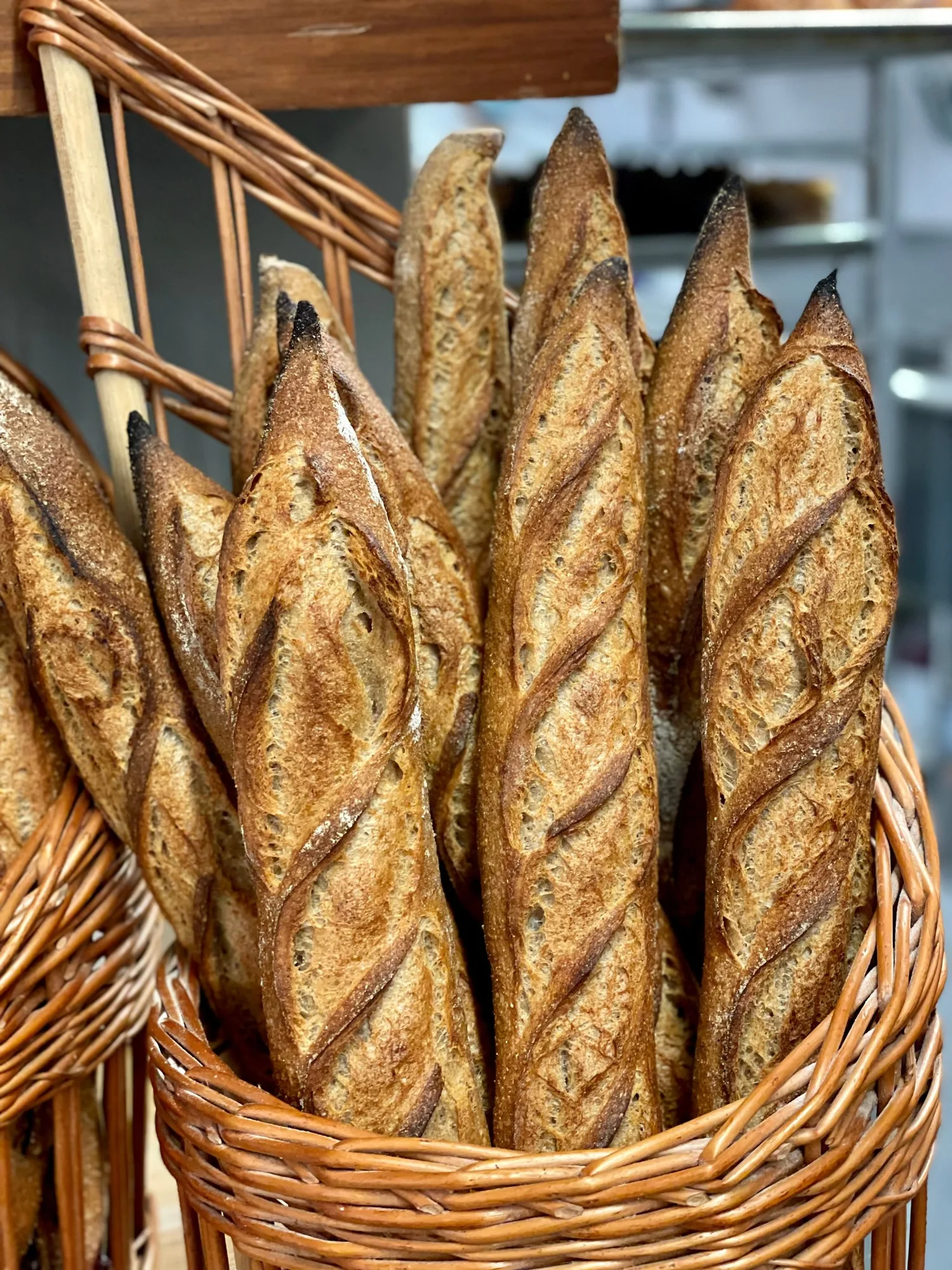
For a bread and pastry gift set, a good base is a baguette-style loaf or a set of pull-apart rolls. Both are firm enough to anchor the box and can be wrapped individually. Add one softer pastry only if you can cushion it separately.
Separate textures before they touch
The single most common mistake is letting a moist item sit directly against a dry one. A glazed pastry or a bun with a wet filling will transfer moisture to bread or rolls, making them soft and stale before they arrive. Wrap each category separately, then place them side by side rather than stacked.
Use food-safe tissue or parchment between layers. If you are packing a bun gift box, wrap the buns as a set but keep them away from any pastry with a glaze or cream. This one step prevents the most common texture failure.
Add fillers that do real work
Gift box fillers for baked goods are not just decoration. They cushion, absorb small amounts of moisture, and keep items from sliding. Shredded paper, crinkle cut paper, and food-safe tissue all work, but avoid anything scented or dyed, which can transfer onto the baked goods.
Fill gaps around the baked goods so they cannot move when the box is tilted. A box that feels slightly snug when you close it is usually packed correctly. If you can hear items sliding when you shake it gently, add more filler.
Seal the box against air
Air is what dries bread out, so the outer box matters as much as the inner wrapping. Line the box with a barrier layer such as parchment or a food-safe bag, then close the lid firmly. If you are shipping, choose a rigid box over a thin gift box so the contents stay protected.
For baked goods gift packaging that ships, avoid a loose-fitting lid. Tape or seal the edges so the box holds its shape. This is also where a box that is slightly too large becomes a problem: too much empty space means more air and more movement.
Label and time the gift
Include a small card that says what is inside and when it was baked. This helps the recipient know what to eat first and what can wait. If the box includes both bread and pastries, suggest eating the softer items first and refreshing the bread in a low oven if needed.
Time the delivery so the box does not sit in a mailbox or on a porch for hours. A bread and pastry gift set is at its best within a day or two of baking, so plan the ship date around the occasion rather than sending it too early.
Steps to pack a bread and pastry gift box
- Pick a sturdy base: Start with a firm bread or roll, such as a baguette or a set of pull-apart rolls, and place it on the bottom of a rigid box lined with parchment. Common mistake: using a soft pastry as the base, which crushes under the weight of everything above it. Checkpoint: the base item should not flex when you press it gently.
- Wrap each texture group separately: Wrap breads, buns, and pastries in their own food-safe paper or bags. Keep glazed or creamy items away from dry bread. Common mistake: stacking a moist pastry directly on a dry roll, which transfers moisture and softens the crust. Checkpoint: no dry item should touch a moist one.
- Add filler around every gap: Use unscented shredded paper or crinkle cut paper to fill empty space so items cannot slide. Common mistake: using scented or heavily dyed filler, which can flavor the baked goods. Checkpoint: shake the closed box gently. If you hear sliding, add more filler.
- Seal the box against air: Close the lid firmly and seal the edges with tape if the box will be shipped. Common mistake: leaving a loose lid or a box that is too large, which lets air in and dries the bread. Checkpoint: the box should feel snug, not loose, when you press the lid.
- Add a card and time the delivery: Include a note listing the contents and the bake date, and suggest eating softer pastries first. Common mistake: shipping too early so the box sits for days before the occasion. Next step: schedule delivery for one to two days before the gift is needed.
Kneads products that work well in a gift box
- Sourdough Baguette: The Sourdough Baguette is made with a wholegrain sourdough blend of red wheat and spelt and comes in a Standard option. A firm, whole-grain loaf anchors the box and holds up better in transit than soft pastries, so it can sit at the bottom layer.
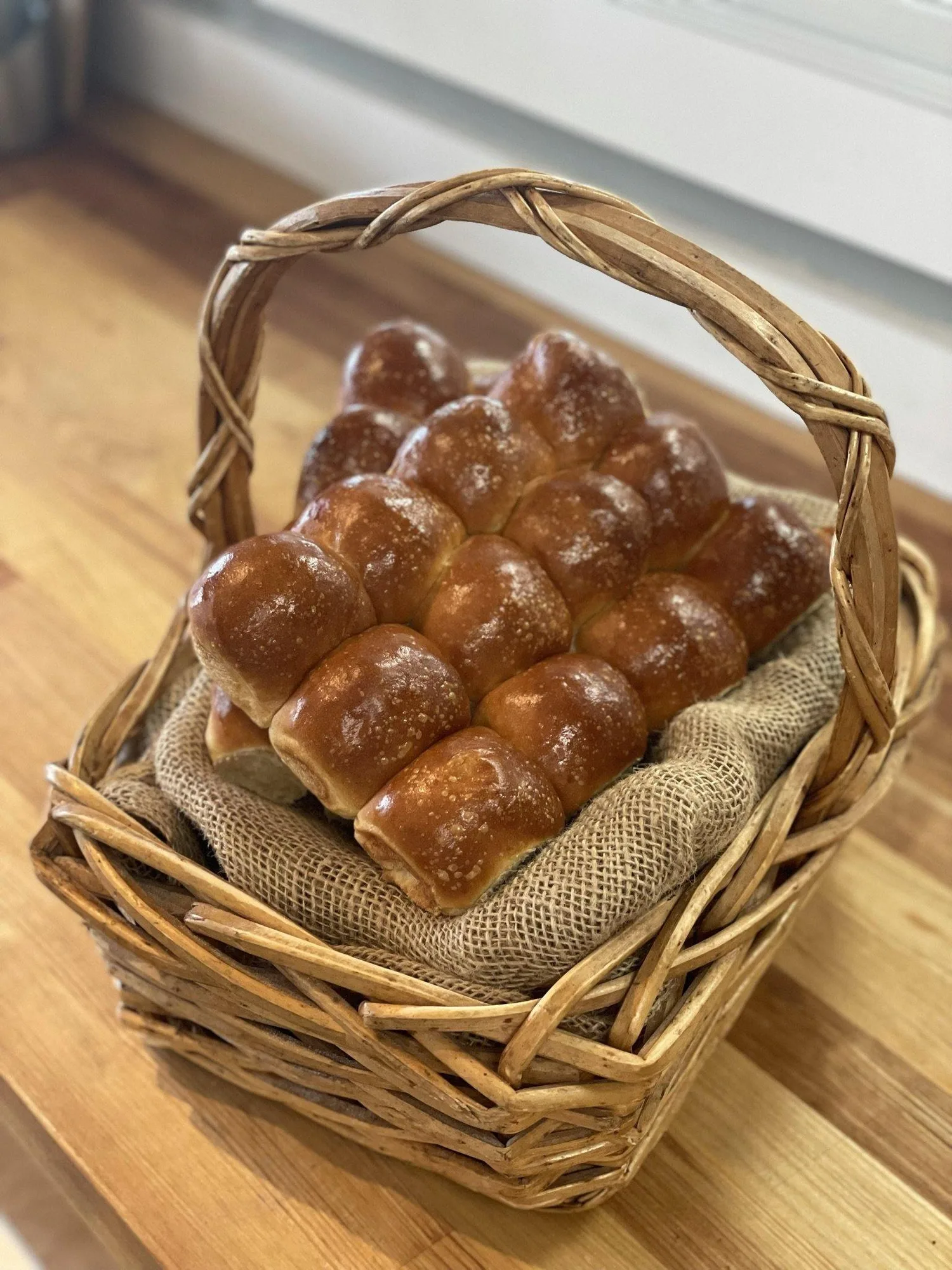
- Pull Apart Rolls (dozen): Pull Apart Rolls (dozen) are buttery parker house style rolls sold as a set of twelve, described as a fitting choice for bread baskets and shared meals. A set of twelve is easy to split between two gift boxes or to wrap as one generous layer, and the pull-apart style means the recipient can share them without slicing.
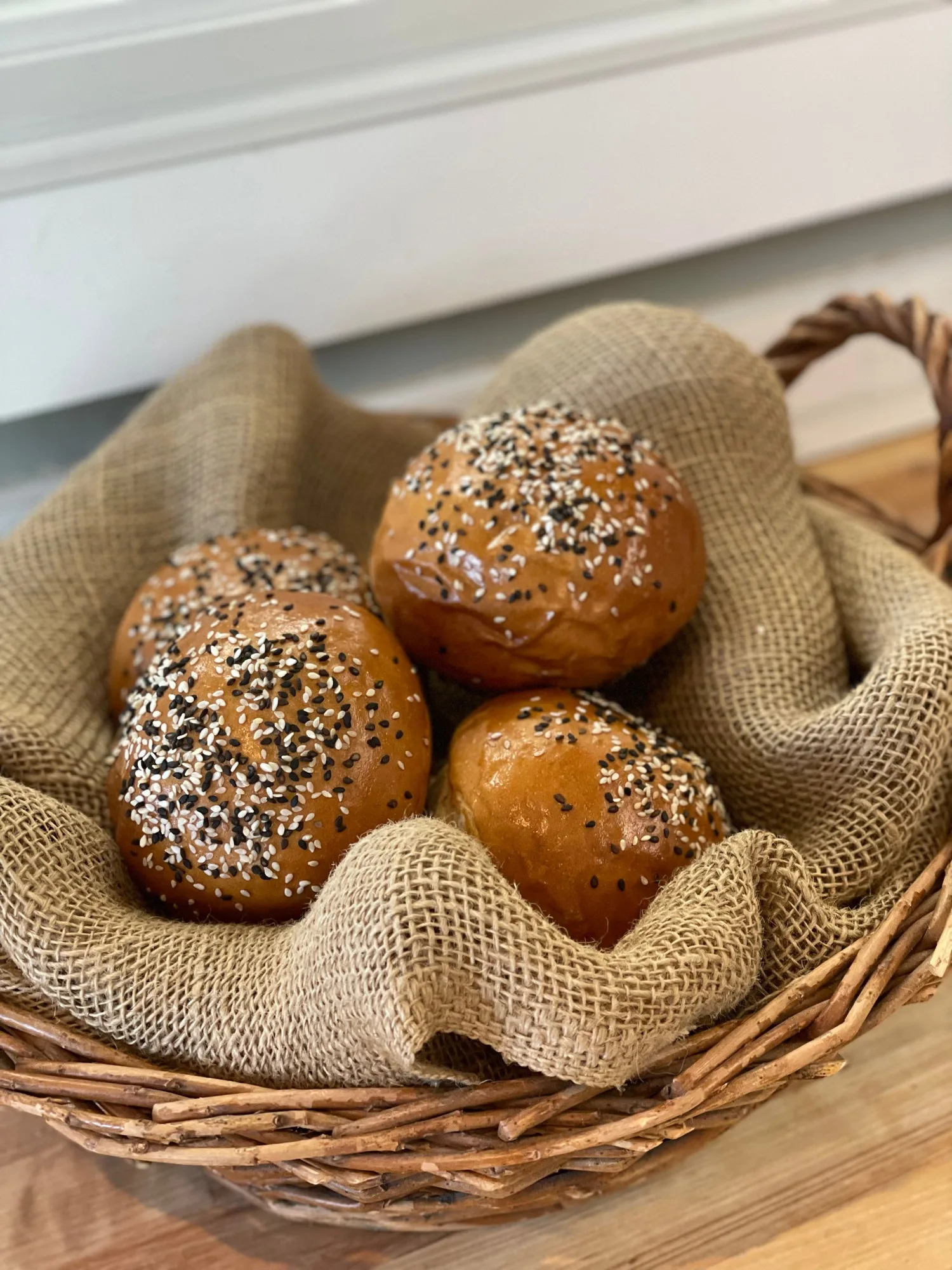
- Hamburger buns: Hamburger buns are a sesame soft roll style suited to burgers and casual gatherings, and the catalog notes they are great for cookouts and holiday get-togethers. These are a practical bun gift box addition when the recipient is hosting a casual meal, and the sesame topping adds visual variety without needing extra decoration.