Quick answer
Start with a 5-minute cooldown, drink water with electrolytes, eat 20–30g of protein within an hour or two after training, then get 7–9 hours of sleep. Keep the same order every session for two weeks so it becomes automatic. Adjust portions and timing based on how you feel, not on a perfect plan.
Why a repeatable order beats a perfect plan
Recovery works best when it's boring and consistent. Your body adapts to a predictable sequence: lower your heart rate, replace fluids, feed muscle, then rest. If you chase a different routine every day, you never learn what actually helps. Pick a fixed order and repeat it for at least two weeks before changing anything. This also makes it easier to spot what's working—if you sleep better and feel less sore, the routine is doing its job.
Step 1: Cool down and bring your heart rate down
After your last set, don't just stop and sit. Walk for 3–5 minutes or do light cycling until your breathing is easy enough to hold a conversation. This helps clear metabolic byproducts and prevents dizziness. A common mistake is skipping the cooldown because you're short on time—but those few minutes make the next steps easier and reduce next-day stiffness. Checkpoint: if you still feel your heart pounding after 5 minutes, walk another 2 minutes before moving on.
Step 2: Rehydrate with more than plain water
You lose fluids and electrolytes when you sweat. For sessions under 45 minutes, water is fine. For longer or hotter workouts, add an electrolyte drink or a pinch of salt to your water. Aim to drink 16–24 oz in the hour after training, sipping steadily rather than chugging. A common mistake is waiting until you're thirsty—thirst lags behind need. Checkpoint: pale yellow urine within a couple of hours is a simple sign you're rehydrating well.
Step 3: Eat protein and carbs within your window
Protein after workout timing is less rigid than many people think. Research suggests a window of a few hours, but the practical takeaway is simple: get 20–30g of protein and some carbs within 1–2 hours after training. A ready-to-drink shake is an easy option when you're not ready for a full meal. Pair it with fruit, rice, or oats for glycogen. A common mistake is waiting too long because you're not hungry—set a reminder or keep a shake in your bag. Checkpoint: if you trained fasted or did a long session, eat sooner rather than later.
Step 4: Prioritize sleep and active rest
Muscle recovery happens mostly during sleep. Aim for 7–9 hours, and keep a consistent bedtime. On rest days, light movement like walking or stretching helps blood flow without adding fatigue. A common mistake is treating rest days as complete inactivity—gentle movement often reduces soreness. Checkpoint: if you're still sore after 48 hours, take an extra easy day instead of pushing through.
Step 5: Track two signals and adjust weekly
You don't need a detailed log. Track two things: soreness (1–10) and sleep quality (1–10) each morning. After a week, look for patterns. If soreness stays high and sleep is poor, reduce training volume or add a rest day. If both improve, keep the routine. A common mistake is changing everything at once—change one variable at a time so you know what helped. Checkpoint: after two weeks, if you feel consistently better, you've built a routine that sticks.
Your 5-step recovery routine at a glance
- Cool down for 5 minutes: Walk or cycle lightly until your breathing is easy. Don't skip it—this transitions your body out of workout mode. Checkpoint: heart rate down and breathing comfortable before you leave.
- Rehydrate with electrolytes: Drink 16–24 oz of water, adding electrolytes for longer or hotter sessions. Sip steadily, don't chug. Checkpoint: pale yellow urine within a couple of hours.
- Eat protein and carbs within 1–2 hours: Get 20–30g protein plus carbs. A ready-to-drink shake works when you're not hungry for a meal. Checkpoint: if you trained fasted, eat sooner.
- Sleep 7–9 hours and move lightly on rest days: Most recovery happens during sleep. On off days, walk or stretch instead of sitting all day. Checkpoint: soreness should ease within 48 hours; if not, take an extra easy day.
- Track soreness and sleep, adjust weekly: Rate each morning from 1–10. Change one thing at a time based on patterns. Checkpoint: after two weeks, if you feel better, the routine is working.
Products that fit this routine
- 30g Protein Shake - Fruity Cereal: Ready-to-drink protein shake with 30g protein and 160 calories per serving, available in Fruity Cereal flavor. A convenient post-workout protein option when you need something quick after the gym.
- Pre-Workout - Hawaiian Shaved Ice: Pre-workout with 200mg caffeine and amino acids like L-Theanine, available in Hawaiian Shaved Ice flavor. Useful before training to support energy and focus, but not part of recovery—take it earlier in your routine.
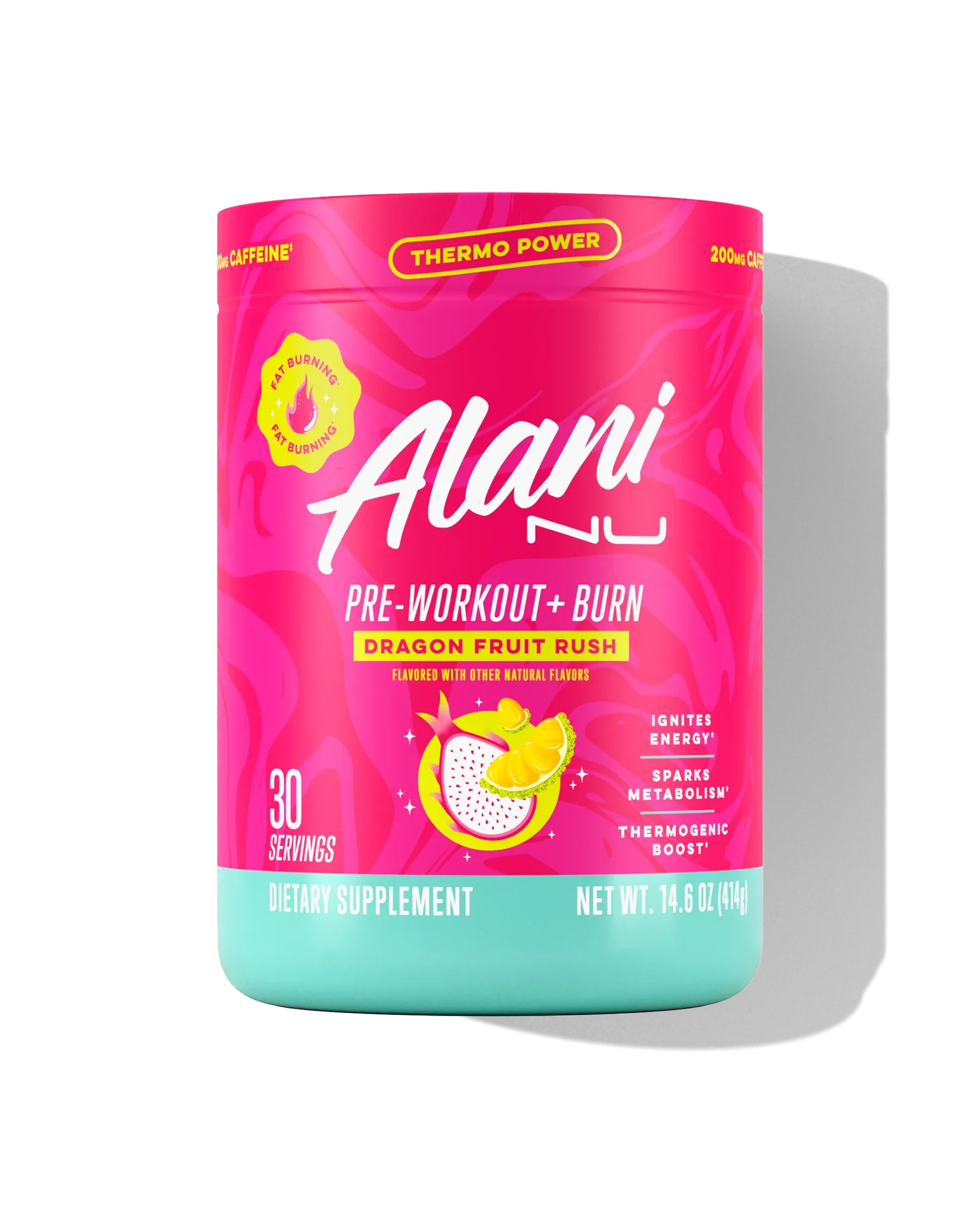
- Pre-Workout+ Burn - Dragon Fruit Rush: Pre-workout+ Burn with 200mg caffeine per serving and thermo-powered ingredients, available in Dragon Fruit Rush flavor. An option if you want caffeine plus a metabolism boost before workouts; remember it's not a recovery product.