Kuji, short for Ichiban Kuji, is a popular lottery-style system in Japan where you buy a ticket for a chance to win exclusive anime merchandise. From rare figures to plushies, kuji offers a thrilling way to expand your collection. However, understanding how to buy kuji tickets, what affects the prices, and how the odds work can be confusing for beginners.
In this guide, we'll break down everything you need to know about kuji tickets: how they're priced, what your chances of winning are, and strategies to improve your luck. Whether you're a seasoned collector or new to the scene, this kuji ticket guide will help you make informed decisions and enjoy the experience without overspending.
What Are Kuji Tickets?
Kuji tickets are physical or digital tickets sold for a lottery-style drawing. Each ticket corresponds to a specific prize tier, ranging from the grand prize (A prize) to smaller consolation prizes (like G or H prizes). The most common form is Ichiban Kuji, which is officially licensed by Bandai and features popular anime series such as One Piece, Demon Slayer, and Jujutsu Kaisen.
When you buy a kuji ticket, you're guaranteed to win something—there are no losing tickets. However, the value of the prize varies. The excitement comes from the chance of pulling a high-tier prize, such as a large figure or a special color variant. Many collectors enjoy the thrill of the draw, and some even trade or sell their prizes to recoup costs.
- Each ticket is drawn randomly, so every ticket has an equal chance of winning any prize.
- Kuji events are often held at conventions, specialty stores, or online platforms like Otaku House.
Kuji Prices: How Much Do Tickets Cost?
Kuji ticket prices vary depending on the series, the number of prizes, and the retailer. Typically, a single ticket costs between 700 and 1,000 yen (roughly $5 to $10 USD). However, prices can be higher for premium series or when purchased through importers. For example, a One Piece kuji might cost around $12 to $15 per ticket when bought online.
It's important to consider the overall value of the prize pool. If the grand prize is a large, detailed figure worth $50 or more, buying a few tickets at $10 each is reasonable. But if the prizes are smaller, like acrylic stands or keychains, you might want to limit your spending. Always check the prize list before you buy to ensure the potential rewards justify the cost.
- Look for full-set sales: Some retailers sell complete sets of kuji tickets, guaranteeing you receive every prize tier. This can be a cost-effective way to get the prize you want, especially if you're after the last-ticket bonus.
- Compare prices across different sellers to find the best deal, but beware of inflated prices for popular series.
Understanding Kuji Odds
Kuji odds are straightforward: each ticket has an equal chance of winning any prize, regardless of when it's purchased. However, the odds of getting a specific prize depend on the total number of tickets and the number of each prize in the pool. For example, if there are 80 tickets and only 2 A prizes, your chance of winning an A prize is 2 in 80, or 2.5%.
Some kuji events have a 'last-ticket' bonus, where the person who buys the final ticket automatically receives a special prize. This adds an extra layer of strategy: you can try to predict when a kuji is about to sell out and buy the last ticket. However, this requires monitoring the event closely and is not always reliable.
- Always ask the retailer how many tickets remain and how many of each prize are left. This information can help you assess your odds.
- If you're after a specific prize, consider buying a full set (if available) to guarantee it, rather than relying on luck.
Strategies for Buying Kuji Tickets
One common strategy is to buy early in the event. Early buyers often have a higher chance of winning the grand prize because all prizes are still in the pool. However, this is purely psychological—the odds are the same at any point. Still, buying early gives you more time to enjoy the anticipation and potentially trade prizes with other collectors.
Another approach is to buy in groups. If you and a friend each buy a ticket, you can trade prizes you don't want. This increases the likelihood that at least one of you gets a desirable prize, and you can share the cost. Some collectors also pool money to buy a full set and then distribute the prizes according to their preferences.
- Set a budget before you start buying tickets. It's easy to get carried away, so decide how much you're willing to spend and stick to it.
- Look for kuji events that offer exclusive prizes you can't find elsewhere. For example, the Banpresto - Yu Yu Hakusho Ankoku Bujutsukai Hiei Black Dragon Wave Effect Figure is a stunning piece that might only be available through kuji.
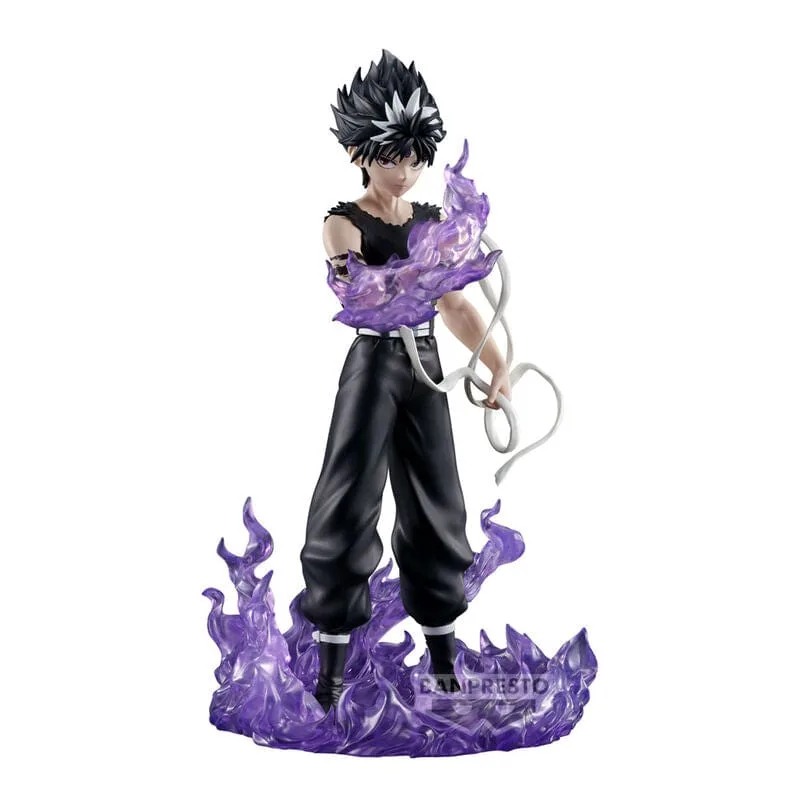
Banpresto - Yu Yu Hakusho Ankoku Bujutsukai Hiei Black Dragon Wave Effect Figure
Where to Buy Kuji Tickets
Kuji tickets are available at anime conventions, Japanese specialty stores, and online retailers. Otaku House offers a selection of kuji and related merchandise, including full sets and individual tickets. When buying online, make sure to read the product description carefully to understand whether you're purchasing a single ticket or a full set.
For example, the Pokemon TCG Scarlet & Violet Starter Deck Generations Lugia EX & Tyranitar EX is a great addition to any collection, but it's not a kuji item. To get kuji-specific prizes, look for items labeled as 'Ichiban Kuji' or 'Kuji.' Always verify the authenticity of the product, especially when buying from third-party sellers.
- Check the shipping costs and delivery times, as these can add to the overall expense.
- Read reviews of the retailer to ensure they have a good reputation for delivering genuine products.
Kuji vs. Blind Boxes: What's the Difference?
Kuji and blind boxes are both lottery-style purchases, but they differ in key ways. Blind boxes, like the [Blind Box] Kirby Dream Land - Re-Ment Swing Collection, contain a random item from a set, and you don't know what you'll get. Kuji, on the other hand, guarantees a prize from a tiered system, with some prizes being rarer than others.

[Blind Box] Kirby Dream Land - Re-Ment Swing Collection
Blind boxes typically have a lower price point and no last-ticket bonus, while kuji offers the chance for higher-value prizes. If you're looking for a specific figure, kuji might be a better choice because you can see the prize list and assess your odds. However, blind boxes are more affordable and can be a fun way to collect a set.
- Consider your budget and what you're hoping to get. If you want a specific high-value prize, kuji is the way to go.
- For casual collecting, blind boxes are a low-cost way to add variety to your collection.
Tips for First-Time Kuji Buyers
If you're new to kuji, start with a series you love. For example, the Banpresto - One Piece World Collectable Log Stories Monkey D. Luffy & Enel Figure is a fantastic prize that any One Piece fan would appreciate. Knowing the prize lineup makes the experience more exciting, and you'll be happier with whatever you win.
Don't be discouraged if you don't win the grand prize. Kuji is about the thrill of the draw, and even smaller prizes like acrylic stands or keychains are valuable collectibles. Remember to enjoy the process and not just the outcome.
- Read the prize list carefully before buying to understand what you might win.
- Set a limit on how many tickets you'll buy, and stick to it.
Kuji tickets offer a fun and exciting way to collect exclusive anime merchandise. By understanding how prices and odds work, and by applying smart strategies, you can make the most of your kuji experience. Whether you're aiming for a rare figure or just want to try your luck, remember to set a budget and enjoy the thrill. If you're ready to try your hand at kuji, explore Otaku House's selection of kuji items and find your next prize today!