Quick answer
Wash a finished quilt only when needed, using a gentle detergent and cold water on a delicate cycle, then air-dry flat or line-dry out of direct sun. For storage, fold with acid-free tissue in a breathable cotton bag or pillowcase, keep it out of plastic, and refold along different lines every few months to avoid permanent creases.
Why quilt care starts before the first wash
The way you wash and store a quilt depends on how it was made. A quilt with dense quilting, appliqué, or embellishments needs gentler handling than a simple pieced top. If you used a pattern like Chic Shells (Paper), which finishes at 65" x 78", the size alone means you need a machine with a large drum or a bathtub for hand washing. Before you wash, check for loose threads, open seams, or weak binding. Repair those first; a washing machine will make small problems worse. Also test any detergent on a scrap of the same fabrics to check for color bleeding.
How to wash a quilt without damaging it
Use a front-loading machine if possible, or a top-loader without a center agitator. Set the cycle to delicate or gentle, with cold water and an extra rinse. Add a gentle, pH-neutral detergent; avoid bleach, fabric softener, and optical brighteners. If the quilt is very large or fragile, hand wash in a clean bathtub with cool water and a small amount of detergent, pressing the quilt gently rather than scrubbing. Rinse until the water runs clear. To remove excess water, roll the quilt in a clean towel and press, never wring or twist.
Drying and finishing
Air-dry the quilt flat on a clean sheet or line-dry it in the shade. Direct sunlight can fade dyes, so keep it out of strong sun. If you must use a dryer, choose the lowest heat setting and remove the quilt while it is still slightly damp, then lay it flat to finish drying. Fluff the quilt by shaking it gently, and smooth the seams with your hands. Never hang a wet quilt by one edge; the weight can stretch the binding and distort the shape.
Quilt storage tips for long-term care
Store quilts clean and completely dry. Fold them with acid-free tissue paper between the layers to prevent dye transfer and creases. Place the folded quilt in a breathable cotton bag or a clean pillowcase; avoid plastic bags, which trap moisture and can cause mildew. Keep stored quilts in a cool, dark, dry place, away from direct sunlight and extreme temperatures. Refold the quilt every three to six months along different fold lines to prevent permanent creases. For very old or fragile quilts, store them flat in a drawer or on a shelf if space allows.
Everyday care and keeping quilts looking new
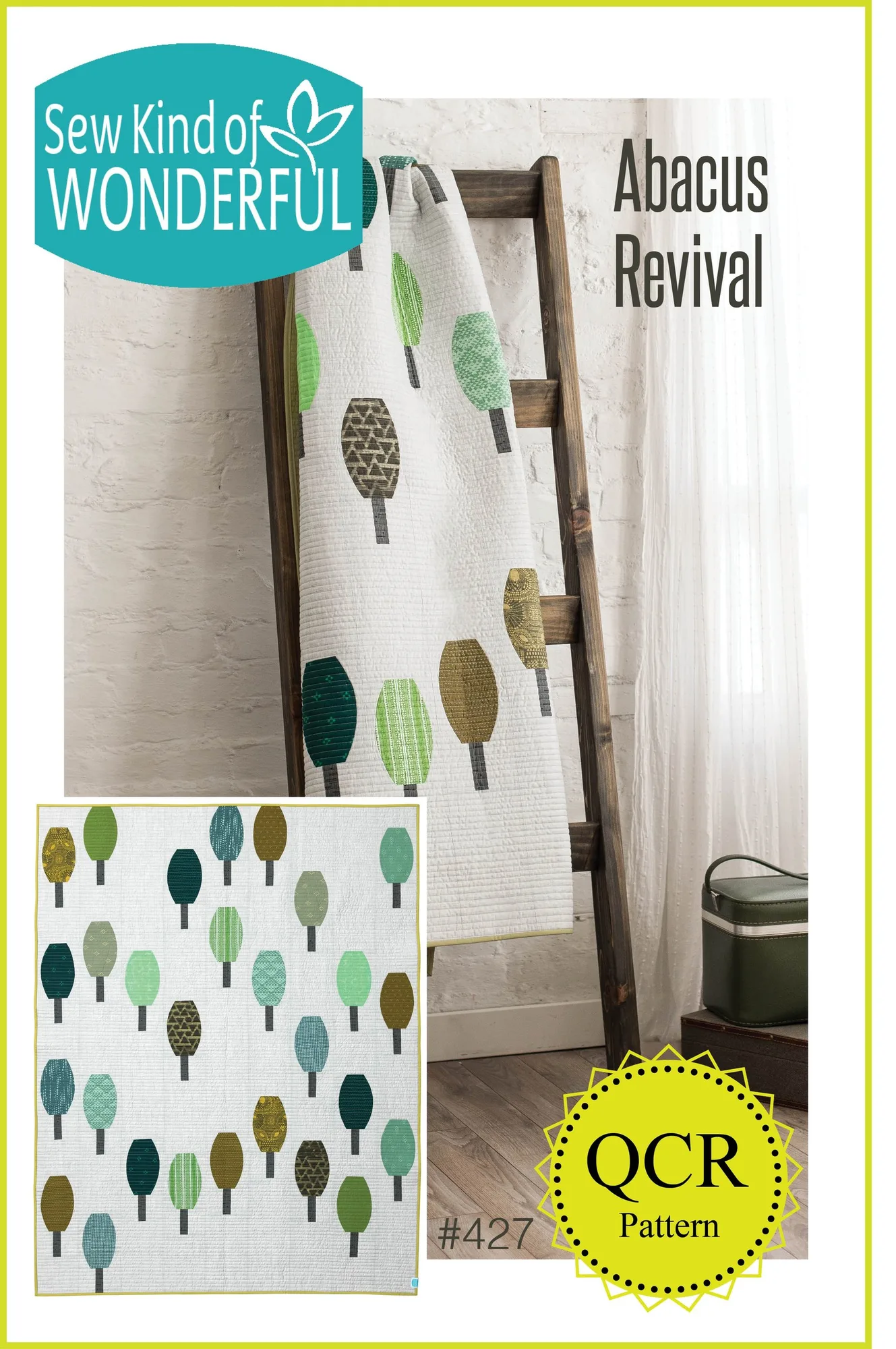
Limit washing to once or twice a year, or when soiled. Between washes, air the quilt outdoors in the shade for a few hours to refresh it. Vacuum gently with a brush attachment on low suction to remove dust. Rotate quilts on beds and displays so no single quilt gets all the wear. If you have pets, keep quilts off surfaces where claws or fur can snag. For quilts made from patterns like Abacus Revival (Paper), which uses assorted green prints and a fat quarter for trunks, check that all appliqué edges are secure before washing to avoid fraying.
Step-by-step quilt washing and storage routine
- Inspect and repair: Check seams, binding, and appliqué. Repair any loose threads or open seams before washing. Common mistake: skipping this step and letting the machine turn a small fray into a large tear. If you find more than a few weak spots, hand wash instead of machine washing.
- Pre-treat stains gently: Dab stains with a mild detergent solution and a soft cloth. Do not rub, which can distort fabric. Common mistake: using bleach or harsh stain removers that fade colors. Test any stain remover on a hidden corner first.
- Wash on delicate with cold water: Use a gentle, pH-neutral detergent. Choose a delicate cycle with an extra rinse. If the quilt is large or fragile, hand wash in a bathtub. Common mistake: overloading the machine or using hot water. Stop the cycle if you hear unusual thumping; redistribute the quilt.
- Dry flat or line-dry in shade: Lay the quilt flat on a clean sheet or hang it over two lines to distribute weight. Avoid direct sun. Common mistake: hanging a wet quilt by one edge, which stretches the binding. If using a dryer, use lowest heat and remove while slightly damp.
- Fold and store with care: Fold with acid-free tissue between layers, place in a breathable cotton bag, and store in a cool, dark, dry place. Common mistake: storing in plastic, which traps moisture and causes mildew. Refold along different lines every few months to prevent permanent creases.
- Refresh between washes: Air the quilt in the shade and vacuum gently with a brush attachment. Rotate quilts on beds and displays. Common mistake: washing too often, which wears fibers faster. Aim to wash only once or twice a year unless soiled.
Quilt care considerations by pattern
- Chic Shells (Paper): Finished size: 65" x 78" A large quilt may not fit in a standard home washing machine. Check your machine's drum capacity or plan to hand wash in a bathtub.
- Abacus Revival (Paper): Finished size: 50" x 65" This medium size is easier to wash at home, but still use a gentle cycle and cold water to protect the green prints and background fabric.
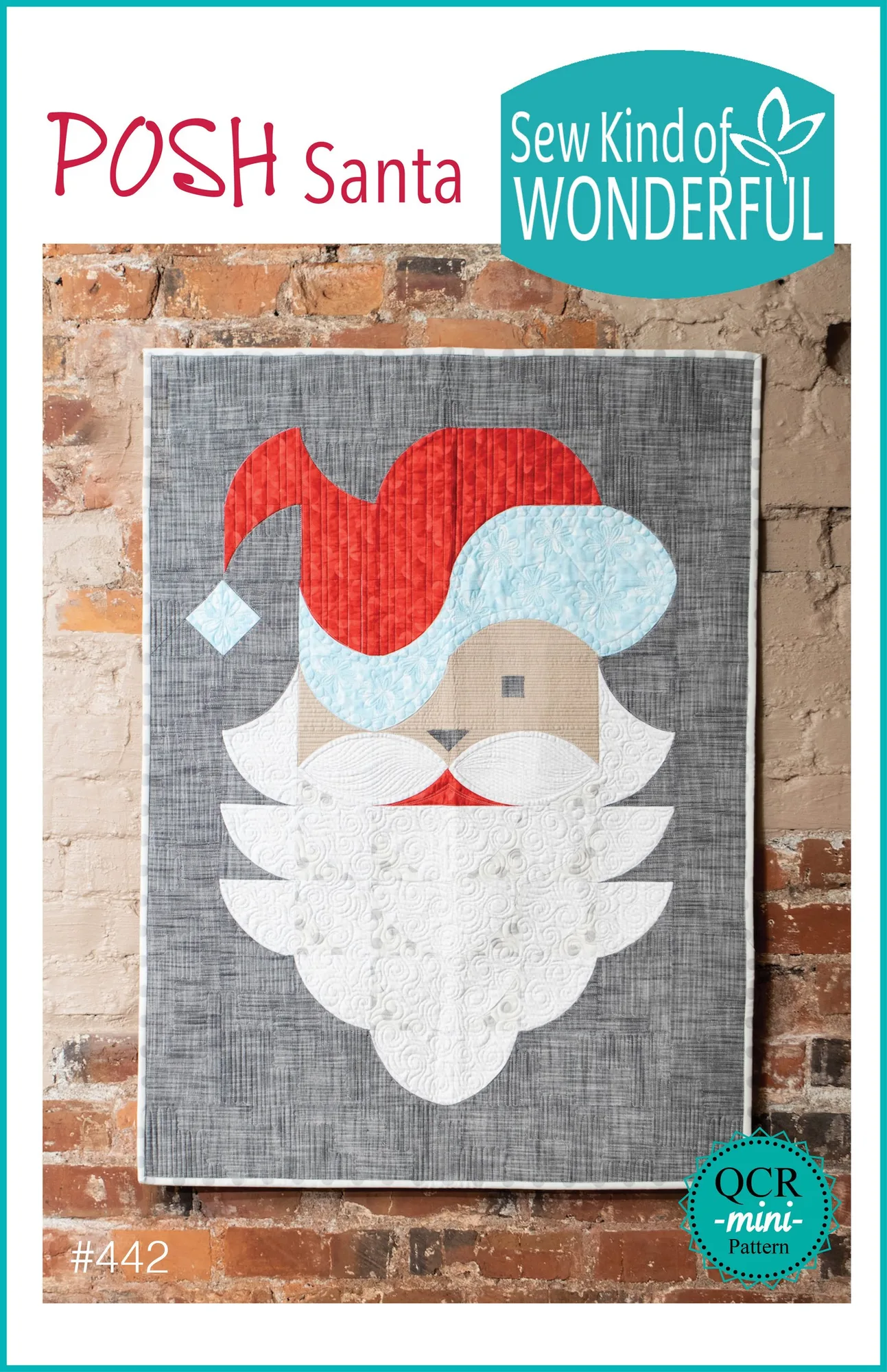
- Posh Santa (Paper): Finished size: 28" x 38" A small door quilt like this can be hand washed in a sink or small basin, making it a good candidate for gentle spot cleaning and frequent airing.