Alocasia plants, often called elephant ears or African mask plants, are beloved for their striking, arrow-shaped leaves and dramatic presence. Native to tropical Asia and Australia, these statement plants can transform any room into a lush indoor jungle. However, alocasia care requires a bit of know-how to keep those leaves healthy and encourage steady growth. Whether you are a seasoned plant parent or new to indoor gardening, understanding the specific needs of your alocasia is key to avoiding common issues like yellowing leaves, drooping stems, or pest infestations.
In this guide, we will walk you through the essential tips for alocasia plant care, including light, water, humidity, soil, and even how to display your plant in style using planters from WallyGro. By following these best practices, you can enjoy a vibrant, thriving alocasia that becomes the centerpiece of your home decor.
Understanding Your Alocasia: Light and Temperature Needs
Alocasia plants thrive in bright, indirect light. Place them near an east- or north-facing window where they can receive plenty of filtered sunlight without being scorched. Direct afternoon sun can burn their delicate leaves, causing brown patches and curling edges. If your space lacks natural light, consider supplementing with a grow light to maintain leaf health. Temperature is equally important—alocasias prefer warm conditions between 65-80°F (18-27°C). Avoid drafts, air conditioning vents, or sudden temperature drops, as these can shock the plant and lead to leaf drop.
During winter, when indoor heating can dry the air, your alocasia may enter a dormant phase and lose some leaves. This is normal, but you can minimize stress by maintaining consistent warmth and humidity. Grouping plants together or using a humidifier can help create a microclimate that mimics their tropical origins. Remember, a happy alocasia will reward you with large, glossy leaves that add a bold, architectural element to any room.
- Place in bright, indirect light; avoid direct afternoon sun.
- Keep temperatures between 65-80°F and away from drafts.
- Use a humidifier or pebble tray to boost humidity, especially in winter.
Watering and Humidity: The Key to Healthy Alocasia Leaves
Watering is one of the trickiest aspects of alocasia care. These plants like consistently moist soil but cannot tolerate soggy roots. Overwatering is a common cause of root rot, which leads to yellowing leaves and a droopy appearance. The best approach is to water thoroughly when the top inch of soil feels dry to the touch. Use room-temperature water and ensure your pot has drainage holes to prevent water from pooling at the bottom. During the growing season (spring and summer), you may need to water every 5-7 days, but reduce frequency in fall and winter.
Humidity is another critical factor. Alocasias are tropical plants that crave high humidity levels of 60% or more. Dry indoor air can cause leaf tips to brown or edges to crisp. To boost humidity, mist the leaves regularly, place a humidifier nearby, or set the pot on a tray filled with pebbles and water. Avoid misting too heavily if airflow is poor, as wet leaves can invite fungal issues. A well-humidified alocasia will display vibrant, upright leaves that truly show off their unique veining.
- Water when top inch of soil is dry; avoid overwatering.
- Use a pot with drainage holes to prevent root rot.
- Maintain humidity above 60% with misting or a humidifier.
Choosing the Right Planter and Soil for Your Alocasia
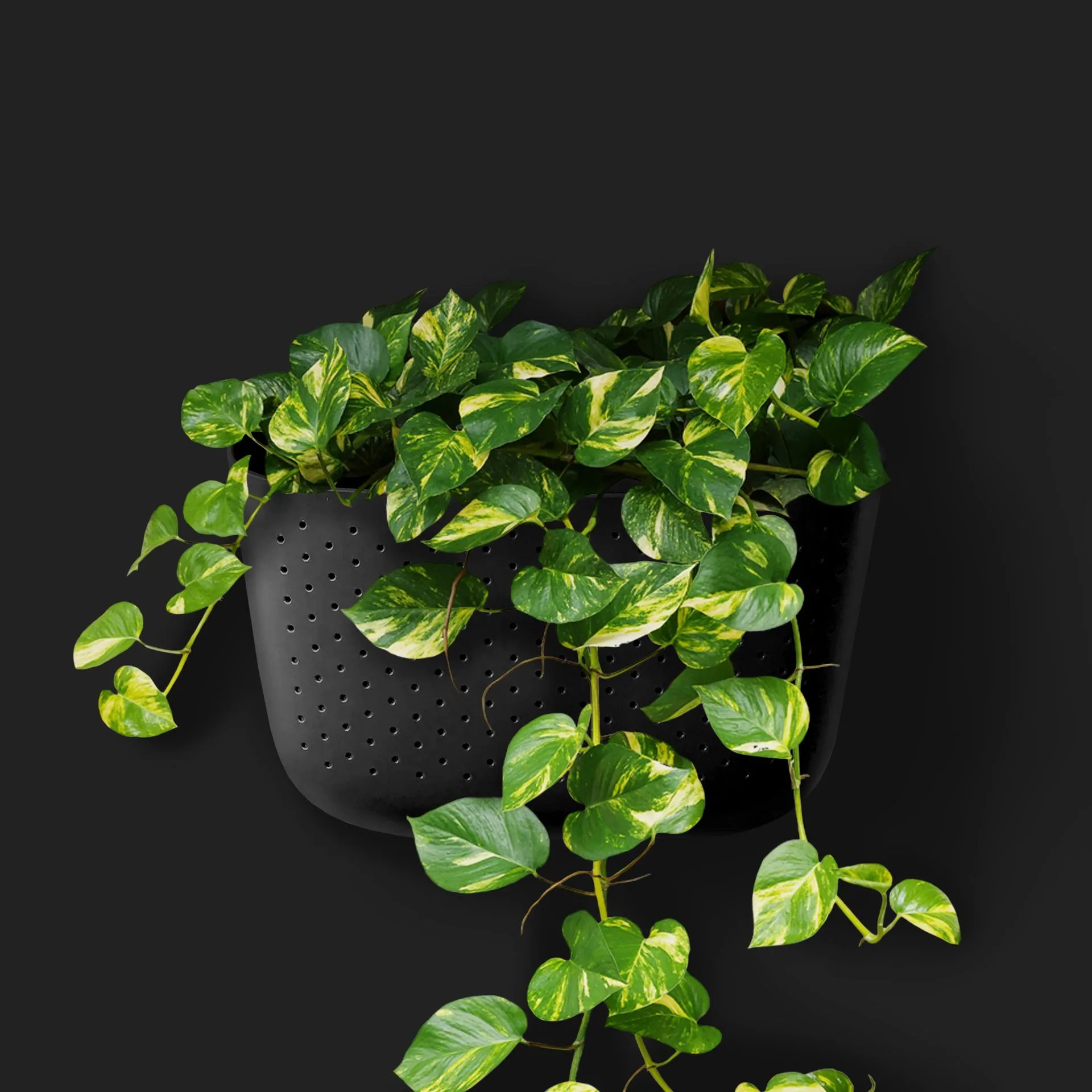
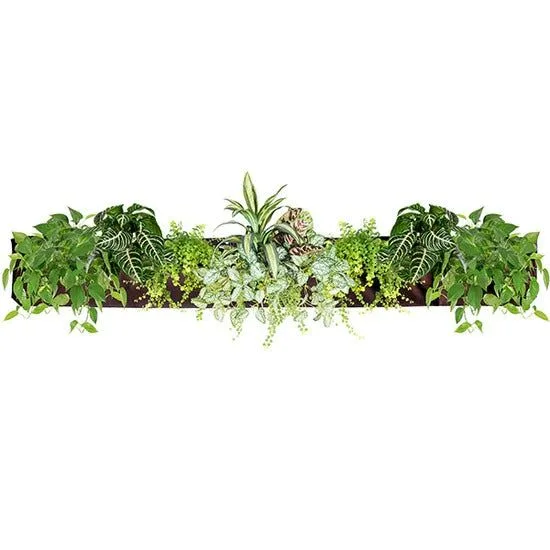
The planter you choose plays a vital role in your alocasia's health. A container with adequate drainage is non-negotiable, as stagnant water can quickly lead to root issues. For a stylish yet functional option, consider the Loop Lavender Hanging Planter from WallyGro. Its sleek design and drainage-friendly structure make it an excellent choice for showcasing your alocasia while ensuring proper water flow. Alternatively, if you prefer a wall-mounted display, the Pocket 1 Chocolate Wall Planter offers a unique way to elevate your plant, adding vertical interest to your space.
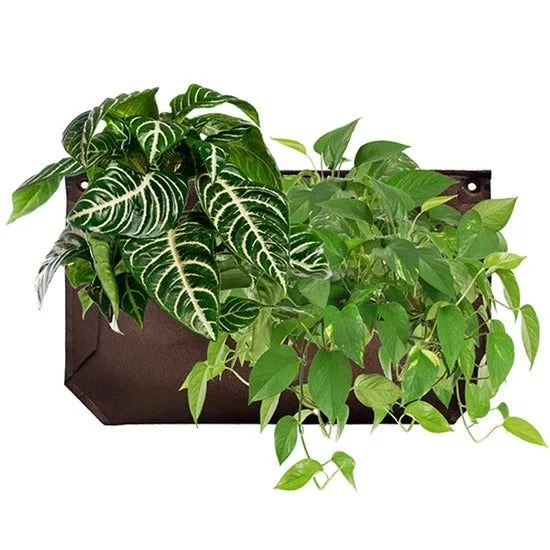
Pocket 1 Chocolate Wall Planter
When it comes to soil, alocasia plants need a well-draining, aerated mix that retains some moisture without becoming compacted. A blend of peat moss, perlite, and orchid bark works well, or you can use a high-quality aroid mix. Avoid heavy garden soil, which can suffocate roots. Repot your alocasia every 1-2 years or when roots become pot-bound, using a pot that is only 1-2 inches larger in diameter. Fresh soil provides essential nutrients and encourages new growth.
- Choose a planter with drainage holes, like the Loop Lavender Hanging Planter.
- Use a well-draining aroid mix with peat, perlite, and bark.
- Repot every 1-2 years in a slightly larger container.
Fertilizing and Pest Prevention for Alocasia
Alocasias are moderate feeders and benefit from regular fertilization during the growing season. Use a balanced, water-soluble fertilizer diluted to half strength every 2-4 weeks from spring through early fall. Avoid fertilizing in winter when growth slows. Look for formulas high in nitrogen to support lush leaf development. Over-fertilizing can cause salt buildup and burn roots, so always follow label instructions.
Pests like spider mites, aphids, and mealybugs can occasionally trouble alocasias, especially in dry conditions. Inspect the undersides of leaves regularly for webbing or tiny insects. If you spot an infestation, isolate the plant and treat it with neem oil or insecticidal soap. For a reliable solution, the Arber Plant Insecticide is an effective, plant-safe option that targets common pests without harsh chemicals. Keeping your alocasia healthy through proper watering and humidity is the best prevention against pests.
- Fertilize every 2-4 weeks in spring and summer with diluted balanced fertilizer.
- Inspect leaves weekly for pests like spider mites or mealybugs.
- Use Arber Plant Insecticide for safe, effective pest control.
Common Alocasia Problems and How to Solve Them
Even with the best care, alocasias can sometimes show signs of distress. Yellowing leaves often indicate overwatering or poor drainage. Check the soil moisture and adjust your watering schedule. Drooping stems may be a sign of underwatering or low humidity—try watering thoroughly and increasing humidity. Brown leaf edges typically point to dry air or fluoride in tap water; use filtered or distilled water instead. Leaf curling can result from too much light or temperature stress, so move your plant to a more suitable location.
If your alocasia drops all its leaves, don't panic. This can happen during dormancy or after a shock, such as repotting or moving. Reduce watering, keep the soil slightly moist, and wait for new growth to emerge from the rhizome. With patience and consistent care, your alocasia can bounce back. Remember, these plants are resilient and often reward attentive owners with stunning new leaves.
- Yellow leaves = overwatering; let soil dry out more between waterings.
- Brown edges = low humidity or tap water; use filtered water and mist.
- Leaf drop = normal dormancy or shock; reduce water and wait for regrowth.
With the right light, water, humidity, and a stylish planter like the Loop Lavender Hanging Planter, your alocasia can thrive and become a stunning focal point in your home. Explore WallyGro's collection of planters and accessories to find the perfect home for your indoor jungle.