Quick Answer
Proper care and storage of your model rockets involve cleaning after each flight, inspecting for damage, and storing them in a cool, dry place away from direct sunlight. Follow a simple routine to keep your rockets ready for the next launch.
Whether you're a weekend sport flyer or a dedicated hobbyist, your model rockets take a beating every time they launch. From heat and vibration to dirt and moisture, each flight can leave behind residue that affects performance. Proper care and storage not only keep your rockets looking sharp but also ensure they're safe and reliable for years to come.
In this guide, we'll walk you through a practical routine for cleaning, inspecting, and storing your rockets. You'll learn how to handle common issues like sooty motor tubes, warped fins, and sticky parachutes, and we'll share tips on organizing your collection so everything is ready when you head to the field.
Why Rocket Maintenance Matters
Model rockets are built to fly, but they're not indestructible. After a flight, your rocket may have residue from ejection charges, dirt from the landing zone, and stress on components like fins and shock cords. Ignoring these can lead to poor performance or even dangerous failures on the next launch.
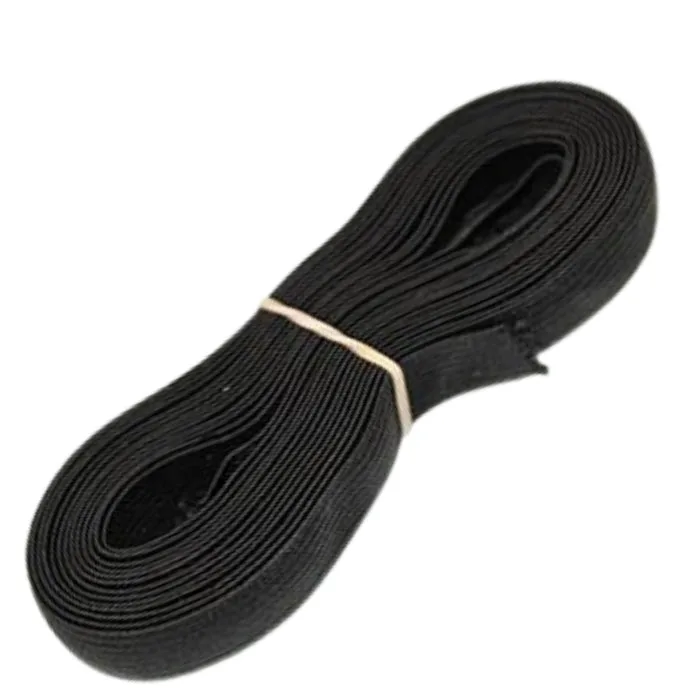
shock cords
Regular maintenance also protects your investment. High-quality kits like those from LOC Precision are designed to be durable, but they still need a little TLC. By spending a few minutes after each flight, you can prevent small issues from becoming costly repairs.
Cleaning Your Rocket After a Flight
Start by removing the parachute and shock cord. Shake out any dirt or debris and wipe down the body tube with a soft, dry cloth. If there's soot from ejection charges, use a slightly damp cloth with mild soap, but avoid getting the tube too wet—moisture can weaken the cardboard or fiberglass.
Pay special attention to the motor mount and fins. Use a cotton swab to clean inside the motor tube, removing any residue that could interfere with the next motor. Check the fins for cracks or warping, especially if they're made of balsa or plywood.
- Always let your rocket dry completely before storing it.
Inspecting for Damage
After cleaning, give your rocket a thorough once-over. Look for cracks in the nose cone, dents in the body tube, and any looseness in the fin attachment. Check the shock cord for fraying or burns, and inspect the parachute for tears or melted spots.
If you find damage, assess whether it's a simple fix or if the part needs replacement. For example, a small crack in the nose cone can often be patched with plastic model cement, while a damaged shock cord should be replaced to ensure safe recovery.
Storing Your Rockets Properly
The key to long-term storage is keeping your rockets in a cool, dry place away from direct sunlight. Extreme temperatures and UV rays can degrade adhesives, plastics, and paints. A closet or shelf in a climate-controlled room is ideal.
Store rockets vertically or horizontally with support to prevent warping. If you have multiple rockets, consider using a rack or padded case to keep them from bumping into each other. Remove the parachute and store it loosely so it doesn't get creased or stuck together.
Organizing Your Collection
For serious hobbyists, organization is key. Label your rockets with their motor size and last flight date. Keep a notebook or digital log of maintenance and flights. This helps you track which rockets are ready to fly and which need attention.
Consider investing in a rocket stand or display rack. Not only does it keep your rockets safe, but it also lets you show off your collection. Just make sure the display area doesn't get too hot or humid.
Step-by-Step Rocket Care Routine
- Post-Flight Cleanup: Remove the parachute and shock cord, then wipe down the body tube and fins with a soft cloth. Clean soot from the motor tube using a cotton swab. Checkpoint: Ensure all residue is removed and the rocket is dry before moving on.
- Inspect Components: Check the nose cone, fins, shock cord, and parachute for any signs of damage such as cracks, fraying, or tears. Replace any compromised parts. Checkpoint: If you find damage, repair or replace before the next flight.
- Store in a Safe Environment: Place your rocket in a cool, dry area away from direct sunlight. Store it vertically or horizontally with support to prevent warping. Remove the parachute and store it loosely. Checkpoint: Your rocket should be ready to fly whenever you are.
Rocket Kits Built for Durability
- Io Rocket Kit: The Io is easy to build and easy to fly. It's the perfect rocket for people new to high power! The Io comes with either a 29 or 38mm MMT. Its durable construction and versatile motor options make it a great choice for beginners who want a rocket that can grow with their skills—and easy to maintain.
- Park Flyer Series - 1.6" IRIS: Our Park Flyer series of kits are a low-cost, durable and all-inclusive line. Made for the small field, they're super strong and can be brought down quickly minimizing drift on recovery. The IRIS's robust design and quick recovery make it ideal for frequent flying, and its simple construction means less time on maintenance and more time on fun.
Caring for and storing your model rockets doesn't have to be a chore. With a simple routine, you can keep your rockets in top condition and ready for action. Remember, a little maintenance goes a long way in preserving your investment and ensuring safe, successful launches. Happy flying!