Quick answer
Wash a batik quilt by hand or on a gentle machine cycle in cool water with a pH-neutral detergent, then air-dry it away from direct sun. Expect some excess dye to release for the first few washes; that is normal for hand-dyed fabric. Always test colorfastness on a scrap before washing the whole quilt.
Why batik behaves differently in the wash
Batik fabric is hand dyed, which means dye sits on and within the fibers rather than being uniformly printed. That hand-dyed nature is exactly why batiks have such depth of color, but it also means a small amount of dye can release in the first washes. This is not a defect; it is a characteristic of the process. Understanding it helps you set realistic expectations and take simple precautions.
The wax-resist designs stamped into batik also create areas where dye penetration varies. Those variations are part of the beauty, but they can make the fabric feel a little stiffer at first. A cool, gentle wash softens the cloth without stripping color. Hot water and harsh detergents are the two biggest enemies of color retention.
Test colorfastness before you wash the whole quilt
Before committing a finished quilt to water, cut a small square from the same fabric or use a leftover scrap. Place it in a bowl of cool water with a drop of mild detergent and let it sit for 15 minutes. Then blot it on a white paper towel. If the towel picks up a lot of color, the fabric is still releasing excess dye and needs a separate pre-wash before it goes into a quilt.
This test is especially important if your quilt combines batiks with light-colored or white fabrics. A bleeding batik can tint neighboring fabrics in the same wash load. Testing takes five minutes and can save hours of color-correction later.
Choose the right detergent and water temperature
Use a pH-neutral detergent made for quilts or delicate fabrics. Avoid detergents with bleach, optical brighteners, or enzymes, which can dull or shift hand-dyed colors over time. Cool water is safest; warm water may accelerate dye release, and hot water can set wrinkles and shrink cotton.
If your water is hard, a water softener designed for laundry can help detergent rinse clean. Never pour detergent directly onto the quilt; dilute it in the wash water first. For a batik quilt with high-contrast light and dark fabrics, consider adding a color catcher sheet to the wash to trap loose dye.
Hand washing versus machine washing
Hand washing is the gentlest option and gives you the most control over water temperature and agitation. Fill a clean tub or sink with cool water, add diluted detergent, and submerge the quilt. Gently press the water through the fabric; do not scrub or wring. Let it soak for 10 to 15 minutes, then drain and rinse with cool water until the water runs clear.
If you machine wash, use a front-loading machine on a delicate or gentle cycle with low spin. Top-loading machines with a central agitator can abrade batik and distort quilting stitches. Place the quilt in a large mesh laundry bag if your machine has an aggressive cycle. Either way, avoid overloading the machine; the quilt needs room to move without friction.
Drying and storing to prevent fading
Air-drying is best for batik quilts. Lay the quilt flat on a clean sheet or hang it over a padded drying rack, away from direct sunlight. Sunlight is a major cause of fading, especially for the vivid oranges, purples, and blacks common in Halloween and novelty batiks. If you must use a dryer, choose the lowest heat setting and remove the quilt while it is still slightly damp.
Store quilts folded in a cool, dark, dry place. Avoid plastic bins, which trap moisture; use cotton pillowcases or acid-free boxes instead. Refold along different lines every few months to prevent permanent creases. If you display a quilt on a wall, rotate it periodically so no single area takes all the light.
Your batik quilt wash day, step by step
- 1. Pre-test a scrap: Cut a 4-inch square from matching fabric or leftover binding. Soak it in cool water with a drop of mild detergent for 15 minutes, then blot on a white paper towel. If the towel shows heavy color transfer, pre-wash the fabric separately before adding it to a quilt.
- 2. Fill with cool water and pH-neutral detergent: Use a clean sink or front-loading machine. Dilute the detergent in the water before adding the quilt. Add a color catcher sheet if the quilt mixes light and dark batiks. Never pour detergent directly on the fabric; it can leave a light spot or strip color locally.
- 3. Wash gently and briefly: Hand wash by pressing the quilt through the water for 10 minutes. For machine washing, choose a delicate cycle with low spin. Do not scrub, wring, or twist. Agitation is the main cause of premature wear and dye loss; keep it minimal.
- 4. Rinse until the water runs clear: Drain and refill with cool water, repeating until no suds or dye color remains. This may take two or three rinses for a heavily dyed batik. Clear rinse water means no detergent residue, which can otherwise attract dirt and dull colors.
- 5. Air-dry away from direct sun: Lay the quilt flat on a clean sheet or hang it over a padded rack in a shaded, well-ventilated area. Turn it once halfway through drying. Sunlight fades batiks faster than any other factor; shade is non-negotiable.
- 6. Store folded in a cool, dark place: Use a cotton pillowcase or acid-free box, not plastic. Refold along different lines every few months to avoid permanent creases. Rotate wall displays regularly so no single section is exposed to light for too long.
Batiks that reward careful washing
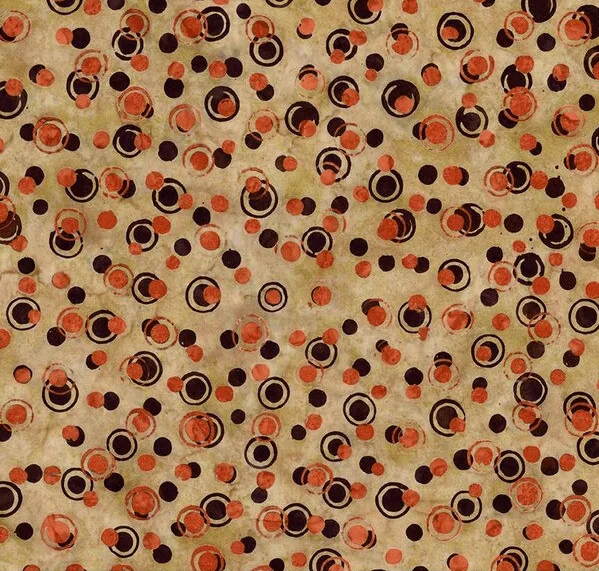
- Batiks Hand Dyes Fright This Way Ginger Syrup Fabric: From Riley Blake Designs' Fright This Way collection by Sandy Gervais, this cotton batik features a batik theme with Halloween motifs in festive oranges, blacks, and purples. The high-contrast dark and bright colors make this a good candidate for a color catcher sheet and a pre-wash test before quilting.
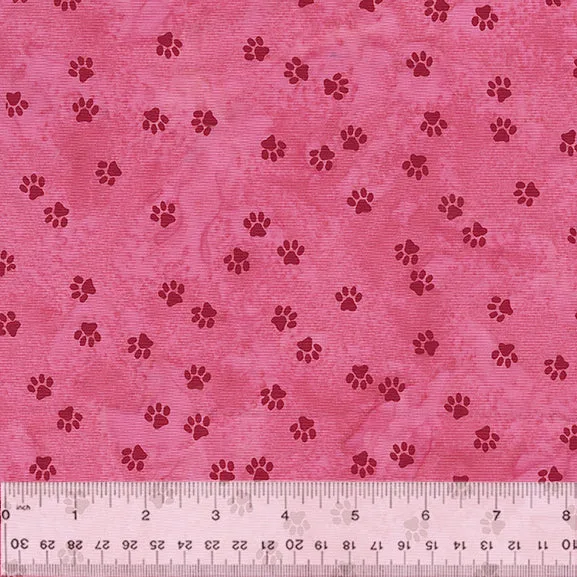
- Anthology Novelty - Cat Nap Tired Paws Batik Sunset Fabric: Anthology Novelty's Cat Nap Tired Paws Batik Sunset is hand dyed with wax-resistant designs and cured in the sunshine, per the collection description. Because the dye is set by sun curing, this batik may release less excess dye than expected, but a cool first wash still protects the delicate sunset tones.