Quick answer
To care for binocular lens coatings, clean them only when necessary using a soft brush or air blower first, then a microfiber cloth with lens cleaning solution. Always store binoculars in a dry case and avoid touching the lenses with fingers.
Why lens coatings matter and how they get damaged
Modern binocular lenses have multiple thin coatings that reduce glare, improve light transmission, and protect the glass. These coatings are delicate and can be scratched or worn away by abrasive dust, improper cleaning, or frequent contact with skin oils. Even a small scratch on the coating can reduce contrast and sharpness.
Daily handling habits that protect coatings
Always use the provided lens caps when not in use. Avoid leaving binoculars on a dusty surface or in direct sunlight for long periods. When hanging binoculars around your neck, keep the objective lenses pointing downward so dust falls off rather than settling on the glass.
Frequently Asked Questions About Binocular Lens Coating Care
Can I use household glass cleaner on binocular lenses?
No. Household cleaners often contain ammonia, alcohol, or abrasives that can strip or etch the coating. Use only a lens-specific cleaning solution or plain distilled water if necessary. Stick to optics-safe cleaners.
How often should I clean my binocular lenses?
Only clean them when you see visible dust, smudges, or haze that affects the view. Over-cleaning increases the risk of micro-scratches. A quick blow with a rubber air blower is often enough. Clean sparingly; blow first.
What should I do if a lens coating appears to be peeling?
Stop using the binoculars and contact the manufacturer or a professional repair service. Peeling coatings usually indicate a manufacturing defect or exposure to extreme heat or chemicals. Do not try to remove the coating yourself. Seek professional help for peeling.
Products that help protect your binocular lenses
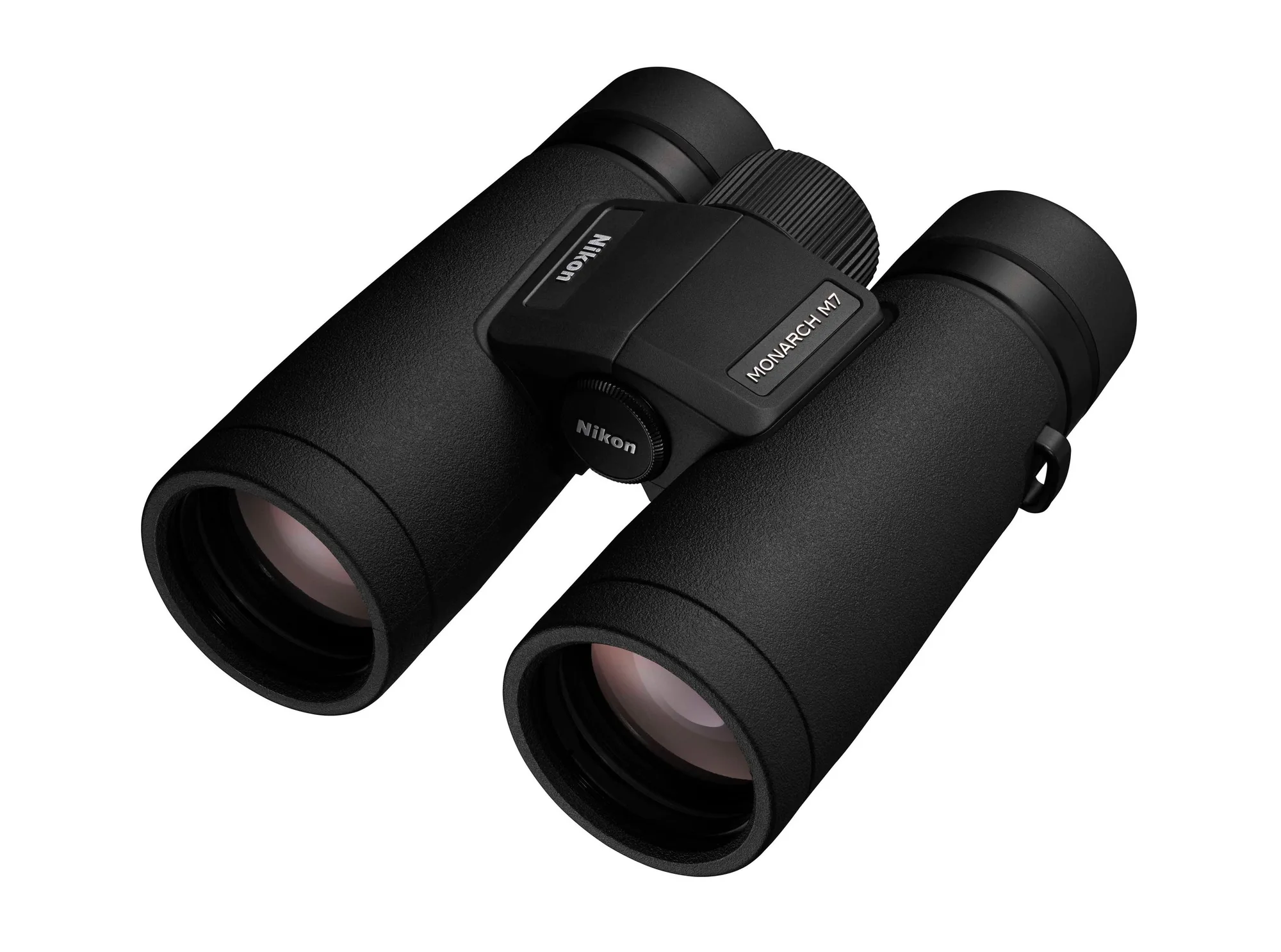
- Nikon Monarch M7 10x42 Binoculars: Waterproof & Fogproof – Built to perform in all weather with nitrogen-filled, O-ring sealed construction A sealed body prevents moisture and dust from reaching the internal optics, reducing the need to clean the external lenses as often and protecting coatings from internal condensation.