Quick answer
Cork fabric is durable and naturally water-resistant, but it still needs gentle care. Wipe it with a soft damp cloth and mild soap, avoid soaking or harsh chemicals, and store your bag stuffed and away from direct sun. Check hardware and straps regularly, because most wear starts at attachment points.
Why cork fabric needs a different care routine
Cork fabric is made from the bark of cork oak trees, backed with a textile layer for strength. It resists moisture and stains better than many fabrics, but it can dry out, crack, or fade if you treat it like cotton canvas. The backing and any interfacing are often more vulnerable than the cork surface itself. That means you should clean the surface without saturating the layers underneath.
Everyday habits that prevent most damage
Set your bag down on a chair or hook instead of the floor, and keep it out of a hot car. UV light and heat are the two fastest ways to dull cork. Rotate your bag if you carry it daily, and empty it at night so the straps and seams can relax. These small habits add up to years of extra life.
When and how to waterproof cork fabric
Cork fabric already sheds light rain, so you do not need to waterproof it on day one. If you live in a wet climate or carry your bag on a bike, a fabric-safe spray designed for cork or faux leather can add a layer of protection. Test it on a hidden seam first, apply in thin coats outdoors, and let it cure fully before use. Never use wax, oil, or silicone-heavy products, which can darken cork and attract dirt.
Cork bag care step by step
- Brush off loose dirt first: Use a soft brush or dry cloth to remove dust and grit before any liquid touches the cork. Rubbing grit into the surface while it is wet can scratch the finish. Checkpoint: the surface should feel smooth, not gritty, before you move on.
- Wipe with a damp cloth and mild soap: Mix a drop of gentle dish soap or castile soap in cool water. Wring the cloth out until it is barely damp, then wipe the cork in one direction. Do not scrub or soak. Mistake to avoid: never put a cork bag in the washing machine or submerge it in water.
- Rinse with a clean damp cloth: Wipe away any soap residue with a second cloth dampened with plain water. Soap left on the surface can attract dirt and dull the finish over time. Checkpoint: no slippery feel remains on the cork.
- Dry away from heat: Let the bag air dry at room temperature, stuffed lightly with a towel to hold its shape. Keep it out of direct sun and away from radiators or hair dryers. Mistake to avoid: heat speeds up drying but can warp the cork and crack the backing.
- Condition only if the cork looks dry: If the surface feels stiff or looks chalky after cleaning, apply a thin coat of a cork-safe conditioner or a tiny amount of natural beeswax. Buff off the excess with a soft cloth. Checkpoint: the cork should look even in color, not greasy.
- Inspect hardware and straps: Check rectangle rings, swivel hooks, and zipper pulls for sharp edges or loose screws. A rough edge can rub through cork quickly. Replace worn hardware before it damages the bag. Next step: keep spare rings or pulls on hand so you can swap them the same day you notice wear.
- Store stuffed and covered: Keep the bag in a dust bag or pillowcase, stuffed with tissue or a clean towel. Store it upright on a shelf rather than hanging it by a strap, which can stretch the cork. Mistake to avoid: plastic bags trap moisture and can cause mildew on the backing.
Hardware that helps your cork bag last
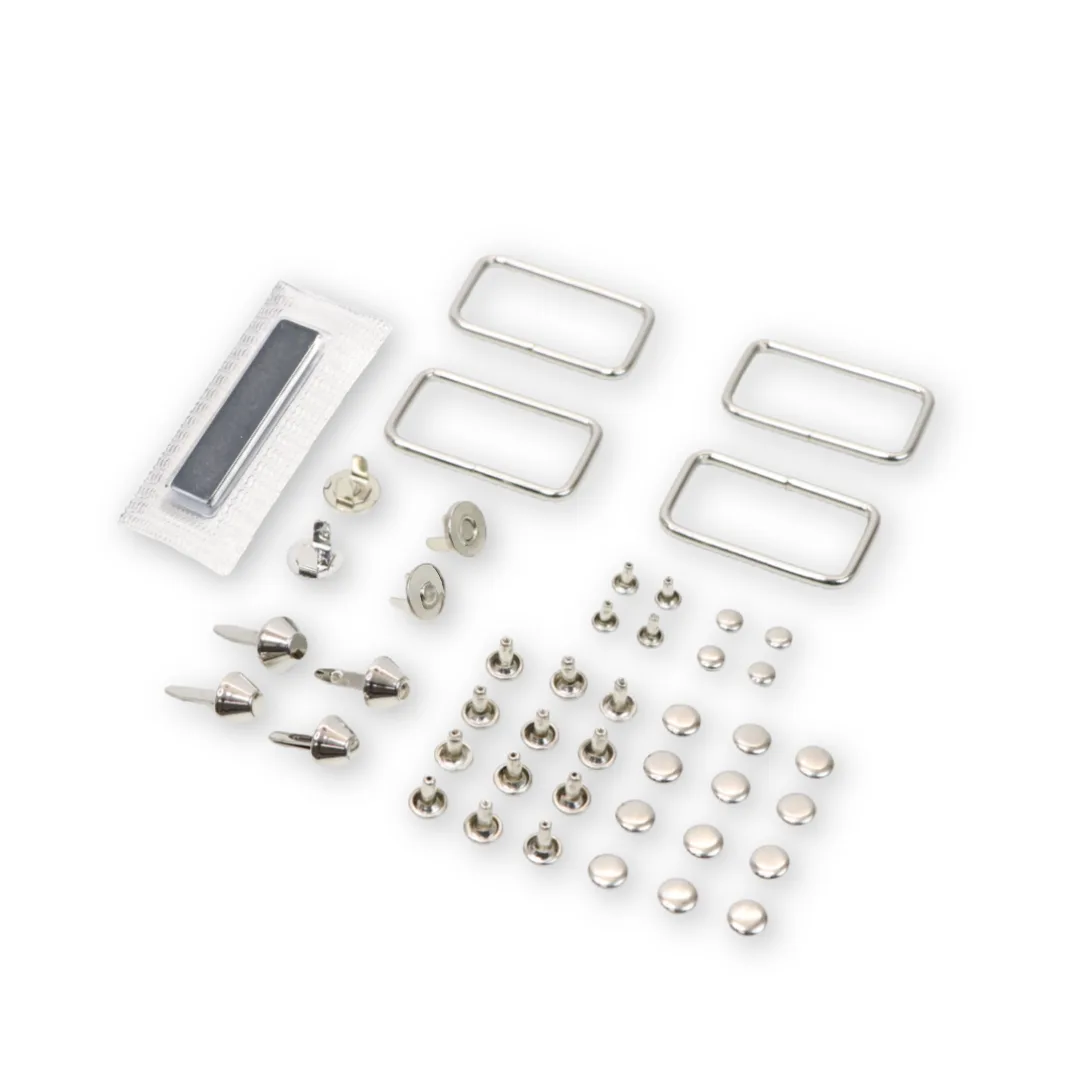
- Four Tula Pink 1 1/2" Rectangle Rings: Four Tula Pink 1 1/2" Rectangle Rings are functional and add a bit of bling to your handmade bags. You can attach Rectangle Rings to your straps and handles to give them more mobility. Mobility at the strap connection reduces the constant tugging that wears out cork around anchor points. Pair them with coordinating Swivel Hooks and Slider Buckles for a professional look.
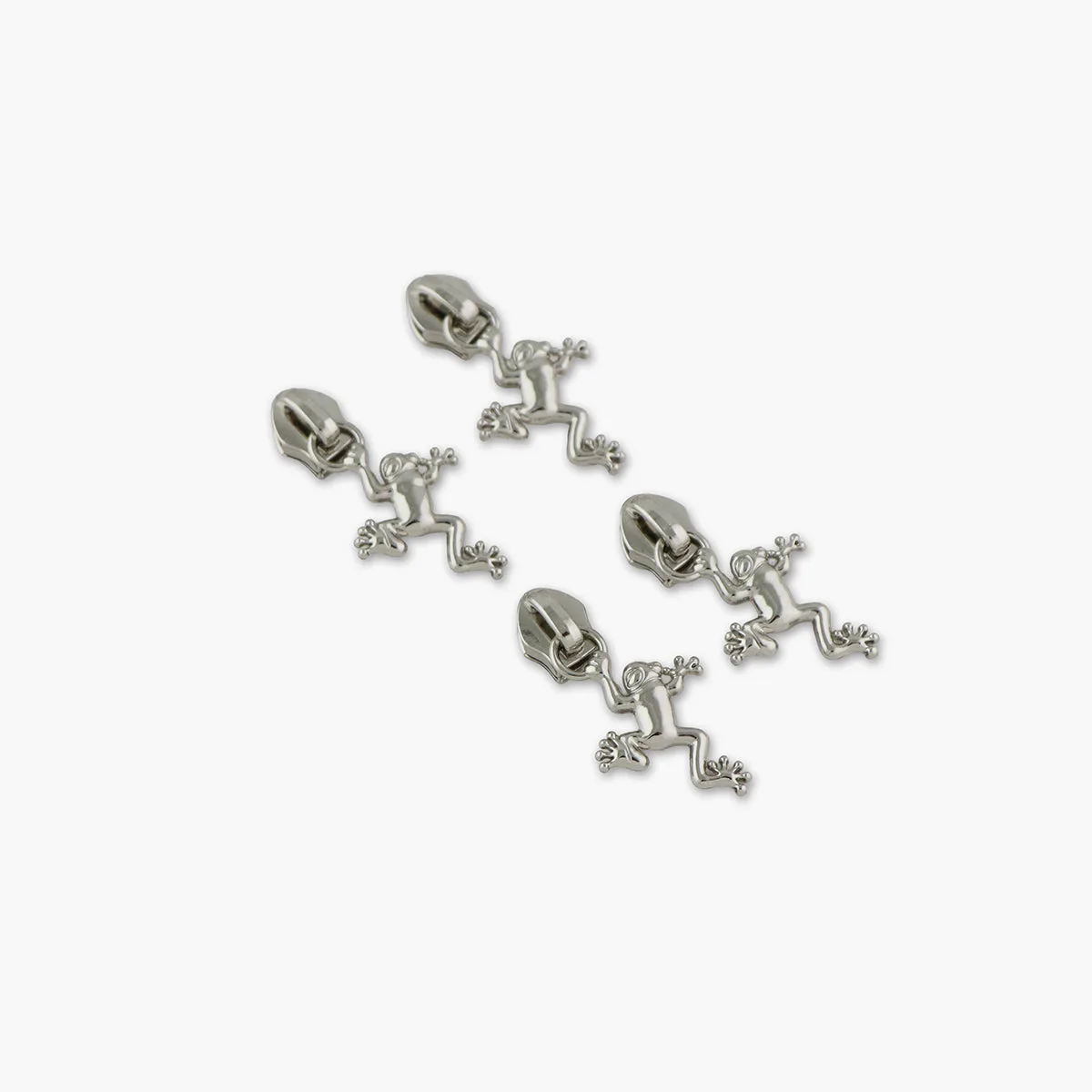
- Four Tree Frog Zipper Pulls: Four Tree Frog Zipper Pulls work with Sallie Tomato Zippers by the Yard or any size #5 nylon coil zipper. This size is best used on the top of handbags, backpacks, totes, and laptop carriers. A smooth-pulling zipper means less strain on the cork edge beside the zipper tape, which is a common place for cracking.